What the Fruit Juice Wastewater Evidence Actually Proves
MBBR can be a biologically feasible treatment option for fruit juice wastewater, but the supplied research does not establish a universal removal rate, reactor size, media fill, hydraulic retention time or operating cost. The strongest fruit-specific study used an MBR—not an MBBR—and reported average removals of 82% COD, 80% BOD, 83% NH₄⁺-N and 79% TN for one tested wastewater. A defensible MBBR design therefore starts with source segregation, screening, equalization, site-specific solids and oil control, biological and nutrient balances, downstream solids separation and representative pilot testing.
The evidence boundary matters because membrane separation and attached-growth biological treatment solve different problems. In the December 2024 Membranes study, the gravity-driven MBR achieved a stabilized flux of 4–4.5 L/m²·h at 0.01 and 0.02 MPa and operated without backwashing or chemical cleaning under those tested conditions. The membrane retained biomass and separated solids; biological oxidation and other biological processes removed dissolved organics and nutrients (Song et al., 2024-12-06).
An MBBR instead retains biomass on moving carriers and normally sends sloughed solids downstream. Neither an MBR membrane nor carrier retention removes dissolved COD or nutrients by itself. The fruit-specific MBR results are therefore a biological-feasibility benchmark, not an MBBR performance guarantee. The MBR alternative for fruit processing wastewater is useful when evaluating the separation side of that decision.
The 2022 Springer characterization reports high COD, suspended solids and dissolved solids, low nitrogen and phosphorus concentrations, and generally low pH for fruit juice industry wastewater. It also notes that organic composition, preservatives and additives vary with juice type. These findings support characterization and segregation; they do not define the allowable MBBR loading for a particular plant.
| Evidence source | Actual configuration | Reported result | Valid engineering use |
|---|---|---|---|
| Song et al., Membranes, 2024-12-06 | MBR treating real fruit juice wastewater | Average removals: 82% COD, 80% BOD, 83% NH₄⁺-N and 79% TN; stabilized flux 4–4.5 L/m²·h at 0.01 and 0.02 MPa | Fruit-specific feasibility and MBR benchmark |
| Springer, 2022 | Characterization of fruit juice industry wastewater | High COD, suspended and dissolved solids; low nutrients; generally low pH | Characterization scope and design-basis requirements |
| Tanjungpura University, 2019-01-10 | MBBR treating laundry wastewater | Kaldnes K1 at 20% fill; 15-day seeding; processing at 6, 8 and 10 days | Transferable media reference only |
Build the Wastewater Basis from Separate Source Streams
The design flow must represent the wastewater the biological reactor will actually receive, not every dilute or concentrated stream that can be collected. Inventory washdown, product-loss juice, pulp or concentrate, fruit-piece washing, floor drainage, CIP rinse water and sanitizer-bearing discharge separately. Define which streams enter the MBBR and which receive another route. The complete MBBR process design guide explains why source segregation comes before reactor sizing.
Collect time-based flow and quality data through production, washdown and cleaning cycles. An average daily flow can conceal batch dumps, while one grab sample can miss differences between juice-rich and washdown-dominated periods. The sampling record should identify production campaigns, batch discharges, clean-in-place cycles and dilution so hydraulic and organic peaks can be calculated from the same operating history.
The Springer study reports almost 10 L of wastewater generated for each litre of juice in the fruit juice industry. That is general industry context, not a plant design factor; use the plant’s metered and time-resolved data instead (Springer, 2022). Characterize pulp, colloids, suspended solids, oils, sanitizers, pH swings, temperature and biodegradability. The supplied research does not establish allowable MBBR limits for these constituents.
Separate soluble, biodegradable COD from material likely to foul carriers, obstruct circulation, burden clarification equipment or compromise downstream reuse barriers. Pulp and colloids are not interchangeable with soluble sugar-derived COD merely because both contribute to a COD analysis. The biological calculation can use the biodegradable fraction after upstream solids control, while the pretreatment and solids-handling calculations retain the physical material load.
| Source stream | Data to establish | Decision before MBBR design |
|---|---|---|
| Product-loss juice, pulp or concentrate | Time-resolved flow, COD, BOD, suspended solids, pH, biodegradability | Include, blend at a controlled ratio, or divert |
| Washdown and floor drainage | Peak flow, solids, grit, detergents, sanitizers and temperature | Segregate for screening and equalization |
| CIP rinse and sanitizer-bearing discharge | Chemical identity, concentration, residual, pH and discharge timing | Control before biological treatment |
| Combined plant flow | Hydraulic profile, soluble COD fraction and peak loading | Confirm equalization and loading basis |
Protect the MBBR with Screening, Equalization and Targeted Pretreatment
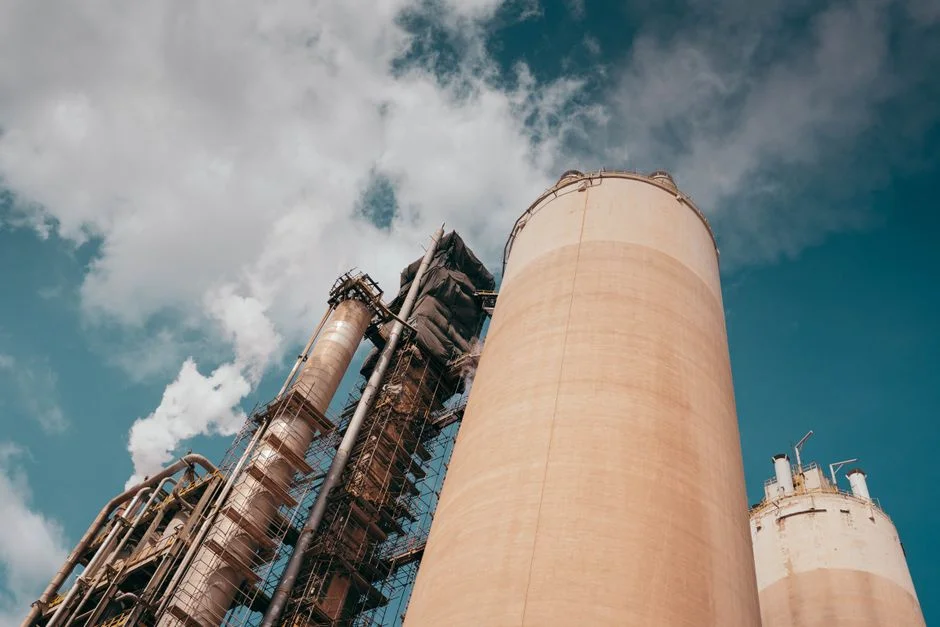
Protection should follow measured material and fouling risk, not the assumption that all fruit juice wastewater requires the same pretreatment train. A rotary mechanical bar screen for fruit juice wastewater pretreatment is justified where the stream contains rags, plastics, fibrous debris, pulp or suspended solids that could obstruct pumps, valves or the reactor.
Consider a DAF system for solids and oil control before MBBR treatment only where testing demonstrates a material solids, oil-and-grease, FOG or colloidal load that would interfere with biology or downstream equipment. DAF is not mandatory simply because the wastewater came from juice processing. Its duty depends on particle characteristics, recoverable material load, oil behavior and downstream fouling risk.
Equalization moderates flow and organic peaks and protects biological stability. It does not remove biodegradable COD, and accumulated pulp must be removed before it reaches the reactor or downstream separation equipment. Mixing, aeration, storage and return calculations should reflect the measured production and cleaning profile rather than a simple daily balance.
Include chemical dosing only after jar or pilot testing establishes the need. An automatic chemical dosing system for controlled pH or coagulant addition requires a defined chemical, dose, mixing arrangement, residual check and compatibility review. The December 2024 MBR study’s operation without chemical cleaning does not justify omitting pH control or chemical conditioning on a different wastewater.
Use the following process sequence: source segregation → screening → equalization → conditional solids or oil control → MBBR → downstream solids separation → conditional polishing → discharge or reuse.
| Barrier | Trigger for inclusion | What it does not solve |
|---|---|---|
| Mechanical screening | Observed debris, fibrous material, pulp or suspended solids that could obstruct equipment | Dissolved COD, oil emulsions or nutrient imbalance |
| Equalization | Hydraulic or biodegradable organic peaks from batch and cleaning discharges | Removal of biodegradable COD or accumulated pulp |
| DAF | Tested solids, FOG, oil-and-grease or colloidal interference | Uncharacterized biological toxicity or nutrient deficiency |
| Chemical dosing | Confirmed pH control, coagulation need or other measured treatment requirement | Unknown fouling causes or unsuitable hydraulic design |
Calculate the Biological and Nutrient Balance
The biological design begins with a complete, time-resolved influent basis and the applicable effluent or reuse specification. Request flow, COD, BOD, ammonia, total nitrogen, total phosphorus, suspended solids, pH, temperature, biodegradability, and oil and grease where relevant. Convert the data into hydraulic and organic loading peaks; a daily average does not describe the biological duty during a washdown or product-loss discharge.
Media type, active surface area, fill fraction, hydraulic retention, biofilm thickness, aeration, solids-retention time and excess-biomass control are project-specific variables. The 2019 Tanjungpura University study used Kaldnes K1 at 20% fill, a 15-day seeding period and processing at 6, 8 and 10 days on laundry wastewater. Its best reported result occurred on day 10, when COD fell from 910 mg/L to 56.3 mg/L and BOD fell from 441 mg/L to 39.67 mg/L (Tanjungpura University, 2019-01-10). Those results are media and operating references, not a juice-plant template or a universal startup duration.
Aerobic zones oxidize biodegradable organics and can support ammonia oxidation. Anoxic zones support denitrification only when the carbon balance leaves enough electron donor after aerobic treatment. Carbon allocation, hydraulic staging and aeration must therefore be calculated together rather than adding denitrification as an isolated zone. See the MBBR design guidance for soft drink wastewater for the distinction between transferable configuration principles and site-specific loading.
The sequencing-batch cheese-effluent MBBR provides configuration evidence rather than a juice template. Its anaerobic, aerobic and anoxic stages produced 98% carbon removal, while extending aeration required 33 days to establish nitrification. The result supports investigating staged carbon and nitrification control; it does not prescribe the same sequence or startup period for fruit juice wastewater.
Include phosphorus in the balance. The December 2024 MBR study retained a portion of total phosphorus, but that finding does not establish a universal phosphorus-removal rate (Song et al., 2024-12-06). Pilot data must test phosphorus against the actual objective.
| Design variable | Required basis | Decision it controls |
|---|---|---|
| Hydraulic loading | Time-resolved flow plus equalization duty | Reactor volume, staging and peak attenuation |
| Organic loading | COD, BOD, biodegradability and soluble fraction | Biomass demand and aeration |
| Carbon and nitrogen | Carbon allocated to oxidation and denitrification | Aerobic and anoxic zone arrangement |
| Phosphorus | Measured influent and target concentration | Biological uptake or supplementary control |
| Media | Active-area basis, fill and project-specific loading | Reactor configuration and excess-sludge production |
Choose MBBR or MBR Against the Effluent Objective
The choice should follow the required solids separation, reuse pathway, fouling risk and operating obligations. An MBBR retains biomass on moving carriers and normally requires downstream clarification or solids separation. An MBR combines suspended-growth biology with membrane separation. Both architectures depend on biological treatment for dissolved COD and nutrient removal; the membrane supplies a solids-separation function rather than dissolving contaminants.
MBBR is suitable when robust biological treatment and a separate solids-removal route are acceptable and can be maintained reliably. Include the wasting, thickening and dewatering route for carrier-derived excess biomass before selecting the architecture. The biological stage does not eliminate downstream solids handling.
MBR is worth considering when integrated solids separation has direct value against the reuse specification. That case still requires representative evidence for flux, cleaning, chemical compatibility and pretreatment performance. The December 2024 Membranes study supports this consideration for its tested stream, but not for every juice wastewater.
Do not convert the MBR’s 82% COD, 80% BOD, 83% NH₄⁺-N and 79% TN average removals, or its 4–4.5 L/m²·h stabilized flux, into MBBR performance, cost, footprint or energy claims. Operation without backwashing or chemical cleaning occurred only under the study’s tested conditions. It does not demonstrate low-fouling behavior across all juice streams.
| Decision point | MBBR | MBR |
|---|---|---|
| Biological biomass | Attached to moving carriers | Suspended and retained in the reactor |
| Solids separation | Normally requires downstream clarification or filtration | Integrated membrane separation |
| Strongest case | Separate solids-removal route is acceptable and maintainable | Integrated solids separation has direct reuse value |
| Key operating question | Can sloughed biomass and pretreatment solids be handled reliably? | Can representative flux, fouling and cleaning performance be demonstrated? |
| Evidence constraint | No continuous real-fruit-juice MBBR trial in the supplied research | One December 2024 fruit-juice MBR study is not a universal guarantee |
Pilot the Full Treatment Train Before Final Sizing
Pilot acceptance testing should cover representative wastewater through the relevant production, washdown and cleaning cycle, not one grab sample. The proposed source segregation, equalization and pretreatment train should be included where its protection duty is being tested. Confirm that the biology remains stable during actual batch and cleaning peaks and that media movement, aeration response and solids inventory remain controllable.
Monitor COD, BOD, NH₄⁺-N, total nitrogen, total phosphorus, suspended solids, pH, temperature, dissolved oxygen and flow. Also record biofilm establishment, media movement, headloss, aeration response, solids inventory and sludge production. These observations link biological performance to physical reactor behavior and downstream solids generation.
Define acceptance criteria from the current discharge permit, sewer pretreatment requirement or reuse specification. Do not adopt a generic removal percentage as a compliance guarantee. The protocol should identify the influent basis, sampling period, production and cleaning conditions, analytical methods, operating envelope, treatment of outliers and final effluent criteria.
The laundry study’s 15-day seeding period is a documented condition of that trial, not a universal MBBR startup commitment. A supplier should propose startup and acclimation from the pilot evidence and the plant’s operating schedule, with acceptance linked to stable biological and solids-separation performance.
| Acceptance element | Minimum record | Decision enabled |
|---|---|---|
| Influent basis | Time-resolved flow and quality across production and cleaning | Valid hydraulic and organic loading |
| Operating envelope | Documented peaks, temperatures, pH, DO and pretreatment conditions | Scale-up limits and controls |
| Physical observations | Media movement, biofilm, headloss, aeration and solids inventory | Reactor and equipment suitability |
| Effluent criteria | Current permit, sewer requirement or reuse specification | Objective acceptance rather than a transferred benchmark |
| Data governance | Analytical methods, sampling period and outlier treatment | Auditable test result |
Compare Vendor Proposals Using the Same Design Basis
A comparable supplier proposal must expose every assumption that affects reactor sizing and price. Require each supplier to state the assumed influent, effluent target, hydraulic loading, organic loading, media type and fill, reactor configuration, aeration basis, redundancy, solids-retention assumptions and O&M scope. If these assumptions are not tied to plant data, the offers are not comparable.
Request representative pilot results, the media and active-area basis, aeration calculations, controls, startup methodology, monitoring plan, maintenance access, operator training, spare parts and media-replacement assumptions. Any performance guarantee should be conditional on the stated wastewater, operating envelope, proposed configuration and agreed acceptance test.
Itemize energy, chemicals, media replacement, sludge handling and downtime. The supplied research provides no defensible MBBR cost per cubic metre for fruit juice wastewater, so a price comparison needs the same influent basis, equipment scope and lifecycle boundaries.
Catalog capacities are preliminary envelopes only. HydropureWater’s integrated MBR is listed at 10–2,000 m³/day, while DF modules are listed at 80–225 m² and 32–135 m³/day. These are catalog specifications, not field results and not sizing recommendations for a juice-plant MBBR (HydropureWater, 2026 MBR engineering guide).
Establish the excess-biomass solids balance before adding sludge dewatering. If the proposal includes a plate-and-frame filter press for MBBR excess-biomass dewatering, require its feed condition, capacity basis, cake-moisture objective and disposal route to follow from the measured solids inventory and wasting plan.
| Quotation component | Evidence to request | Exclusion to reject |
|---|---|---|
| Reactor and media | Loading calculation, active-area basis, fill, configuration and redundancy | Daily capacity without hydraulic and biological calculations |
| Pilot and acceptance | Representative results and site-specific acceptance protocol | Performance transferred from laundry, cheese effluent or MBR evidence |
| Operating cost | Itemized energy, chemicals, media replacement, sludge handling and downtime | Unsupported cost per cubic metre |
| Maintenance | Access plan, spares, training, monitoring and replacement assumptions | O&M scope left unspecified |
| Guarantee | Wastewater basis, operating envelope and test conditions | Unconditional headline removal rate |
Frequently Asked Questions
Can a universal MBBR reactor volume or media fill be selected for fruit juice wastewater?
No. The supplied evidence contains no continuous MBBR trial on real fruit juice wastewater and therefore establishes neither a universal volume nor fill fraction. Sizing requires time-based flow, COD, BOD, biodegradability, nutrient data, pretreatment performance, biological loading, the applicable effluent objective and representative pilot results.
What should a buyer request when comparing MBBR cost?
Request an itemized quotation covering equipment, media, aeration, controls, pretreatment, installation, energy, chemicals, sludge handling, media replacement, maintenance and downtime. The supplied research provides no defensible MBBR price per cubic metre for fruit juice wastewater. Compare suppliers only after placing those items against the same influent basis, effluent target and scope.
Which evidence should guide supplier selection?
Ask for representative pilot data, the media and active-area basis, aeration design, solids-retention assumptions, redundancy, controls, maintenance access and acceptance criteria. Reject a proposal whose performance guarantee relies on the 2019 laundry study, the cheese-effluent sequencing-batch MBBR or the December 2024 MBR study: none is a fruit-juice MBBR guarantee.
How should compliance risk be handled in pilot acceptance testing?
Set final acceptance criteria from the applicable discharge permit, sewer pretreatment requirement or reuse specification, not from a generic removal percentage. Record the influent basis, sampling period, production and cleaning conditions, analytical methods, operating envelope, outlier treatment and final effluent criteria so the result can be audited.