Start with the site, not the catalogue
The best packaged sewage treatment plant for a Lagos housing development depends on wastewater flow and quality, available land, burial depth, maintenance access, discharge route and whether water reuse is required. The WSZ underground integrated sewage treatment plant handles 1–80 m³/h and combines biological contact oxidation, sedimentation and disinfection in one buried unit. The integrated MBR membrane bioreactor handles 10–2,000 m³/day and uses submerged PVDF membrane filtration below 1 μm, with a reported footprint 60% smaller than conventional systems. Residential flows are variable, so peak-flow capacity, equalization and phased growth must be included in the design.
Begin with six procurement inputs: average and peak flow, wastewater characteristics, available footprint, soil and groundwater conditions, confirmed effluent destination, and development phases. Do not select a plant from a photograph or nominal capacity alone. A supplied capacity range is a manufacturer statement; it is not a substitute for site-specific sampling, hydraulic assessment, excavation review or confirmation of where the treated effluent will go.
Biocell Water’s residential-development guidance states that wastewater flow varies throughout the weekday, with peaks typically occurring in the mornings, late afternoons and evenings as residents leave for or return from work and school. The same guidance notes that ammonia and COD can be elevated by increased use of disinfectants and cleaning products, together with the absence of grease traps at some houses. These are reasons to obtain current site data rather than treating household sewage as a fixed-strength stream.
Map the drainage route, gravity constraints, vehicle access and locations available for buried or above-ground equipment. Assess whether landscaping can be restored above a buried installation, whether groundwater could affect excavation or buoyancy, and whether maintenance staff can reach pumps, membranes, valves and controls safely. If the estate will expand, record which phase supplies the sewer and when additional capacity becomes necessary.
The effluent destination determines the information that must be verified. A gravity connection, pumped discharge, infiltration route or reuse scheme has different civil and approval implications. Confirm the receiving point before preparing a procurement specification. A rotary mechanical bar screen may need consideration where incoming solids could threaten downstream equipment, but screening should follow a review of the waste stream rather than become an automatic add-on.
How the treatment train should work
A packaged sewage treatment plant should follow a defined treatment sequence rather than depend on a product label. The engineering sequence is:
- Characterize the incoming wastewater and protect the plant from unsuitable solids.
- Equalize variable residential flow.
- Apply biological treatment for biodegradable pollution.
- Separate biological solids from the treated liquid.
- Disinfect where required by the confirmed discharge or reuse route.
- Transfer the final effluent to the approved destination.
The WSZ uses an anoxic/aerobic biological contact-oxidation process, followed by sedimentation and disinfection, with these functions combined in one buried package. The MBR combines activated-sludge treatment with submerged PVDF membrane filtration; the published filtration specification is below 1 μm. These are different treatment architectures, so comparing them requires matching the complete process route to the design flow, required effluent quality, site constraints and maintenance regime.
| Process function | WSZ underground A/O package | Integrated MBR | Procurement question |
|---|---|---|---|
| Flow equalization | Confirm hydraulic accommodation within the selected package configuration. | Confirm equalization and membrane-feed control against the duty cycle. | What average and peak-flow basis was used? |
| Biological treatment | Anoxic/aerobic biological contact oxidation. | Activated sludge. | How will loading and low-flow operation be managed? |
| Solids separation | Sedimentation. | Submerged PVDF membrane filtration. | How are separated solids removed and handled? |
| Disinfection | Included in the published package configuration. | Confirm the complete treatment train and reuse requirements. | Is disinfection required for the receiving point or reuse application? |
| Installation | One buried unit. | Compact system reported to have a 60% smaller footprint than conventional systems. | Which civil works, access routes and utilities are excluded? |
Pretreatment requires specific review where rags, plastics or other debris could enter the biological stage, obstruct pumps and valves or interfere with downstream membranes. Screen the waste stream first; then decide whether mechanical screening, grease management or other pretreatment is necessary.
Reliability is a public-health control, not an equipment accessory. A University of Lagos study, Implications of Improper Sewage Management on Public Health: A Case Study of Kosofe Local Government Area, Lagos State, found that the sanitary state of an area is influenced by residents’ waste-handling practices and measures for safe evacuation and disposal. That makes maintenance access, treatment continuity and a defined residual-disposal route central selection criteria.
Compare the leading package-plant options
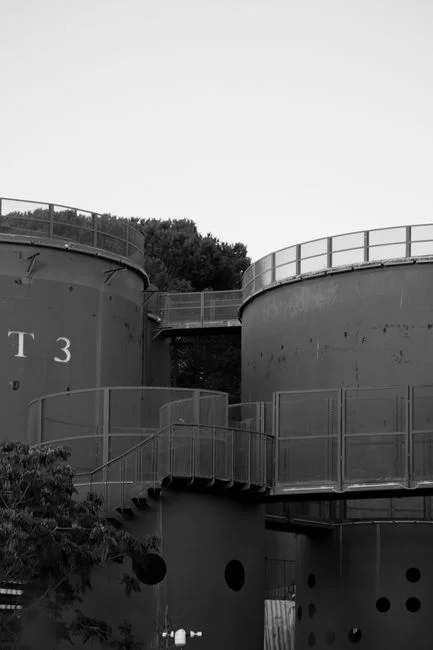
WSZ and MBR should be compared by process configuration and site fit, not ranked by nominal capacity alone. The relevant published capabilities are specific: WSZ covers 1–80 m³/h in one buried A/O package, while MBR covers 10–2,000 m³/day and uses submerged PVDF filtration below 1 μm.
| Selection parameter | WSZ underground A/O | Integrated MBR | Commercial benchmark families described by Biocell Water |
|---|---|---|---|
| Published capacity | 1–80 m³/h | 10–2,000 m³/day | Residential solutions described from small projects up to 5,000 people; no plant-capacity range is stated. |
| Process | Anoxic/aerobic contact oxidation, sedimentation and disinfection. | Activated sludge with submerged PVDF membrane filtration below 1 μm. | Below-ground MBBR or SBR; above-ground containerized fixed-bed, MBBR or MBR modules. |
| Installation | Single buried unit with the treatment stages integrated. | Compact membrane bioreactor package. | Below-ground units require a concrete tank; containerized modules are installed above ground. |
| Site implications | Excavation, groundwater management, lifting access and restoration above the buried unit. | Lower reported footprint, but membrane access, cleaning and replacement arrangements still require review. | Site restrictions may make above-ground installation more practical. |
| Expansion | Confirm whether additional WSZ capacity can be installed without disrupting landscaping. | Confirm module expansion and effect on the membrane train. | Biocell Water states that modular systems can be installed in phases as developments grow. |
| Effluent and reuse | Confirm final quality against the receiving point and any reuse objective. | Filtration below 1 μm supports a review of reuse applications, subject to complete-train validation. | Process selection is site-specific and depends on the required effluent standard and budget. |
Biocell Water’s commercial benchmark is useful because it exposes alternatives to a single-package decision. Its below-ground MBBR and SBR solutions require a concrete underground tank with equipment installed inside. Its above-ground options use containerized fixed-bed, MBBR or MBR technologies. The supplier states that the process is selected according to site-specific requirements, including effluent standard and budget. That is a reminder that buried construction, containerization and process configuration are materially different procurement scopes.
Also compare power dependence, equalization, control architecture, operator competence, critical spares and expansion method. A system that fits the present flow but requires major civil works, inaccessible membrane maintenance or an impractical power arrangement may not fit the estate over its full operating life.
Choose WSZ or MBR from practical requirements
Prioritize WSZ review when the preferred layout is below grade, the area above the unit must remain available for landscaping, and an integrated A/O–sedimentation–disinfection package can meet the hydraulic and effluent requirements. Confirm that the selected configuration covers the complete duty and that excavation, groundwater, lifting and maintenance access have been engineered into the proposal.
Prioritize MBR review when submerged membrane filtration, a smaller physical footprint or water-reuse potential is a defining project requirement. The published filtration specification is below 1 μm, and the reported footprint is 60% smaller than conventional systems. Those attributes do not, by themselves, establish fitness for reuse. Ask the supplier to demonstrate the complete treatment train, membrane cleaning, fouling control, replacement provisions and the conditions under which the final effluent may be reused.
For an above-ground or highly constrained site, use the Biocell Water families—containerized fixed bed, MBBR or MBR—as market alternatives. A below-ground solution may require substantial concrete-tank civil work; an above-ground module changes the excavation, access, lifting and security requirements. Treat the installation decision as a civil, logistics and maintainability assessment rather than a simple purchase-price comparison.
Use this decision sequence:
- If below-grade installation and surface-area continuity are essential: request a WSZ design with verified flow coverage and a civil-access plan.
- If membrane filtration or reuse is essential: request an MBR design with complete-train performance evidence and membrane-maintenance obligations.
- If the site cannot support excavation: request containerized alternatives for site-specific review.
- If development is phased: require each supplier to show how present and future modules connect without excessive duplication or disruption.
Every proposal should explain how the system handles morning, late-afternoon and evening peaks, provides equalization and protects biological and membrane stages from incoming solids. A more detailed packaged sewage plant comparison for housing can support the same selection logic, but the Lagos site data must remain the controlling inputs.
Plan operations, sludge and discharge before purchase
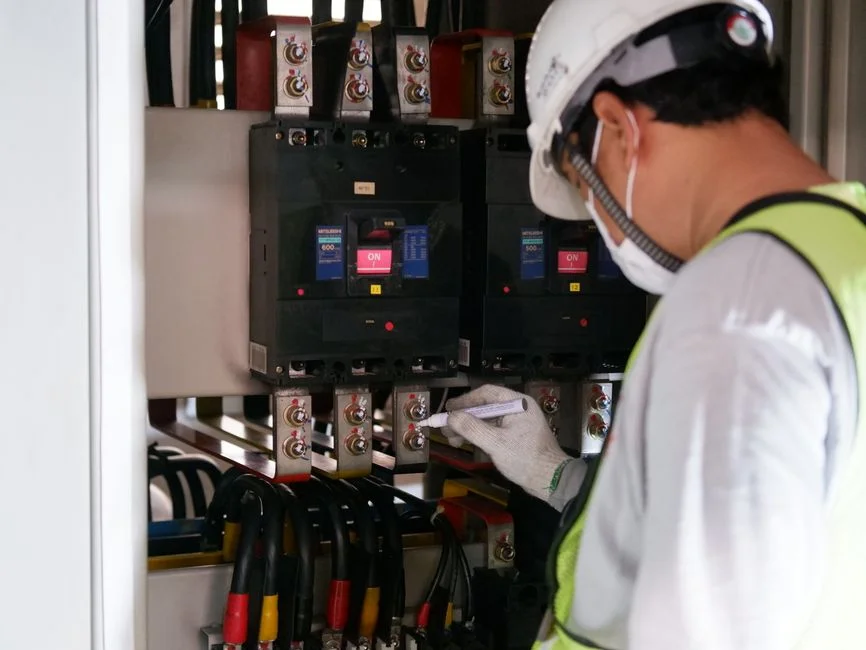
A packaged plant’s operating strategy must be defined before equipment acceptance. Ask suppliers to identify routine operator tasks, inspection frequency, critical spares, alarm functions, power requirements and safe access arrangements. Automatic operation does not remove the need for inspection, response procedures or trained operators.
Use Biocell Water’s maintenance benchmark as a direct procurement question: can submerged moving parts be serviced without emptying tanks or entering them, and can the estate team perform the work or must a specialist contractor be retained? Also request the alarm strategy and identify who responds when an alarm occurs. These are maintainability and ownership questions, not merely product features.
Put sludge removal, interim storage, transport and final disposal in the scope. The supplied research does not provide a sludge-generation rate for Lagos housing, so no rate should be inserted into the tender without site-specific calculation. A plate-and-frame filter press should be considered only if the proposed sludge-handling route supports it; the plant supplier must define the residual interface.
Confirm the receiving point, discharge method and approval route before ordering. The supplied evidence does not establish a current Lagos effluent limit, so obtain the applicable requirements directly from the responsible authority instead of relying on an unspecified standard in a quotation.
Request a site-specific proposal showing average and peak hydraulic design, treatment stages, civil interfaces, power demand, controls, testing, commissioning and phased expansion. It should also state how performance is demonstrated and where responsibility changes between the equipment supplier, civil contractor, estate operator and commissioning team. Further process context is available in the domestic sewage and wastewater sludge treatment guide.
Turn the selection into a supplier-ready brief
The procurement pack should distinguish verified requirements from assumptions. Request a wastewater sampling plan and characterization report rather than relying on a generic household-sewage profile. Provide daily flow data, measured peak-flow evidence, development phasing, available land, soil and groundwater information, the preferred discharge route, and any reuse or irrigation objectives.
Ask each supplier to identify the process model, unit split, rated-capacity basis, installation method, footprint, civil-work boundary, power and utilities, controls, maintenance scope, sludge route and commissioning tests. State how the price covers—or excludes—excavation or containerization, local civil works, pumps, piping, access roads, power supply, operator training and permit-related engineering.
Use the stakeholder mix in the University of Lagos study, Economic Resilience of Mass-Housing Project Delivery in Lagos, Nigeria, which interviewed property developers, real-estate managers and construction executives, as a governance prompt. Include those decision owners alongside estate management and delivery contractors during technical review. They need to agree on the receiving point, operating responsibility and expansion plan before the quotation is treated as comparable.
The domestic sewage treatment options guide provides broader context, but the final Lagos brief should contain measured project inputs and a traceable design basis—not generic residential assumptions.
Frequently Asked Questions
What capacity is needed for a packaged sewage treatment plant in a Lagos housing development?
The published WSZ range is 1–80 m³/h, while the published MBR range is 10–2,000 m³/day. Neither range establishes a fit by itself. Require the supplier to demonstrate the selected rating against measured average flow, residential peak-flow evidence, equalization and the development phasing plan.
How should the buyer compare cost and budget for a packaged sewage treatment plant?
Compare complete scopes rather than equipment-only prices. Ask each bidder to price the process type, excavation or containerization, civil works, controls, utilities, sludge handling, installation, operator training, commissioning and maintenance separately. No verified Lagos price is available in the supplied research, so request a site-specific quotation with quantities and exclusions identified.
How should a supplier be selected for a Lagos housing estate?
Select on demonstrated site fit, process evidence, local installation capability, service scope and the quality of the site-specific design—not brand statements alone. Require references for comparable work, defined performance tests, named maintenance responsibilities, critical-spares availability and a clear commissioning plan.
What is the compliance risk when the treated effluent will be discharged in Lagos?
The principal risk is ordering equipment before the discharge route and approval requirements are confirmed. Identify the receiving point, intended discharge method and responsible authority, then obtain the applicable current requirements directly. The supplied research does not establish a current Lagos effluent limit, so do not accept a supplier’s unverified standard as the permitting basis.
What lead time should the buyer allow for an MBR or WSZ system?
Do not use a generic lead-time statement. Require the selected supplier to separate equipment manufacturing, shipping, excavation or civil construction, utility connections and commissioning dates, including dependencies and site-access assumptions. The supplied research provides no fixed lead time for either the WSZ underground integrated sewage treatment plant or the integrated MBR membrane bioreactor.