What Changes When Nestlé Acquels an Indian Plant?
Wastewater requirements after Nestlé acquires an Indian plant are determined by the acquired site’s discharge points, existing consents, process activities and receiving-authority conditions—not automatically by Nestlé’s ownership or corporate standards. If the transaction includes manufacturing, the buyer must verify consent-transfer requirements, industrial effluent characteristics, sewer pretreatment, reuse or groundwater approvals, monitoring and legacy liability. A plant with no industrial discharge point does not acquire new plant wastewater duties merely because Nestlé owns the business. Treatment equipment should be selected only after stream sampling, drain mapping, permit review and confirmation of the final discharge or reuse route.
The first acquisition task is to define the transaction perimeter. Manufacturing areas, utilities, laboratories, cooling systems, domestic sewage, storm water and any industrial wastewater system must be identified separately. Each stream can have a different owner, permit condition and disposal route. The same separation is used in the supplied plant-acquisition decision rule, which states that requirements depend on the acquired asset, its outlet and its current consent—not the buyer’s brand.
Nestlé’s wider water stewardship position does not replace site-specific approvals. The IBFAN briefing dated November 2025 addresses water extraction, groundwater depletion and bottled-water controversies; it does not establish Indian wastewater-consent transfer rules for an acquired food-processing plant. The buyer therefore needs a separate legal and technical file for the site rather than relying on corporate messaging.
| Transaction item | Wastewater diligence question |
|---|---|
| Manufacturing or utility assets | Does the perimeter include an industrial wastewater system or discharge point? |
| Existing outlet | Is the route municipal sewer, shared industrial drain, internal reuse or another route? |
| Current approvals | Which consents, sewer conditions and authorizations must transfer, change or be replaced? |
| Legacy exposure | Were there violations, bypasses, remediation obligations, sludge or stored-wastewater issues? |
| Corporate ownership | What additional group requirements apply, without treating them as a substitute for Indian permissions? |
If the acquired perimeter contains no factory, industrial wastewater system or discharge point, plant wastewater conditions do not attach merely because Nestlé owns the business. Where manufacturing is included, the buyer must verify consent-transfer requirements, industrial effluent characteristics, sewer pretreatment, reuse or groundwater approvals, monitoring and legacy environmental liability before committing to a treatment train.
Build the Wastewater Due-Diligence File
The due-diligence file must establish who may discharge what, under which approval and through which receiving authority. The plant-acquisition wastewater due-diligence framework warns that environmental consent, sewer agreement, hazardous-waste authorizations, factory and fire approvals, and reuse or groundwater approvals may impose different conditions on the same effluent.
- Collect approvals as one set. Request the environmental consent, sewer agreement, hazardous-waste authorizations, factory and fire approvals, and any reuse or groundwater approvals. Record transfer requirements, compliance conditions and expiry status; do not assess the plant from the environmental consent alone.
- Map the drainage system. Obtain production records, drain drawings and flow-meter data. These records should distinguish routine dilute effluent from high-strength and slug streams and identify the physical boundary of every owned drain and outlet.
- Confirm the legal hierarchy. Establish the plant’s actual consent category, notified conditions, sector requirements and the receiving authority’s current standards. A generic discharge-limit schedule is not a substitute for reviewing the instruments applicable to this site.
- Keep streams separate until confirmed. Domestic sewage, cooling water, storm water and industrial process effluent must remain distinct in the legal and operational map until their routes and governing conditions are established.
- Obtain sewer acceptance conditions. If effluent enters a municipal sewer or shared industrial drain, obtain the sewer authority’s pretreatment and acceptance requirements before sizing equipment. The supplied acquisition guidance states that sewer conditions may extend beyond the plant’s own environmental consent.
- Define discharge versus reuse. Confirm the intended route. High-quality effluent does not create a legally available or prohibited discharge route, and it does not replace sewer acceptance or reuse approval.
| File item | Minimum decision supported |
|---|---|
| Environmental consent and correspondence | Permit category, transfer conditions, compliance history and unresolved notices |
| Sewer agreement and acceptance conditions | Whether the receiving authority will accept the proposed effluent and under what controls |
| Hazardous-waste authorizations and manifests | Whether waste custody, storage and disposal arrangements are valid and transferable |
| Factory, fire, reuse and groundwater approvals | Whether operation or reuse conflicts with site-wide approvals |
| Drain drawings, production records and flow data | Stream separation, flow variability, slug-load risk and equipment sizing basis |
| Monitoring records and notices | Past exceedances, bypass history, sampling integrity and remediation exposure |
The practical output is not merely a list of documents. It is a route-by-route decision record showing the source stream, destination, governing instrument, current operator, monitoring duty, unresolved condition and the evidence needed before treatment selection.
Characterize Food-Plant Wastewater by Stream
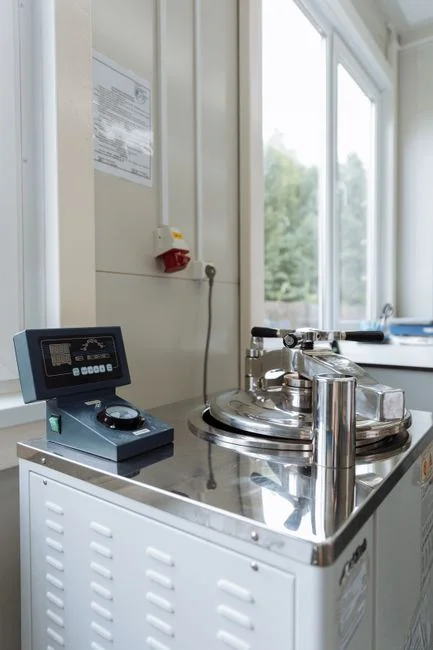
Food-processing wastewater must be characterized from the acquired plant’s actual chemicals, products, cleaning routines and operating states. The supplied acquisition guidance cautions against using a generic effluent template; for a food plant, the sampling plan should cover cleaning, washdown and slug-generating operations rather than rely on one routine composite sample.
Use food-processing wastewater operating-cost guidance to connect process decisions with chemical use, sludge handling, energy and operating maintenance. The treatment need should follow the contaminant profile:
- Oil, grease and floatables: Investigate contributions from food processing, cleaning and equipment washing. The supplied acquisition guidance identifies dissolved air flotation as relevant to these contaminants and suspended solids.
- Acid and alkaline streams: Segregate and assess them separately. The same guidance identifies pH adjustment as the treatment step for acid or alkaline wastewater.
- Biodegradable organic load: Measure the relevant organic characteristics before selecting biological treatment, which the source identifies as the treatment for biodegradable organics.
- Suspended and settleable solids: Determine whether clarification is required for settleable material and whether flotation is needed for oil, floatables or colloidal solids. The DAF versus clarifier comparison explains the process distinction, but the food plant’s data must determine the choice.
- Reuse quality: Consider membrane treatment only after the final route, required recovery and contaminant profile are established.
| Observed stream condition | Indicated treatment question | Evidence required before selection |
|---|---|---|
| Oil, grease or floatables | Is DAF required for separation? | Representative samples tied to cleaning and washdown operations |
| Acid or alkaline discharge | Is segregated pH adjustment required? | Source identification and operating-state data |
| Biodegradable organic load | Is biological treatment justified? | Organic characterization and flow profile |
| Settleable solids | Is clarification required? | Solids and settleability observations |
| Variable flows or slug loads | Can the selected train absorb the operating duty? | Production records, drain drawings and flow-meter data |
| Reuse or very low-solids requirement | Is membrane separation warranted? | Confirmed reuse criteria, recovery requirement and dissolved-contaminant data |
No generic sampling frequency is supported by the supplied research. The acquisition team should set it around the plant’s demonstrated operating variability, including production changes, cleaning cycles and documented slug events.
Select Treatment Against the Confirmed Route
Equipment selection should translate confirmed permit duties, sewer conditions and stream chemistry into a verifiable process design. The receiving-authority route is a design constraint: a DAF system for food-processing wastewater pretreatment, biological system or membrane unit cannot cure an unavailable, prohibited or unacceptable outlet.
| Equipment | Use it when the evidence confirms | Listed specification |
|---|---|---|
| DAF system | Oil, grease, floatables, colloidal matter or suspended solids require physical separation | HydropureWater lists capacities from 4–300 m³/h across 13 standard models. |
| Automatic chemical dosing | Controlled coagulant, flocculant or pH-adjustment feed is required | HydropureWater describes skid-mounted, pre-wired, factory-tested, PLC-controlled dosing systems. |
| MBR system | Biological treatment and membrane solids separation are supported by the effluent data | HydropureWater lists capacities from 10–2,000 m³/day and filtration below 1 micrometre using submerged PVDF membranes. |
| UF system | The duty is bacteria, colloid or suspended-solids removal for reuse or RO pretreatment | HydropureWater lists 2,000–40,000 L/h with 0.03-micron PVDF membranes. |
DAF and clarification should not be treated as interchangeable by default. DAF is relevant where the contaminant profile supports separation of oil, grease, floatables, colloidal matter and suspended solids; clarification addresses settleable solids. Chemical dosing and pH control then depend on the separated stream’s chemistry. An MBR system for biological treatment and membrane solids separation is justified only where the data support both duties.
For reuse, UF may be relevant where the confirmed objective is bacteria, colloid and suspended-solids removal, or pretreatment for RO. The equipment specification still has to be matched to the required flow, recovery, upstream treatment and final reuse authorization.
Supplier comparison should cover process design, installed-equipment scope, controls, commissioning support and operating assumptions. The supplied acquisition guidance states that equipment price alone does not represent the cost or risk of a compliant, operable wastewater system. Capital cost cannot absorb an invalid permit, an unacceptable sewer route or an unresolved legacy discharge.
Allocate Wastewater Risk in the Transaction Documents
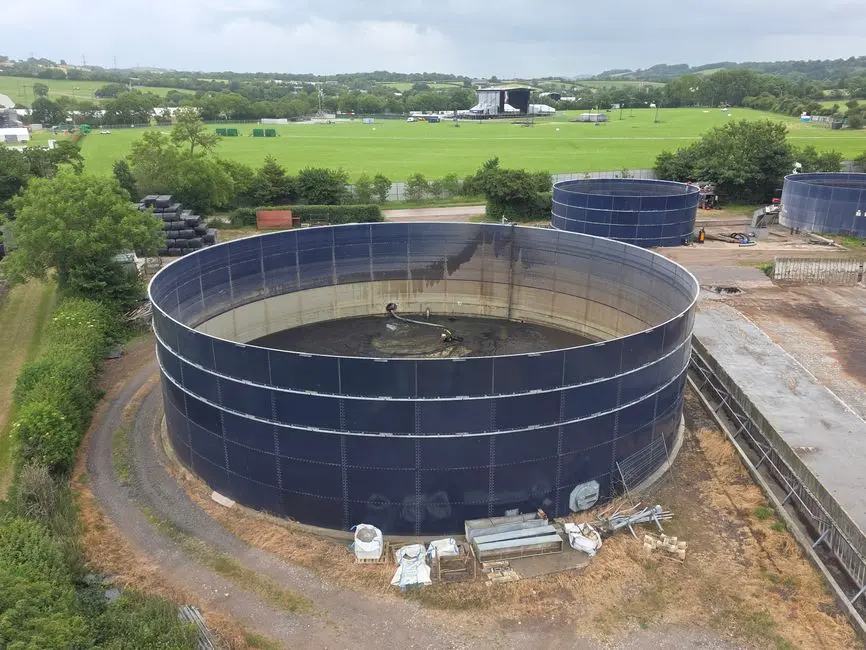
Legacy wastewater exposure should be allocated expressly, not left inside a general environmental compliance covenant. The transaction documents should define the transfer date for permit responsibility, monitoring data, prior discharges, sludge, chemicals, stored wastewater, open notices, violations, remediation and reporting.
The technical assumptions used to value the plant must match the legal allocation. If the model assumes that a consent is valid, that no bypass occurred or that stored wastewater can be accepted by a licensed facility, the agreement should allocate the consequences if each assumption proves incorrect.
| Risk | Document treatment |
|---|---|
| Invalid or non-transferable permits | Condition or defer closing until the legal route and approval path are established |
| Historical bypasses, exceedances and notices | Cover past discharges, monitoring, reporting and regulator response in the seller’s indemnity |
| Outstanding remediation | Specify scope, responsible party, access, completion standard and cost allocation |
| Hazardous-waste custody | Require complete records and allocate pre-closing storage, transport and disposal liability |
| Undischarged stored wastewater | Require inventory, characterization, lawful disposal arrangements and a closing condition |
| Sampling integrity | Preserve original results, methods, chain of custody and supporting production records |
Representations should cover complete permit disclosure, sampling integrity, undischarged wastewater, bypass history, outstanding remediation, third-party claims and hazardous-waste custody. Permit validity, bypass history and waste custody are closing risks, not installation details. A well-built treatment train cannot retrospectively legalize a prohibited discharge.
Frequently Asked Questions
Does Nestlé ownership change the plant’s existing wastewater limits?
No. Ownership alone does not replace the site’s environmental consent, sewer agreement, monitoring duties or receiving-authority conditions. The buyer must verify whether those instruments transfer and whether corporate requirements create additional obligations beyond the permits.
How should wastewater equipment be sized after the acquisition?
Confirm the legally available discharge or reuse route first, then characterize each stream and compare the verified duty with equipment capacity and treatment objectives. Flow-meter data, production records and drain drawings are required inputs; the supplied research does not support a generic sizing rule for an acquired food plant.
How should equipment suppliers be compared?
Require site-specific process design, stated compliance assumptions, installed-equipment scope, control philosophy, commissioning support and transparent O&M assumptions. A low purchase price is not an adequate comparison when the supplier has not demonstrated that its train satisfies the confirmed route and effluent duties.
Which legacy issues should condition closing?
Invalid permits, unresolved bypasses, outstanding remediation, hazardous-waste custody failures and undischarged stored wastewater should be conditions to closing or expressly allocated with adequate security. The buyer should not accept these matters as ordinary post-closing installation issues.
When are UF and MBR relevant?
UF is relevant when the confirmed duty is bacteria, colloid or suspended-solids removal for reuse or RO pretreatment. MBR is relevant when the effluent data support biological treatment combined with membrane solids separation. The treatment objective and route determine the choice; neither unit should be selected before characterization and permit review.
Related Equipment
- DAF system for food-processing wastewater pretreatment — specifications, capacity range, and technical data