
Choose DAF or a Full Industrial ETP
A Surat factory usually needs a dissolved air flotation unit when its industrial effluent contains floating oil, grease or separated solids that must be removed before biological treatment or discharge. It needs a complete ETP when the wastewater also requires pH control, biological treatment, polishing, reuse or a managed zero-liquid-discharge train. Local IndiaMART listings show Surat DAF configurations from 5–200 m³/h and larger 500 m³/h systems. Final selection depends on peak flow, wastewater tests, discharge destination and reuse targets—not capacity alone.
DAF is a flotation process in which pressurized air dissolves in water and is released as tiny bubbles. The bubbles attach to oil droplets and suspended material, which rises to the surface and is skimmed as floated sludge. This makes DAF a clarification step rather than a universal answer to every industrial wastewater problem.
| Factory requirement | Preferred treatment scope | Decision basis |
|---|---|---|
| Remove floating oil, grease, FOG, suspended solids or colloidal material before another process | Standalone DAF or DAF-led pretreatment | Representative effluent analysis and the required downstream treatment |
| Control pH, equalize flow and treat biodegradable or soluble pollutants | Complete ETP with equalization, biological treatment and polishing as required | Effluent COD, BOD, pH variation and applicable discharge conditions |
| Produce treated water for reuse | DAF-led ETP with the required biological, filtration and disinfection steps | Reuse specification and the water-quality parameters it imposes |
| Comply with a discharge destination without excess treatment | Performance-based train selected for the actual consent requirements | Discharge point, applicable consent conditions and current analysis |
Choose a standalone DAF when oil, grease, FOG, suspended solids or colloidal matter are the principal targets and another process will provide the next treatment step. Choose a complete ETP when the factory also needs equalization, pH correction, biological treatment, filtration, disinfection, reuse or a managed zero-liquid-discharge train. A DAF-led ETP is often the rational choice when a removable oil-and-solids fraction is present but soluble or biodegradable pollutants remain.
Treatment must ultimately be matched to the actual effluent, discharge point, applicable consent conditions and intended reuse. The best DAF unit decision framework should therefore begin with factory data, not a catalogue capacity.
Map the Factory's Wastewater Profile
Representative sampling determines whether a DAF clarification unit can meet the factory’s immediate objectives or whether a complete ETP is required. A single spot sample can miss cleaning discharges, production batches and shutdown flows, so it is not a defensible basis for process selection or capacity allocation.
Collect samples across normal production, cleaning, shutdown and discharge cycles. Request test results for flow, pH, oil and grease, TSS, COD, BOD, turbidity and temperature, together with contaminants specific to the factory’s process. For example, a pharmaceutical effluent assessment must consider its applicable process pollutants rather than rely only on generic oil-and-solids data.
| Input to establish | Why it affects selection | Evidence to request |
|---|---|---|
| Representative effluent quality | Identifies removable and residual pollutant loads | Results for pH, oil and grease, TSS, COD, BOD, turbidity, temperature and relevant industry-specific contaminants |
| Hydraulic profile | DAF must handle peaks, not only a daily average | Daily average flow, peak flow, operating hours, batch-discharge records and production-expansion plans |
| Discharge destination | Determines the required treatment sequence | Industrial sewer, common treatment facility, receiving body or on-site zero-liquid-discharge system |
| Reuse requirement | Adds biological, polishing and disinfection duties where needed | Intended reuse, receiving equipment specification and required treated-water parameters |
Also record production changes, cleaning schedules and planned expansions. A unit selected for today’s nominal flow may be exposed to short-duration loads that affect hydraulic residence, recycle-pump duty, chemical demand and solids removal. These operating records should accompany the laboratory results in the supplier enquiry.
One local IndiaMART listing claims treatment quality of up to 97% TSS removal and 70–90% oil and grease removal for a horizontal-flow system, according to dir.indiamart.com, September 29, 2026. Those are supplier claims, not proof of performance at a particular factory. Set factory-specific acceptance criteria only after testing representative effluent, defining the sampling method and establishing the inlet condition. A listing in the best DAF unit decision framework cannot substitute for a site-specific mass balance.
Build the Right Treatment Process Flow
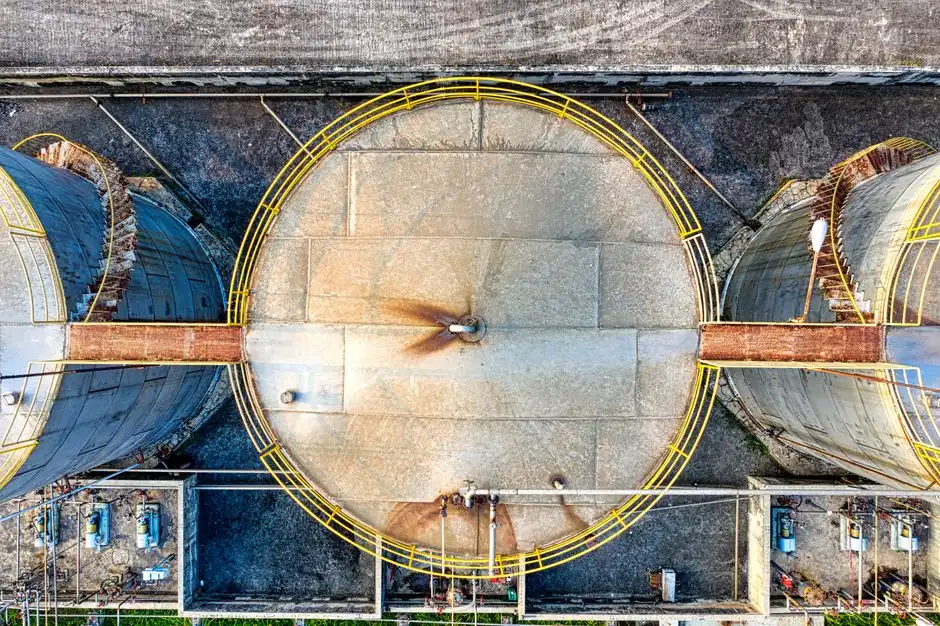
The treatment train should remove pollutants in an order that protects downstream biology, equipment and reuse requirements. DAF is normally placed after collection, equalization and applicable solids or grit control, and before biological treatment when floating oil, grease or settleable solids could interfere with aeration, biological activity or downstream equipment.
- Collection and segregation of process streams, followed by screening or grit control where needed.
- Equalization, with pH adjustment where the effluent and selected treatment chemistry require it.
- DAF for the removable oil-and-solids fraction, using coagulant or flocculant only where testing supports it.
- Biological treatment for the remaining biodegradable load, where required by the analysis and treatment objective.
- Secondary clarification, followed by filtration and disinfection as required by the discharge or reuse specification.
- Reuse or disposal, with sludge withdrawal and dewatering added where the factory generates a significant settled or floated waste stream.
Chemical dosing should follow jar or pilot testing. A Surat IndiaMART listing for an automatic dissolved air flotation system specifies an MS epoxy-coated tank, while other local listings use FRP, mild steel or stainless steel; dir.indiamart.com, September 29, 2026. Material selection should reflect effluent chemistry, operating temperature, corrosion exposure and the maintenance regime, rather than treating the catalogue material label as a complete compatibility assessment.
Use an automatic chemical dosing system where reliable dosing of coagulants, flocculants or pH adjusters is required. Specify tank capacity, metering range, control method, duty cycle, bunding and operator interface. Automatic dosing does not remove the need to establish chemical type and dose through effluent testing.
Where substantial settled or floated solids are generated, define the sludge path before accepting the DAF quotation. A plate-and-frame filter press may be included where the selected dewatering route suits the sludge characteristics, but the enquiry should also address collection, conditioning, storage, cake handling and final disposal.
Size the DAF from Peak Demand and Solids Load
The selected DAF must handle the factory’s peak hydraulic and solids demand, including batch discharges; a nominal daily capacity is not a sufficient design basis. The IndiaMART Surat directory shows rectangular DAF equipment offered from 5–200 m³/h, as well as larger 500 m³/h systems, according to dir.indiamart.com, September 29, 2026. These listings demonstrate local configuration availability, not a universal sizing rule.
| Sizing check | Information required | Quotation requirement |
|---|---|---|
| Hydraulic peak | Peak flow, operating hours and batch-discharge profile | Design flow and stated operating duty |
| Solids peak | TSS and oil-and-grease loading under representative conditions | Solids-handling basis, skimming or sludge-removal arrangement and any duty limitation |
| Equipment configuration | Recycle, saturation and solids-contact requirements | Selected model and all operating assumptions |
| Future demand | Production expansion and reuse plan | Stated treatment objectives, operating hours and peak-load basis |
Two Surat examples illustrate why configuration matters. One 75 m³/h rectangular DAF uses a mild-steel tank and dissolved-air pump, while another 75 m³/h unit uses FRP and a recycle pump; both were listed by dir.indiamart.com, September 29, 2026. The quotation should identify automatic skimming, recycle-pump arrangement, saturation method and solids-contact configuration, then explain how each supports the selected operating mode.
HydropureWater’s DAF range covers 4–300 m³/h across 13 standard models, according to the supplied product research for 2026. The appropriate model still depends on the factory’s measured peak flow, solids loading and process configuration.
Require the supplier to state the design flow, operating hours, peak-load basis, selected model and any duty limitation in the quotation. If those fields are absent, the buyer cannot determine whether the offered equipment is merely a catalogue model or a defined application.
Compare Surat DAF and ETP Configurations
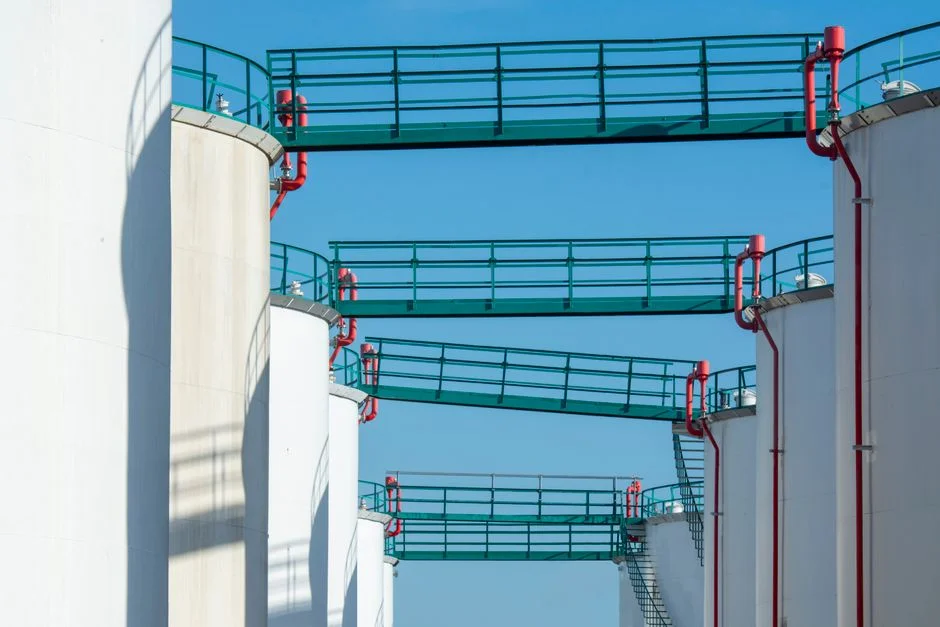
DAF configurations differ in physical arrangement and operating method, so the comparison should extend beyond flow capacity. Rectangular, horizontal-flow, lamella, packaged and solids-contact units must be assessed against available footprint, inlet arrangement, access, maintenance requirements and the way the factory will operate them.
A Surat listing for a 100 KLD pharmaceutical lamella ETP/DAF plant describes the plant as semi-automatic, while other local listings offer automatic DAF systems; dir.indiamart.com, September 29, 2026. Automation should be compared through staffing requirements, operating consistency, controls, alarm handling and local service support—not by label alone.
| Configuration | Procurement focus | Questions to resolve |
|---|---|---|
| Rectangular DAF | Tank arrangement, recycle system, skimming and access | Does the inlet, bridge or access arrangement suit the available footprint and maintenance plan? |
| Horizontal-flow DAF | Hydraulic path, solids separation and structural access | Are inlet arrangement, removal provisions and local service support adequate? |
| Lamella ETP/DAF | Clarification package and downstream treatment | Which biological, filtration and disinfection duties are included? |
| Packaged DAF | Factory-built skid, connections and civil interface | What foundations, piping, electricals and installation work remain with the buyer? |
| Solids-contact DAF | Contact zone, recycle and sludge handling | Does the configuration suit the expected solids character and peak load? |
Materials listed in the local directory include mild steel, MS epoxy-coated construction, FRP and stainless steel. The appropriate choice depends on the wastewater chemistry and maintenance exposure. The DAF oil-water separator guide provides a useful process-selection reference, but supplier comparisons should use the factory’s actual analysis.
Include downstream equipment in every comparison. A lower-cost DAF may be adequate as pretreatment but cannot satisfy reuse or final-discharge requirements without biological treatment, filtration, disinfection or further concentration where the analysis shows those duties are necessary.
Check Performance, Installation and Lifecycle Costs
Comparable quotations must state performance, installation scope and lifecycle obligations, because the lowest equipment price does not describe the complete treatment investment. Request a representative-effluent performance test or a clearly defined guarantee for the pollutants that drive the design.
Ask each supplier to identify skid dimensions, civil-work requirements, utilities, installation scope, commissioning, operator training, controls, spare parts and local service availability. A complete comparison should establish whether equalization, pH control, chemical dosing, sludge withdrawal, solids handling, filtration, disinfection and disposal are included or separately priced.
Lifecycle review should cover recycle-pump power, compressed air, chemical consumption, skimming, inspection, maintenance and sludge disposal. The DAF maintenance cost breakdown can structure that review, but operating cost estimates should use the supplier’s proposed equipment and the factory’s measured loads.
Require the quotation to separate equipment, civil works, piping, electricals, controls, commissioning, taxes, freight and ongoing services. It should also identify exclusions and the basis of any performance guarantee. This avoids comparing a complete ETP with a DAF skid priced only for the flotation package.
Ask Questions Before Approving the Supplier
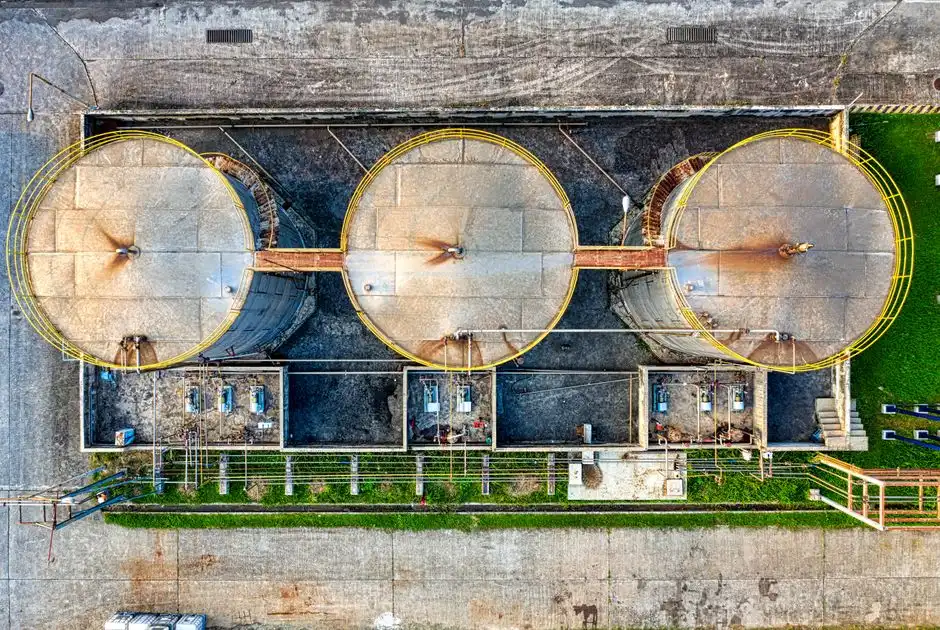
A technically credible supplier should respond to the factory’s wastewater analysis with a written process proposal, not a catalogue recommendation based only on flow. Send the same core information to every bidder so their scope, performance criteria and commercial assumptions can be compared.
Request the selected equipment model, design flow, operating hours, peak-load basis, materials, controls and included ancillaries. For a complete ETP, add the process flow, treatment stages, chemical consumption assumptions, sludge-handling route and reuse or discharge objectives.
Ask for representative performance data, installation requirements, commissioning tests, operator training, warranty and local service coverage. The supplier should also explain how the proposed system will handle pH variation, slug loads, emulsified oil, excessive solids, odor and sludge removal. Where these conditions are outside the design envelope, request a defined operating response rather than a general statement that the unit is suitable.
Include operator training, maintenance procedures, critical spares and emergency support in the commercial comparison. A proposal that is technically clear but leaves commissioning responsibility, service response or consumables undefined should not be approved on equipment price alone.
Frequently Asked Questions
How do I determine the right DAF or ETP capacity for a Surat factory?
Establish peak flow and peak solids load through wastewater testing and operating data. A nominal daily figure is not enough because batch discharges, cleaning operations and production changes can alter hydraulic and solids duty. Require the quotation to state the design flow, operating hours, peak-load basis, selected model and any duty limitation.
How should I select a DAF or ETP supplier in Surat?
Require a written process proposal tied to the factory’s wastewater analysis. It should define treatment scope, selected equipment, materials, controls, performance criteria, installation details, commissioning, training, warranty and local service support. Use the best DAF unit decision framework to compare responses consistently.
What should the quotation include when comparing DAF and ETP costs?
Separate the DAF price from the complete ETP scope. Ask each supplier to identify civil works, piping, electricals, controls, chemicals, utilities, sludge handling, commissioning, taxes, freight and operating services. This reveals whether a lower DAF quotation merely excludes the downstream treatment needed for reuse or final discharge.
What determines industrial wastewater compliance for the factory?
The chosen treatment train must be based on the discharge destination, applicable consent conditions and the factory’s current wastewater analysis. A supplier’s generic performance claim does not establish compliance for the site. Include the relevant discharge requirements, current analysis and proposed performance acceptance criteria in the technical enquiry and contract review.
Related Equipment
- industrial DAF system — specifications, capacity range, and technical data