What Denim Washing Wastewater Needs Before an MBR
An MBR can be part of a denim washing wastewater treatment train, but it should not be the first treatment stage. Denim wastewater generally needs source control, equalization, and removal of suspended or colloidal material before biological treatment and membrane separation. In a microfiltration MBR study for textile dyeing wastewater, microfiltration retained 100% of indigo blue dye for recovery from the concentrate stream and promoted 100% colour removal, while COD and conductivity fell by about 65% and 25%, respectively, according to Environmental Technology. These results support an MF-MBR route when dye recovery and reuse matter, but final selection depends on wastewater characterization, fouling behavior, concentrate management, flow, and reuse requirements.
Denim washing wastewater is not a fixed recipe. It may contain residual indigo and other dyes, surfactants, sizing or finishing chemicals, suspended solids, colloids, wash-water salts and variable pH. A buyer should request analysis across the production cycle rather than extrapolate from one sample or one washing campaign.
Before fixing hydraulic and biological loading, characterize flow, COD, BOD, suspended solids, colour, pH, conductivity, temperature and relevant toxicity or inhibition indicators. COD alone does not show how much of the load is biodegradable. Obtain COD/BOD data, biodegradability information and treatment-response data before assigning the biological stage.
Evaluate source segregation, equalization and solids removal upstream. Screening can protect downstream equipment from fibers and grit. Rotary mechanical bar screening may be considered where the waste stream contains persistent fiber material, while DAF pretreatment for textile wastewater should be assessed against the actual suspended-solids, oil and colloid profile.
A Facebook denim-washing case describes DAF, an integrated AAO system and filtration preceding stable operation meeting required discharge standards. The source provides no flow, load or performance values, so it is a process example rather than a sizing basis.
| Design input | Why it matters before MBR selection | Evidence required |
|---|---|---|
| Flow and operating profile | Defines equalization, biological and membrane capacity | Measured flow series across production and washing cycles |
| COD and BOD | Establishes organic loading and the need to demonstrate biodegradability | Representative laboratory and pilot results |
| Suspended solids, colour and pH | Identifies membrane foulants and biological treatment constraints | Characterization linked to each production stream |
| Conductivity and temperature | Affects biological response and membrane operation | Site-specific measurements and operating ranges |
| Toxicity or inhibition indicators | Tests whether biological treatment can acclimatise | Relevant compound or bioassay analysis |
How the Denim Wastewater Treatment Process Flow Works
The membrane stage should follow a treatment sequence that removes material capable of blinding membranes or overloading the biological process. A defensible route is collection and source control, equalization, screening and solids removal, DAF or another suitable pretreatment, biological treatment, membrane separation, optional disinfection or RO/UF polishing, and then reuse or permitted discharge.
Equalization stabilizes flow, concentration and pH before biological treatment. Screening removes fibers and coarse material. DAF or another solids-removal stage can reduce the suspended load entering the membrane system. Biological treatment then removes biodegradable organics; membrane separation retains biomass and separates solids from the treated liquid. An MBR does not remove the need for biologically compatible treatment.
The biological stage should address COD biodegradability rather than simply maximizing COD removal. The Environmental Technology study reported that MF improved wastewater biodegradability in the investigated textile-dyeing process. That supports combining membrane separation with biological treatment, but it does not establish that every denim washing stream will achieve the same response.
Where indigo recovery is a project objective, the MF stage becomes more than a solids separator. Environmental Technology reported 100% indigo blue dye retention by the MF membrane, allowing recovery from the concentrate stream, and 100% colour removal in the investigated process. That creates a distinct project route: a concentrate stream for dye recovery and a biologically improved filtrate for reuse or further treatment.
Add a downstream barrier only where the reuse specification requires it. The integrated MBR wastewater treatment system is described in the HydropureWater product catalog as providing near-reuse-quality effluent with filtration below 1 μm. That catalog claim does not establish suitability for a specific reuse application; salts, residual colour, trace contaminants, microbiological quality and process requirements still need to be checked against the intended use.
| Process step | Primary function | Decision to verify |
|---|---|---|
| Source control and equalization | Stabilizes flow, load and pH | Can incompatible wash streams be segregated? |
| Screening and solids removal | Removes fibers, grit and suspended material | Which contaminants create the dominant fouling load? |
| DAF or equivalent pretreatment | Reduces material that could foul membranes | Does removal performance match the measured solids profile? |
| Biological treatment | Reduces biodegradable organics | Is the residual load sufficiently biodegradable? |
| Integrated MBR or MF-MBR | Retains biomass and separates solids | Is dye recovery needed, and how will concentrate be handled? |
| Optional UF, RO or disinfection | Provides a defined reuse barrier | Which contaminants and quality criteria remain? |
What the MF-MBR Research Proves for Denim-Type Wastewater
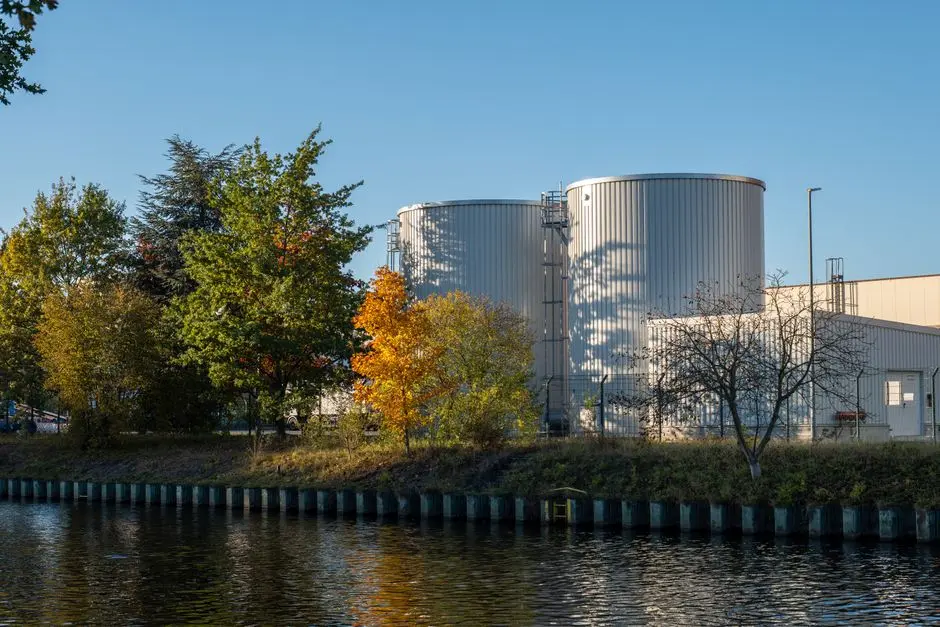
Environmental Technology demonstrated a microfiltration–membrane bioreactor hybrid for textile dyeing process-water reclamation, with complete indigo retention, complete colour removal and material COD and conductivity reductions. These are study results, not universal plant guarantees.
The reported findings were 100% retention of indigo blue dye by the MF membrane, 100% colour removal, approximately 65% COD reduction and approximately 25% conductivity reduction, according to Environmental Technology’s study, Hybrid MF and membrane bioreactor process applied towards water and indigo reuse from denim textile wastewater. The scope was a textile dyeing process-wastewater reclamation route using an MF-MBR hybrid; it was not a survey of every denim washing installation.
The operational mechanism matters for equipment selection. Indigo was retained by the MF membrane and could be recovered from the concentrate stream, while MF improved the wastewater’s biodegradability. A conventional MBR arrangement may separate biomass and solids, but it does not automatically create a dedicated indigo-recovery concentrate with the same demonstrated recovery mechanism.
MF flux decline was mainly attributed to concentration polarization in the study, and chemical cleaning was effective enough to recover initial performance. That finding identifies an important operating mechanism, but it should not be interpreted as proof of long-term commercial membrane life. In 2024, a Bioresource Technology mini critical review described membrane fouling as a persistent MBR challenge and evaluated microalgae-assisted control as a promising but developing research area, not established commercial practice.
Commercial guarantees therefore require wastewater-specific testing. Membrane material, wastewater composition, biological loading, operating conditions and cleaning protocols all affect performance. Pilot work should use representative denim washing wastewater and include membrane-flux trends, concentrate quality, chemical consumption and recovery performance rather than relying only on final COD and colour values.
| Study result | Reported finding | What it supports | What it does not establish |
|---|---|---|---|
| Indigo blue dye | 100% MF retention | A concentrate-based recovery route | Recovery value or purity at commercial scale |
| Colour | 100% colour removal | Feasibility of MF-assisted colour separation | Universal performance across all denim streams |
| COD | Approximately 65% reduction | Combined biological and membrane treatment potential | A guaranteed site outlet limit |
| Conductivity | Approximately 25% reduction | Partial salt reduction in the investigated process | Complete desalination or suitability for every reuse |
| Flux decline | Mainly concentration polarization; chemical cleaning recovered initial performance | Cleaning and flux-monitoring requirements | Long-term membrane life under a different wastewater |
Integrated MBR or MF-MBR Hybrid for Denim Wastewater
The route should be selected by the required outcome: use an integrated MBR for biological treatment and solids separation, and consider an MF-MBR hybrid when indigo recovery or a controlled concentrate stream is central to the project.
An integrated MBR combines the biological reactor and membrane separation in one treatment arrangement. It is appropriate where the objective is biological treatment, biomass retention and solids separation in a compact installation. The HydropureWater catalog describes its integrated MBR as combining activated sludge treatment with submerged PVDF membrane filtration, offering a 60% smaller footprint than conventional systems and serving projects from 10 to 2,000 m³/day. Those are catalog specifications, not project-specific performance guarantees.
An MF-MBR hybrid is more relevant when retaining indigo for recovery is central to the business case. The Environmental Technology study demonstrates the underlying separation principle: MF retained the dye in the concentrate stream while producing colour-removed filtrate. The additional equipment, controls and concentrate-management obligations must be weighed against the value and usability of the recovered indigo.
The comparison is therefore operational, not simply modular. An integrated MBR reduces process complexity around the membrane stage. An MF-MBR hybrid adds an explicit concentrate route and the associated solids, chemical recovery, returned-liquor and disposal decisions. Neither route should be selected from nominal capacity alone.
| Decision point | Integrated MBR | MF-MBR hybrid |
|---|---|---|
| Primary objective | Biological treatment plus solids and biomass separation | Biologically improved filtrate plus a potential dye-recovery concentrate |
| Dye recovery | Not inherently demonstrated | Supported in principle by Environmental Technology’s indigo-retention study |
| Plant complexity | Fewer explicit recovery-stage decisions | Additional equipment, controls and concentrate handling |
| Best fit | Discharge or reuse objectives not dependent on dye recovery | Projects where recovered indigo has a defined route to use or value |
| Required proof | Site-specific biological and membrane performance | Site-specific retention, concentrate quality, flux and recovery economics |
Control Fouling Without Losing Membrane Performance
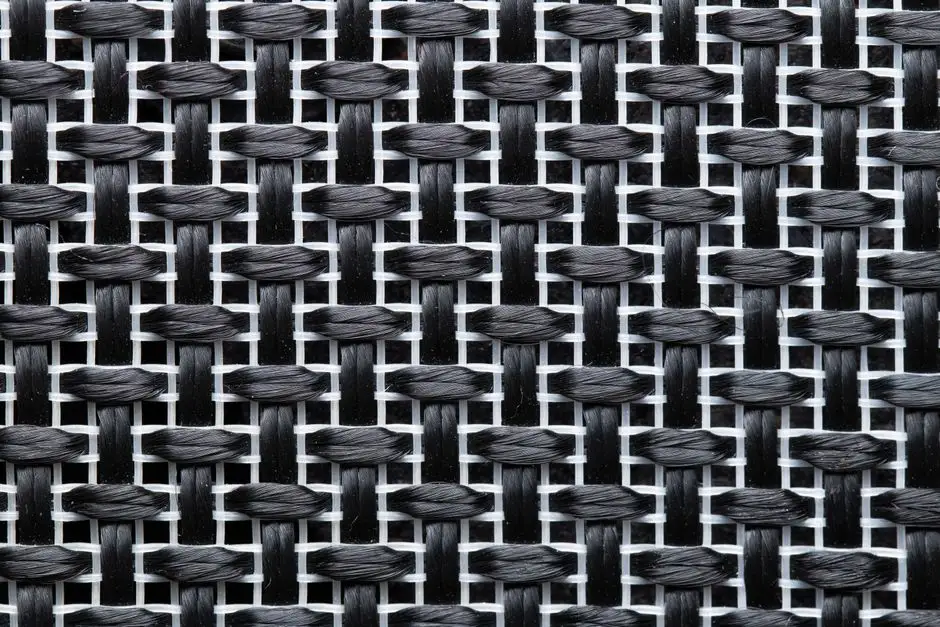
Fouling control must combine pretreatment, membrane selection, biological conditioning, aeration, monitoring and cleaning. Pretreatment is the first protection layer because fibers, oil, colloids and suspended solids can obstruct membrane surfaces or create a persistent cake layer.
Design screening, equalization and DAF around measured loadings rather than generic descriptions. A DAF pretreatment for textile wastewater should demonstrate the required solids-removal duty with the actual wastewater, including the effect of variable wash cycles. Biological conditioning should also be evaluated where it reduces the membrane-received solids load. The engineering guide to improving COD removal before membrane separation is useful for that boundary, but COD removal and membrane protection are not interchangeable objectives.
In the Environmental Technology MF-MBR study, flux decline was mainly attributed to concentration polarization, and chemical cleaning recovered initial performance. In the 2024 Bioresource Technology mini critical review, membrane fouling was identified as a persistent MBR challenge; microalgae-assisted control was reviewed as a promising research direction. It should not be presented as a standard commercial fouling-control measure.
Require each supplier to define membrane material, pore size, aeration strategy, normalized-flux reporting, cleaning chemistry and frequency, backwash or integrity controls, spare-module strategy and alarm setpoints. The commercial offer should also distinguish routine cleaning from recovery of persistent fouling. Flux decline data should be tied to membrane condition, operating time and wastewater characteristics, because an average flux value without its reporting basis is not a useful comparison.
Size, Specify, and Buy an MBR System with Confidence
A commercial MBR system should be sized from verified site data and performance boundaries, not from a generic tank recommendation or a catalogue flow range. The HydropureWater product catalog identifies applications from 10 to 2,000 m³/day, but those are supplier-stated project ranges rather than evidence of a suitable loading for any denim facility.
Provide measured average flow, peak flow, minimum flow, COD and BOD loads, suspended-solids profile, temperature, reuse rate and expected operating availability. Define the required solids-removal performance and whether flow is batch, continuous or intermittent. Pilot testing should use representative production wastewater, including the variability that matters to membrane loading.
Ask the supplier to state whether each performance figure comes from laboratory testing, pilot work or full-scale operation. Require the tested wastewater, membrane configuration, reporting boundary and operating conditions to be identified. A claimed COD reduction or colour removal without that context is not a transferable guarantee.
Commercial guarantees should address flux behavior, cleaning intervals, membrane life, product quality, availability, spare parts, controls, installation, commissioning and remote support. A guarantee should also state the consequences of failure and distinguish membrane replacement from consumable or chemical costs.
For reuse, state the complete objective. Permitted discharge, industrial process-water reuse and higher-grade reuse require different quality barriers and polishing. The HydropureWater catalogue describes the integrated MBR as suitable for industrial process-water and water-reuse projects, but the final reuse specification must be set by the receiving process and applicable requirements.
Compare quotations on total installed scope, not just the membrane skid. Include pretreatment, biological equipment, sludge or concentrate handling, chemical storage, sludge dewatering, utilities, controls, installation, training, operator time and support. An plate-and-frame filter press may be relevant where dewatering forms part of the residual-solids route, but its inclusion should follow the selected process and waste characteristics.
| Procurement check | Evidence or contract information required |
|---|---|
| Sizing basis | Verified flow, load, temperature, reuse rate, operating profile and availability |
| Performance evidence | Wastewater tested, test scale, reporting boundary and operating conditions |
| Recovery route | Indigo retention, concentrate quality, recovery method and destination |
| Fouling control | Flux trend, pretreatment duty, aeration, cleaning protocol and alarm setpoints |
| Commercial guarantee | Flux, cleaning interval, membrane life, effluent quality and failure remedies |
| Total scope | Pretreatment, residuals, chemicals, utilities, controls, commissioning, training and support |
Frequently Asked Questions
Is an MBR suitable for denim washing wastewater?
An MBR is most credible when the wastewater is biologically treatable and upstream solids control can protect the membrane. For dye recovery, the Environmental Technology study found 100% indigo retention, 100% colour removal, approximately 65% COD reduction and approximately 25% conductivity reduction in an MF-MBR textile-dyeing process. Site testing remains necessary because production streams, membrane design and operating conditions differ.
How should an MBR system be sized for a denim facility?
Size from verified average and peak flow, COD and BOD loads, suspended solids, temperature, reuse rate, operating availability and the required membrane-separation duty. Do not select a system from nominal capacity alone. The buyer should request pilot data from representative wastewater, including flux trends and concentrate behaviour, before finalizing the biological and membrane areas.
Which supplier and evidence should a buyer check before awarding the contract?
Check application evidence, wastewater-specific testing, performance-reporting boundaries and commercial guarantees. Ask whether each figure came from laboratory work, pilot operation or full-scale operation, and require details of membrane material, pretreatment, aeration, cleaning, controls, spare parts and service scope. The MF-MBR concentrate and any recovered indigo also need a documented destination.
What should a buyer request when comparing MBR cost per cubic metre?
Use the MBR cost per m3 guide to structure the comparison, but request a site-specific quotation because the supplied evidence does not establish a universal denim treatment cost. The quotation should separate equipment, membranes, pretreatment, biological treatment, sludge or concentrate handling, chemicals, energy, installation and lifecycle replacements, and state the flow, load, reuse objective and guarantee assumptions.