
Start with the development’s wastewater duty
The best packaged sewage treatment plant for a Jaipur housing development is selected from verified daily sewage flow, peak demand and future occupancy—not from the number of homes alone. A buried A/O package is the first option to assess where surface land is limited and conventional non-potable reuse is sufficient; an MBR becomes stronger where footprint or filtration below 1 μm governs. The supplier must then demonstrate that the proposed plant matches the collection system, reuse route, sludge route, local approvals and total installed scope. The underground WSZ sewage treatment package is a useful benchmark for that verification.
Give the bidder a design-basis schedule rather than a shopping list. It should identify the current and final development phases, domestic wastewater generated by kitchens, bathrooms, toilets and laundry areas, the expected occupancy profile, the collection-system arrangement and any pumping requirement. Ask whether the quoted number represents average daily flow or peak-hour treatment capacity. A quotation expressed only as “STP capacity KLD” is not enough: the proposal should show how average flow, peak factor, hydraulic retention, organic load and selected module capacity were calculated.
Wastewater characteristics matter as much as volume. Separate normal domestic discharge from unusually concentrated kitchen, laundry or commercial streams, and identify where solids, grease and grit will enter the sewer. Check pipe slopes, lifting points and whether the housing sewer is separate from stormwater. Equalization, inlet screening, grit management and odour control should appear in the process drawings where the duty requires them.
Size for the final occupied phase, even if the first phase is smaller. That does not mean installing every future module immediately; it means preserving space, connection points and hydraulic capacity for a staged expansion. Before asking for a process proposal, define the outlet: environment discharge, landscaping, toilet flushing, cooling or a more demanding reuse application. Processes review by Processes confirms that wastewater treatment removes contaminants before discharge, while further treatment or polishing can make water suitable for reuse.
| Procurement input | Information the bidder must show | Buyer check |
|---|---|---|
| Development duty | Current and final daily flow, peak-hour flow and occupancy growth | Does the selected unit cover both phases? |
| Wastewater profile | Domestic generation, solids, grease and abnormal kitchen or laundry loads | Are pretreatment and inlet works addressed? |
| Collection system | Gravity or pumped arrangement, lift requirements, inlet and outlet invert levels | Are pumping losses included in the design? |
| Final use | Discharge point, reuse application and required treated-effluent objective | Is any polishing step clearly identified? |
Compare WSZ, MBR and modular alternatives
The WSZ and MBR configurations are not interchangeable catalogue items because they solve different land, process and reuse constraints. The underground WSZ sewage treatment package combines anoxic/aerobic contact oxidation, sedimentation and disinfection in one buried unit, handles 1–80 m³/h and is fully automated without an operator according to the WSZ product catalog. Its compact installation can preserve surface area for landscaping, while a trailer-mounted configuration provides mobile deployment.
The MBR membrane bioreactor alternative combines activated sludge with submerged PVDF membrane filtration, handles 10–2,000 m³/day and provides filtration below 1 μm. The MBR catalog states a 60% smaller footprint than conventional systems. That makes it a stronger candidate where available land is the overriding constraint or the reuse specification calls for a defined membrane barrier. The lifecycle review must nevertheless include membrane replacement, aeration energy, controls, cleaning and sludge handling.
Modular alternatives widen the procurement choice. Aman Water Tech’s packaged range extends from 5 KLD to 5000 KLD, with module or civil-structure formats and the option to add modules as demand changes. This can suit a phased housing estate, but catalogue range is not a design basis: the selected combination must match hydraulic and organic duty. Its source also identifies dual screens, customised aeration, manual and automatic modes, monitoring systems, polishing and long desludging periods, which should be listed as included or excluded rather than assumed as standard.
SUSBIO’s September 2024 presentation describes a compact prefabricated package using combined biological and physical treatment for urban and real-estate applications. That supports modular procurement in principle, but it does not replace project-specific process design. The academic treatment sequence remains clear: biological and physical contaminant removal first, then discharge, recycling or additional polishing according to the intended use.
| Decision point | WSZ buried A/O package | MBR | Modular or staged train |
|---|---|---|---|
| Catalog range | 1–80 m³/h | 10–2,000 m³/day | Aman Water Tech: 5–5000 KLD |
| Treatment sequence | Anoxic/aerobic contact oxidation, sedimentation and disinfection | Activated sludge with submerged PVDF membrane filtration | Must be defined for the supplied module combination |
| Land position | Buried installation preserves surface area | Catalog states 60% smaller footprint than conventional systems | Can be packaged or provided in civil structures |
| Distinctive condition | Conventional non-potable reuse or approved discharge | Footprint pressure or filtration below 1 μm | Expansion or relocation required |
Select a process that matches land, reuse and operating priorities
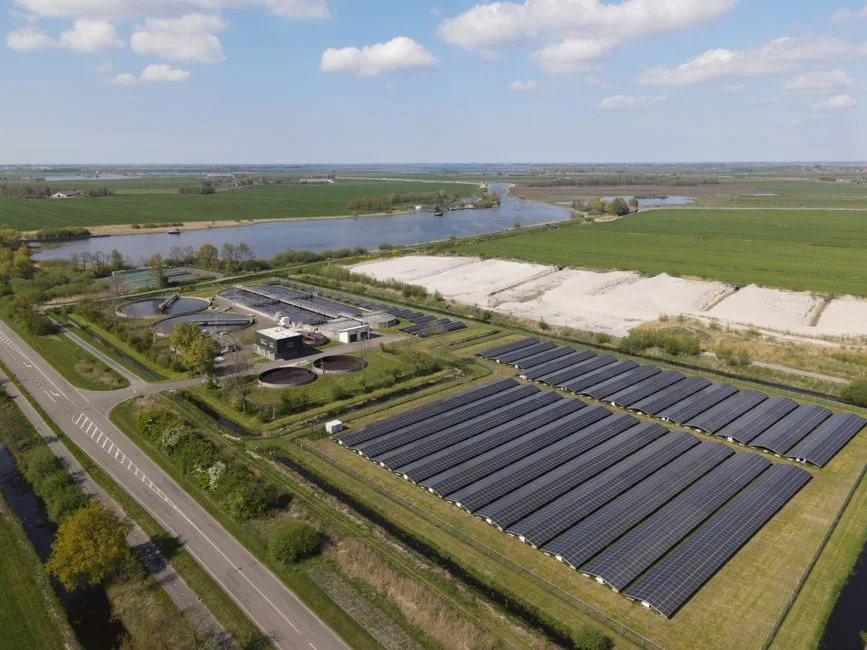
A below-grade decentralized sewage treatment system is the logical first comparison when surface area is limited and the treatment objective is domestic wastewater treatment followed by approved discharge or conventional non-potable reuse. Its process sequence should still be checked against the actual wastewater profile. If kitchen grease, laundry peaks or high organic loading are present, the inlet and biological design may need more than a generic residential package.
Move to MBR when site footprint dominates the decision, the tender specifies filtration below 1 μm, or the reuse target requires a more advanced membrane barrier. Do not assume that filtration alone establishes fitness for the intended use. The supplier must define the complete treatment train, including biological treatment, membrane treatment, disinfection where required, sludge withdrawal, reuse storage and any additional polishing.
Aman Water Tech states that tertiary treatment can recover water after biological treatment for gardening, flushing and other utilities. Those are possible reuse categories, not blanket permission to reuse the final effluent. Confirm the required quality, point of use, exposure controls, storage arrangement and permitted application with the relevant authorities. The MBR membrane bioreactor alternative should therefore be evaluated against a written reuse specification rather than a general promise of reusable water.
UF, RO and potable-water disinfection equipment should not be used as the primary domestic sewage treatment process. A system such as the UF water treatment system belongs in a polishing or reuse train where the project specification requires it, after the relevant sewage treatment stages. For a phased estate, request an expansion concept showing how additional modules would connect hydraulically and what footprint, controls and utilities they would require. Aman Water Tech notes that modules can be added, repackaged, transported and reinstalled, but compatibility remains a supplier-design issue.
Use this decision sequence:
- If surface land is limited and the use is approved discharge or conventional non-potable reuse, assess the buried A/O package first.
- If footprint is decisive or the specification requires filtration below 1 μm, assess MBR with the complete reuse train priced.
- If occupancy will rise in phases, require a staged module and expansion design.
- If the intended use needs further purification, identify the polishing step separately from the primary STP.
Size the system and verify the supplier’s calculations
A defensible size follows a traceable process flow: inlet works and screening, equalization where provided, biological treatment, sedimentation, disinfection, polishing, reuse or discharge, and sludge withdrawal. Each stage should have a stated function. This prevents a secondary treatment claim from being confused with a complete route to the required outlet, and it exposes whether pretreatment, equalization or sludge handling has been left outside the package.
Require the capacity table to identify design flow, peak flow, hydraulic retention assumptions, organic loading basis, treated-effluent objectives and the selected module combination. Also require a process and instrumentation diagram, hydraulic calculations, general arrangement, civil details and a list of exclusions. For a phased estate, show both the installed duty and the future expansion basis. A catalog range is only a screening filter: the WSZ range of 1–80 m³/h and MBR range of 10–2,000 m³/day must be reconciled with the calculated project load, not treated as project capacities.
Check material construction against installation conditions. Aman Water Tech identifies MS epoxy-coated, stainless-steel and FRP as possible constructions, but suitability depends on the proposed design, corrosion exposure, burial depth and groundwater or soil conditions. The bidder should state the selected material for each relevant component rather than offer a generic material list.
Installation information is part of the technical offer. Request invert levels, access covers, vent locations, odour controls, bypass provisions, lifting points, power requirements, control-panel details, noise information and maintenance access. Include a method for removing a failed module, withdrawing sludge and keeping personnel safe where the plant is below landscaped ground. Supplier warranties should be matched to the actual buried or above-ground installation rather than copied into the quotation without review.
| Calculation or drawing to obtain | What it must resolve | Acceptance check |
|---|---|---|
| Design-flow and load calculation | Average flow, peak flow, retention and organic duty | Inputs agree with the approved development schedule |
| Process flow | Every treatment, reuse and sludge stage | No unexplained gap between inlet and final outlet |
| Capacity and module table | Installed unit, duty and future expansion | Within the manufacturer’s stated range and supported by calculation |
| GA and installation drawings | Invert levels, access, vents, utilities and bypass | Compatible with the site survey and collection system |
| Material schedule | Construction of buried and exposed components | Specified for the actual soil and installation conditions |
Price the full installed STP scope
The supplied residential STP market article gives a broad Indian residential market range of ₹1 lakh to ₹25 lakh, but that band is not a Jaipur project quotation. The same source identifies capacity, technology, material quality and durability, transport, land availability, piping, civil work and automation as cost drivers. Obtain a quotation against the verified design basis and an installation scope; otherwise, the published range is not comparable between suppliers.
Ask every bidder to separate the treatment package from inlet and outlet piping, collection-system interfaces, civil works, electrical supply, control systems, installation, commissioning, performance testing, training, initial spares, annual maintenance and sludge handling. A package price that excludes a lift station, buried pipework or civil construction is not the installed STP investment. Likewise, confirm whether sludge removal, disposal, testing and reagent use are included in the annual maintenance price.
Manual and automatic operation should be compared against the estate’s operating model. The residential STP market article states that manual systems cost less initially but need more manpower, while automated or IoT-based systems have higher initial costs but can reduce operating requirements. Do not convert that statement into an assumed saving: request the control scope, attended visits, remote monitoring, alarm handling, consumables and site-specific operating labour.
Request a five-year operating-cost view covering aeration, pumping, electricity, chemicals where used, inspections, desludging, spare parts and effluent monitoring. The supplied residential market article also contains guidance on packaged STP selection for North Indian housing developments, but its cost information should be used only as a broad market reference until a Jaipur quotation defines the same scope.
| Quotation line | Require clarification | Cost treatment |
|---|---|---|
| Treatment package | Capacity, process, materials, controls and included accessories | One like-for-like equipment comparison |
| Balance of plant | Piping, pumps, civil work, electricals, odour control and bypass | Separate installed-works subtotal |
| Commissioning and handover | Testing, training, documentation, spares and warranty | Include before price comparison |
| Annual maintenance | Visit frequency, monitoring, sludge removal, spares and response time | Identify recurring and excluded costs |
| Five-year operation | Energy, chemicals, sludge disposal, inspections and monitoring | Present separately from capital cost |
Plan approvals, reuse and lifetime operations
Confirm the current approval route and discharge destination with the relevant Rajasthan and Jaipur authorities. The supplied residential STP market article refers to CPCB and State Pollution Control Board requirements and reports a more-than-20-KLD threshold for residential and commercial complexes, but that threshold needs local confirmation. Do not base the compliance path on a vendor statement alone; obtain the applicable requirement in writing and map it to the proposed discharge, reuse arrangement and documents required for the development.
Define reuse before commissioning. Aman Water Tech identifies gardening, flushing and other utilities as possible uses after tertiary treatment, while the residential market article also lists gardening, flushing, cooling systems and landscaping among treated-water uses. These references do not establish which application is approved for a particular Jaipur site. Require the supplier to state the treatment objective, proposed reuse point, operating control, storage and monitoring required for that use, and obtain confirmation from the relevant authority.
Assign lifetime responsibility clearly. The annual maintenance contract should cover daily inspection, aeration, pumps, controls, sampling, desludging, odour control, spare parts and emergency bypasses, with defined frequencies and response procedures. The residential STP market article refers to monthly inspections, cleaning and AMC support; confirm the actual frequency and task list in the project O&M plan rather than treating monthly attendance as a complete operating specification.
Provide safe access for sludge collection and disposal, washdown activities and personnel, particularly where the unit is buried beneath landscaping. Check the collection route for spills, traffic loading, odour and any conflict with future construction. The supply contract should also allocate performance testing, operator training, spare-parts availability, effluent monitoring, record keeping and responsibility for equipment failure.
Finally, test the operating assumptions before handover. Confirm power, backup arrangements, control logic, alarm response, sludge removal and emergency bypass operation. A packaged plant may be fully automated, but the supplied Aman Water Tech specification also identifies manual operating mode, reinforcing the need for a trained operating plan. These are the points where a technically sound selection can still fail after installation.
Frequently Asked Questions
How much does a packaged sewage treatment plant cost for a Jaipur housing development?
The supplied residential STP market article gives a broad range of ₹1 lakh to ₹25 lakh for residential systems in India. That is not an installed Jaipur price. Request a project quotation separating the treatment package, piping, civil work, electricals, installation, commissioning, training, maintenance and sludge handling, together with a five-year operating-cost estimate.
Should a Jaipur housing project choose WSZ or MBR?
Evaluate WSZ first where a compact below-grade A/O, sedimentation and disinfection package meets the verified duty, land constraints and conventional non-potable reuse objective. Choose MBR as the stronger candidate where footprint, filtration below 1 μm or a more advanced reuse barrier is decisive. Require lifecycle pricing for membrane replacement, aeration, controls and maintenance.
How is an STP sized for a housing development?
Give the bidder verified daily sewage flow, peak-hour demand, projected occupancy growth, wastewater characteristics, collection-system details, available land, reuse requirements and discharge route. The supplier should then show the calculations, state whether each capacity figure is average or peak duty, and identify the selected module combination and future expansion basis.
Which supplier questions reduce compliance and procurement risk?
Ask for current local approval requirements, the complete design basis, civil and installation scope, included automation, commissioning and performance tests, maintenance tasks, sludge route, effluent monitoring, training and spares. Also request approval documents, product literature, reference projects and contractual responsibility for non-performance; exclude unsupported claims of compliance.
Can a packaged sewage treatment plant be expanded as the development grows?
The supplied Aman Water Tech source states that modular packages can accept additional modules and can be repackaged, transported and reinstalled. Request a phased expansion drawing, but require the supplier to confirm hydraulic capacity, process loading, controls, piping connections and footprint compatibility. Expansion must preserve the final outlet and reuse objectives.