Choose DAF, an ETP, or a Combined Treatment Train
An Athens factory should choose a DAF system when the main treatment objective is removing oil and grease, FOG, suspended solids, colloids, or emulsified material before biological or reuse treatment. DAF uses pressurized water and micro-bubbles, usually 10–100 microns in diameter, to lift contaminants for skimming. A full ETP is more appropriate when wastewater also requires biological treatment, filtration, disinfection, or other tertiary steps before discharge or reuse. Many factories need both: DAF as pretreatment, followed by biological, membrane, or polishing equipment. Final selection depends on representative wastewater testing, average and peak flow, pollutant loading, pH, chemical demand, and applicable Athens and Greek discharge conditions.
The process boundary matters more than the equipment label. Dissolved air flotation is a physico-chemical separation process: small air bubbles attach to solid particles, giving them a higher rate of ascent. It is well suited to separating suspended solids, FOG, oil and grease, and colloidal material, but flotation alone does not establish that all dissolved contaminants or biological treatment requirements have been addressed.
A DAF-led scope is the logical procurement route when physical separation is the main requirement. An ETP-led scope is appropriate where the treatment sequence must include primary, secondary biological, and tertiary stages. A combined DAF-plus-ETP train is the stronger technical case where emulsified oil or fine solids could impair downstream biology. The supplied ETP description defines primary treatment as physical and chemical treatment involving settling, pH control, and flocculation; secondary treatment as aerobic or anaerobic biological treatment; and tertiary treatment as final cleaning before environmental release.
| Procurement route | Primary objective | Typical process scope | Selection condition |
|---|---|---|---|
| DAF-led treatment | Oil, grease, FOG, colloids, and suspended-solids separation | DAF with necessary equalisation, chemical conditioning, pumping, controls, and sludge handling | Physical contaminants dominate and the receiving or reuse route does not require additional biological or tertiary treatment |
| ETP-led treatment | Complete treatment sequence for the stated effluent objective | Primary treatment, secondary biological treatment, and tertiary treatment | The wastewater profile and final water objective require biological and final-cleaning stages |
| Combined DAF plus ETP | Protect biological treatment while delivering the required final effluent quality | DAF followed by biological, membrane, or polishing treatment | Emulsified oil or fine solids are present and could interfere with downstream biological processes |
For a preliminary equipment discussion, an industrial dissolved air flotation system can be evaluated as the physical-separation stage. The best DAF unit selection guide for industrial wastewater provides a useful follow-up for engineering specifications, costs, and model selection, but it cannot replace site-specific wastewater characterisation.
How DAF Removes Oil, FOG, and Fine Solids
DAF separates contaminants by attaching gas bubbles to particles and floating the resulting aggregate to the surface. The supplied Quora refinery explanation describes a clear operating sequence: part of the clarified effluent is pressurised and saturated with air, then returned to the flotation tank. The pressure drop releases microscopic bubbles, usually 10–100 microns in diameter, according to the source’s July 2025 refinery answer.
Those bubbles attach to suspended solids and tiny oil droplets, reducing the particles’ effective density and accelerating their rise. The froth and sludge accumulate into a layer that a mechanical skimmer removes and sends to a holding tank, while clarified water leaves beneath an overflow weir. This is the operating principle behind DAF machine working-principle and micro-bubble selection guidance.
The important procurement distinction is between removable oil and emulsified oil. A refinery example in the supplied Quora research describes tight oil-in-water emulsions and ultrafine solids that can remain suspended after gravity separation. Chemical coagulants can destabilise these emulsions before flotation, improving separation of residual oils and fine solids. A factory evaluating an automatic chemical dosing system for DAF pretreatment should therefore specify the required chemical functions, not merely request a dosing skid.
DAF can provide an effective barrier before biological treatment when it removes the oil that would otherwise interfere with it. The source states that emulsified oil entering biological reactors can coat bacteria, inhibit oxygen transfer, and damage the microbial colony. That makes DAF particularly relevant to factories producing emulsified oils, provided the sample program confirms the mechanism rather than assuming it from the process description alone.
DAF is not a substitute for biological or membrane treatment. The treatment objective determines the train: oil and grease removal may be the whole requirement for one discharge route, while industrial wastewater reuse or a more demanding biological stage changes the scope. A supplier should demonstrate how its proposed combination addresses both the physical contaminants and the dissolved or biologically degradable load.
Build the Factory Wastewater Basis of Design
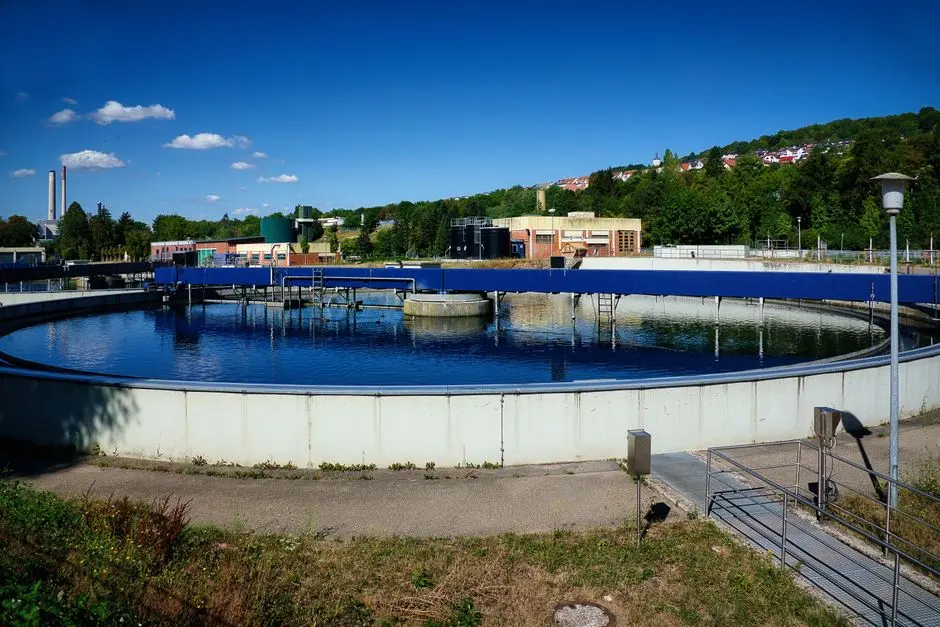
A defensible DAF or ETP size depends on measured wastewater characteristics and flow variation, not the factory’s Athens address or a catalogue capacity. The buyer should obtain representative samples across production, cleaning, shutdown, and discharge conditions. Composite and event-based sampling may be needed where a short batch can change pollutant concentration or composition.
The flow basis must include average flow, peak flow, operating hours, and the duration and frequency of batch discharges. These inputs determine hydraulic treatment requirements and equalisation needs. The supplied research provides no Athens-specific flow values, so a supplier should not present a final size or standard model until the site has supplied this information. The case study of DAF FOG interception illustrates the practical importance of a defined wastewater and flow basis when the operating problem changes.
| Required information | What the supplier needs | Why it affects the decision |
|---|---|---|
| Representative wastewater samples | Results covering production, cleaning, shutdown, and discharge conditions | Establishes whether the process sees a stable wastewater or variable batches |
| Hydraulic flow | Average flow, peak flow, operating hours, and batch-discharge duration and frequency | Determines treatment capacity, equalisation, pumping, and controls |
| Physical and chemical characteristics | FOG and oil, suspended solids, colloids, pH, and relevant organic characteristics | Defines the required separation and chemical-conditioning functions |
| Biological compatibility | Emulsified oil, difficult-to-treat compounds, and information relevant to biological treatment | Determines whether DAF pretreatment is required ahead of biology |
| Final destination and objective | Discharge, reuse, or sewer-pretreatment route and applicable site conditions | Defines the required biological, tertiary, monitoring, and documentation scope |
The test programme should cover FOG and oil, suspended solids, colloids, pH, and the organic and biological characteristics relevant to the proposed downstream process. It should also identify compounds that may impair biological treatment. In the supplied Quora experience, aromatic solvents such as trichloroethylene were described as difficult to remove biologically, with strong pretreatment recommended; that is a warning to investigate the specific factory stream, not a generic Athens requirement.
Compliance must be established for the actual destination. If the treated water will be discharged, reused, or accepted by a sewer receiving system, obtain the applicable Athens and Greek permit or pretreatment conditions before finalising the train. Requirements for sampling, monitoring, documentation, and the receiving authority must be confirmed for the site. Generic European equipment documentation is not a substitute for the site’s discharge or reuse approval.
No defensible industrial effluent treatment plant or DAF size can be selected from nominal catalogue capacity alone. Ask bidders to identify which wastewater analyses, flow records, pilot data, and permit conditions they used, and which assumptions remain unresolved.
Compare DAF-Only, ETP, and Combined Treatment
DAF-only, full ETP, and combined treatment differ most clearly in the contaminants they are intended to remove and the final water obligation they address. DAF is the front-end choice for physical contaminants; a full ETP covers primary, biological, and tertiary duties; a combined train protects the biological stage from oily or emulsified feed.
| Decision factor | DAF-only treatment | Full ETP | Combined DAF plus ETP |
|---|---|---|---|
| Primary objective | Remove suspended solids, FOG, oil and grease, and colloidal matter by flotation | Provide primary physical and chemical treatment, secondary biological treatment, and tertiary cleaning | Remove emulsified oil and fine solids before biological or membrane treatment, then meet the final objective |
| DAF fit | Directly aligned with the physical contaminants identified in representative samples | May or may not be required depending on the source profile | Directly aligned as a protective pretreatment stage |
| Biological treatment need | Not inherently supplied by DAF; add it if the effluent objective or waste profile requires it | Included in the defined treatment sequence, aerobic or anaerobic as appropriate | Included after DAF, with reduced risk from emulsified oil and fine solids |
| Tertiary or reuse potential | Depends on what follows DAF and the required final water quality | Supports final cleaning before environmental release | Allows biological, membrane, or polishing stages to follow DAF |
| Sludge implications | Requires a route for collected froth or sludge | Requires routes for sludge generated across the treatment sequence | Requires separate handling of DAF sludge and downstream biological or membrane residuals |
| Key selection inputs | Oil and solids profile, flow variation, chemical demand, final destination | Full wastewater analysis, biodegradability, flow, final objective, sludge route | Emulsion characteristics, biological loading, flow profile, final objective, and residual-sludge handling |
Choose DAF as the principal scope when FOG, oil, colloids, and suspended solids dominate the analysis and downstream requirements are limited or handled separately. Choose a full ETP when the source profile requires primary, secondary biological, and tertiary treatment, consistent with the supplied three-level ETP description. Choose the combined arrangement when emulsified oil or fine solids could interfere with biological treatment; the supplied refinery example supports that sequencing logic.
The available DAF equipment catalogue covers 4–300 m³/h across 13 standard models. That range is useful for an initial market screen, but it does not identify the correct model. The final selection still requires the measured flow profile, loading, treatment objective, chemical assumptions, and site constraints. Where the selected treatment sequence includes biological and membrane duties, review the MBR integrated wastewater treatment option as a possible downstream stage rather than treating it as part of DAF capacity.
The decision sequence is straightforward: first establish the wastewater composition; then determine whether the required contaminants are physical, dissolved, or biologically treatable; identify whether the final objective requires reuse or tertiary treatment; and only then compare equipment scope, sludge handling, and capital cost.
Plan Chemical Dosing, Sludge Handling, and Final Water Quality
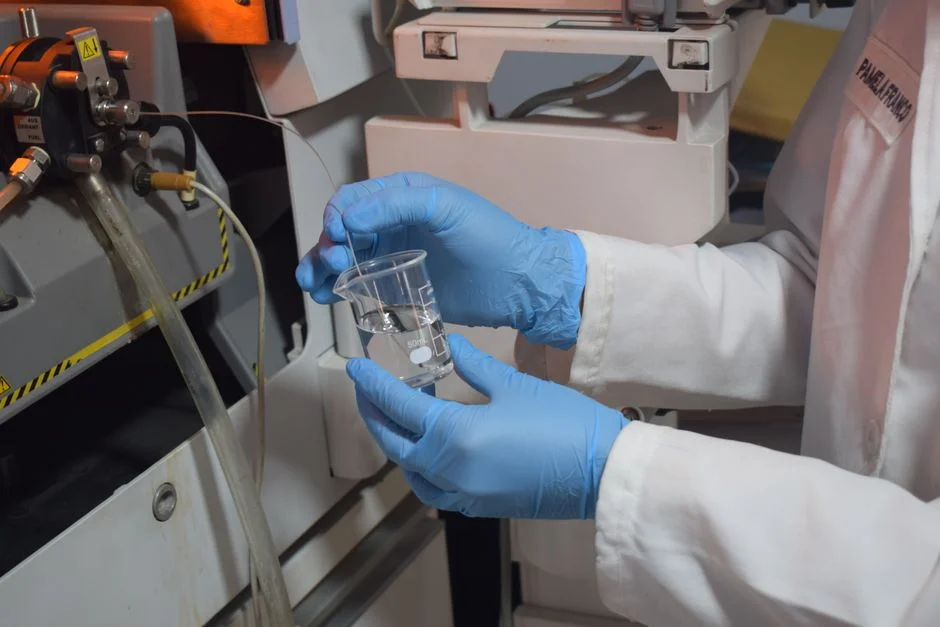
The auxiliary systems determine whether the selected treatment train remains operable and compliant. The supplied ETP source identifies pH control and flocculation as part of primary chemical treatment. Chemical conditioning should therefore be specified around the wastewater’s actual emulsion, solids, and pH behavior rather than around a generic dose.
An automatic chemical dosing system for DAF pretreatment can support controlled addition of coagulants, flocculants, pH adjusters, and specialist chemicals. The supplier should state the chemical functions, storage and transfer arrangement, control logic, operating sequence, and consumption assumptions. The supplied research does not support a universal dose, so the proposal must tie chemical use to the wastewater analysis and treatment objective.
DAF also creates a concentrated residual stream. The supplied Quora explanation states that the skimmer sends accumulated sludge to a holding tank. The complete scope must therefore define collection, storage, dewatering, and final disposal or reuse. For a proposal that includes solids concentration, the plate-and-frame filter press can be evaluated as one route, but its selection requires the expected froth or sludge characteristics and the required destination for the dewatered cake.
| Proposal item | Supplier must state | Buyer acceptance check |
|---|---|---|
| Chemical conditioning | Chemicals, application points, control method, and consumption assumptions | Assumptions match representative wastewater results and permit conditions |
| Sludge route | Separation, storage, dewatering, and final destination | A complete route is included and operating responsibility is clear |
| Final water quality | Objective, treatment stage, and monitoring instruments | Objective matches the Athens discharge, reuse, or sewer-pretreatment requirement |
| Controls and documentation | PLC scope, alarms, interlocks, data outputs, and required drawings | Deliverables and site responsibilities are auditable |
Add biological or membrane treatment only where the wastewater characteristics and required final water quality justify it. The supplied MBR catalogue describes a combined activated-sludge and membrane option for industrial process water and reuse projects. A supplier should therefore state which treatment stages are proposed, the final effluent objective, the sludge route, monitoring instruments, controls, and required documentation as separate priced or clearly identified items.
Use a Supplier Brief That Reduces Sizing and Compliance Risk
A common wastewater and flow basis makes supplier proposals comparable and exposes assumptions that would otherwise remain embedded in different equipment selections. Give every bidder the same representative analytical results, flow records, batch-discharge profile, final water objective, receiving-route requirements, and site constraints.
Ask each bidder to identify its proposed process train, design flow, selected equipment model, treatment objective, chemical assumptions, sludge route, utilities, controls, and exclusions. Require the bidder to separate guaranteed performance from operating assumptions and to state what site data, pilot testing, or further characterisation is still needed. A price without a stated wastewater and flow basis is not comparable.
Compliance documentation should be site-specific. Ask bidders to identify the discharge, sewer-pretreatment, or reuse documentation they expect for the Athens site and which party will obtain or support it. Do not treat a generic European equipment standard as evidence that the installation is permitted.
For a detailed follow-up, use the best DAF unit selection guide for industrial wastewater and the DAF oil-water separator selection for FOG removal. Their engineering and cost discussion should be read against the factory’s own data, not used to reverse-engineer a size from catalogue capacity.
Frequently Asked Questions
Can a DAF system alone provide a complete factory ETP?
A DAF system can be the main physico-chemical separation step for wastewater dominated by suspended solids, FOG, oil and grease, and colloidal material. A complete industrial effluent treatment plant may also require biological treatment and tertiary cleaning before discharge or reuse. The decision should follow the measured contaminant profile and the required final water objective, not the desire to minimise the number of treatment stages.
What flow information does a DAF or ETP supplier need?
The supplier needs average flow, peak flow, operating hours, and the duration and frequency of batch discharges, together with representative wastewater characteristics. The batch profile is important because a short high-strength discharge can change both hydraulic load and treatment performance. Without these inputs, the supplier can only provide a preliminary equipment concept, not a defensible size.
How should an Athens buyer compare supplier quotations?
Normalise every quotation against the same wastewater analysis, flow profile, final treatment objective, chemical-use assumptions, sludge handling, utilities, controls, and exclusions. Ask each bidder to identify the design flow and selected model, distinguish guaranteed performance from assumptions, and state what additional testing or site data are required. This is a more reliable purchasing check than comparing headline equipment prices alone.
What determines the cost difference between DAF and ETP options?
Cost depends on process scope, flow and loading basis, selected equipment, chemical consumption, site works, sludge route, controls, and installation requirements. A DAF-led quotation may omit biological, tertiary, or reuse stages, while a full ETP proposal will include additional equipment and operating dependencies. The supplied research contains no Athens-specific cost figure, so request an itemised quotation using the same site data, including chemical use, utilities, sludge handling, and exclusions.
What should an Athens factory verify about compliance?
Confirm the receiving authority and the applicable Greek and Athens requirements for the specific discharge, reuse, or sewer-pretreatment route. Ask what sampling, monitoring, operating records, and documentation are required, and who is responsible for obtaining approval. A generic equipment certificate does not establish permission to discharge or reuse treated water at that site.