Start With the Site and Discharge Route, Not the Equipment Catalog
The best packaged sewage treatment plant for an Athens housing development is the system that matches the development’s design flow and peak conditions, site restrictions, phasing plan, receiving water, required effluent quality and local approval route. A public-sewer connection should be assessed first because EYDAP manages water and sanitation services in Athens, while any private discharge route must be confirmed with the competent authorities before equipment selection.
Start with a sewer-availability study rather than a technology list. Obtain written confirmation from EYDAP or the relevant authority on whether a connection is technically feasible, what capacity or infrastructure conditions apply, how developer contributions are assessed and which approvals are required. Greater Athens is served by EYDAP, but the supplied evidence does not establish project-specific connection conditions or costs.
Next, identify the final receiving point. If the discharge enters a sensitive receiving area, do not assume that a biological package alone is sufficient. The MDPI review, A Mini-Review of Urban Wastewater Treatment in Greece, published 30 July 2020, states that the EU wastewater directives required nitrogen and/or phosphorus removal for applicable discharges to sensitive waters to avoid eutrophication.
Check the site against buried construction and operation: groundwater, bedrock, excavation access, vehicle loading, landscaping, odour, noise, occupied buildings and nearby watercourses. Greece’s climate is predominantly Mediterranean, with mild, wet winters and hot, dry summers. The same MDPI review reports annual rainfall of 300–500 mm in southeastern Greece and 800–1,200 mm in northwestern mainland areas, although local site data remain necessary for infiltration and stormwater-separation design.
| Pre-selection question | Evidence to obtain | Decision consequence |
|---|---|---|
| Can the development connect to the public sewer? | Written EYDAP or authority response, connection route, capacity conditions and contribution requirements | Continue with sewer-connection design if feasible; evaluate packaging only if it is not. |
| Where will effluent be discharged? | Confirmed receiving point, sensitive-area status and applicable discharge conditions | Define the required treatment train before selecting equipment. |
| Can the site accept buried infrastructure? | Geotechnical information, groundwater level, access, loading, landscaping and odour/noise constraints | Choose buried, above-ground or hybrid configuration. |
| Who will approve and operate it? | Authority’s current project route, owner’s operating responsibility and maintenance resources | Resolve approvals and handover before placing an order. |
If a below-grade treatment route is being considered, the underground WSZ packaged sewage treatment plant illustrates a buried option, but its technical suitability is not evidence of discharge approval.
Build the Capacity Basis for a Housing Development
The RFQ sizing basis must distinguish average hydraulic flow from peak hydraulic flow, organic loading and solids loading. Start with a documented development schedule: dwelling count, design population, occupancy assumptions, fixture counts, wastewater generation per unit, and any commercial, hotel or amenity flows.
Derive average daily wastewater flow, then assess the morning, late-afternoon and evening periods separately. Biocell Water’s residential-development guidance identifies these as typical residential peak periods and states that a treatment system should accommodate significant peaks combined with low-flow periods. This is particularly important for phased housing: occupancy may rise in stages while the biological process and hydraulic storage do not develop at the same rate.
Ask each bidder to state its hydraulic and process design basis. The submission should identify the design average flow, peak-flow assessment, equalization or attenuation provisions, minimum operating flow, assumed wastewater characteristics and treatment capacity at turndown. Do not accept a nominal flow figure without the assumptions behind it.
Wastewater quality belongs in the same basis. Biocell Water notes that residential pollutants such as ammonia and COD can be high and that not every house has a grease trap. The developer should therefore establish whether the drainage design includes foul-water separation, grease interception, stormwater exclusion and any commercial or communal contributions.
Keep the following procurement requests separate:
- Hydraulic capacity for average, peak and low-flow conditions.
- Organic loading for COD, ammonia and other relevant wastewater parameters.
- Solids-handling capacity, including retained sludge and extracted sludge.
- Treatment functions required by the confirmed discharge route.
- Future expansion or modular installation sequence.
| Design input | Minimum information for the RFQ | Question the supplier must answer |
|---|---|---|
| Development scale | Dwellings, design population, occupancy and non-residential uses | What flow and loading basis did you use? |
| Flow profile | Average daily flow plus assessed morning, late-afternoon and evening peaks | How are peak and low-flow periods handled? |
| Wastewater quality | Expected COD, ammonia, solids and grease considerations | Which process assumptions drive the selected capacity? |
| Uncertainty | Occupancy phasing and development growth | What margin, modularity or expansion provision is included? |
| Hydraulics | Site inflows, pipe profile and proposed discharge route | Where are flow measurement, equalization and overflow controls located? |
For a compact high-quality treatment route, the MBR membrane bioreactor for a compact housing plant can be evaluated in the same process-design package, but its selection must follow the hydraulic and loading basis rather than precede it.
Compare the Packaged Treatment Options for Athens Sites
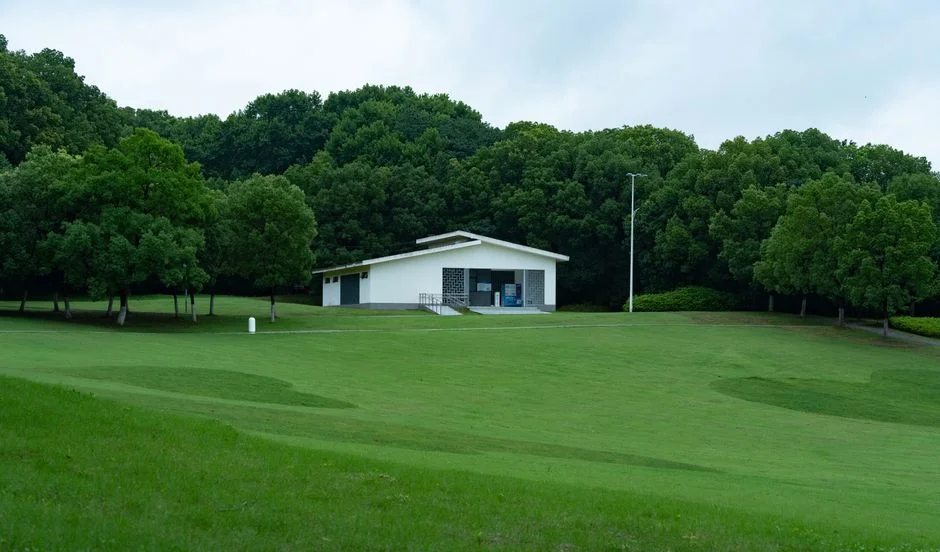
WSZ, SBR, MBBR and MBR should be compared against the same project constraints: flow, footprint, installation method, effluent objective, phasing and maintenance. The underground WSZ packaged sewage treatment plant is a buried, fully automated configuration combining anoxic/aerobic contact oxidation, sedimentation and disinfection over a published 1–80 m³/h range. It is relevant where below-grade installation and landscaping over the unit are desirable.
SBR is a cyclical biological process suited to packaged deployment and phased expansion. Biocell Water describes below-ground SBR and MBBR arrangements for residential developments, with civil tank construction required. SBR may suit a site where cyclic operation and staged capacity fit the development plan, but the proposal must explain cycle behaviour during low flow, peak flow and startup.
MBBR is a fixed-bed biological process that can be installed below ground. It is a candidate where a robust biological stage must fit within a defined footprint and the specified effluent can be achieved with that process. Bidder submissions should state the media type, fill volume, hydraulic loading assumptions, sludge separation and any add-on functions.
MBR combines activated sludge with submerged membrane filtration and is suited to compact treatment and stringent polishing objectives. The supplied product evidence describes effluent below 1 μm for the linked MBR membrane bioreactor for a compact housing plant. MBR should be considered where footprint, polishing or reuse is more important than the lowest-cost conventional package, and where the owner accepts membrane cleaning, replacement and specialist operating support.
Containerized above-ground treatment is the alternative when excavation is constrained, the installation sequence must be faster, or temporary and mobile deployment is appropriate. It shifts more civil and visual impact to the surface and requires a site plan covering access, drainage, odour, noise, security and utilities.
Biocell Water provides market context rather than an Athens design rule: it offers modular residential systems from small projects up to 50 people to larger projects up to 5,000 people, with technology determined by site restriction, effluent standard and budget. Those figures should not replace a project-specific flow calculation.
| Option | Main selection driver | Key design or operating issue | Best fit for further evaluation |
|---|---|---|---|
| WSZ | Buried, automated package with landscaping above | Verify published capacity against average, peak and low-flow conditions | Residential site with below-ground installation priority |
| SBR | Cyclic biological treatment and phased deployment | Cycle operation, equalization, civil tank and low-flow performance | Development built and occupied in stages |
| MBBR | Robust fixed-bed biological stage in a constrained footprint | Media loading, separation, sludge and add-on treatment requirements | Below-ground project with defined biological duty |
| MBR | Compact treatment and advanced effluent quality | Membrane maintenance, cleaning, replacement and specialist support | Footprint or polishing/reuse requirements dominate |
| Containerized above ground | Constrained excavation or rapid installation sequence | Civil works, access, drainage, odour, noise, security and utilities | Surface installation is operationally and environmentally acceptable |
Match Treatment to Effluent, Phasing and Operating Reality
The applicable effluent requirement must come from the authority and the confirmed discharge route; the supplied research does not establish a universal Athens effluent limit for private housing developments. A technology recommendation is therefore not an environmental authorization.
Where the route requires nitrogen removal, phosphorus removal or disinfection, specify these as treatment-train requirements. The cited 2014 Greek implementation data, reported in the MDPI review published 30 July 2020, shows that these functions are not interchangeable: 83% of 254 urban wastewater treatment plants provided biological nitrogen removal, 57% additionally provided biological phosphorus removal, and 93% provided tertiary disinfection.
Phase the plant against occupied housing stages. Biocell Water states that modular systems can be installed in phases as a development grows. The RFQ should identify which modules or process trains are installed first, the expected flow and loading at each occupancy stage, and how treatment remains compliant before later stages are commissioned.
Allocate operating responsibility before selecting equipment. The contract should name the party responsible for routine operation, alarm response, biological-media or membrane maintenance, sludge removal, laboratory sampling and regulatory reporting. It should also define response times, spare-parts availability and access for maintenance vehicles.
Assess life-cycle cost rather than purchase price alone. The MDPI review identifies energy efficiency in ageing wastewater infrastructure and resource recovery as continuing sector challenges. The comparison should therefore include aeration strategy, pumping hours, membrane cleaning or replacement, media replacement, sludge disposal, laboratory testing and energy availability.
| Project condition | Treatment implication | Evidence to require before selection |
|---|---|---|
| Discharge to a sensitive receiving area | Confirm whether nutrient removal, phosphorus removal or disinfection must be included | Written authority requirements for the receiving point |
| Housing delivered in phases | Match modules, hydraulic retention and biological loading to each occupancy stage | Staged process and commissioning plan |
| Limited O&M capability on site | Favor maintainable equipment and defined service support | Maintenance schedule, alarm interface, response time and training scope |
| Energy cost uncertainty | Compare aeration, pumping and treatment intensity across the alternatives | Supplier energy and consumables assumptions |
| Sludge or filter residue | Plan storage, removal, testing and final disposal responsibility | Residue-handling method and documented operating frequency |
Where preliminary treatment is required, the scope should also identify inlet screening and solids-handling requirements. An approach such as a rotary mechanical bar screen should be assessed only after the incoming wastewater characteristics, installation constraints and downstream treatment requirements are known.
Prepare the Approval, Commissioning and Supplier RFQ
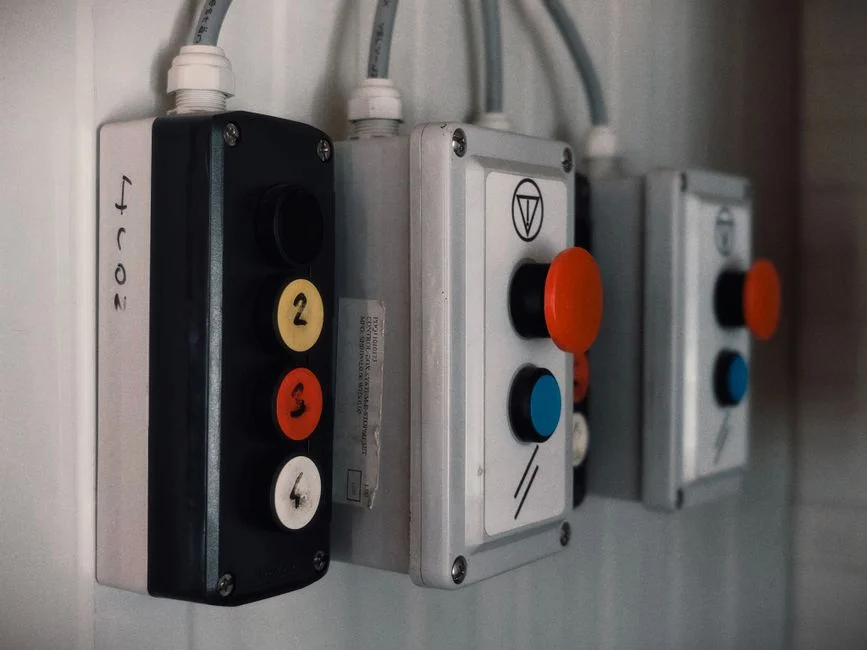
The RFQ should convert the site decision into a verifiable supply-and-handover scope. Issue a process-design and site-constraints schedule covering design flow, peak flow, wastewater characterization, receiving point, required treatment, installation envelope, future expansion, utilities, civil works and the party responsible for approvals.
Require bidders to state process guarantees, performance-test methods, turndown and peak-operation performance, installation sequence, controls, utilities, training and commissioning criteria. A guarantee should identify the test influent, test duration, sampling method, parameter, acceptance limit and consequences of failure. Ask for how modular sewage treatment systems work and require the supplier to connect that explanation to this project’s actual process sequence.
Define the O&M boundary: consumables, sludge removal, biological maintenance, membrane cleaning where applicable, instrumentation, alarms, spare parts, laboratory support, reporting and response times. A low equipment price can still produce a poor result if sludge removal, calibration or membrane maintenance falls outside the contract.
Make local compliance evidence explicit, but do not treat a general CE declaration as approval of the project-specific discharge. Obtain current confirmation from the competent Greek authority covering the treatment process, effluent route, ownership arrangement, operating party and monitoring or reporting obligations. The same applies to any sewer-connection conditions: the project team should obtain a current written route, as illustrated by the technical approach in packaged sewage treatment selection for a housing development.
Greece’s centralized wastewater infrastructure does not eliminate the need for this study. The academic review reports that 91% of the population was connected to 254 urban wastewater treatment plants in the cited 2014 implementation data. That figure describes national infrastructure coverage, not whether a particular Athens parcel has a usable sewer connection.
| RFQ package | Required bidder response | Buyer check |
|---|---|---|
| Design basis | Flow, peak, loading, wastewater quality, discharge route and design margins | Can each figure be traced to project data or a stated assumption? |
| Process proposal | Process train, drawings, equipment list and treatment guarantees | Does the train match the authority’s confirmed requirements? |
| Installation | Civil interfaces, utilities, access, commissioning sequence and phasing | Are excluded works and interfaces explicit? |
| O&M and handover | Maintenance scope, spares, training, alarms, sampling and reporting | Is there a named operator with the required capability? |
| Compliance | Applicable declarations, local references and project-specific approval responsibilities | Has the authority confirmed the route in writing? |
| Commercial schedule | Itemized supply, civil works, installation, approvals, commissioning, O&M and exclusions | Can costs be compared on the same scope? |
Frequently Asked Questions
Can the WSZ Series serve an Athens housing development?
Its published range is 1–80 m³/h, so it can be considered if the verified average flow, peak conditions, treatment duty and site constraints fall within the supplier’s design basis. The range alone does not establish suitability; request the hydraulic calculation, loading assessment, installation drawing and performance guarantees.
What should a developer request when comparing price or budget?
Request an itemized quotation covering flow and treatment duty, equipment, civil works, installation, controls, utilities, commissioning, approvals, commissioning samples, O&M, consumables, sludge removal and membrane or media replacement where applicable. No defensible Athens package-plant price can be stated without that project-specific scope.
Should the site choose WSZ, SBR, MBBR, MBR or an above-ground system?
Choose WSZ where buried installation and a published integrated treatment train fit the site; SBR where cyclic operation and phased deployment fit the development; MBBR where a below-ground fixed-bed biological stage is appropriate; MBR where compact treatment or advanced polishing dominates; and containerized treatment where excavation or installation sequence is the controlling issue. The final choice must follow the same flow, effluent, phasing and O&M checks.
Does a supplier technology recommendation authorize the discharge?
No. Before ordering, obtain written confirmation of the approval route, applicable effluent conditions, receiving point, ownership arrangement, operating party and monitoring or reporting duties from the competent authority. For a sewer alternative, obtain the current written connection feasibility and contribution conditions from EYDAP or the relevant authority.