What 'Domestic Sewage Treatment in Sohar' Actually Means in 2026
Domestic sewage treatment in Sohar is the engineered handling of household wastewater — toilet flushing, washing, laundry, food preparation and kitchen cleaning water, delivered through a sewer or septic-tank tanker — to a biological plant that meets Omani Standards. A 2014 Sultan Qaboos University study covering six Omani domestic sewage treatment plants (STPs) including the Sohar STP (Sohar.D) in North Al-Batina frames domestic wastewater as the water consumed by a human being plus the materials added during use, and treats it separately from industrial effluent that originates from process or cooling water at the adjacent Sohar Industrial Port.
A 2026 Sohar plant is therefore expected to handle a growing hydraulic and organic load, recover water for non-potable reuse, and manage sludge within Omani Standards rather than rely on the older landfill-only practice documented in the same study. This guide is process- and equipment-focused and is not a substitute for site-specific engineering or Omani regulatory approval.
The Sohar Baseline: How Oman's Domestic STPs Are Actually Operated
Oman's domestic sewage treatment fleet is large and dominated by a single process family. The PMC4450684 site-visit campaign found more than 350 wastewater treatment plants distributed across different parts of Oman, of which thirty-seven were visited directly. Within that sample, roughly 96% of STPs were operating as extended aeration activated sludge, with the remainder running as stabilization ponds that do not produce sludge at monthly and annual intervals. The 2010 sampling campaign covered six domestic plants in three regions, with Sohar.D identified as the North Al-Batina domestic STP alongside Rusayl (RSL.D), Darsait (DST) and Ansab in Muscat Governorate, plus Salalah STP (SLL.STP) and Salalah Lagoon (SLL.LGN) in Dhofar. Roughly 60% of the visited STPs treat the sludge in drying beds, around 8% of covered STPs used a filter press, and the remainder had no sludge treatment at all, periodically collecting sludge in trucks for landfill dumping. PMC4450684 also attributes poor performance at many Omani STPs to a lack of proper planning and maintenance, with sludge drying beds either overloaded without giving sludge time to dry or left so long that weeds took hold — a risk that a 2026 Sohar design must mitigate through sized drying areas, mechanical dewatering backup and scheduled sludge withdrawal.
Process Train for a 2026 Sohar Domestic Sewage Plant
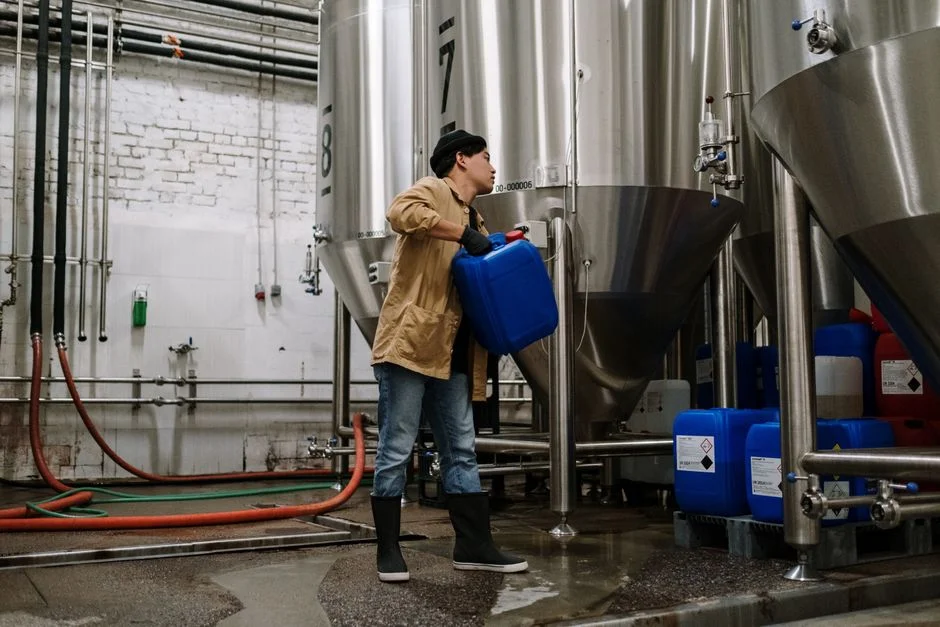
A 2026 Sohar domestic train is a sequence of unit operations, each sized against the Omani operating data above rather than textbook defaults. Step 1 is coarse and fine screening at the headworks to protect downstream biological stages; the function is to remove debris and fibrous material, with bar spacing and debris load selected from the project's own flow and waste characterisation. Step 2 is the biological stage. Extended aeration activated sludge is the conventional Omani option, with the 96% figure from PMC4450684 reflecting existing Omani practice, not a forward-looking 2026 mandate. Step 3 is solid separation, and an MBR membrane bioreactor wastewater treatment system is the compact alternative that combines biological treatment with submerged membrane filtration, producing near-reuse-quality effluent on a smaller footprint and tightening discharge control compared with a clarifier. Step 4 is tertiary treatment or disinfection — UV or ClO2 — sized against the reuse end-use, which PMC4450684 ties to SDG-aligned reuse in semi-arid regions such as North Al-Batina. Step 5 is sludge thickening and dewatering. PMC4450684 reports that roughly 60% of Omani STPs use drying beds and around 8% of covered STPs use a filter press; the qualitative choice in 2026 is between bed-based drying (low CAPEX, large footprint, weather-exposed) and mechanical dewatering (higher CAPEX, small footprint, controlled cake), and a Sohar design should not depend on a single mode without a backup. An underground package sewage treatment plant (WSZ series) integrates the anoxic/aerobic biological stage, sedimentation and disinfection in a single buried unit suited to dense sites where landscaping above the unit is desired.
Sohar Sludge Characterization: What the Numbers Tell the Designer
The PMC4450684 dataset translates directly into 2026 design parameters, especially for the sludge line. Across the six studied domestic STPs, mean RAS pH ranged from 6.08 to 7.8 — a window that supports biological nitrification but is acidic enough to demand corrosion-resistant materials on wetted parts. General EC averages were 933 µS/cm for RAS, 702 µS/cm for WAS and 404 µS/cm for primary sludge, indicating moderate salinity influence and a need to size pumps, valves and chemical dosing at the upper end of variability. Volatile content averaged 68% (RAS), 65% (WAS) and 71% (primary sludge), confirming a high organic fraction that favours biological stabilisation and aerobic digestion before dewatering. Anion profiles are dominated by very high phosphate across all studied Omani domestic STPs, with elevated chloride and sulfate in many samples — a profile that drives chemical precipitation dosing and the choice of stainless or FRP wetted parts. The Sohar-specific signal is in the nitrogen species: PMC4450684 reports that the ranges of nitrite in WAS values were sm STPs except for Sohar.D, and the ranges of nitrate in both RAS and WAS were narrow except for Sohar.D, indicating broader nitrite and nitrate variability at the Sohar plant than at the other studied Omani STPs. A 2026 Sohar design should therefore include a dedicated nitrification/denitrification volume to absorb that variability, and a plate and frame filter press for sludge dewatering sized against the WAS volatile content. Primary clarification benefits from a high-efficiency sedimentation tank to cut suspended solids loading on the biological stage.
| Parameter | Sample matrix | Reported average or range | 2026 Sohar design implication |
|---|---|---|---|
| pH | Mean RAS across six domestic STPs | 6.08 to 7.8 | Specify corrosion-resistant wetted parts; verify nitrification remains stable at lower end of range |
| Electrical conductivity (EC) | RAS / WAS / primary sludge | 933 / 702 / 404 µS/cm general average | Size pumps, valves and chemical dosing at the upper end of seasonal variability |
| Volatile content (VC) | RAS / WAS / primary sludge | 68% / 65% / 71% general average | Confirm biological stabilisation and aerobic digestion precede mechanical dewatering |
| Phosphate | RAS and WAS across all STPs | Very high; RSL.D WAS up to 32,745 mg/kg; SLL.STP RAS up to 33,861 mg/kg | Plan chemical precipitation dosing; investigate phosphate sources |
| Chloride | RAS at RSL.D | Up to 35,910 mg/kg | Use stainless or FRP wetted parts in high-chloride service |
| Sulfate | RAS / WAS | 832 to 37,998 mg/kg (RAS); 550 to 48,649 mg/kg (WAS) | Check concrete and metal specification for sulfate resistance |
| Nitrite variability | WAS at Sohar.D | Range wider than at the other five studied STPs | Include dedicated nitrification volume; tighten aeration control |
| Nitrate variability | RAS and WAS at Sohar.D | Range wider than at the other studied STPs | Include dedicated denitrification volume in 2026 design |
Comparing the 2026 Process Options for Sohar
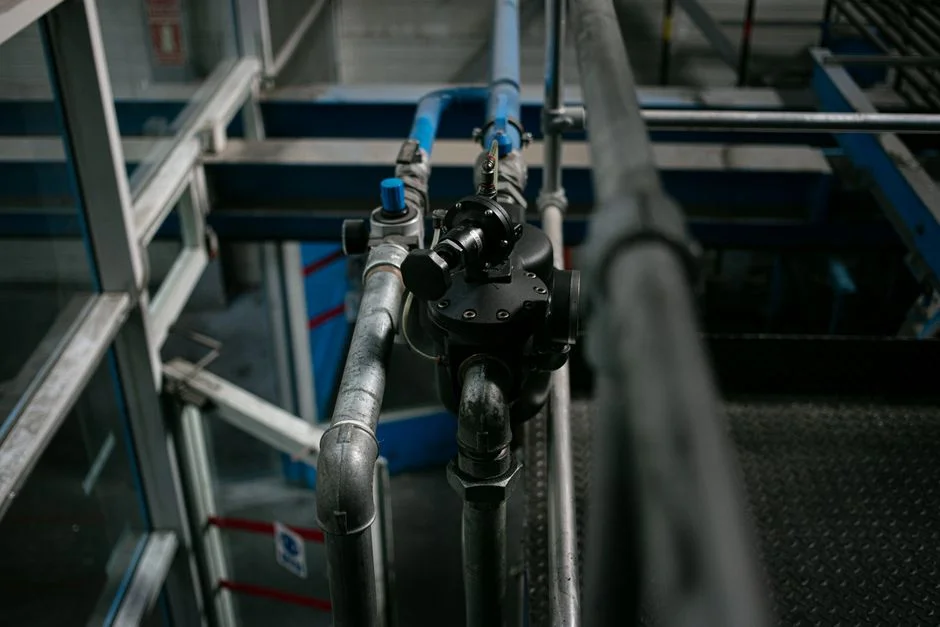
Three process options cover most Sohar 2026 enquiries. Conventional extended-aeration activated sludge is the most common Omani configuration in PMC4450684 (96% of surveyed STPs), has the lowest CAPEX, but has the largest footprint and the weakest effluent quality for reuse. The underground package sewage treatment plant (WSZ series) integrates anoxic/aerobic contact oxidation, sedimentation and disinfection in a buried unit, is fully automated with no operator, and fits dense Sohar sites where landscaping above the unit is required. The MBR membrane bioreactor wastewater treatment system pairs a biological stage with submerged membranes, produces near-reuse-quality effluent, reduces footprint versus a clarifier-based layout, but carries higher membrane and aeration OPEX and must be paired with reliable upstream screening to protect the membranes. For sites planning a UV polish, a UV sterilizer for water treatment closes the reuse loop. The decision rule for Sohar in 2026 is: choose conventional activated sludge for low-cost discharge-to-sewer or land applications; choose the underground package plant for tight urban sites with buried-plant constraints; choose MBR when irrigation or industrial reuse is the priority and the smaller footprint justifies higher membrane OPEX.
| Process option | Footprint | Effluent quality for reuse | Operator requirement | Best-fit Sohar 2026 scenario |
|---|---|---|---|---|
| Conventional extended-aeration activated sludge | Large | Moderate; secondary discharge standard | Daily operator | Lowest CAPEX, discharge-to-sewer or land |
| Underground package plant (WSZ A/O) | Small; buried | Moderate; suitable for irrigation with disinfection | No on-site operator; automated | Dense urban sites, landscaping above the unit |
| MBR membrane bioreactor | Small; above-grade or buried | High; near-reuse quality | Skilled operator for membrane care | Reuse priority, tight footprint, tight discharge limits |
Sludge Reuse, Cost Logic and Compliance in 2026
Reuse is technically open but commercially conditional. PMC4450684 reports that the average values of cations in both domestic RAS and WAS samples from the studied Omani STPs were within the Omani Standards, so agricultural reuse of sludge is permissible once the cation, anion and volatile content are confirmed at site. The same study also notes that the analyses of sludge from STPs in Oman in 2001 indicated that none of them could be utilised for application to land under current International Regulations, although only some exceeded the maximum concentration according to Omani Regulations, which is why 2026 compliance requires site-by-site verification rather than a blanket assumption. The cost logic favours mechanical dewatering: the same study notes that the cost for surplus sludge treatment has been estimated to be up to 60% of the total operating cost of a wastewater treatment plant, so a 2026 Sohar design should not depend on drying beds alone, and a plate and frame filter press for sludge dewatering is a defensible CAPEX line when the sludge line dominates OPEX. Drying beds must still be sized "large enough to handle the produced sludge" as PMC4450684 explicitly recommends. For chemical precipitation against the very high phosphate observed across all studied Omani domestic STPs, an automatic chemical dosing system closes the compliance loop. Documentation should follow Standard Methods procedures for EC, pH, cations, anions and volatile content so the project's results are directly comparable to the Omani baseline in PMC4450684.
Sizing Checklist and Frequently Asked Questions for Sohar Projects
Before a Sohar vendor quotation is finalised in 2026, lock in the following inputs. Sizing inputs: design flow in m³/day, peak factor, influent BOD/COD, total suspended solids, target effluent quality, available footprint, depth-to-groundwater (drives underground versus above-grade layout), and whether irrigation reuse is required. Compliance inputs: current Omani wastewater discharge limits, the client's reuse end-use specification, and the operator skill level (drives PLC versus manual control). Cost inputs: the sludge handling share of OPEX (PMC4450684 gives the up-to-60% figure, not a $/m³ value, so request a current $/m³ quote from the vendor), the Sohar power tariff, and the labour model for plant operation. For context on the process steps, the underground sewage treatment system design engineering 2026 reference sets out the buried-package working principle and process flow, and the MBR plant operation and maintenance guide (2026 engineering manual) covers membrane care, while the Yanbu wastewater treatment plant cost 2026 reference gives a comparable regional cost breakdown with a built-in ROI calculator for budgeting.
| Input category | Item to confirm | Source of value |
|---|---|---|
| Sizing | Design flow, peak factor, BOD/COD, TSS, footprint, depth-to-groundwater | Project hydraulic and waste characterisation study |
| Sizing | Reuse requirement (irrigation / industrial / none) | Client end-use specification |
| Compliance | Current Omani wastewater discharge limits | Omani regulatory authority at the time of design |
| Compliance | Operator skill level (drives PLC vs manual) | Plant owner's operations plan |
| Cost | Sludge handling share of OPEX | Vendor quotation; PMC4450684 references up to 60% |
| Cost | Sohar power tariff and labour model | Utility and owner records |
Frequently Asked Questions
What is the realistic capital cost of a domestic sewage treatment plant in Sohar in 2026?
PMC4450684 does not provide a $/m³ figure, so a 2026 Sohar budget should be built bottom-up from the sizing inputs above (design flow, peak factor, reuse requirement) and a vendor quotation against the underground package sewage treatment plant (WSZ series), the MBR membrane bioreactor wastewater treatment system, and the plate and frame filter press for sludge dewatering. The cost line that will dominate OPEX is sludge handling, which PMC4450684 estimates at up to 60% of total STP operating cost, so the CAPEX case for a filter press is built on OPEX reduction, not on the filter press cost itself.
How do I choose between a conventional activated sludge plant, a package plant, and an MBR for a Sohar site?
Use the Sohar 2026 decision rule in this guide: choose conventional extended-aeration activated sludge for low-cost discharge-to-sewer or land; choose the underground package sewage treatment plant (WSZ series) for dense urban sites with buried-plant constraints and no dedicated operator; choose the MBR membrane bioreactor wastewater treatment system when irrigation or industrial reuse is the priority and the smaller footprint justifies higher membrane and aeration OPEX. The 96% extended-aeration figure in PMC4450684 reflects existing Omani practice, so MBR is an upgrade, not a deviation from the Omani baseline.
What sludge parameters from the Omani dataset should drive the 2026 Sohar design?
Five parameters from PMC4450684 drive the design: the very high phosphate observed across all studied Omani domestic STPs, which justifies chemical precipitation dosing via an automatic chemical dosing system; the broader nitrite and nitrate variability at Sohar.D than at the other five studied STPs, which justifies a dedicated nitrification/denitrification volume; the volatile content averages of 68% (RAS), 65% (WAS) and 71% (primary sludge), which confirm that biological stabilisation and aerobic digestion should precede dewatering; the EC averages of 933 / 702 / 404 µS/cm, which set the upper bound for pump, valve and chemical dosing sizing; and the elevated chloride and sulfate observed in many samples, which set the material specification for wetted parts.
Can the treated sludge be reused for agriculture in Sohar under Omani Standards?
Cation averages in both domestic RAS and WAS samples from the studied Omani STPs were within the Omani Standards per PMC4450684, so reuse is technically open, but the same study notes that 2001 Omani STP sludge samples could not be applied to land under International Regulations even though only some exceeded the maximum concentration under Omani Regulations. A 2026 Sohar project must therefore verify the site's own cation, anion and volatile content against current Omani limits, use Standard Methods procedures so results are comparable to the Omani baseline, and pair reuse with sludge drying beds large enough to handle the produced sludge as PMC4450684 explicitly recommends.
Frequently Asked Questions
What is the typical process for domestic sewage treatment in Sohar in 2026?
The standard process in Sohar integrates multi-stage treatment to meet Omani effluent quality standards. It typically begins with preliminary screening and grit removal, followed by biological treatment using aerobic processes. Secondary clarification is followed by advanced tertiary treatment, which includes sand filtration and disinfection via ultraviolet (UV) irradiation or chlorination to ensure the treated sewage effluent (TSE) meets the requirements for unrestricted irrigation or industrial reuse.
How much does a domestic sewage treatment plant cost in Sohar?
Capital costs for domestic sewage treatment plants (STPs) in Sohar vary significantly based on capacity, ranging from approximately OMR 400 to OMR 900 per cubic meter of daily treatment capacity for small-to-medium scale installations. Operational expenditures generally range between OMR 0.15 and OMR 0.35 per cubic meter of treated water, accounting for electricity, chemical dosing, membrane replacement, and sludge disposal logistics.
Which STP technology — activated sludge, package plant, or MBR — is best for a Sohar site with limited footprint?
Membrane Bioreactor (MBR) technology is the most suitable choice for sites with limited footprints in Sohar. MBR systems combine conventional biological treatment with membrane filtration, eliminating the need for secondary clarifiers and significantly reducing the required spatial area by 30% to 50% compared to traditional activated sludge plants. Furthermore, MBR systems consistently produce high-quality effluent suitable for reuse, aligning with local water conservation mandates.
Can sewage sludge from a Sohar plant be reused for agriculture under Omani Standards?
Yes, sewage sludge can be reused for agriculture, provided it complies with the Ministerial Decision No. 145/93 regarding the use of treated sewage effluent and sludge. The sludge must undergo stabilization—such as anaerobic digestion or composting—to reduce pathogens and heavy metal concentrations to within strictly defined Omani limits. Analytical testing for pollutants like cadmium, lead, and mercury is mandatory before the sludge can be classified as safe for soil amendment.
What influent and site data should I prepare before requesting a vendor quote for a Sohar domestic STP?
To receive an accurate quote, you must provide the design flow rate in cubic meters per day (m³/day) and the peak hourly flow factor. Essential influent data includes biochemical oxygen demand (BOD), chemical oxygen demand (COD), total suspended solids (TSS), total nitrogen, and total phosphorus levels. Site-specific data requirements include geotechnical reports for foundation design, available plot dimensions, electrical power availability, and the specific discharge or reuse requirements for the final treated effluent.
Related equipment and engineering reading
- Underground Package Sewage Treatment Plant (WSZ Series)
- Domestic Sewage Treatment in San Diego: 2026 Engineering Guide
- Domestic Sewage Treatment in Binh Duong: 2026 Engineering Guide
- Anaerobic Digester for Domestic Sewage: 2026 Engineering Guide
- Belt Filter Press for Domestic Sewage Wastewater: 2026 Engineering Guide