When Clarksville Chemical Plants Need a DAF Instead of a Clarifier
For most Clarksville chemical factories in 2026, a dissolved air flotation (DAF) clarifier is the stronger primary choice when the wastewater carries free or emulsified oil, FOG, and light suspended solids, because 30-50 micron microbubbles lift those particles to the surface for skimming (Clearwater Industries, 2026). A lamella or conventional clarifier is preferable when the stream is dominated by dense, settleable solids and minimal floatable load, since inclined-plate sedimentation handles heavy sludge at lower energy use. Many chemical plants run both: a DAF upstream of a lamella clarifier to cover the full FOG-to-heavy-solids range.
The decision cue at the intake of a chemical plant is the pollutant class, not the brand. A DAF clarifier is a physico-chemical separator that uses 30-50 micron microbubbles to lift suspended solids, oils, and FOG to the surface, where a paddle skimmer removes the float layer while a bottom auger pulls out heavier settled material (Clearwater Industries, 2026). A lamella clarifier, also called an inclined plate settler, is a gravity device: dense particles settle onto inclined plates, slide to a hopper, and clarified water rises between the plates. Engineers often shorthand it as a "high-rate sedimentation tank."
For a chemical plant, the practical self-test is simple. If the dominant load is free or emulsified oil, FOG from process washdowns, or light colloidal suspended solids, DAF should be the primary clarifier. If the dominant load is heavy metal-bearing sludge from a precipitation step, dense inorganic grit, or fibrous particulates, a HydropureWater lamella clarifier is the better primary. The two technologies are not strictly mutually exclusive in design: a DAF still handles some settled sludge through a bottom auger or sediment compartment, and a lamella clarifier can carry a small floatable load, but each is optimized for a different particle class.
How DAF and Lamella Clarifiers Actually Separate Particles
Understanding the physical mechanism is what makes the choice defensible in a design review. A DAF system starts with a clean-water fill because the process needs clean water to pressurize and saturate with air; the saturated stream is then depressurized into the float cell, and the released microbubbles attach to flocculated particles and float them to the surface, where a paddle skimmer scrapes the float layer off (Clearwater Industries, 2026). A bottom auger or sediment compartment removes the heavier fraction that does not float.
The flotation step only works if particles have been conditioned to a size and surface charge a bubble can lift. That conditioning is done upstream with chemical coagulation and flocculation: coagulant, pH adjustment, and a polymer flocculant are dosed through flocculation tubes (a 15-45 second flash mix) or impeller mix tanks for longer contact time, and jar testing is required to set the actual dose and residence time (Clearwater Industries). Skipping the conditioning step is the most common cause of a DAF that "looks right" but underperforms on TSS or oil and grease.
A lamella clarifier works on a different physical principle. Inclined plates shorten the effective settling distance, so dense solids reach a plate and slide down into a hopper while clarified water rises between the plates. The HydropureWater product line lists surface loading of 20-40 m/h for its high-efficiency sedimentation tank, which is why a much smaller footprint can handle a given settleable-solids load compared to a conventional basin. Flotation only works once particles have been conditioned to a size the bubble can lift; sedimentation only works on particles denser than water. Each has a failure mode the engineer must design around — and a chemical plant typically has both failure modes somewhere in its waste stream, which is why a paired train is common.
The chemical conditioning step is shared between the two technologies. Both rely on an automatic chemical dosing system ahead of the separator to dose coagulant, pH adjust, and polymer flocculant, and both produce a sludge that needs downstream handling.
DAF vs Clarifier: Side-by-Side Parameters for a Chemical Plant
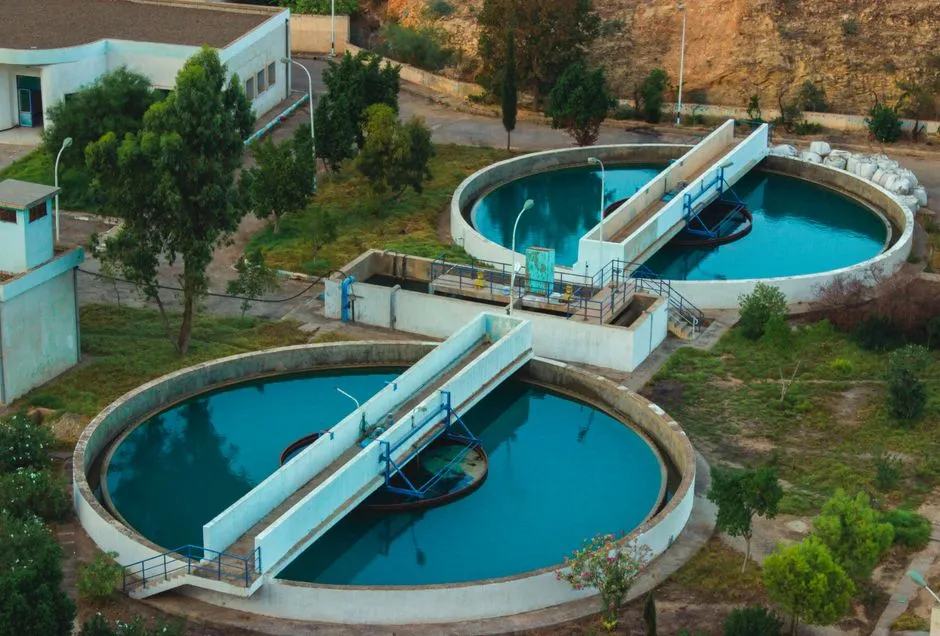
The matrix below summarizes the parameter contrast an engineer needs to defend the technology choice in a design review. Values are taken from the manufacturer sources cited in the table; cells where the research did not supply a number are marked "request from supplier."
| Parameter | DAF (dissolved air flotation) | Lamella / inclined plate clarifier |
|---|---|---|
| Best-fit pollutant class | FOG, free and emulsified oil, light suspended solids, colloidal matter (Clearwater Industries, 2026) | Dense suspended solids, metal-bearing sludge, fibrous or gritty particulates |
| Packaged flow envelope | 1 m³/hr to 250 m³/hr (ClearFox) | Request from supplier based on surface loading |
| Surface loading rate | Not specified in research for this product class | 20-40 m/h (HydropureWater) |
| Standard materials | 304SS standard; 316SS or polypropylene options for corrosive streams (Clearwater Industries, 2026; ClearFox) | Request from supplier; polypropylene is used for chloride and acid resistance in this product class (ClearFox) |
| Skid layout | Single skid for flows of 66 GPM or less; two-skid modular above 66 GPM (Clearwater Industries, 2026) | Not specified in research |
| Sludge character | Vertical-upward designs report up to twice the dry solids of conventional flotation (ClearFox) | Design-dependent; typically thicker underflow than a conventional clarifier |
| Startup requirement | Clean-water fill and recirculation pump needed (Clearwater Industries, 2026) | No special clean-water startup |
| Energy profile | Higher due to saturator pump and recycle loop | Lower; gravity-driven with no recycle pump |
| Chemical conditioning | Required upstream via flocculation tubes or mix tanks (Clearwater Industries, 2026) | Required when target is TSS or metals precipitation |
The footprint and flow row is the one most often misread. Packaged DAF units in this class are available from 1 m³/hr up to 250 m³/hr (ClearFox), which means a single skid can cover most chemical-plant sidestreams. Lamella clarifiers achieve high surface loading (20-40 m/h per HydropureWater), so a smaller tank handles a given settleable-solids load. DAF in this class is offered in 304SS standard with 316SS or polypropylene options for corrosive chemical streams, and polypropylene DAF bodies are specifically noted for chloride and acid resistance (Clearwater Industries, 2026; ClearFox). One caveat the engineer should not miss: DAF requires a clean-water fill and recirculation pump to start, so equalization and clean-water supply must be in scope (Clearwater Industries, 2026). A HydropureWater DAF system paired with a HydropureWater lamella clarifier covers the full pollutant range without forcing a compromise on either side.
Clarksville, TN: Pretreatment and Discharge Reality in 2026
The local discharge path is what ultimately decides which technology to buy. A chemical plant discharging to a publicly owned treatment works (POTW) must meet that POTW's pretreatment limits — typically oil and grease, TSS, pH, and often metals — while a plant with a direct surface-water discharge faces state NPDES limits. The EPA Development Document for Effluent Limitations Guidelines (nepis.epa.gov) is the upstream source of categorical limits that POTW pretreatment programs inherit, and it is the right reference when an engineer is arguing equipment choice against a specific limit.
The practical implication for a 2026 chemical plant in the Clarksville area is straightforward. High FOG streams typically need flotation to hit an oil-and-grease limit consistently, because emulsified oil does not settle in a reasonable residence time. High-metal or high-TDS streams typically need lamella or conventional sedimentation plus chemical precipitation to hit metals limits, because precipitated metal hydroxides are dense and settle readily. The limit, not the chemistry, often dictates the answer — and that is why the engineer should pull their own local POTW's limiting concentrations before finalizing the technology.
For a deeper look at how dissolved-air flotation pairs with biological polishing on refinery-style streams, the DAF vs clarifier guide for Penn Yan chemical plants covers a similar intake logic in a different regulatory context, and the phenol wastewater treatment guide walks through the soluble-COD fraction that neither DAF nor a lamella clarifier will polish on its own.
Sizing, Footprint, and Chemical-Dosing Inputs to Request
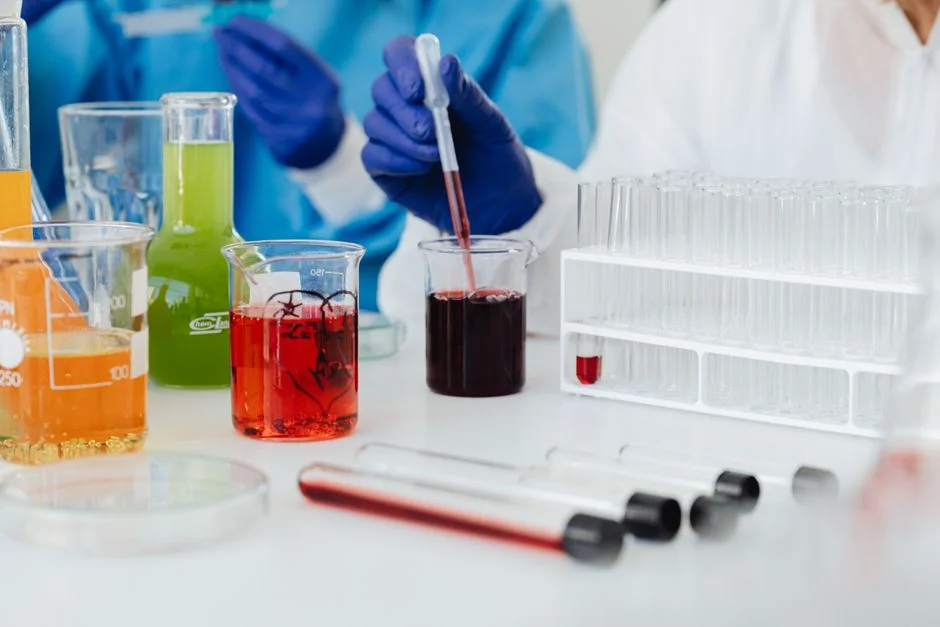
Turning the comparison into a real quotation means writing the RFQ with the inputs the supplier actually needs. DAF units in this product class span 1-250 m³/hr, and packaged DAF skids split between single-skid for flows of 66 GPM or less and a two-skid modular layout above 66 GPM (Clearwater Industries, 2026; ClearFox). For a lamella clarifier, the surface loading of 20-40 m/h (HydropureWater) lets a smaller tank handle a settleable-solids load, but a DAF needs additional space for the chemical conditioning train — flocculation tubes or mix tanks — which should be priced in the same scope.
The inputs the engineer should put on the supplier RFQ are the same regardless of which clarifier is selected: flow rate (average and peak), influent TSS, FOG, pH range, temperature, target effluent limits, available footprint, clean-water source for DAF startup, and material preference (304SS, 316SS, or polypropylene for corrosive chemical duty). Each of these maps to a documented design constraint, and skipping any one of them is how projects end up with a skid that does not fit the building or a metallurgy that fails in six months.
Operationally, the engineer should budget for jar testing of coagulant and flocculant dose before committing to a chemistry train, and budget for a sludge dewatering step downstream of whichever clarifier is selected — a sludge dewatering filter press sized to the expected dry-solids yield. DAF systems that produce up to twice the dry solids of conventional flotation (ClearFox) reduce the size of the downstream press, which is a real capital line item the procurement team will want to see. The chemical conditioning train itself should be specified as an automatic chemical dosing system with PLC control, not as a loose set of metering pumps, so dose trim can be tied to the jar-test results.
Decision Framework: Which One Should Your Plant Pick?
The rule of thumb an engineer can apply in a single meeting, without rereading the article, comes down to the dominant pollutant class and the form of the discharge limit. The matrix below restates the decision logic in extractable form for procurement and EHS.
| If your dominant load is… | And your limiting parameter is… | Pick as primary clarifier |
|---|---|---|
| FOG, free or emulsified oil, light suspended solids, colloidal matter | Oil and grease limit (mg/L) | DAF |
| Dense, settleable solids, often metal-bearing from precipitation | TSS or metals limit (mg/L) | Lamella clarifier |
| Mixed: oil carryover plus a metal-precipitation step downstream | Both oil and grease and TSS/metals | DAF followed by lamella clarifier |
| Soluble COD (phenols, refractory organics) | COD limit (mg/L) | Neither as a stand-alone; add biological or advanced oxidation |
Three operational rules apply in every case. Pick DAF as the primary clarifier if the dominant load is FOG, free or emulsified oil, or light suspended solids, or if the discharge limit is expressed as oil and grease. Pick a lamella clarifier as the primary clarifier if the dominant load is dense, settleable, often metal-bearing solids, or if the limiting parameter is TSS from inorganic sources. Consider a DAF followed by a lamella clarifier when the plant sees a wide spectrum — for example, an organics-rich chemical process with both oil carryover and a heavy metal-precipitation step downstream. Always specify chemical conditioning and sludge dewatering in the same scope, regardless of which primary clarifier is chosen, because the conditioning train is what determines whether either technology actually hits its number.
For plants weighing DAF against sedimentation in a different industry, the DAF vs clarifier guide for Blue River mining and metals plants applies the same matrix to a denser, more inorganic stream and is a useful counterpoint.
Frequently Asked Questions
How much does a DAF system cost compared to a lamella clarifier for a chemical plant?
The supplied research does not include pricing for either technology, so any quoted number would be invented. What the research does support is the cost-shaping inputs the buyer should request on every quote: flow envelope (DAF units in this class span 1-250 m³/hr per ClearFox), material selection (304SS standard, 316SS or polypropylene for corrosive chemical duty per Clearwater Industries, 2026), skid count (single skid up to 66 GPM, two-skid modular above 66 GPM per Clearwater Industries, 2026), and whether the sludge stream will hit up to twice the dry solids of a conventional DAF (ClearFox), which shrinks the downstream dewatering press and its capital cost. Ask each supplier to itemize those four lines plus installation, instrumentation, and startup commissioning before comparing bids.
What should a chemical plant engineer look for when selecting a DAF or clarifier supplier?
The research points to four supplier-selection checks that a chemical plant can verify before signing. First, confirm the manufacturer builds the metallurgy the stream actually needs — 304SS standard, 316SS, or polypropylene for chloride and acid resistance (Clearwater Industries, 2026; ClearFox). Second, confirm flow coverage matches the plant's average and peak flow, including whether the unit ships as a single skid or a two-skid modular layout above 66 GPM (Clearwater Industries, 2026). Third, confirm the chemical conditioning train is integrated or supplied as a matched automatic chemical dosing system, because a standalone DAF or lamella clarifier without conditioning will underperform. Fourth, request documented jar-test support and a sludge-handling recommendation, since the downstream sludge dewatering filter press sizing depends on the dry-solids yield the primary clarifier actually delivers.
Can a DAF system remove soluble COD, or is that a clarifier job?
Neither technology removes soluble COD as a stand-alone step. The ClearFox product literature explicitly notes that DAF performs very well where COD is mainly from oil, grease, and suspended solids, but is "usually lower as a standalone step because much of the COD is dissolved and biodegradable rather than floatable" in streams like dairy, and is "often limited by dissolved dyes and soluble organics" in textile streams. A DAF or lamella clarifier is therefore pretreatment for the dissolved-COD fraction, and the engineer should plan a biological or advanced-oxidation step downstream when the discharge limit is expressed as COD rather than as oil and grease or TSS.
Does a chemical plant need a clean-water source to start a DAF?
Yes, and this is the single most often missed scope item. Clearwater Industries (2026) states explicitly that clean water must be accessible for a DAF system to start, because the saturator needs clean water to pressurize and dissolve air; filling the unit with wastewater risks damaging the recirculation pump and air saturation system and will discharge dirty, non-clarified water for an extended period. A lamella clarifier has no equivalent clean-water startup requirement, which is one operational reason a plant with a constrained clean-water supply sometimes chooses sedimentation as the primary even when FOG is present.