What 'Domestic Sewage Treatment in Oman' Actually Means in 2026
Domestic sewage in Oman is the water consumed by households and transferred to treatment either via sewer networks or by tanker from septic containers, then treated for irrigation reuse or controlled discharge under Omani standards (Baawain et al., 2014, PMC4450684). The asset base behind that definition is large: more than 350 wastewater treatment plants are distributed across different parts of Oman, with the majority operating as extended-aeration activated-sludge systems and a smaller share as stabilization ponds (Baawain et al., 2014, PMC4450684).
For B2B engineers, EPC contractors and facility managers in 2026, this means a new or retrofit domestic sewage treatment plant in Oman has to align with Omani standards on effluent quality and sludge reuse, and with the practical reality that most operators, parts and O&M contractors are already trained on extended-aeration flows. New build is therefore typically a greenfield packaged plant for a new township or estate, or a retrofit/upgrade of the existing extended-aeration fleet, rather than a greenfield shift to an unfamiliar process.
Oman's Installed Base: Extended-Aeration Activated Sludge as the Baseline
A site survey of 37 Omani sewage treatment plants (15 main and 22 small) found that roughly 96% of STPs were operating as extended-aeration processes, with the remainder operating as stabilization ponds which do not produce sludge at monthly and annual intervals (Baawain et al., 2014, PMC4450684). For buyers, that single statistic sets the risk baseline: extended-aeration is the lowest-risk option because local operators, spare parts and O&M contractors already know the flow, and the failure modes are well documented. For designers, the inverse rule applies: any move to a different biological process — packaged A/O, MBR, SBR — has to be justified with concrete numbers on effluent quality, footprint reduction, reuse viability, or sludge yield, not on novelty. Because the 96% share is biological activated sludge, the supporting infrastructure — RAS/WAS lines, sludge drying beds, thickening, and dewatering — is a near-universal requirement on every Omani site, not an optional add-on. Buyers should therefore evaluate any new process against what the existing sludge chain can already handle before changing the upstream biology.
Influent and Sludge Characteristics You Must Design For
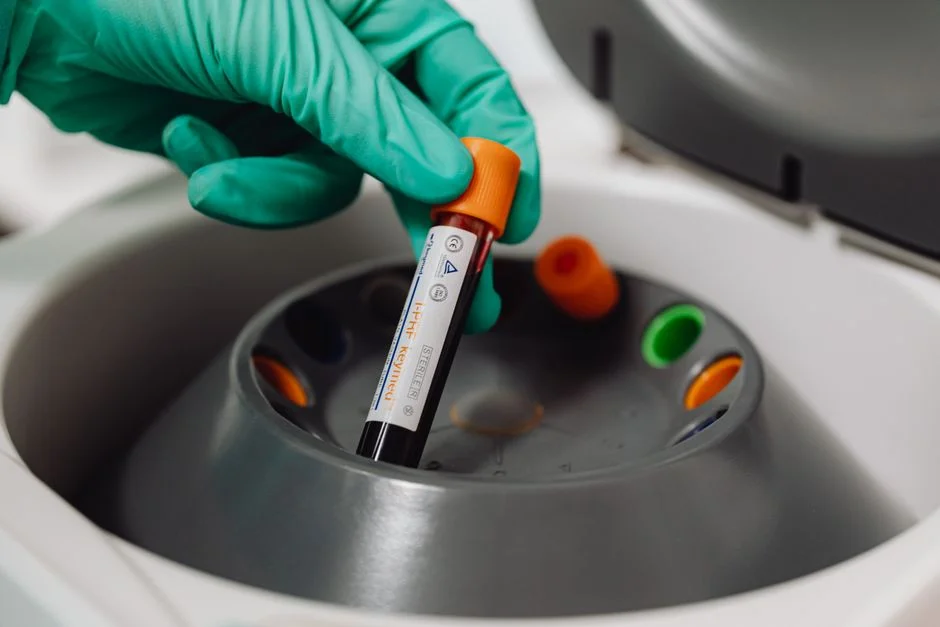
Six domestic STPs in Muscat, Sohar and Salalah were sampled monthly for a year in 2010, with all tests conducted according to Standard Methods for the Examination of Water and Wastewater (Baawain et al., 2014, PMC4450684). The headline finding for process designers is that chloride, sulfate and phosphate were higher than the other anions, and phosphate was found very high in all domestic STPs (Baawain et al., 2014, PMC4450684) — that single line sets the chemical-dosing envelope for any P-removal step. Sludge volatile content ranges were broader than the 50–70% range typical of secondary sludge: VC% in RAS was 44–86% and in WAS was 41–77% (Baawain et al., 2014, PubMed W2119755117), with the upper WAS bound signalling a high organic load that directly drives digester and dewatering sizing. The average values of cations in both domestic RAS and WAS samples were within Omani Standards, suggesting the domestic sludge can be re-used in agriculture — but the 2001 STP analyses indicated that none of the studied sludges could be utilized for application to land under current International Regulations without co-composting (Baawain et al., 2014, PMC4450684). At industrial-estate STPs (Rusayl, Sohar, Raysut), EC at RIE was more than 1000 µS/cm and Cd was elevated at RSL.IE — a reminder that 'domestic' influent at an industrial estate can carry heavy metals that block agricultural reuse (Baawain et al., 2014, PubMed W2119755117). Because the underlying study is from 2010/2014, the practical move is to request the latest 12-month characterization from the operator or authority before fixing design loadings.
| Parameter | Scope / Location | Measured value | Source / date |
|---|---|---|---|
| Phosphate | 6 domestic STPs, Muscat / Sohar / Salalah | Very high in all domestic STPs | Baawain et al., 2014 (PMC4450684), 2010 sampling |
| Volatile content, RAS | 3 industrial-region STPs (RSL.IE, SIE, RIE) | 44–86% | Baawain et al., 2014 (PubMed W2119755117), 12-month sampling |
| Volatile content, WAS | 3 industrial-region STPs (RSL.IE, SIE, RIE) | 41–77% | Baawain et al., 2014 (PubMed W2119755117), 12-month sampling |
| Electrical conductivity | RIE (Raysut Industrial Estate) | > 1000 µS/cm | Baawain et al., 2014 (PubMed W2119755117) |
| Cd in sludge | RSL.IE (Rusayl Industrial Estate) | Elevated vs Omani Standard | Baawain et al., 2014 (PubMed W2119755117) |
| Land-application eligibility, 2001 analyses | Studied Omani STPs | None met international land-application limits without co-composting | Baawain et al., 2014 (PMC4450684) |
Process Options for 2026: Activated Sludge vs Packaged A/O vs MBR
The Omani default remains the conventional or extended-aeration activated-sludge basin — 96% of surveyed plants use it (Baawain et al., 2014, PMC4450684) — which is proven, low-chemistry, and the lowest-risk baseline, but it is footprint-hungry and its effluent ceiling is set by the secondary clarifier. A packaged A/O underground sewage treatment plant combines anoxic/aerobic biological contact oxidation with sedimentation and disinfection in a single buried package unit, runs fully automated with no operator required, and covers 1–80 m³/h for residential communities, hotels, hospitals, factories, and rural areas, installable below grade or on a trailer for mobile deployment (HydropureWater verified product catalog, WSZ Series). An MBR membrane bioreactor system pairs submerged PVDF membrane filtration with activated sludge to deliver near-reuse-quality effluent in roughly 60% of the conventional footprint, and is the right fit for tight sites or where reuse is mandated. The selection rule of thumb is simple: choose extended-aeration when reusing the existing basin and conventional discharge is the target; choose packaged A/O for small communities or temporary sites where burial, low operator presence, and fast install matter; choose MBR when the site is space-constrained, reuse is the goal, or the downstream disinfection bar is high. The trade-off the buyer must price is that extended-aeration is capex-light but opex-heavy on sludge — up to 60% of total operating cost (Baawain et al., 2014, PMC4450684) — while MBR is capex-heavier with lower sludge yield and better reuse value.
| Option | Footprint | Effluent quality | Operator demand | Capex / Opex tilt | Best-fit Omani use case |
|---|---|---|---|---|---|
| Extended-aeration activated sludge (96% baseline, S2) | Large | Conventional discharge; reuse limited by clarifier | Trained O&M needed | Capex-light, opex-heavy on sludge | Retrofit of existing basin, conventional discharge |
| Packaged A/O underground (WSZ, 1–80 m³/h) | Small, buried | Disinfection included in package | Fully automated, no operator | Mid capex, low opex | Small communities, hotels, hospitals, rural/temporary sites |
| MBR membrane bioreactor (10–2,000 m³/day) | ~60% of conventional | Near-reuse quality, high and stable | Membrane maintenance, lower biological operator load | Capex-heavier, lower sludge yield | Space-constrained sites, mandated reuse, tight discharge limits |
Pretreatment, Disinfection and Effluent Polishing
The biological stage only carries the load if the upstream and downstream stages are correctly specified. Headworks should start with a continuous-duty rotary mechanical bar screen to remove rags, plastics and fibrous debris that would otherwise foul aeration tanks and membranes. Because phosphate was found very high in all domestic STPs in the Omani characterization (Baawain et al., 2014, PMC4450684), an automatic chemical dosing system with PLC-controlled injection of coagulants, flocculants, pH adjusters and specialty chemicals should be in the base scope wherever a P-limit applies. For disinfection, a UV sterilizer is effective against chlorine-resistant Cryptosporidium and Giardia and avoids DBPs in reuse water; where a residual disinfectant is required in the distribution network, an on-site chlorine dioxide generator produces high-purity ClO₂. If irrigation or higher-class reuse is the end use, follow disinfection with an ultrafiltration polishing step (0.03 µm PVDF, automatic backwash and air scour) or an RO stage, depending on the reuse class. Every stage should sit on its own PLC I/O list with confirmed power, water and instrument-air utilities, because Omani sites often run on intermittent utilities and that constraint must be priced into the UPS, generator and buffer-tank sizing before RFQ.
Sludge Handling and Reuse Under Omani Standards
Sludge is the single largest cost centre in any Omani domestic STP: surplus sludge treatment has been estimated at up to 60% of the total operating cost of a wastewater treatment plant (Baawain et al., 2014, PMC4450684), so the sludge strategy is a board-level decision, not an afterthought. The national consolidation route is that surplus sludge is collected by Oman Fertilizer Company, which transports it to Al-Khabourah (west of the Muscat area) for composting (Baawain et al., 2014, PMC4450684); the haulage distance and tipping terms from the new site to Al-Khabourah should be confirmed during sizing so on-site storage is not undersized. On reuse eligibility, the 2001 STP analyses indicated that none could be utilized for application to land under current International Regulations, but metal content is reduced in admixture with non-hazardous domestic wastes during composting and may therefore be suitable for land spreading (Baawain et al., 2014, PMC4450684) — the caveat should be passed through to the end client in writing. On-site, a plate and frame filter press for sludge dewatering should be sized to the WAS flow and the 41–77% VC range (Baawain et al., 2014, PubMed W2119755117), with manual, hydraulic, or fully automatic PLC-controlled presses available across a wide filtration-area range. Pair the press with sludge drying beds sized for the RAS/WAS volumes, because the 2010–2014 Omani STP study recommended that sludge drying beds should be large enough to handle the produced sludge for better management (Baawain et al., 2014, PubMed W2119755117).
Sizing, Supplier Evaluation and Risk Checklist for 2026
A defensible 2026 procurement starts with the inputs a buyer must lock before going to RFQ: average and peak daily flow (m³/day), BOD/COD/TSS influent, target effluent class (discharge vs irrigation reuse), footprint envelope, available hydraulic head, and the operator skill level the site can sustain — these should be issued as one datasheet to every bidder so the proposals are comparable. The process-fit check is to require each bidder to show the proposed train against Oman's installed-base baseline (extended-aeration activated sludge, per Baawain et al., 2014, PMC4450684) and justify any deviation with footprint, reuse, or sludge-yield numbers. The sludge-fit check is a mass balance on sludge produced per m³ treated and a downstream plan that accounts for the 60%-of-OPEX sludge cost (Baawain et al., 2014, PMC4450684) and the Oman Fertilizer Company / Al-Khabourah haulage route. The compliance check is insistence on Omani Standard compliance for cations/anions in any reused sludge stream, with the 2001 land-application caveat (Baawain et al., 2014, PMC4450684) flagged to the end client. The Oman-specific risk register should include high phosphate in domestic sewage — confirm chemical-dosing capacity (Baawain et al., 2014, PMC4450684) — elevated EC and Cd findings at industrial-estate STPs — confirm influent monitoring (Baawain et al., 2014, PubMed W2119755117) — and intermittent utilities, where UPS and buffer-tank sizing have to be priced in. The logistics check is to confirm lead time, local service presence, and the use of skidded, pre-wired, factory-tested packages to minimize on-site work in remote governorates. Readers comparing regional delivery terms and process choices can also reference the regional domestic sewage treatment guide for Doha, and the WETEX 2026 regional water-industry event for supplier shortlisting.
| Checklist item | What to require from the bidder | Anchor in Omani evidence |
|---|---|---|
| Sizing inputs | Single datasheet: average/peak flow, BOD/COD/TSS, target effluent, footprint, head, operator skill | Buyer-driven; no direct citation |
| Process-fit vs baseline | Justify any deviation from extended-aeration with footprint / reuse / sludge-yield numbers | 96% extended-aeration baseline, Baawain et al., 2014 (PMC4450684) |
| Sludge mass balance | kg DS per m³ treated; downstream plan to Al-Khabourah | Up to 60% of OPEX, Oman Fertilizer Company / Al-Khabourah route, Baawain et al., 2014 (PMC4450684) |
| Compliance | Omani Standard cations/anions; 2001 land-application caveat disclosed to client | Baawain et al., 2014 (PMC4450684) |
| High phosphate risk | Chemical-dosing capacity in base scope | Phosphate very high in all domestic STPs, Baawain et al., 2014 (PMC4450684) |
| Industrial-estate influent risk | Influent monitoring plan for EC and Cd | RIE EC > 1000 µS/cm, RSL.IE Cd elevated, Baawain et al., 2014 (PubMed W2119755117) |
| Intermittent utilities | UPS, generator, buffer-tank sizing | Site-condition input; no direct citation |
| Logistics | Lead time, local service, skidded/factory-tested packages | Buyer-driven; no direct citation |
Frequently Asked Questions
Which sewage treatment process is most common in Oman today?
Roughly 96% of Oman's surveyed sewage treatment plants operate as extended-aeration activated-sludge systems, with the remainder as stabilization ponds (Baawain et al., 2014, PMC4450684). For most retrofits that remains the lowest-risk baseline.
What is the realistic 2026 budget envelope for a domestic sewage treatment plant in Oman?
The published Omani evidence does not provide a 2026 unit-price for domestic sewage treatment in Oman; instead, the cost anchor to use in any RFQ is that surplus sludge handling alone has been estimated at up to 60% of the total operating cost of a wastewater treatment plant (Baawain et al., 2014, PMC4450684). A buyer should request an itemized split of capex (process package, headworks, disinfection, sludge dewatering) and opex (energy, chemicals, sludge haulage to Al-Khabourah) from each bidder and benchmark those line items against each other rather than against a headline number.
How do I choose between packaged A/O and MBR for a 1,000 m³/day community plant in Oman?
Use packaged A/O when the priority is low operator presence, buried installation, and fast deploy at a small community or temporary site, and MBR when the site is space-constrained or reuse quality is mandatory. The deciding check is the footprint and reuse requirement: MBR delivers near-reuse quality in roughly 60% of the conventional footprint, while a packaged A/O unit keeps civil works and operator headcount low at the cost of a tighter effluent ceiling.
Can treated sewage sludge from an Omani STP be used in agriculture?
The 2001 STP analyses indicated that none of the studied Omani sludges could be utilized for application to land under current International Regulations, but metal content is reduced in admixture with non-hazardous domestic wastes during composting and may therefore be suitable for land spreading (Baawain et al., 2014, PMC4450684). Confirm compliance against the latest Omani Standard for cations/anions in any reused sludge stream before committing to a land-application route.