
What a Belt Filter Press Does and Why Design Parameters Matter
A belt filter press is a continuous dewatering device that uses two tensioned porous belts moving in sequence through a gravity drainage zone, a wedge (W) zone, and one or more shear/high-pressure roll zones to compress sludge into a non-liquid cake. Design parameters govern how the press performs on a given sludge: belt speed controls residence time, belt width and effective filtration area set hydraulic capacity, pressure zone loading sets cake dryness, and polymer (flocculant) conditioning sets solids capture and cake release. The U.S. EPA fact sheet on belt filter presses (EPA 832-F-00-057, September 2000) defines the technology as a residuals-volume-reduction step that produces a non-liquid cake for downstream storage, processing, transfer, end use or disposal. In 2026 these parameters are still selected per-sludge, typically after a jar test and a vendor pilot run.
Each of the inputs a specifier writes into a BFP datasheet is coupled to a sludge property, not chosen independently from a vendor catalog. The EPA fact sheet frames the benefit of the technology around volume reduction, improved downstream operation, and lower cost of subsequent storage, processing, transfer, end use or disposal (EPA 832-F-00-057, September 2000). That benefit only materialises if belt speed, belt width, pressure zone loading, hydraulic capacity, polymer dose and feed solids are matched to the rheology of the sludge being treated. A press that is well-sized for an aerobically digested municipal biosolids feed will routinely underperform on a fibrous paper-mill primary sludge at the same feed flow, which is why every BFP sizing in 2026 should still be treated as a per-sludge engineering exercise rather than a catalog selection.
The Three Process Zones That Define BFP Geometry
BFP geometry is the framework the design parameters act upon, and every press is built around three physical zones. In the gravity drainage or thickening zone, sludge is distributed across the width of the two belts and free water drains by gravity through the porous belt before any pressure is applied; this zone performs the bulk of the dewatering work and is the point at which feed solids percentage has its largest effect on downstream capacity. In the wedge (W) zone, the two belts converge and gently squeeze the sludge mat, initiating shear between the belt and the floc; this is the zone where a poorly flocculated sludge loses fines to the filtrate, and where an over-conditioned floc is broken apart and re-releases those same fines. In the high-pressure / shear roll zone, a series of progressively smaller diameter rolls apply increasing line pressure to the mat, finishing the dewatering; roll diameter, wrap angle and belt tension together set the peak pressure the cake experiences at the end of the press.
The qualitative trade-off that every BFP design resolves is built into this geometry: more rolls and higher line pressure generally yield drier cake at the cost of higher solids loss to filtrate and shorter belt life. The HydropureWater plate-and-frame filter press for batch dewatering resolves the same trade-off by applying a single high closing force on a sealed chamber rather than a sequence of progressively loaded rolls, and that distinction is the basis of the selection rule discussed later in this article.
Core Design Parameters: What the Engineer Must Specify
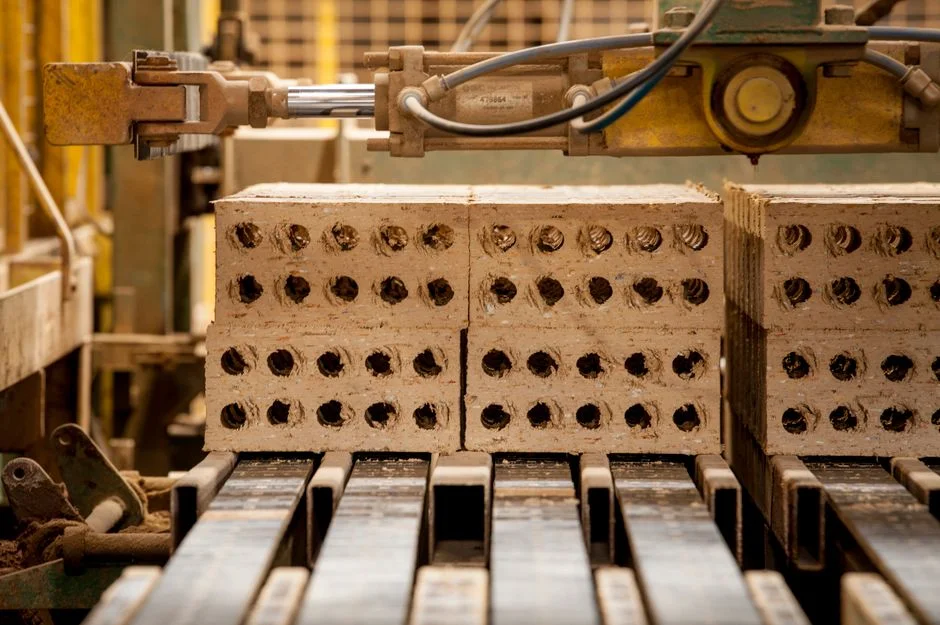
The datasheet parameters below are the inputs an engineer must specify, evaluate or demand from a vendor in 2026. The supplied research contains no verified numeric ranges for belt speed, pressure zone loading, polymer dose or cake dryness target, so the table intentionally leaves those cells blank and identifies the input a buyer must obtain from a jar test and a vendor pilot run.
| Parameter | What it controls | Typical 2026 source of the value |
|---|---|---|
| Belt speed (m/min) | Cake residence time and hydraulic throughput; primary tuning knob during pilot | Vendor pilot run on the actual sludge |
| Belt width / effective filtration area (m, m²) | Hydraulic capacity of the press for a given feed solids and belt speed | Vendor catalog, sized against pilot hydraulic loading |
| Pressure zone loading (kN/m line pressure) | Peak cake dryness achievable at the end of the high-pressure roll train | Vendor pilot test report; not present in the supplied research |
| Hydraulic loading (m³/h feed flow) | Volumetric throughput the press must accept | Plant flow balance; cross-checked against pilot |
| Feed dry solids (%) | Dry-solids mass throughput and gravity-zone performance | Plant data; jar-test and pilot confirmation |
| Polymer type and dose (g active/kg dry feed solids) | Floc strength, cake release, centrate quality, belt blinding rate | Jar test on actual feed sludge, then pilot-confirmed |
| Cake dryness target (% dry solids) | Design endpoint; sets required pressure zone loading and roll count | Disposal route requirement; pilot cake dryness and full-scale range from vendor |
| Belt material and weave | Filtrate clarity, cake release, belt life | Vendor catalog, matched to sludge abrasiveness |
Belt speed is the linear speed of the belts through the press; it controls cake residence time and throughput, and is the primary tuning knob during a pilot run. Faster belt speed raises capacity but typically reduces cake dryness on the same sludge, because the cake spends less time under pressure. Belt width and effective filtration area set the hydraulic capacity of the press for a given feed solids and belt speed; the EPA fact sheet scope confirms BFPs are sized to a target hydraulic throughput, not a target cake weight (EPA 832-F-00-057, September 2000). Pressure zone loading is the line pressure applied by the high-pressure rolls, controlled by roll diameter, wrap angle and belt tension; the highest-pressure zone sets the achievable cake dryness. Exact pressure values must be requested from the BFP vendor's pilot test report because the supplied research contains no verified numeric ranges.
Hydraulic and solids loading — feed flow (m³/h) and feed dry solids (%) together set the dry-solids throughput the press must handle; below the design feed solids, the gravity zone underperforms and centrate quality drops. Polymer (flocculant) type and dose — anionic polyacrylamide emulsions or powders are typical; dose is normally set by jar test in grams of active polymer per kilogram of dry feed solids, and the supplied research contains no verified dose ranges, so the writer should request pilot-derived dose values. Cake dryness target is the design endpoint, expressed as percent dry solids of the discharged cake; this drives the choice of pressure zone loading and the number of high-pressure rolls, and the writer should request pilot cake dryness and full-scale expected range from the vendor. Belt material and weave — polyester monofilament weaves are typical; the choice affects filtrate clarity, cake release and belt life, and is a maintenance-driven design parameter as much as a performance one.
Sludge Rheology and Polymer Conditioning as Design Inputs
Polymer selection is a design parameter, not an operations afterthought. Cationic versus anionic charge, molecular weight, and emulsion versus powder form all change how the floc responds in the gravity and wedge zones, and a BFP that is mechanically well-sized can still fail if the upstream conditioning is wrong. The standard method to set polymer type, dose and mixing energy before the BFP is sized is a jar test on the actual feed sludge; without it, every other design parameter in the datasheet is a guess. The qualitative coupling is direct: under-conditioned sludge gives wet cake, high centrate solids and rapid belt blinding, while over-conditioned sludge gives dry cake but breaks the floc in the W-zone and re-releases fines, also blinding the belt and shortening belt life.
For BFP duties, polymer dose is normally expressed per kilogram of dry feed solids rather than per cubic metre of feed, because feed solids varies day to day at most plants and a per-volume setpoint will under-dose on a thick day and over-dose on a thin one. A reliable automatic polymer dosing system for sludge conditioning is therefore part of the design parameter set, not an accessory. For plants pairing a BFP with an upstream high-rate anaerobic stage, the BFP feed character — and therefore the polymer demand — is set by the sludge yield and washout of the reactor; a review of UASB reactor process flow and sludge yield for BFP feed is the starting point for sizing the conditioning step before the press is selected.
Belt Filter Press vs Plate-and-Frame Filter Press: When to Choose Which
The selection rule between these two technologies is driven by duty size, continuity, and the dryness required at the disposal endpoint. A BFP is continuous and typically delivers lower cake dryness at higher throughput per unit footprint; a plate-and-frame filter press is batch and typically delivers higher cake dryness at lower throughput per unit footprint, with higher solids capture. Use a BFP when the duty is large, continuous, and the cake is going to incineration, landfill or land application where moderate dryness is acceptable; use a plate-and-frame filter press when the duty is smaller, batch, and the cake must be very dry for disposal economics or hauling cost. The HydropureWater plate-and-frame catalog range — 1 m² to 500 m² filtration area, with manual, hydraulic, or fully automatic PLC-controlled operation — is the comparator envelope for sizing the batch alternative.
Operational differences matter as much as performance ones. A BFP requires a reliable polymer feed and a skilled operator for belt tracking and wash-water management; a plate-and-frame requires more floor space, more cycle-time attention, and usually a higher-pressure hydraulic power pack. Where the upstream stream is a high-rate anaerobic effluent with low residual solids, the BFP is usually the wrong tool and the comparison is better made against other low-load dewatering options; EGSB reactor design parameters for high-rate anaerobic treatment cover that case.
| Selection criterion | Belt filter press (BFP) | Plate-and-frame filter press |
|---|---|---|
| Duty profile | Continuous, large throughput | Batch, smaller throughput |
| Typical cake dryness | Lower (moderate dryness acceptable at disposal) | Higher (dry cake for hauling or disposal economics) |
| Footprint per unit throughput | Lower | Higher |
| Solids capture | Lower; sensitive to polymer conditioning | Higher; less sensitive to conditioning |
| Polymer demand | Continuous; jar-test setpoint, g active/kg dry feed solids | Lower per cycle; still required for cake release |
| Operating skill needed | Belt tracking, wash-water, polymer feed | Cycle timing, cloth maintenance, hydraulic pack |
| Catalog envelope (HydropureWater) | Project-specific; sized to hydraulic loading | 1 m² to 500 m² filtration area, manual / hydraulic / PLC |
Putting It Together: A 2026 Sizing Workflow
A repeatable workflow separates a defensible BFP spec from a catalog copy-paste. Step 1: characterise the sludge — feed dry solids %, volatile fraction, temperature, and any grit or fibrous content that will affect belt life. Step 2: run a jar test to lock in polymer type, dose and mixing energy; record the resulting floc strength and free-drainage rate as inputs to the pilot. Step 3: request a vendor pilot run on the BFP, measuring belt speed window, hydraulic loading, centrate quality and cake dryness; refuse any vendor proposal that does not include pilot data on your sludge. Step 4: cross-check the pilot result against the disposal route's dryness requirement and decide BFP versus plate-and-frame using the rule in the previous section.
Frequently Asked Questions
What design parameters do I need to specify a belt filter press in 2026?
You need belt speed, belt width and effective filtration area, pressure zone loading, hydraulic and solids loading, polymer type and dose, cake dryness target, and belt material and weave. The EPA fact sheet (EPA 832-F-00-057, September 2000) confirms that BFPs are sized to a target hydraulic throughput, not a target cake weight, so the feed flow and feed dry solids together set the dry-solids mass load the press must handle. The numeric values for belt speed, pressure zone loading, polymer dose and cake dryness must come from a jar test and a vendor pilot run on your sludge, because the supplied research contains no verified ranges an engineer can lift into a spec sheet without that step.
How much does a belt filter press cost, and how do I budget for it?
Capex scales with belt width, the number of high-pressure rolls, and the level of automation (manual tensioning versus PLC-controlled belt tracking and wash water). Opex is dominated by polymer consumption, belt replacement, and wash water. Because the supplied research contains no verified price ranges, request a vendor budgetary quote that includes the polymer dosing skid and the wash-water
Frequently Asked Questions
What design parameters should I specify for a belt filter press in 2026?
In 2026, standard design specifications should prioritize belt tensioning ranges of 5 to 12 kN/m, belt speeds adjustable between 1 and 10 meters per minute, and a minimum gravity drainage zone length of 3 to 5 meters. Engineers should also specify high-pressure wash water systems operating at a minimum of 70 psi (4.8 bar) with automated nozzle cleaning to prevent blinding of the synthetic monofilament belts.
Additional critical parameters include the selection of stainless steel grade 316L for all wetted components to ensure longevity against corrosive industrial effluents, and the integration of VFD-driven belt drives to allow for real-time optimization of cake solids concentration based on fluctuating feed sludge characteristics.
How do I decide between a belt filter press and a plate-and-frame filter press for sludge dewatering?
The decision relies primarily on the required final cake dryness and labor availability. Belt filter presses are continuous-process machines ideal for high-throughput applications where 18% to 25% cake solids are sufficient. They offer lower capital expenditure and lower labor requirements due to their continuous operation and automated belt washing cycles.
Plate-and-frame filter presses are batch-process machines that should be selected when higher cake dryness, typically ranging from 35% to 50%, is required for landfill cost reduction or thermal disposal. While they achieve higher solids content, they require significantly higher capital investment, larger physical footprints, and intensive manual or semi-automated labor for cake discharge.
What is the typical polymer dose for a belt filter press on industrial sludge?
The typical polymer dosage for industrial sludge on a belt filter press ranges from 2 to 10 kilograms of active polymer per dry metric ton of solids. The exact requirement is highly dependent on the specific surface charge of the sludge particles, the organic content, and the molecular weight of the cationic flocculant selected.
Optimization is generally achieved through jar testing to determine the ideal charge neutralization point, followed by site-specific pilot trials. Operators should aim for a floc size of 3 to 5 millimeters to ensure adequate drainage in the gravity zone while preventing premature blinding of the filter media.
How much does a belt filter press cost to buy and install versus a plate-and-frame press?
A belt filter press system typically requires a capital investment of $150,000 to $450,000 depending on belt width (typically 1 to 3 meters) and auxiliary equipment like polymer feed skids and sludge pumps. Installation costs generally add 30% to 50% to the equipment price, covering structural supports, piping, and electrical integration.
In contrast, a plate-and-frame filter press system frequently carries a higher initial cost of $250,000 to $750,000 due to the complexity of the hydraulic plate-shifting mechanisms and the requirement for higher-pressure feed pumps. While the initial investment is higher, the long-term operational expenditure is often offset if the higher cake dryness significantly reduces sludge transport and disposal tipping fees.
What sludge characterization data do I need before requesting a belt filter press pilot test?
Before initiating a pilot test, you must provide a comprehensive sludge profile including total solids (TS) concentration, volatile solids (VS) content as a percentage of TS, and the sludge pH. These metrics dictate the initial loading rate and chemical conditioning requirements for the press.
Furthermore, it is essential to provide data on the sludge’s specific resistance to filtration (SRF), capillary suction time (CST), and the presence of any heavy metals or hazardous constituents. Providing a representative 20-liter sample of the raw sludge, along with historical data on seasonal variations in feed quality, is critical for ensuring the pilot results accurately predict full-scale performance.