Why the DAF vs Clarifier Question Matters for Food & Beverage Plants in Sublette
Food and beverage is named as a primary DAF application in industrial wastewater treatment by Clearwater/SigmaDAF, with effluent characteristics — high FOG, high TSS, variable flow — that consistently appear on industrial DAF project lists (Clearwater, 2026-04-27). For a Sublette-area plant in 2026, the decision is not a brand preference; it is a compliance decision. Surfaces discharge to a local POTW whose 2026 pretreatment limits on FOG, TSS, BOD and pH should be requested from the utility before any equipment is selected — those limits vary and are not stated in the research provided.
The first decision is the technology family: air-driven flotation (DAF clarifier) or gravity/lamella settling (inclined plate settler or conventional clarifier). Pretreatment failure at the head of the plant cascades into surcharges, slug-load permit issues, and production downtime, so the choice has to be made from the wastewater profile, not from a vendor's standard cut sheet.
Sublette is a small municipality, and the receiving POTW is the gating constraint. If the utility's local sewer use ordinance has tightened oil and grease limits — as has been the direction of travel for many food and beverage discharges in rural Texas — the headworks unit must reliably hit those numbers across production campaigns, not just on a single sample.
How a DAF Clarifier Works in a Food & Beverage Plant
DAF systems generate 30–50 micron microbubbles that attach to chemically conditioned floc and lift suspended solids, oils and fats to the surface, where a paddle skimmer scrapes the float layer off (Clearwater/SigmaDAF, 2026-04-27). The microbubble size band is the key physical parameter: bubbles in this range have enough surface area to attach to emulsified oil droplets and fine floc particles, which is exactly the fraction that defeats a simple settling basin.
Chemical conditioning is mandatory upstream of a DAF. Coagulation and flocculation are accomplished with serpentine flocculator mix tubes or chemical mix tanks that grow the floc to a size the bubbles can lift (Clearwater/SigmaDAF, 2026-04-27). A DAF system for food and beverage wastewater will always be paired with an automatic chemical dosing train; jar tests on the actual effluent set the polymer and coagulant targets.
Surface scum is removed by a paddle skimmer. Heavier settleable solids drop into the bottom collection zone and are removed by an auger, which is why DAF actually produces two waste streams — a float and a bottom grit — rather than a single sludge (Clearwater/SigmaDAF, 2026-04-27). Standard construction is 304 stainless steel, with 316SS and polypropylene available for plants with corrosive CIP wash water or high-chloride streams (Clearwater/SigmaDAF, 2026-04-27). The COMPACT DAF variant packages chemical conditioning, DAF clarifier, sensors, instruments, and a control panel into a single skid, with a single-skid design handling flows at or below 66 GPM and a modular two-skid layout above 66 GPM (Clearwater/SigmaDAF, 2026-04-27).
How a Lamella / Conventional Clarifier Works
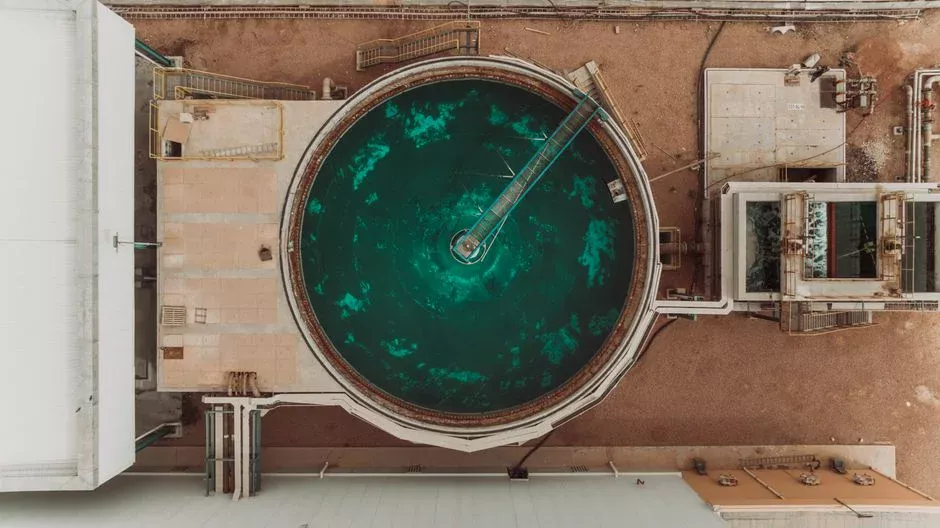
A lamella clarifier combines sludge recirculation, flocculation and inclined-plate separation in a single compact structure, which is why the footprint is typically far smaller than an old-style rectangular clarifier (HydropureWater lamella clarifier product line). The inclined plates multiply the effective settling area without enlarging the basin footprint, which lets the unit run at much higher surface overflow rates than a conventional clarifier.
Surface loading rates on a HydropureWater lamella clarifier are typically 20–40 m/h, an order of magnitude above a conventional rectangular clarifier because the plates do most of the separation work. Sludge recirculation design can reduce chemical consumption versus single-pass flocculation–sedimentation; the HydropureWater product line states a reduction of up to 30%, with the specific operating basis not detailed in the supplied research.
Mechanically, a lamella clarifier has no recycle air system, no saturator, and no skimmer. Coagulant and flocculant are dosed upstream, the floc settles onto the inclined plates, and sludge slides down to a hopper for removal. That simplicity is the main reason lamella is the default choice on low-FOG, moderate-solids streams where chemical minimization matters.
DAF vs Clarifier: Parameter-by-Parameter Comparison
DAF and lamella clarifiers both remove suspended solids, but they do it through different physics, and that difference is the entire reason a head-to-head comparison matters for a food and beverage plant in Sublette. DAF lifts particles with 30–50 micron microbubbles (Clearwater/SigmaDAF, 2026-04-27); a lamella clarifier relies on gravity settling across an inclined plate pack (HydropureWater product line). For a sub-stream loaded with emulsified FOG, only the flotation mechanism reliably carries the oil to the surface.
Footprint is the next split. Lamella's 20–40 m/h surface loading lets a given flow fit in a smaller basin (HydropureWater product line). A DAF tank is larger per unit of flow but combines flotation and sludge thickening in one vessel, so the downstream solids handling train is shorter. Both technologies require coagulation and flocculation chemistry; lamella with sludge recirculation can reduce polymer demand versus single-pass designs (HydropureWater product line). DAF chemistry is tuned for bubble attachment and floc strength, not just settling velocity.
For flow scaling, the HydropureWater DAF range covers 4–300 m³/h across 13 standard models, and the COMPACT DAF skid handles up to 66 GPM on a single skid before stepping to a modular two-skid layout (Clearwater/SigmaDAF, 2026-04-27). Both units typically hand off sludge to a plate and frame filter press for cake production.
| Parameter | DAF Clarifier | Lamella / Inclined-Plate Clarifier |
|---|---|---|
| Removal mechanism | Rising 30–50 µm microbubbles attach to floc and float FOG/solids to the surface (Clearwater/SigmaDAF, 2026-04-27) | Gravity settling onto inclined plates; sludge slides to hopper (HydropureWater product line) |
| Typical surface loading | Not stated in supplied research | 20–40 m/h (HydropureWater product line) |
| FOG / emulsified oil capture | Primary design target — float layer removed by paddle skimmer (Clearwater/SigmaDAF, 2026-04-27) | Limited; light emulsified oil tends to pass through with the effluent |
| Chemical demand | Coagulation + flocculation tuned for bubble attachment (Clearwater/SigmaDAF, 2026-04-27) | Coagulation + flocculation; sludge recirculation can cut polymer use vs single-pass (HydropureWater product line, up to 30% — basis not detailed) |
| Flow scaling (skid models) | 4–300 m³/h across 13 standard models; COMPACT DAF single-skid ≤66 GPM, two-skid above 66 GPM (Clearwater/SigmaDAF, 2026-04-27) | Modular plate packs sized to flow; specific range not in supplied research |
| Standard material of construction | 304SS standard; 316SS and polypropylene available (Clearwater/SigmaDAF, 2026-04-27) | Carbon steel / 304SS / FRP options typical; specific data not in supplied research |
| Sludge output streams | Float (scum) and bottom grit (Clearwater/SigmaDAF, 2026-04-27) | Single settled sludge stream |
| Downstream dewatering handoff | Plate and frame filter press (cake) | Plate and frame filter press (cake) |
Matching the Technology to the Food & Beverage Sub-Stream
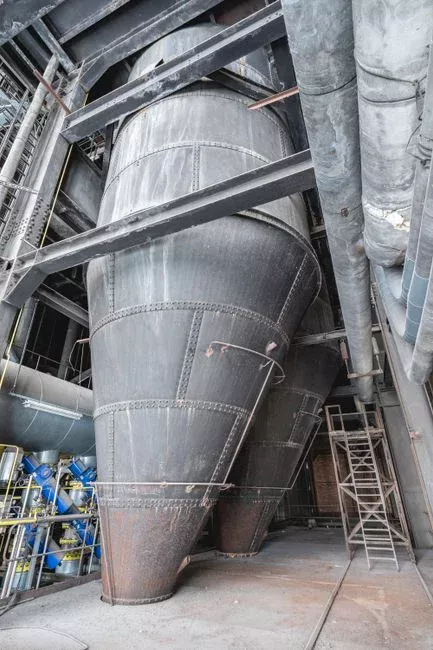
Food and beverage is not one waste stream. The DAF-vs-clarifier question resolves to the sub-stream: high-FOG/high-TSS streams almost always go to DAF, while moderate-solids, low-FOG streams are typically a lamella clarifier job. Emulsified fats are the discriminator — 30–50 micron microbubbles will attach to and float oil droplets that lamella plates cannot capture (Clearwater/SigmaDAF, 2026-04-27).
Dairy, meat processing, and oil and grease handling all carry high FOG and high TSS, which is the canonical DAF application per Clearwater/SigmaDAF (2026-04-27). Beverage bottling, fruit and vegetable wash water, and brewing produce moderate TSS with low FOG, where a lamella clarifier is typically sufficient and the lower polymer demand is a real operating benefit. Mixed facilities — co-packers, food court-style operations running multiple product lines on one discharge — see FOG and TSS swing across campaigns, and DAF's wider operating envelope plus the COMPACT DAF plug-and-play skid layout support faster reconfiguration (Clearwater/SigmaDAF, 2026-04-27).
| Sub-stream | FOG / TSS profile | Recommended primary | Why |
|---|---|---|---|
| Dairy processing | High FOG, high TSS, BOD swings | DAF | 30–50 µm microbubbles lift emulsified butterfat and casein fines (Clearwater/SigmaDAF, 2026-04-27) |
| Meat processing / rendering | Very high FOG, high TSS, blood load | DAF | Float skimmer handles continuous FOG layer; bottom auger handles settleables (Clearwater/SigmaDAF, 2026-04-27) |
| Oil and grease / fryer operations | Extreme FOG | DAF | Flotation is the only mechanism that recovers free and emulsified oil at production scale |
| Beverage bottling / soft drinks | Low FOG, low-to-moderate TSS (sugars, fines) | Lamella clarifier | Gravity settling adequate; lower chemical demand with sludge recirculation (HydropureWater product line) |
| Fruit and vegetable wash | Low FOG, moderate TSS (soil, pulp) | Lamella clarifier | Particles are settleable; inclined plates give compact footprint |
| Brewery / distillery | Low FOG, moderate-to-high BOD/TSS | Lamella clarifier, often upstream of anaerobic | Lamella handles suspended yeast and grain solids at 20–40 m/h loading (HydropureWater product line) |
| Mixed / co-packer facility | Variable FOG and TSS across campaigns | DAF (preferably COMPACT skid) | Wider operating envelope; plug-and-play skid simplifies reconfiguration (Clearwater/SigmaDAF, 2026-04-27) |
2026 Procurement and Spec Checklist for a Sublette Food & Beverage Plant
The first line on the 2026 RFQ should be a request to the local POTW for the current 2026 sewer use ordinance values: FOG (mg/L), TSS (mg/L), BOD (mg/L), pH range, and any flow-based surcharges. These limits — not the equipment catalog — decide whether DAF alone, lamella alone, or a polishing stage is required. Specific numeric limits are not stated in the research provided and must be obtained from the receiving utility before sizing.
Material of construction belongs in the spec sheet. 304SS is the standard for DAF tanks, with 316SS and polypropylene available for high-chloride CIP wash water or aggressive sanitizers (Clearwater/SigmaDAF, 2026-04-27). For lamella, the spec should call out the plate material (PP, FRP, 304SS) and the sludge recirculation pump duty if that feature is being used to cut polymer consumption.
Sludge handling is the next decision. Both DAF scum and lamella sludge should be planned for dewatering on a plate and frame filter press to consolidate into a handleable cake, and an automatic chemical dosing system should be specified upstream of either unit. Finally, insist on a pilot or on-site jar test with the actual plant effluent; the supplied research does not include generic removal percentage claims for food and beverage streams, and any quoted number should come from a vendor test on the buyer's water rather than a brochure.
Frequently Asked Questions
How much does a DAF or lamella clarifier system cost for a Sublette food and beverage plant in 2026?
No equipment price is stated in the supplied research, and list price is a poor basis for budgeting because the final cost is driven by flow rate, material of construction, and the scope of supply. Ask each vendor for a budgetary quote with the same influent flow, same FOG/TSS/BOD targets, and the same scope — including chemical dosing and filter press dewatering — so the numbers are directly comparable. Then request a separate itemized price for the skid, instrumentation, installation labor, and pilot testing so each line can be benchmarked.
What should we ask a supplier before selecting DAF or lamella in 2026?
Ask the supplier to provide, in writing, the microbubble size band and saturator design for the DAF (30–50 µm is the Clearwater/SigmaDAF reference, 2026-04-27), the surface loading rate at the proposed flow for the lamella (20–40 m/h per the HydropureWater product line), the material of construction for the wetted parts, and a pilot or on-site jar test on actual plant effluent. The supplier should also document the sludge characteristics their unit produces and confirm the cake yield expected from the downstream plate and frame filter press.
Do we still need a DAF if our food and beverage stream has only moderate FOG?
If the local POTW limit on FOG is loose and the stream is moderate-solids, low-FOG, a lamella clarifier with sludge recirculation is typically sufficient and will use less polymer than a DAF (HydropureWater product line). The decision flips when emulsified FOG is present, when the discharge limit is tight, or when the production schedule produces shock loads across campaigns — those conditions favor DAF (Clearwater/SigmaDAF, 2026-04-27). A jar test on the actual stream is the most reliable way to confirm which technology will hit the limit.
How does the Sublette-area POTW affect the technology choice in 2026?
The POTW sets the discharge envelope, so the technology choice should be driven by the local sewer use ordinance before the vendor selection begins. The 2026 FOG, TSS, BOD, and pH limits, plus any surcharge formulas, are the controlling parameters and are not stated in the research provided — they must be requested from the local utility directly. Once those limits are in hand, the headworks can be sized to them rather than to a generic cut sheet.