Why fabricated metals plants in the Pleasant Prairie area face a layered compliance regime
Discharges from fabricated metals plants in the Pleasant Prairie, WI corridor flow to a publicly owned treatment works (POTW) whose Sewer Use Ordinance is the first gate any discharger must clear. On top of that local ordinance sits the federal floor: the EPA categorical pretreatment standards for the metal finishing point source category, which set numerical limits for metals such as lead, cadmium, chromium (including hexavalent), copper, nickel and zinc, plus pH and oil and grease. Wisconsin's industrial pretreatment program, administered under Wisconsin Administrative Code ch. NR 211, layers additional monitoring, reporting and best-management-practice obligations on top of the federal rules. The local POTW enforces NR 211 through permits and the Self-Monitoring Report.
The scale of fabricated metals activity that this layered regime must absorb is significant. Direct Metals, an international steel service center, announced a relocation to a larger warehouse in Pleasant Prairie, WI on February 28, 2023, bringing cutting, shearing, sawing, punching, welding, fabrication and various special finishes to the trade area in carbon steel, stainless steel, aluminum, copper, brass and bronze (directmetals.com, 2023-02-28). That mix of substrates drags dissolved metals — chromium, nickel, copper, zinc, aluminum — into the discharge when process water, lubricants and rinse waters are combined. For a plant engineer in this corridor, the regulator requires a clear view of the process train and monitoring data from end to end. The rest of this article outlines how to manage that process.
Which shop-floor activities trigger categorical pretreatment
Fabrication-only shops whose work is limited to cutting, shearing, sawing, punching and welding primarily generate suspended solids and oil and grease waste streams rather than dissolved metals. Adding any finishing step changes that picture. Electroplating, electroless plating, anodizing, chromate conversion coating, etching or pickling pulls the facility into the EPA metal-finishing categorical standard and triggers numerical limits on dissolved metals and pH.
Even a fabrication-only shop rarely escapes metals control. Process water, lubricants and the alloys being worked all contribute loadings: stainless steel brings chromium and nickel, aluminum brings aluminum, and brass and bronze bring copper and zinc. Material guidance for wastewater fabrication equipment confirms that stainless steel, carbon steel, aluminum and nickel alloys are standard construction materials across the industry because of their corrosion resistance and durability in these service conditions (getchemready.com, "Metal Fabrication Applications in Wastewater"). The boundary between "fabrication" and "metal finishing" is a process audit question. The same site can drift in and out of categorical coverage as the work mix changes, which is why an annual process audit against the categorical triggers belongs in the compliance program.
A defensible pretreatment process train for a Pleasant Prairie metals plant
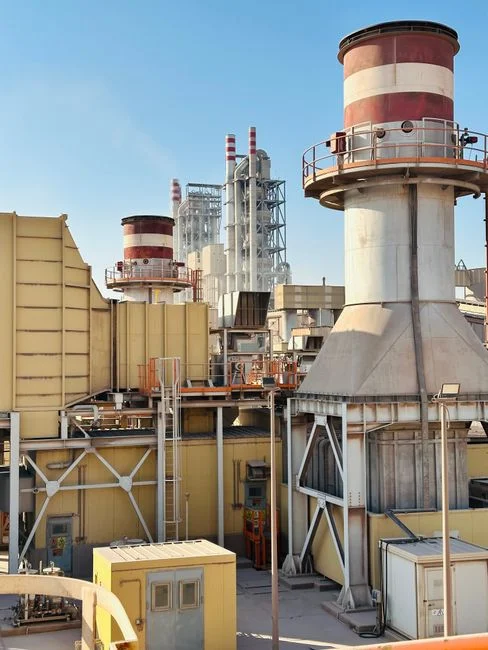
The job-shop discharge pattern is batchy and alloy-dependent, so the pretreatment train must absorb both hydraulic and load swings. The sequence below outlines the order a process engineer should use to present the system to an auditor, with each stage tied to a measurable control parameter and specific equipment.
- Equalization. A stainless or carbon steel equalization tank dampens hydraulic and load swings from intermittent batch discharges; stainless is the default material for corrosive service in wastewater fabrication equipment (getchemready.com).
- Oil/water separation. A corrugated-plate interceptor or a dissolved air flotation system for metalworking wastewater skims free and emulsified oils before the chemical stages.
- pH adjustment. PLC-controlled chemical dosing for pH, ORP and coagulant feed brings the mixed batch into the range required for the next step.
- Chromium reduction. When hexavalent chromium is present from chrome plating, chromate conversion coating or stainless pickling, the dosing platform injects a reducing agent under low-pH, ORP-monitored conditions to convert Cr(VI) to Cr(III).
- Hydroxide precipitation. pH is raised to the target value for the target metal, converting dissolved metals to settleable hydroxide flocs.
- DAF or lamella clarification. A dissolved air flotation unit or a lamella clarifier for hydroxide floc removal removes the flocs and any remaining free oil; both DAF and lamella equipment are standard unit operations in metal-fabrication wastewater treatment plants (getchemready.com).
- pH polishing. A second automatic dosing stage returns the clarified stream to the POTW's required pH band.
- Optional multi-media filtration. A multi-media filter for effluent polishing removes residual turbidity and protects downstream sewer infrastructure.
Each stage must be defensible individually. The chromium reduction step is the only stage where ORP — not just pH — is the governing control parameter, and the probe calibration log is the document a regulator will request first.
Pretreatment process train: parameter table
The table below maps each unit operation to a measurable control parameter and a documentation requirement. Numeric limits for the discharge itself are set by the EPA categorical standard and the local Sewer Use Ordinance; buyers should request those numerical limits from the POTW and from the EPA metal-finishing categorical standard before commissioning.
| Stage | Unit operation | Governing parameter | Documentation the regulator will ask for |
|---|---|---|---|
| 1 | Equalization tank (stainless or carbon steel) | Level, residence time | Tank volume vs. batch volume calculation |
| 2 | Oil/water separator or DAF | Oil and grease | Daily visual inspection of skimmings |
| 3 | pH adjustment | pH | Probe calibration log; dose-rate log |
| 4 | Chromium reduction | ORP and pH | ORP probe calibration log; reducing-agent dose log |
| 5 | Hydroxide precipitation | pH (per target metal) | pH probe calibration log; coagulant dose log |
| 6 | DAF or lamella clarifier | TSS, sludge solids | Sludge generation log; underflow solids % |
| 7 | pH polishing | pH at discharge | Probe calibration log; final pH chart record |
| 8 | Multi-media filter (optional) | Turbidity | Differential pressure log; backwash log |
Self-monitoring, sampling and the Sewer Use Ordinance checklist
The POTW's Sewer Use Ordinance serves as the controlling local instrument. It specifies the sample location (typically the last sampling manhole before discharge), the parameter list, the sampling frequency, and the form of the Self-Monitoring Report that must be filed under Wisconsin Administrative Code ch. NR 211. Standard 24-hour composite sampling with time-weighted flow proportioning is the default for metals; grab samples are used for pH and any batch-discharge event.
The records a compliance program must maintain are those a Wisconsin Department of Natural Resources inspector or a POTW industrial waste inspector will request on a routine visit: calibration logs for pH and ORP probes, chemical dose-rate logs, sludge manifests, and chain-of-custody for every compliance sample. Sludge from the DAF or lamella clarifier is dewatered on site with a plate and frame filter press for metal-bearing sludge to produce a manageable cake for off-site disposal as a metal-bearing waste. Dosing for pH adjustment, chromium reduction and the final pH polish is handled by a PLC-controlled chemical dosing for pH, ORP and coagulant feed platform so that every dose event is logged against a timestamp.
| Item | Frequency | Record location | Notes |
|---|---|---|---|
| 24-hour flow-proportioned composite sample for metals | Per Sewer Use Ordinance | Self-Monitoring Report | Chain-of-custody on file |
| Grab pH and ORP at discharge | Per batch / per shift | Continuous chart or data log | Probe calibration weekly |
| Calibration of pH and ORP probes | Weekly minimum | Calibration logbook | Two-point calibration with buffers |
| Chemical dose-rate log | Each batch | Operator logbook / PLC archive | Acid, caustic, reducing agent, coagulant |
| Sludge manifest | Each filter press cycle | Off-site disposal file | Waste hauler manifest number retained |
| Filter press operating log | Each cycle | Maintenance file | Cycle time, cake solids %, feed pressure |
Effective compliance logic for the discharge side also informs upstream decisions on equipment and suppliers. A defensible pretreatment program provides a baseline for comparing mining and metals plants near Coyanosa meeting 2026 sewer pretreatment limits and industrial inorganic chemicals plants near Middlesex meeting 2026 pretreatment limits.
Frequently Asked Questions
What does a fabricated metals plant near Pleasant Prairie actually have to meet before discharging to the sewer?
Plants must meet three instruments: the EPA categorical pretreatment standards for the metal-finishing point source category (the federal floor on dissolved metals, pH and oil and grease), Wisconsin Administrative Code ch. NR 211 (state monitoring and reporting), and the local POTW's Sewer Use Ordinance (sample location, frequency, and the Self-Monitoring Report). A plant that only satisfies the federal limits may still be out of compliance with NR 211 or the local ordinance.
How should a plant engineer budget for a compliant pretreatment system?
Budgeting should be based on three factors: the worst-case batch flow rate from the equalization tank, the target metals list (set by the EPA categorical standard for the finishing operations on site), and the local POTW's discharge limits. Before requesting a quotation, a buyer should obtain the current numerical limits from the POTW's Sewer Use Ordinance and the applicable daily maximum and monthly average limits from the EPA metal-finishing categorical standard, then provide those numbers to the equipment supplier to ensure the equalization tank, chemical dosing train, DAF or lamella clarifier, and filter press are sized correctly.
How do I choose a pretreatment equipment supplier for a job-shop scale plant?
Supplier selection should be based on process-engineering evidence rather than marketing materials. A buyer should request a reference list of installed metal-fabrication wastewater systems of comparable flow rate, a sample PLC program or control narrative for the chromium-reduction and pH stages, and documentation of probe calibration and data-archiving features on the dosing skid. The supplier should specify the materials of construction for each wetted part and explain how those choices address the corrosion service expected in a metalworking duty cycle.
What is the biggest compliance risk for a fabrication-only shop that adds finishing work?
The primary risk is drifting across the categorical line without updating the discharge permit. A site may fall outside the EPA metal-finishing categorical standard during one quarter and inside it the next, depending on whether any finishing step — electroplating, chromate conversion, anodizing, pickling — was performed. If the Self-Monitoring Report and the Sewer Use Ordinance parameters are not updated when the work mix changes, the plant will report against an incorrect parameter list. The control for this is a written annual process audit that maps every shop-floor activity to a regulatory trigger.