Why Tannery Wastewater Is a Hard Case for Conventional Treatment
Tannery effluent is one of the highest-strength industrial streams a treatment plant can receive: a single tannery discharge can carry 2,550 mg/L COD, 1,080 mg/L TSS, 162 mg/L NH4+-N and 7,440 mg/L TDS, as measured in real-plant feed in the Udayakumar et al. study in J. Environ. Manage. (Jun 2026). On top of that, the same stream is variable in pH, contains sulfides from unhairing–liming and chromium from chrome tanning, and runs hot — conditions that destabilise a conventional activated sludge (CAS) train. CAS handles tannery streams, but it needs large secondary clarifiers, struggles to nitrify reliably at high TDS, releases odorous sulfides from the aeration tank, and produces a clarified effluent that is rarely low enough in suspended solids or refractory COD for direct reuse or for feeding a downstream reverse osmosis unit without further polishing.
Those constraints are exactly what pushes designers toward an MBR. By replacing the secondary clarifier with a submerged or sidestream membrane module, the MBR retains all biomass, eliminates the clarifier footprint, and discharges a solids-free permeate that can be polished or reused. The reduction in footprint can reach 50% versus a comparable CAS plant because the bioreactor runs at higher MLSS in a smaller tank (PCI Membranes, MBR explainer). For a brownfield tannery with limited civil works allowance, that footprint delta is often the deciding line on the PFD.
How an MBR Treats Leather Wastewater, Step by Step
A tannery MBR train is not just a basin with membranes dropped into it; the upstream stages are what keep the membranes alive on this kind of feed. The flow path below is the one most commonly specified for a chrome-tannery wastewater.
- Equalisation and sulfide control. Tannery batch discharges swing in pH and flow. Equalisation is mandatory before biology, and sulfide stripping at low pH is used to protect the biomass from H2S inhibition. The 7,440 mg/L TDS feed in the Udayakumar et al. (2026) study is typical for this stream.
- Chromium precipitation. Chrome-tanned effluent is raised to roughly pH 8–9 and clarified before the biological step, so that the bulk of trivalent chromium is removed as sludge rather than carried into the aeration tank, where it would inhibit nitrifiers.
- Biological reactor. The aerobic (often with an anoxic zone) stage runs at high MLSS, retains all biomass, and supports nitrification. In the lab-scale MBR of Udayakumar et al. (2026), MLSS was operated between 8,000 and 12,000 mg/L during the trial.
- Membrane separation. Submerged hollow-fibre or flat-sheet PVDF modules with pore sizes around 0.02–0.1 µm retain the sludge and discharge clarified permeate. The Udayakumar et al. (2026) lab unit used a corncob-derived cellulose acetate hollow-fibre, while commercial systems typically use PVDF (PCI Membranes Zmbr2 series, 0.02 µm).
- Polishing (optional but common). When colour or refractory COD must come down further, ozonation is applied to the MBR permeate; Udayakumar et al. (2026) used 60 minutes of ozonation to drop permeate COD from 640 to 220 mg/L and remove residual colour. For reuse or zero-liquid discharge, RO is added downstream (PCI Membranes RO polishing).
Each of these steps is a design decision, not a default. Skipping chromium precipitation, for example, will pin MLSS down and push MLVSS out of the nitrification window within weeks.
Real Performance Data: What an MBR Actually Delivers on Tannery Effluent
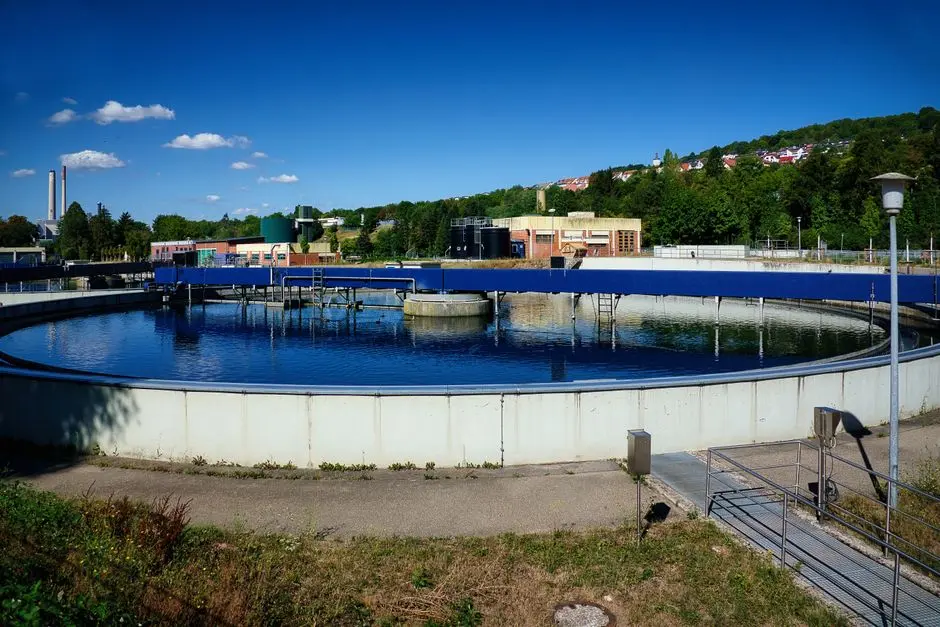
The clearest 2026 picture of an MBR on real tannery wastewater comes from Udayakumar et al., J. Environ. Manage. (Jun 2026), which ran a lab-scale submerged MBR on actual plant feed rather than synthetic. The headline numbers are useful as design anchors, not as guaranteed outputs at full scale.
- COD removal. Overall COD removal was 75%, with feed COD at 2,550 mg/L, biological-stage COD down to 856 mg/L, and membrane permeate averaging 640 mg/L. After 60 minutes of ozonation, permeate COD fell to 220 mg/L (Udayakumar et al., 2026).
- Ammonia removal. NH4+-N dropped from 162 mg/L in feed to 141 mg/L during biomass acclimation, then settled at 55 mg/L in permeate — confirming that high-SRT MBRs can nitrify tannery streams once biomass is adapted (Udayakumar et al., 2026).
- Flux behaviour. Membrane flux declined steadily from 26.18 to 3.89 L/m²·h as MLSS rose from 8,000 to 12,000 mg/L — the design lever is flux-vs-MLSS, not a fixed flux value (Udayakumar et al., 2026).
- Cleaning recovery. After 0.5% NaOCl chemical cleaning, the corncob cellulose-acetate membrane recovered 49.94% of its flux, while a PVDF reference recovered 74.98% — the empirical basis for the industry's preference for PVDF in tannery MBRs (Udayakumar et al., 2026; PCI Membranes PVDF cassettes, 0.02 µm).
- Fouling drivers. In broader MBR literature, increasing biopolymer cluster (BPC) concentration by 20% and 60% above ~3.5 mg/L has been shown to raise the fouling rate by 120% and 300% respectively (Krzeminski et al., IJERPH, 2016), which is why EPS/SMP control matters as much as raw COD for tannery MBR sizing.
| Parameter | Feed | Biological stage effluent | MBR permeate | After 60-min ozonation |
|---|---|---|---|---|
| COD (mg/L) | 2,550 | 856 | 640 | 220 |
| NH4+-N (mg/L) | 162 | 141 (acclimation) → 55 | 55 | — |
| TSS (mg/L) | 1,080 | — | negligible (membrane-retained) | — |
| TDS (mg/L) | 7,440 | — | ≈ feed (membranes do not remove salts) | — |
Source: Udayakumar et al., J. Environ. Manage. 411:130211 (Jun 2026).
MBR Design Parameters for a Tannery Plant
The S2 dataset, combined with the fouling thresholds in Krzeminski et al. (2016) and the configuration data from PCI Membranes, can be lifted into a working specification. The table below consolidates the parameters an engineer would set before issuing an enquiry to a MBR membrane bioreactor system supplier.
| Parameter | Design value / range | Source |
|---|---|---|
| Membrane type | Submerged PVDF hollow-fibre (0.02 µm) or flat-sheet (0.1 µm); sidestream tubular 8 mm PVDF at 100/200 kDa MWCO for high-TSS streams | PCI Membranes Zmbr2 / A8 |
| MLSS operating window | ~8,000–10,000 mg/L for stable flux on tannery feed | Udayakumar et al., 2026 |
| Design flux / TMP | 10–20 L/m²·h; TMP kept below ~30 kPa to delay the 3-stage TMP jump | Krzeminski et al., 2016 |
| Aeration / scouring | Continuous coarse-bubble air scour under submerged cassettes; cross-flow velocity for sidestream tubular | PCI Membranes product data |
| Maintenance cleaning | 0.5% NaOCl; target FRR ~75% (PVDF reference) rather than ~50% (cellulose acetate) | Udayakumar et al., 2026 |
| Inorganic scaling guard | Screen feed Ca²⁺: ≤280 mg/L is benign, >800 mg/L accelerates mineral scaling | Krzeminski et al., 2016 |
| Polishing step | Ozonation for colour/refractory COD; RO when reuse or ZLD applies | Udayakumar et al., 2026; PCI Membranes RO range |
Beyond the table, three qualitative checks belong in any tannery MBR specification. First, TDS is not removed by the membrane, so a downstream RO or a brine-management plan is needed if salt limits apply. Second, the BPC/EPS sensitivity highlighted by Krzeminski et al. (2016) means F/M ratio and SRT must be tuned to keep SMPs in check, not just to hit effluent COD. Third, the 0.5% NaOCl maintenance dose reported in Udayakumar et al. (2026) is a starting point, but actual dose and soak time on a full-scale PVDF cassette should be confirmed with the membrane maker's cleaning guide.
Submerged vs Sidestream MBR: Which Fits a Tannery
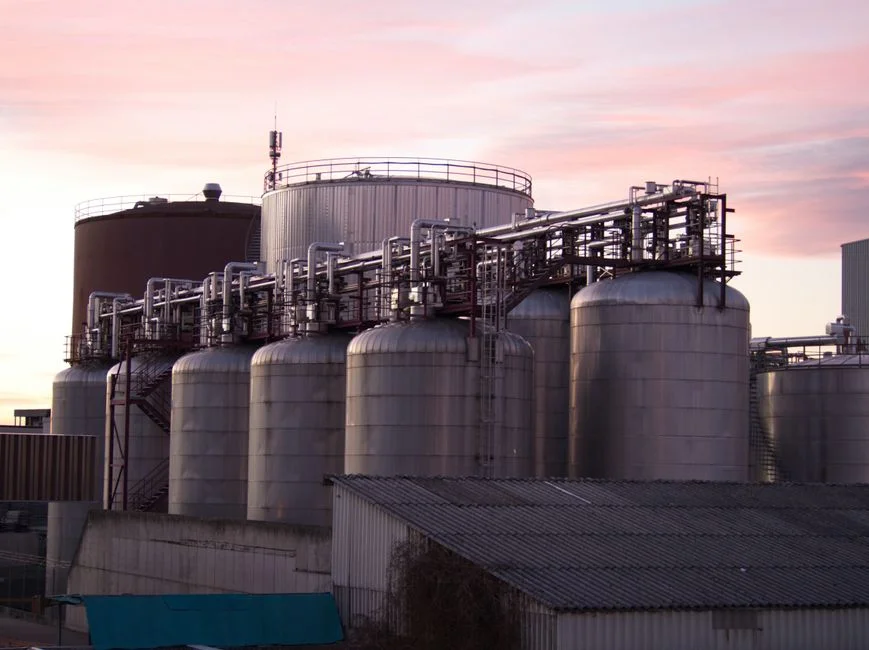
Most tannery MBR enquiries come down to a single configuration question: submerged hollow-fibre, submerged flat-sheet, or sidestream tubular. Each has a defensible place.
- Submerged hollow-fibre. The default for medium-to-large tanneries. PCI Membranes' Zmbr2 cassettes are PVDF, 0.02 µm pore size, with areas from 480 m² (S12) to 2,080 m² (U40) per cassette, and the air-scour energy is lower than sidestream designs. Suitable where the feed is well-screened and TSS entering the membrane tank is controlled.
- Submerged flat-sheet. The HydropureWater DF-series flat-sheet MBR module (0.1 µm PVDF, 80–225 m² per module, 32–135 m³/day per module) is favoured for smaller, plug-flow plants and for sites that want element-by-element replacement rather than swapping whole cassettes.
- Sidestream tubular. The PCI Membranes A8 series uses 8 mm PVDF tubes at 100 or 200 kDa MWCO, 27–36 m² per module. It handles higher TSS and oilier/fattier streams with less fouling risk but uses roughly an order of magnitude more energy than submerged designs.
For a chrome-tannery effluent with the 7,440 mg/L TDS profile in Udayakumar et al. (2026) and a real risk of sulfide inhibition, submerged PVDF hollow-fibre remains the baseline because it is the most energy-efficient at the 8,000–10,000 mg/L MLSS range where flux was reported as stable. Sidestream tubular is reserved for streams that submerged modules cannot tolerate, such as very high TSS or oil/grease excursions. A packaged HydropureWater MBR membrane bioreactor system covers the 10–2,000 m³/day range that fits a single-line medium tannery.
Cost and ROI Considerations for a 2026 MBR Retrofit or Greenfield
The finance director will not sign off an MBR on flux and MLSS alone. The four lines that drive a 2026 budget are footprint, energy, membrane life, and reuse.
- CAPEX — footprint. MBR removes the secondary clarifier and operates at higher MLSS, giving up to 50% smaller plant footprint versus CAS (PCI Membranes). For a brownfield tannery with limited civil-works allowance, that delta is often the largest single CAPEX line.
- OPEX — energy. The dominant OPEX items are aeration for membrane scouring and periodic chemical cleaning. Submerged designs cut scouring energy by roughly an order of magnitude versus sidestream tubular (PCI Membranes A8 vs HydropureWater DF-series claims).
- OPEX — membrane life. The 49.94% vs 74.98% flux recovery gap between cellulose acetate and PVDF reported in Udayakumar et al. (2026) translates directly into longer PVDF service life and a lower membrane OPEX per cubic metre treated. Specific membrane replacement intervals for tannery MBRs are not quoted in the supplied research and must be requested from the supplier based on the chosen module and feed.
- Revenue — reuse. MBR permeate can feed directly to RO for water reuse, displacing fresh-water cost. The 60-minute ozonation step in Udayakumar et al. (2026) shows that permeate COD (640 mg/L) and colour are already low enough to be polished downstream — a compliance and a revenue case combined.
| Cost line | MBR impact vs CAS | Source |
|---|---|---|
| Footprint / civil works | Up to 50% smaller | PCI Membranes |
| Membrane scouring energy | Submerged ~10× lower than sidestream tubular | HydropureWater DF series vs PCI A8 |
| Cleaning chemical demand | 0.5% NaOCl maintenance dose reported | Udayakumar et al., 2026 |
| Membrane OPEX proxy | FRR 74.98% (PVDF) vs 49.94% (cellulose acetate) after same cleaning | Udayakumar et al., 2026 |
| Reuse / fresh-water offset | Permeate suitable for RO polish | Udayakumar et al., 2026; PCI Membranes RO range |
For a more detailed 2026 costing breakdown across flow ranges, the MBR cost per m³ 2026 guide walks through the OPEX build-up alongside the engineering choices above. Quoted turnkey CAPEX for a tannery MBR is not given in the supplied research and must be obtained per project based on feed, flow, discharge limits and reuse requirement.
Frequently Asked Questions
How much does a tannery MBR cost in 2026?
No turnkey CAPEX figure for a tannery MBR is given in the supplied research, so any quoted price must be obtained from a supplier against a specific flow, feed quality and discharge/reuse target. As a sizing anchor, packaged HydropureWater MBR membrane bioreactor systems cover 10–2,000 m³/day, and the 50% footprint reduction versus CAS reported by PCI Membranes is the most defensible CAPEX line item a buyer can use in a budget meeting.
How do I pick an MBR supplier for a tannery plant?
Shortlist suppliers who can document four things: (1) a PVDF membrane option at 0.02–0.08 µm with a published flux recovery after NaOCl cleaning, (2) a submerged hollow-fibre cassette range large enough for your design flow, (3) in-house RO polishing if reuse or ZLD is in scope, and (4) a pilot or reference list on tannery or comparable high-TDS industrial effluent. The MBR system for sewage design criteria 2026 guide is a useful cross-check on the engineering depth the supplier should be able to support.
What MLSS and flux should I design for on tannery feed?
Udayakumar et al. (2026) operated successfully at 8,000–12,000 mg/L MLSS but recorded flux dropping from 26.18 to 3.89 L/m²·h across that range, so the practical design window is 8,000–10,000 mg/L MLSS at 10–20 L/m²·h, with TMP held below ~30 kPa to delay the 3-stage TMP jump described in Krzeminski et al. (2016).
Can an MBR alone meet tannery discharge limits, or is polishing required?
On real tannery feed, the Udayakumar et al. (2026) MBR permeate averaged 640 mg/L COD and 55 mg/L NH4+-N, which will not meet strict colour, TDS or refractory COD limits. Ozonation (60 min) cut permeate COD to 220 mg/L in the same study, and RO is added when reuse or zero-liquid discharge applies; for an analogous high-strength industrial feed, see the submerged MBR for pharmaceutical wastewater 2026 guide.
Related Equipment
- HydropureWater ultrafiltration system — specifications, capacity range, and technical data