Why Retrofit a Fenton Oxidation System in 2026
A Fenton oxidation system retrofit in 2026 is driven by three pressures: tighter COD and recalcitrant compound discharge limits, the operating cost of ferric-hydroxide sludge disposal, and the need to integrate an aging Fenton reactor with newer biological or membrane trains. The chemistry of Fenton — H₂O₂ dosed with a source of Fe²⁺ to produce hydroxyl radicals in situ — has not changed, but the operating envelope that plants must hit has.
Iron-sludge handling from neutralization after the Fenton reactor is consistently flagged in 2024–2026 literature as the dominant OPEX and disposal liability of homogeneous Fenton operation, and that single line item often puts a retrofit project on the capital plan. A 2026 paper in Separation and Purification Technology frames ex-situ iron-sludge reduction regeneration as a "simple retrofit strategy for sustainable sludge minimization in Fenton-based wastewater treatment," which positions the retrofit as a primary option. An integrated MBR–Fenton process has also been published as a retrofit case study for a municipal solid waste landfill leachate plant in Hunan, demonstrating that Fenton is now being bolted onto existing biological or membrane trains instead of run as a standalone process.
Fenton Reactor Constraints the Retrofit Must Solve
Fenton chemistry requires an acidic pH window — typically cited as pH 2–4 in the npj Materials Degradation review — which means any retrofit that adds a Fenton stage to an existing alkaline biological train must include acid dosing and re-neutralization, with the necessary chemical-handling and corrosion allowances. Hydroxyl radical yield depends on the Fe:H₂O₂ ratio and on the form of iron, and the same review notes that Cu-based non-Fe Fenton-like systems act through a potentially different mechanism to Fe, making catalyst choice a critical retrofit decision. Shorter Fenton treatment times typically leave higher residual organic content and a higher fraction of lightweight organics resistant to Fenton oxidation (npj Materials Degradation), which directly determines whether the retrofit needs a longer retention vessel or a downstream polishing step. Magnetite-based heterogeneous Fenton catalysts are a proven route to reduce dissolved-iron carryover and the resulting sludge, providing the strongest argument for swapping homogeneous Fe²⁺ for a solid catalyst during a retrofit (Nature, npj Materials Degradation).
Upgrade Options: From Homogeneous Fenton to Fenton-Like Catalysts
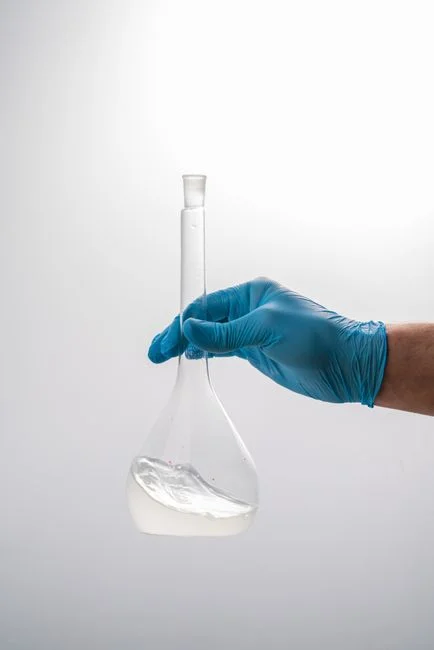
Four realistic upgrade paths exist for an existing Fenton reactor, and these should be matched to the influent character, the discharge target, and the cost of sludge disposal rather than chosen by catalog. Staying with homogeneous Fe²⁺/H₂O₂ is the lowest-CAPEX option but converts every kilogram of iron dosed into ferric hydroxide sludge downstream, so it only makes sense when the existing reactor is correctly sized and sludge disposal is inexpensive. Moving to a heterogeneous Fenton-like catalyst such as a magnetite-based solid reduces dissolved iron in the effluent and lowers sludge output, which benefits plants with tight effluent iron limits or constrained sludge handling (Nature, npj Materials Degradation). Moving to an iron-free Fenton-like system — Cu-based systems are the most cited example in the review — eliminates iron sludge entirely, but the catalytic mechanism differs from Fe, so pilot testing on the actual wastewater is mandatory before committing. The fourth path keeps the homogeneous Fenton reactor untouched and adds an ex-situ iron-sludge reduction regeneration side loop, which a 2026 Separation and Purification Technology paper proposes as a "simple retrofit strategy" for sludge minimization. The Hunan MBR–Fenton retrofit case study for landfill leachate shows Fenton being combined with an MBR, which is the recommended pattern for hard-to-treat streams requiring biological polishing.
| Upgrade path | Sludge output | Effluent dissolved iron | Pilot test required | Best-fit condition |
|---|---|---|---|---|
| Stay homogeneous Fe²⁺/H₂O₂ | High — every kg Fe dosed precipitates as ferric hydroxide | High without polishing | No (existing reactor) | Existing reactor correctly sized, low-cost sludge disposal |
| Heterogeneous Fenton-like (e.g., magnetite) | Lower than homogeneous | Lower | Yes — on actual wastewater | Tight effluent iron limit, limited sludge capacity |
| Iron-free Fenton-like (e.g., Cu-based) | None from iron catalysis | Negligible for iron | Yes — mechanism differs from Fe | Sludge disposal is the binding constraint |
| Ex-situ iron-sludge regeneration side loop | Reduced by regeneration step | Unchanged upstream of loop | Yes — sludge characterization | Homogeneous Fenton already works; sludge is the problem |
Integrating the Retrofitted Fenton Stage With Existing Treatment Trains
Placement of the Fenton stage relative to the existing biological or membrane train is the most consequential integration decision. Place Fenton upstream of biological treatment when the goal is to break down recalcitrant organics — textile dyes and landfill leachate are the cited examples — and to lift biodegradability so the downstream biology can finish the job; the integrated MBR–Fenton case study in Hunan uses this logic for leachate. Place Fenton downstream of biological treatment as a polishing step when BOD is low but residual COD and color must be removed to meet discharge or reuse limits. In either position, the Fenton reactor must be followed by pH re-neutralization and a solids-separation step — a settler, a DAF separator downstream of the Fenton reactor, or a membrane — to remove precipitated iron before the next stage; without it, iron carryover fouls membranes and disrupts biology. A PLC-controlled chemical dosing skid for acid, H₂O₂, and iron (or catalyst slurry) is the lowest-risk way to add the new chemical lines during a retrofit, as a discrete skid limits the piping rework inside the existing plant. Tie H₂O₂ dosing and pH control into the existing SCADA so the operator sees one process, not two; this integration point is frequently overlooked, so address it with the controls team before the P&ID is frozen. For context on the downstream biology side, the MBR operation and maintenance guide for 2026 covers how an MBR tolerates the Fenton effluent, and the DAF retrofit and upgrade guide for 2026 covers how to size the solids-separation step when the existing DAF is the bottleneck. If the discharge target is tight enough that Fenton is being benchmarked against another AOP, the ozone vs UV oxidation comparison for 2026 provides a useful sanity check on whether Fenton is the right tool.
Data You Must Gather Before Issuing a Retrofit Purchase Order
A retrofit PO issued on assumed numbers is the most common reason Fenton upgrades underperform on commissioning. The minimum dataset the engineer should assemble includes 30 days of representative influent data: flow, pH, COD, BOD, color, suspended solids, and any stream-specific parameters such as heavy metals or ammonia that interact with Fenton chemistry. Quantify current iron-sludge production in kg dry solids per day, dewatering cake volume, and disposal route cost, as that is the OPEX line a sludge-minimization retrofit must improve. Confirm the discharge or reuse limits the retrofit must hit (COD, color, residual iron, TOC) and any local sludge disposal rule that constrains the chemistry choice, including limits on total dissolved iron in the receiving stream. Run a jar or bench test of the proposed catalyst — homogeneous, magnetite, or iron-free — on the actual wastewater before specifying a full-scale reactor; the npj Materials Degradation review and the 2026 ex-situ regeneration paper both stress that Fenton performance is wastewater-specific, and pilot data is the only defensible basis for reactor sizing. Verify utilities: available footprint, H₂O₂ storage and dosing capacity, acid and caustic supply, and the electrical capacity for any new mixers or pumps, as adding a Fenton stage commonly surfaces a storage or feed-capacity gap that the original plant was not designed for.
Frequently Asked Questions
What does a Fenton oxidation system retrofit typically cost in 2026?
Published 2026 retrofit cost figures for a Fenton stage were not available in the research supplied, so a specific budget cannot be quoted. Buyers should request the following from a supplier: reactor volume and material of construction, H₂O₂ and acid consumption per m³ of treated flow at the design COD, expected iron-sludge output in kg dry solids per day, and the cost of the dosing skid, instrumentation, and installation. With those numbers, the OPEX impact of the retrofit can be compared against the existing sludge disposal costs.
How do I choose between staying with homogeneous Fenton and switching to a Fenton-like catalyst?
The decision is driven by sludge cost and effluent iron limits rather than catalytic activity. Stay with homogeneous Fe²⁺/H₂O₂ when the existing reactor is correctly sized, sludge disposal is inexpensive, and no effluent iron limit applies. Switch to a heterogeneous or iron-free Fenton-like catalyst when sludge disposal is the primary OPEX, when the discharge limit includes a tight total-iron number, or when downstream membranes cannot tolerate dissolved iron carryover; in all three cases, pilot testing on the actual wastewater is mandatory because the npj Materials Degradation review notes that non-Fe Fenton-like systems act through a different mechanism than Fe.
Can Fenton be added in front of an existing MBR without rebuilding the plant?
Yes, and the Hunan MBR–Fenton landfill leachate retrofit case study documents this pattern. The retrofit adds an upstream Fenton reactor for recalcitrant organics and biodegradability lift, followed by pH re-neutralization and a solids-separation step before the existing MBR, with H₂O₂ and pH control tied into the existing SCADA. The MBR-side operational impacts are covered in the MBR operation and maintenance guide for 2026.
How do I know my existing reactor is too small for a retrofit?
Residence time is the most direct check. The npj Materials Degradation review states that shorter Fenton treatment times typically leave higher residual organic content and a higher fraction of lightweight organics that appear resistant to Fenton oxidation, which means a reactor that cannot hold the design residence time will underperform regardless of catalyst choice. If jar or bench tests at the design residence time do not meet the target COD or color, the retrofit must include either a larger reactor or a downstream polishing step such as a DAF or membrane unit.