
How a small community wastewater system in Colombia is sized in 2026
A community-scale wastewater train in Colombia is sized against a per-capita flow of 130–150 L per person-day, with 4–5 persons per single-family home producing 520–750 L/d per home (ASTM E2717-18R25 re-parameterized to Colombian occupancy). For multi-unit clusters the design flow is the per-home volume multiplied by the number of homes, with a residential peaking factor of 2.5–3.0 applied to the average day when sizing pipes, pumps, biological reactors, and the disinfection contact chamber. The dominant peak is the morning and evening kitchen and laundry load — equalization volume is sized against that window, not against 24-hour average flow.
Influent loadings track the 2024 San Marcos baseline of BOD 333.9 mg/L as the upper bound for single-family domestic wastewater, with a typical design range of 200–350 mg/L BOD and a C/N ratio of 3–5 (MDPI, 2024-08). That low C/N ratio is the binding parameter for any denitrification step and is the reason carbon supplementation with endocarp of oil palm fruit (EOP) or rice husk is commonly added in HSF-CW designs to lift nitrate removal above 90% (MDPI, 2024-08).
Two worked sizing examples anchor the envelope:
- 200 PE rural cluster: 26–30 m³/d average day flow; peak day at a 2.75 peaking factor ≈ 72–83 m³/d; biological reactor volume sized against peak BOD load of 333.9 mg/L × peak flow.
- 1,000 PE small town or housing project: 130–150 m³/d average day flow; peak day ≈ 358–413 m³/d at a 2.75 peaking factor; membrane or wetland area sized to the peak, not the average.
Sizing items most often missed: the kitchen/laundry share inside the equalization volume, the grease trap upstream of the biological step, and the sludge line sized for worst-case wasted biological solids. For per-home scaling logic that feeds these community numbers, see the single-home residential wastewater treatment in Colombia guide.
| Parameter | 200 PE rural cluster | 1,000 PE small town / housing |
|---|---|---|
| Average day flow (Qavg) | 26–30 m³/d | 130–150 m³/d |
| Peaking factor (residential) | 2.5–3.0 | 2.5–3.0 |
| Peak day flow (Qpeak) | 72–83 m³/d | 358–413 m³/d |
| Influent BOD (design) | 200–350 mg/L (333.9 upper, MDPI 2024) | 200–350 mg/L |
| C/N ratio | 3–5 | 3–5 |
| Per-PE design flow | 130–150 L/d | 130–150 L/d |
| Footprint envelope (per PE) | 0.3–10 m² (MBR to HSF-CW) | 0.3–10 m² (MBR to HSF-CW) |
Resolution 1256 of 2021 and the 2026 compliance envelope
Resolution 1256 of 2021, issued by the Ministry of Environment and Sustainable Development (MinAmbiente), is the current binding national instrument for reuse of residual waters in agricultural and industrial applications and expressly repeals Resolution 1207 of 2014 (MinAmbiente, 2021). Surface-water discharge still follows a separate permit path under Decree 1076 of 2015 plus the regional environmental authority (CAR). Reuse projects must satisfy both Res. 1256/2021 and Decree 1076/2015 quality criteria; the regional authority can add site-specific conditions on top of either track.
Numeric reuse ceilings to design against (MinAmbiente, 2021):
- Nitrates ≤11.0 mg/L as N
- Residual chlorine <1.0 mg Cl₂/L after at least 30 minutes of contact
- Conductivity ≤1,500 µS/cm
- Chlorides ≤300 mg Cl⁻/L
- Sodium ≤200 mg Na/L
The 2024 San Marcos HSF-CW study found that the wetland effluent "mostly complies" with Res. 1256/2021 but the authors recommend a polishing step to guarantee reuse compliance (MDPI, 2024-08) — treat that finding as a trigger to specify polishing, not as a basis to assume wetland-only compliance. Nitrates and ammonium remain the parameters most often missed by septic-tank-plus-soak-pit systems, which is why a biological reactor, a constructed wetland, or a polishing step is non-optional for any project claiming reuse under the 2026 envelope.
Confirm both reuse and discharge permit tracks with the relevant CAR before locking CAPEX on media, membranes, or disinfection equipment — regional authority conditions can move the disinfection line and the sludge-handling line items, and a permit reviewer will bounce a design package that quotes the wrong instrument.
Three technology envelopes for community-scale trains
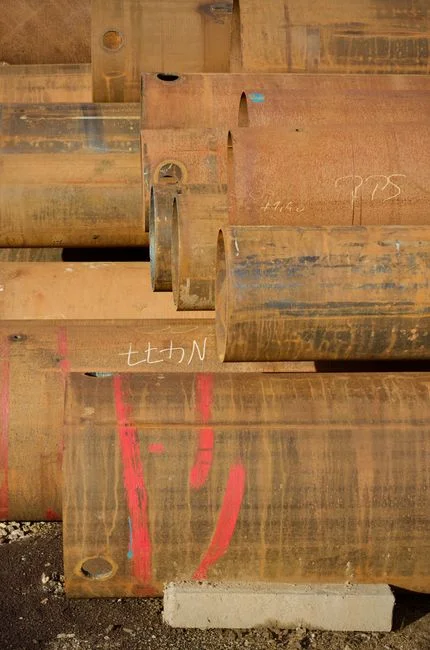
Three process envelopes cover most 50–2,000 PE community sites in Colombia. Match the site constraints — footprint, power reliability, land cost, target effluent — to the envelope before you touch a vendor proposal.
HSF-CW (Imhoff tank → gravel-bed wetland → optional ClO₂ polish). Footprint 5–10 m² per person equivalent, near-zero power (gravity flow with a small dosing pump only). The 2024 San Marcos site with Canna hybrids and EOP carbon supplement delivered 91% COD, 94% TSS, 98% TP, and 75% TN removal, with effluent TP below 5 mg/L across all events (MDPI, 2024-08). Best fit when land is land-positive, OPEX dominates the lifecycle, and the receiving use is agricultural irrigation.
Buried A/O package (WSZ-style 1–80 m³/h). Anoxic + aerobic contact oxidation, sedimentation, and disinfection inside a single buried shell, fully automated, no on-site operator. Fits urban setbacks, reliable grid power, and 50–500 PE clusters. This is the entry-level CAPEX path for small communities and pairs well with a residential housing project; the standard configuration also works as a polishing step downstream of an HSF-CW when reuse compliance must be guaranteed on peak days. See a buried A/O package plant reference for the 1–80 m³/h envelope.
Packaged MBR (10–2,000 m³/day). Activated sludge plus submerged PVDF membranes at 0.1 µm nominal pore. Footprint 0.3–0.6 m²/PE, roughly 60% of a conventional activated-sludge plant at the same load; reuse-grade effluent straight from the membrane with only a paired ClO₂ polish for residual control. Best fit when footprint is constrained, the site is urban, and reuse-grade effluent is required straight from the plant. For cassette-level detail on the submerged membrane module, see the DF-series flat-sheet MBR cassette reference, and for the full system envelope see the packaged MBR system reference and the MBR system engineering and selection guide.
Hybrid envelope (HSF-CW followed by packaged A/O or MBR polish). The most defensible compromise when land is available, OPEX is constrained, but reuse-grade nitrogen and pathogen control must be guaranteed on peak days.
Decision rule of thumb: HSF-CW when land ≥5 m²/PE and OPEX dominates the lifecycle; MBR when footprint ≤0.6 m²/PE and reuse-grade effluent is required straight from the plant; buried A/O as the default for 50–500 PE urban clusters. For an MBR sizing playbook tuned to intermittent tropical flows, see the MBR system engineering and selection guide. For vendor shortlisting in the Antioquia market, see the Medellín sewage treatment plant supplier buyer's guide.
| Parameter | HSF-CW (+ Imhoff, optional ClO₂) | Buried A/O package (WSZ) | Packaged MBR |
|---|---|---|---|
| Flow envelope | 5–2,000 m³/d equivalent (5–10 m²/PE) | 1–80 m³/h (≈24–1,920 m³/d) | 10–2,000 m³/d |
| Footprint (per PE) | 5–10 m²/PE | ~0.4–0.7 m²/PE | 0.3–0.6 m²/PE |
| Power draw | Near-zero (gravity + dosing pump) | ~0.3–0.5 kWh/m³ | ~0.4–0.8 kWh/m³ |
| COD removal (San Marcos, MDPI 2024) | 91% | Comparable; A/O literature 85–95% | >95% with membrane barrier |
| TP removal (San Marcos, MDPI 2024) | 98% | Biological + chemical P | Biological + membrane; chemical P common |
| TN removal (San Marcos, MDPI 2024) | 75% (96% with EOP / rice husk C/N 1, 3, 5) | 60–80% with internal recycle | 60–80% with internal recycle |
| Effluent TSS | Gravel filtration | Clarifier overflow | ≤5 mg/L (membrane barrier) |
| Operator skill | Low (media + vegetation) | Low (automated) | Low–medium (MLSS, DO, membrane) |
| Res. 1256/2021 reuse status | "Mostly complies"; polish recommended | Compliant with polish | Compliant with paired ClO₂ |
| CAPEX band (qualitative) | Lowest at land-positive scale | Low (entry point for small communities) | Mid-to-high; lowest footprint |
| 5–10 year OPEX driver | Media + vegetation replacement | Energy + routine service | Energy + membrane replacement |
| Climate fit | Tropical lowlands best; cold high-altitude dips | Enclosed; stable across climates | Enclosed; stable across climates |
| Grid sensitivity | Suitable where grid is unreliable | Requires reliable grid or backup | Requires reliable grid or backup |
Disinfection: why a UV or ClO₂ polish is non-optional
Colombian surface and wastewater in the Andean basins carries a documented protozoa load that free chlorine does not reliably control. In the Río Pasto basin (Nariño, southwestern Colombia), 67 of 102 surface and wastewater samples (65.7%) were PCR-positive for Cryptosporidium spp. and 49 of 102 (48.0%) for Giardia duodenalis in sampling conducted August 2022 through March 2023; C. parvum was the dominant Cryptosporidium species at 40.2% mean relative read abundance in surface water and 32.9% in wastewater (Parasit Vectors, 2024). These are not historical figures — they are 2022–2023 surveillance data, and they justify a disinfection call that is anchored to protozoa control, not generic coliform reduction.
UV is effective against chlorine-resistant Cryptosporidium and Giardia with no disinfection by-products and no taste change. Specify an open-channel UV unit sized to peak flow with a validated UV dose (typically ≥40 mJ/cm²), not to average day flow, or the unit will underperform on laundry-night peaks. On-site chlorine dioxide (ClO₂) is the standard paired polish for both MBR and HSF-CW trains under Res. 1256/2021; an on-site chlorine dioxide generator sized 50 g/h to 20,000 g/h covers the 10–2,000 m³/d community envelope, with residual Cl₂ held below 1.0 mg Cl₂/L after at least 30 minutes of contact (MinAmbiente, 2021).
Free chlorine alone is not the right call for crop-irrigation reuse where the receiving water or the reuse catchments show protozoa circulation; specify the contact chamber for peak flow, not average day flow, and validate residual control across the full diurnal curve.
Sludge train: don't undersize the dewatering step
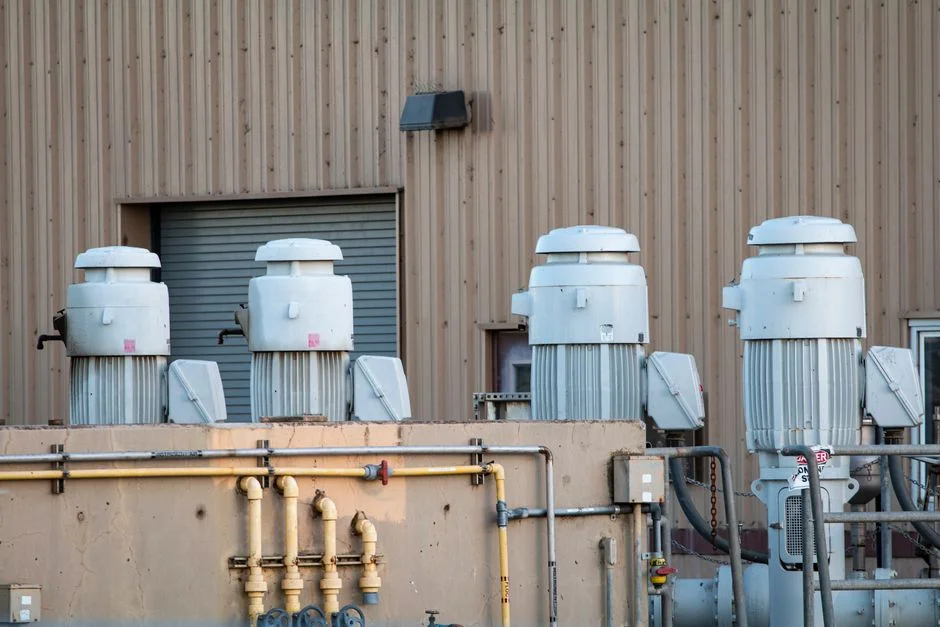
Under-sizing the dewatering step is the most common reason packaged community plants fall out of compliance in year two, and it is the line item most often missed in a CAPEX envelope that was scoped around the biological reactor only. The Imhoff-tank desludging interval is the binding sludge-production driver for HSF-CW sites; the 2024 San Marcos study sits the Imhoff ≥1.5 m from the house and ≥15 m from any well, with no vehicle, animal, or human traffic across the bed (MDPI, 2024-08). Multiply that interval by the worst-case wasted biological solids from the biological reactor and the peak-day load, and the desludging calendar sets the press duty cycle.
A plate-and-frame filter press sized 1–500 m² of filtration area covers both MBR wasted-biological-solids and Imhoff desludging streams for a 100–2,000 PE community. CAPEX the press and the storage pad from day one, not as a retrofit after the year-two compliance failure. For operational tuning of the dewatering line (polymer dose, cake dryness, cycle time), see the sludge dewatering troubleshooting guide.
CAPEX bands and bid-readiness checklist
Treat the cost bands below as qualitative envelopes, not as firm quotes — vendor pricing in 2026 varies with media supply, membrane availability, and the regional authority's permit conditions. The point of the table is to give a procurement committee a defensible range, not a single number.
| Envelope | CAPEX band (qualitative) | 5–10 year OPEX driver | Best fit |
|---|---|---|---|
| HSF-CW (+ Imhoff, optional ClO₂) | Lowest at land-positive scale | Media + vegetation replacement (5–10 yr cycle) | Rural cluster, eco-tourism node, agricultural reuse |
| Buried A/O package (WSZ 1–80 m³/h) | Low (entry point) | Energy + routine service | 50–500 PE urban cluster, housing project |
| Packaged MBR (10–2,000 m³/d) | Mid-to-high | Energy + membrane replacement | Footprint-constrained urban, reuse-grade effluent |
| Hybrid (HSF-CW + A/O or MBR polish) | Low-to-mid | Combined; polish dominates | Land-positive site that needs guaranteed reuse |
Use the 2024 San Marcos HSF-CW removal benchmarks (COD 91%, TP 98%, TN 75%, BOD from 333.9 to 71.4 mg/L, p = 0.03) as a defensible performance warranty line (MDPI, 2024-08). Do not let a vendor quote a generic "BOD removal" figure without specifying the load, the C/N ratio, and the operating temperature at the warranty point.
Pre-bid checklist to lock before issuing an RFQ:
- Average and peak flow per PE locked (130–150 L/d × 4–5 persons/home; 2.5–3.0 peaking factor).
- Target effluent locked against Res. 1256/2021 reuse ceilings or the applicable Decree 1076/2015 discharge permit, with regional authority conditions overlaid.
- Footprint and power availability at the site locked, including grid reliability and any backup requirement.
- Nitrate headroom locked against the ≤11.0 mg/L as N reuse ceiling (MinAmbiente, 2021).
- Sludge line sized for worst-case wasted biological solids and the longest desludging interval the operator will tolerate.
- Both reuse and discharge permit tracks confirmed with the relevant CAR before freezing the equipment proposal.
Frequently Asked Questions
What is the binding Colombian reuse instrument in 2026?
Resolution 1256 of 2021, issued by MinAmbiente, which expressly repeals Resolution 1207 of 2014 (MinAmbiente, 2021). Surface-water discharge follows a separate permit path under Decree 1076 of 2015 plus the regional environmental authority (CAR).
How much water does a person generate per day in a Colombian small community?
130–150 L per capita-day at 4–5 persons per home, giving 520–750 L/d per home or 0.6–0.9 m³/d per home (ASTM E2717-18R25 re-parameterized to Colombian occupancy). For multi-unit clusters, multiply by the number of homes and apply a residential peaking factor of 2.5–3.0 when sizing pipes, pumps, and biological reactors.
Is a constructed wetland enough for Res. 1256/2021 reuse compliance?
Not on its own. The 2024 San Marcos HSF-CW effluent "mostly complies" with Res. 1256/2021, but the authors recommend a polishing step — typically an on-site ClO₂ generator or a small MBR polishing train — to guarantee reuse compliance (MDPI, 2024-08).
What footprint does a packaged MBR need for a 1,000 PE community?
Roughly 0.3–0.6 m² per person equivalent, about 60% of the footprint of a conventional activated-sludge plant at the same load. For a 1,000 PE town at 130–150 m³/d average, that lands near 300–600 m² of process footprint excluding access roads and the sludge pad.
Why is UV or ClO₂ preferred over free chlorine for community plants?
2022–2023 surveillance in the Río Pasto basin found 65.7% of 102 surface and wastewater samples PCR-positive for Cryptosporidium spp. and 48% for Giardia duodenalis, with C. parvum dominant (40.2% in surface water, 32.9% in wastewater) (Parasit Vectors, 2024). UV and ClO₂ control these chlorine-resistant protozoa without the disinfection by-product profile of free chlorine, which is the binding argument against specifying free chlorine as the sole disinfection step for community reuse under Res. 1256/2021.