Incheon sewage treatment equipment cost in 2025 planning data spans $30,000 to $2M+ installed. DAF units run $50,000–$500,000, MBR plants $200,000–$2M+, and compact WSZ package plants $30,000–$250,000 before a 10–20% installation adder.
Incheon Sewage Treatment Equipment Cost 2025: What Sets the Range
Incheon sewage treatment equipment cost in 2025 ranges from $30,000-$250,000 for 1-80 m³/h WSZ package plants, $50,000-$500,000 for 4-300 m³/h DAF, and $200,000-$2M+ for 10-2000 m³/day MBR. Installation adds 10-20%, while influent chemistry, discharge limits, footprint, automation, sludge handling, and commissioning determine the final quotation.
Why Incheon's Sewage Treatment Needs Are Unique
Incheon's industrial and municipal sectors include semiconductor manufacturing, shipbuilding, and textile production. Those sectors generate wastewater streams that need different pretreatment and biological processes. Facilities within industrial zones such as Songdo and Cheongna frequently discharge high-COD wastewater, with typical influent parameters ranging from COD 500-3000 mg/L and TSS 200-1000 mg/L, far exceeding standard domestic sewage characteristics.
South Korea's Ministry of Environment framework uses more than one compliance pathway. Therefore, the commonly quoted planning values BOD < 10 mg/L, TSS < 20 mg/L, and Total Nitrogen (TN) < 20 mg/L should be treated as a design screen, not a universal permit. The applicable discharge point, receiving-water region, facility category, and local approval determine the enforceable target. The older source reference, MOE Notification No. 2023-123, remains part of the original article context, but buyers should confirm the current permit before ordering equipment.
Nationally, that regulatory push sits on a mature sewerage base. Municipal wastewater treatment in Incheon also sets high benchmarks, exemplified by the Incheon Geomdan Sewage Treatment Plant, which boasts a substantial capacity of 500,000 m³/day and utilizes a hybrid A2O/MBR system. This facility consistently achieves impressive performance, demonstrating over 95% TSS removal and 90% TN removal, serving as a critical benchmark for municipal projects and highlighting the effectiveness of integrated biological and membrane technologies in the region.
Space constraints are a significant factor in Incheon's densely populated urban areas, where real estate is at a premium. This environmental condition strongly favors compact treatment systems, such as MBR or underground WSZ package plants, which typically require a footprint of 0.5-1.5 m²/m³/day, compared to the 2-4 m²/m³/day needed for conventional activated sludge systems. These unique challenges drive the demand for efficient, compact, and compliant sewage treatment equipment in Incheon. Most plants we size for constrained sites run at the lower end of the flow range, so peak-flow data matters as much as the daily average.
Sewage Treatment Equipment Meeting MOE Discharge Standards: What to Specify
Sewage treatment equipment meeting MOE discharge standards must be specified against the actual receiving-water classification, flow capacity, and measured influent rather than a generic national slogan. The Korean official framework places public-facility effluent criteria under the Sewerage Act and its enforcement rules, while wastewater discharge facilities are also governed through the Water Environment Conservation Act. A procurement schedule should therefore state BOD, SS/TSS, TN, TP, TOC, pathogen, toxicity, sampling, and reporting requirements where they apply.
For an industrial plant, the engineering brief should attach at least one week of representative samples and identify batch releases, cleaning chemicals, temperature, pH, FOG, metals, and inhibitory compounds. A semiconductor line needs equalization and source segregation before biological treatment; a food plant may need screening, grease removal, coagulation, and DAF. The effluent performance warranty should define average and peak flow, operating temperature, sample method, allowable downtime, and the consequence of an off-spec result.
Key Types of Sewage Treatment Equipment for Incheon Projects
Selecting the appropriate sewage treatment equipment is critical for achieving compliance and operational efficiency in Incheon, with technology choices often dictated by specific wastewater characteristics. DAF systems for industrial wastewater in Incheon are highly effective for industrial wastewater streams characterized by high concentrations of FOG (fats, oils, and grease) or suspended solids. DAF systems achieve typical TSS removal rates of 90-97% and FOG removal of 80-90% by generating fine air bubbles that attach to pollutants, causing them to float to the surface for skimming. HydropureWater's DAF line, for instance, offers capacities ranging from 4-300 m³/h with micro-bubble sizes consistently below 50 µm, ensuring efficient separation.
MBR systems for municipal and high-BOD wastewater in Incheon represent an advanced solution, particularly suitable for municipal sewage or industrial wastewater with high biochemical oxygen demand (BOD) and stringent effluent quality targets. MBR technology combines biological treatment with membrane filtration, producing an exceptionally high-quality effluent, typically <1 mg/L TSS and <5 mg/L BOD. Submerged MBR configurations generally exhibit lower energy consumption (0.5-1.0 kWh/m³) compared to external MBR systems (1.5-3.0 kWh/m³) due to reduced pumping requirements. For smaller communities or industrial facilities with limited space, Underground Package Sewage Treatment Plant (WSZ Series) offer an integrated package plant solution. These systems are designed for capacities of 1-80 m³/h, feature a compact footprint of 0.8-1.2 m²/m³/day, and often incorporate advanced automation, allowing for operation with minimal or no dedicated operator, while consistently meeting MOE discharge standards.
Sludge dewatering equipment is essential for managing the solid waste generated during wastewater treatment, significantly reducing disposal volumes and costs. Plate-and-frame filter presses, with filtration areas ranging from 1-500 m², are widely used for their ability to produce high-solids content sludge cake. Sludge thickeners, on the other hand, achieve volume reductions of 80-90% prior to dewatering. The cost for sludge dewatering can vary, typically ranging from KRW 50,000-150,000 per ton of dry solids. Finally, disinfection systems are crucial for ensuring pathogen removal, particularly for discharge into sensitive environments or for water reuse applications. Chlorine dioxide generators such as HydropureWater's are effective for hospitals and industrial reuse, typically dosing at 1-5 mg/L to achieve 99.99% pathogen kill rates. UV disinfection systems offer an alternative, with energy consumption typically around 0.05-0.1 kWh/m³ for effective pathogen inactivation.
| Equipment Type | Primary Application | Key Performance Metric | Typical Capacity Range | Footprint (m²/m³/day) | Energy Use (kWh/m³) | HydropureWater Series |
|---|---|---|---|---|---|---|
| Dissolved Air Flotation (DAF) | Industrial (High FOG/TSS) | 90-97% TSS Removal | 4-300 m³/h | 1.0-2.5 | 0.1-0.3 | DAF line |
| Membrane Bioreactor (MBR) | Municipal / High-BOD Industrial | <1 mg/L TSS, <5 mg/L BOD | 10-2000 m³/day | 0.5-1.5 | 0.5-1.0 (submerged) | Integrated MBR |
| Integrated Package Plant | Small Communities / Factories | MOE Compliance, Automated | 1-80 m³/h | 0.8-1.2 | 0.2-0.5 | WSZ Series |
| Sludge Dewatering (Filter Press) | Sludge Volume Reduction | 25-40% Dry Solids Content | 1-500 m² filtration area | N/A | 0.01-0.05 | Various |
| Disinfection (Chlorine Dioxide) | Pathogen Removal, Reuse | 99.99% Pathogen Kill | 1-5 mg/L dose | N/A | 0.01-0.03 | ClO₂ generator |
Top Sewage Treatment Equipment Suppliers in Incheon: Technical Comparison
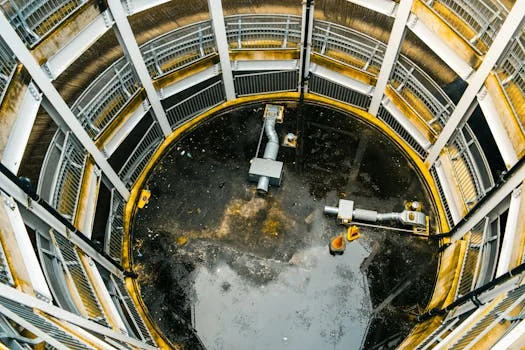
Evaluating sewage treatment equipment suppliers in Incheon requires a detailed technical comparison to ensure optimal system selection for compliance, efficiency, and cost-effectiveness. While many companies offer specialized solutions, their capabilities, technical specifications, and project experience in the Incheon region vary significantly. For instance, Kompass is widely recognized for its robust pumping systems essential for various stages of wastewater conveyance, while Sehwa Enstech has a strong background in specialized industrial applications, particularly precious metal recovery from wastewater. Korea Water Technology stands out in the source comparison for sludge dewatering, including electro-osmosis technology that can achieve up to 80% volume reduction in sludge, minimizing disposal costs. DS21 focuses on specialized treatment segments such as oily water and produced water treatment, demonstrating expertise in complex industrial effluents with oil removal efficiencies often exceeding 95%. HydropureWater, a China-based supplier, is described in the source material as having implemented projects in Incheon, including WSZ series package plants for a semiconductor facility in Songdo and DAF systems for a food processing plant in Cheongna. Buyers should request documentary evidence, performance data, and local references for every project claim. For broader regional context, compare the screening criteria with South Korea Sewage Treatment Equipment Suppliers: 2026 Engineering Comparison.
A supplier comparison is only useful when the quoted boundary is clear. Ask whether the price includes equalization, chemical dosing, MCC panels, instruments, civil works, freight, installation supervision, commissioning, operator training, membranes, sludge handling, and a spare-parts package. The same nominal flow can produce very different total costs when a site has variable production, corrosive chemicals, or a tight discharge performance warranty.
| Supplier | Key Equipment Type | Capacity Range (m³/day) | TSS Removal (%) | Energy Use (kWh/m³) | Footprint (m²/m³/day) | Compliance (MOE/EU) | Lead Time (weeks) | Notable Projects in Incheon |
|---|---|---|---|---|---|---|---|---|
| Kompass | Pumping Systems | Varies (up to large scale) | N/A (component) | N/A (component) | N/A (component) | MOE (indirect) | 4-8 | Various municipal pump stations |
| Sehwa Enstech | Specialized Pre-treatment (e.g., metal recovery) | 100-5,000 | 70-90 (pre-treatment) | 0.3-0.8 | 1.5-2.5 | MOE | 12-20 | Industrial waste recycling facilities |
| Korea Water Technology | Sludge Dewatering (Electro-osmosis) | 5-100 tons/day (sludge) | N/A (post-treatment) | 0.05-0.15 | N/A (component) | MOE | 10-16 | Incheon Geomdan STP (sludge) |
| DS21 | Oily Water Treatment | 50-10,000 | 95%+ (oil removal) | 0.2-0.6 | 1.0-2.0 | MOE | 12-18 | Shipbuilding/petrochemical facilities |
| HydropureWater | DAF, MBR, WSZ Package Plants | 40-2000 (DAF/MBR); 24-1920 (WSZ) | 90-99%+ | 0.1-1.0 | 0.5-1.5 | MOE, EU | 8-16 | Semiconductor plant (Songdo), Food processing (Cheongna) |
DAF System Supplier Incheon South Korea: What Should Buyers Verify
A DAF system supplier in Incheon, South Korea should verify the jar-test basis, recycle ratio, air saturation pressure, hydraulic loading, chemical dose, sludge concentration, and the contracted outlet limits. DAF is a strong first-stage choice for high FOG or TSS, but a DAF-only quote is not a complete solution when soluble COD, ammonia, or TN controls are part of the permit.
Procurement teams should request a mass balance that shows influent and effluent loads, not only percentage removal. The test protocol should identify whether the 90-97% TSS removal and 80-90% FOG removal figures apply to the buyer's wastewater, a prepared sample, or a supplier reference stream. Most industrial DAF packages need equalization and downstream biological or polishing treatment when the final target includes BOD, TN, or reuse quality.
For a supplier whose scope includes dewatering, the buyer should also define cake solids, polymer consumption, wash-water demand, and disposal route. This avoids comparing a low equipment price with an alternative that includes controls, instruments, and commissioning.
Cost Breakdown for Sewage Treatment Equipment in Incheon (2025)
The total cost of sewage treatment equipment in Incheon encompasses both Capital Expenditure (CAPEX) and Operational Expenditure (OPEX), with specific factors influencing the overall investment. CAPEX for Dissolved Air Flotation (DAF) systems typically ranges from $50,000 to $500,000 for units with capacities between 4-300 m³/h, depending on automation and materials. Membrane Bioreactor (MBR) systems, offering superior effluent quality, generally incur higher CAPEX, from $200,000 to $2M+ for plants treating 10-2000 m³/day. Compact WSZ package plants are more economical for smaller flows, with costs between $30,000 and $250,000 for 1-80 m³/h systems. Installation costs, including civil works, piping, and electrical connections, typically add an additional 10-20% to the equipment purchase price. These figures are based on 2025 market data and reflect the current economic environment in South Korea.
Operational Expenditure (OPEX) is a critical long-term consideration, significantly impacting the total cost of ownership. Energy consumption for pumps, blowers, and controls can range from $0.05-$0.20/m³ of treated water, depending on the technology and efficiency. Chemical costs, primarily for coagulants and flocculants in DAF systems or cleaning agents in MBR, typically fall between $0.02-$0.10/m³. MBR systems also require periodic membrane replacement, which can cost $5,000-$20,000 per year, depending on the membrane type and plant size. Sludge disposal is another major OPEX component, with costs in Incheon typically ranging from KRW 100,000-300,000 per ton, influenced by moisture content and disposal method. Calculating Return on Investment (ROI) demonstrates the financial benefits of proper treatment. For example, a 100 m³/h DAF system with a CAPEX of $300,000 and an OPEX of $50,000/year could generate annual savings of $150,000 from reduced discharge fines and compliance costs, yielding a payback period of approximately 2.5 years. Incheon-specific factors, such as higher labor costs (KRW 30,000-50,000/hour for skilled operators) and stricter MOE inspections, can increase compliance-related operational costs by an additional 10-15% compared to less regulated regions.
Use the original 2025 ranges as screening benchmarks rather than firm offers. Energy tariffs, exchange rates, civil-work conditions, hazardous-area requirements, and local Korean documentation can move a bid materially. A comparable request should state whether prices are equipment-only, EXW, CIF, installed, or performance-tested, and should separate USD and KRW assumptions.
| Cost Category | Equipment Type | Typical Range (2025 USD) | Notes for Incheon Projects |
|---|---|---|---|
| CAPEX (Equipment) | DAF System (4-300 m³/h) | $50,000 - $500,000 | Excludes civil works; varies by automation level |
| MBR System (10-2000 m³/day) | $200,000 - $2,000,000+ | Higher for advanced/large-scale plants | |
| WSZ Package Plant (1-80 m³/h) | $30,000 - $250,000 | Compact, pre-fabricated; ideal for small flows | |
| CAPEX (Installation) | All Systems | 10-20% of Equipment Cost | Includes civil, mechanical, electrical works; higher labor costs in Incheon |
| OPEX (Per m³ Treated) | Energy Consumption | $0.05 - $0.20/m³ | Dependent on system efficiency and local electricity rates |
| Chemical Consumption | $0.02 - $0.10/m³ | Varies by influent quality and treatment process | |
| Membrane Replacement (MBR) | $5,000 - $20,000/year | Annualized cost; depends on membrane type and lifespan | |
| Sludge Disposal | KRW 100,000 - 300,000/ton | Significant OPEX; influenced by dewatering efficiency | |
| Incheon-Specific Factors | Labor Costs | KRW 30,000 - 50,000/hour | Higher than national average for skilled operators |
| MOE Compliance Costs | 10-15% increase | Due to stricter inspections and reporting requirements |
Incheon MBR Sewage Treatment System Price: What Drives It
Incheon MBR sewage treatment system price is driven by membrane area, biological tank volume, peak-flow design, pretreatment, automation, redundancy, and the required effluent warranty. The source range of $200,000-$2M+ for 10-2000 m³/day remains a planning benchmark, not a firm quotation. A 10 m³/day unit and a 2000 m³/day plant have different civil, electrical, instrumentation, and service requirements even when the treatment label is the same.
Submerged MBR systems generally exhibit lower energy consumption of 0.5-1.0 kWh/m³ than external MBR systems at 1.5-3.0 kWh/m³ because pumping requirements differ. Buyers should price membrane replacement, cleaning chemicals, blower turndown, standby equipment, and sludge wasting over the operating period. The practical selection test is annualized cost per treated m³ at the actual flow profile, not the nameplate capacity alone.
Compact Package Plant for Incheon Semiconductor Wastewater: When Does It Fit
A compact package plant for Incheon semiconductor wastewater fits only after source segregation, equalization, and contaminant characterization confirm that the biological package can receive the stream. Semiconductor wastewater typically presents with high COD, such as 2000 mg/L, and TSS, such as 500 mg/L, due to manufacturing processes. Acid, alkaline, solvent, metal, and cleaning streams may need separate neutralization or physicochemical treatment before a WSZ or MBR stage.
For a small factory or separated sanitary stream, the WSZ package plant provides a practical compact boundary at 1-80 m³/h and 0.8-1.2 m²/m³/day. The plant should include sampling points, an equalization alarm, bypass isolation, remote status, and a defined response to shock loads. The correct design can use an underground layout, but buried installation still needs access, ventilation, lifting, and maintenance clearances.
How to Select the Right Sewage Treatment Equipment for Your Incheon Project
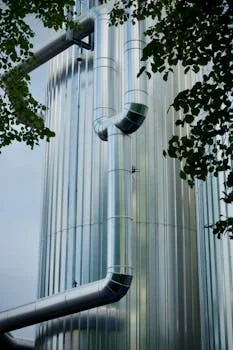
Selecting the optimal sewage treatment equipment for an Incheon project involves a systematic evaluation process, beginning with a precise definition of wastewater characteristics. Step 1 requires a thorough analysis of influent parameters, including Chemical Oxygen Demand (COD), Biochemical Oxygen Demand (BOD), Total Suspended Solids (TSS), Fats, Oils, and Grease (FOG), pH, and temperature. For example, semiconductor wastewater typically presents with high COD (e.g., 2000 mg/L) and TSS (e.g., 500 mg/L) due to manufacturing processes, whereas municipal wastewater generally has lower concentrations (e.g., BOD 200 mg/L, TSS 250 mg/L). This initial characterization is fundamental to identifying suitable treatment technologies.
Step 2 focuses on matching technology to the specific influent characteristics. For wastewater with high FOG or TSS, a Dissolved Air Flotation (DAF) system is often the most effective primary treatment. For high-BOD industrial or municipal wastewater requiring advanced purification, a Membrane Bioreactor (MBR) system provides superior effluent quality. Small communities or factories benefit from compact WSZ package plants for ease of installation and operation. A basic decision tree might suggest: 'If TSS > 500 mg/L and FOG > 100 mg/L → Consider DAF or lamella clarifier for primary treatment.' Step 3 involves evaluating compliance requirements, which are particularly stringent in Incheon. This includes meeting MOE discharge limits such as BOD < 10 mg/L and TSS < 20 mg/L, and, for water reuse projects, K-water reuse standards, which often necessitate tertiary treatment such as Reverse Osmosis (RO) or UV disinfection.
Step 4 addresses site constraints, which are a major consideration in Incheon's urban environment. Factors such as available footprint, noise emissions, and potential odor generation must be assessed. Urban sites, for instance, might require underground WSZ plants or advanced odor control systems. Finally, Step 5 involves comparing potential suppliers using comprehensive data. Utilize the technical comparison table from earlier sections to evaluate vendors based on capacity range, pollutant removal efficiencies, energy consumption, footprint, compliance records, and lead times. When issuing a Request for Proposal (RFP), include a checklist to ensure all critical factors are addressed, such as verifying the supplier's experience with similar projects in Incheon, their after-sales support capabilities, and warranty provisions. This structured approach minimizes risks and ensures the selection of a robust, compliant, and cost-effective sewage treatment solution.
- Confirm average, peak, minimum, and seasonal flow before sizing.
- Test COD, BOD, TSS, FOG, pH, temperature, TN, TP, metals, and inhibitory chemicals.
- Separate sanitary sewage, process wastewater, concentrated cleaning streams, and stormwater where practical.
- Write the discharge point, regional classification, sampling method, and warranty limits into the RFP.
- Compare CAPEX, installation, energy, chemicals, membranes, sludge, labor, and service response over the planned life.
- Require commissioning records, operator training, spare parts, warranty boundaries, and an off-specification response plan.
Before issuing an RFP, teams sourcing across the country can pair this page with the sludge-focused decision framework at sewage+treatment+equipment+email+south+korea, while plant sourcing teams comparing European markets can cross-check the Copenhagen supplier guide at industrial equipment supplier copenhagen for a cross-market cost comparison. Neither linked page defines the Incheon buying intent covered here.
Next Step for an Incheon Project
Send the flow profile, laboratory data, site limits, discharge point, and target commissioning date with your Incheon wastewater treatment equipment quotation request. A useful first comparison has one process basis, one battery limit, and one list of warranty-backed outlet parameters.
Frequently Asked Questions
What is the difference between STP and WWTP?
STP (Sewage Treatment Plant) primarily treats domestic wastewater from households and commercial establishments, while WWTP (Wastewater Treatment Plant) is a broader term that can include domestic and industrial wastewater. Incheon industrial zones such as Songdo may require WWTPs with DAF pretreatment for high FOG and COD, followed by biological or polishing treatment matched to the permitted discharge.
Which country has the best sewage treatment plant?
No single country has the best plant for every duty, because performance depends on influent, permit, climate, and operating practice. That national base does not prove every facility performs equally, so buyers should still request plant-specific data and compliance records.
What is the pay-as-you-throw system in South Korea?
South Korea's Pay-as-You-Throw (PAYT) system applies to solid waste and charges households by the volume discarded, with the source example of KRW 50-100/L for food waste. Industrial wastewater charges and discharge permissions are separate matters. The source article cites KRW 150-300/m³ for wastewater fees and a potential 30-50% reduction from treatment, but those figures require confirmation for the site and permit.
How much does a sewage treatment plant cost in Incheon?
The Capital Expenditure (CAPEX) for sewage treatment plants in Incheon ranges from $50,000 for small DAF systems to over $2M for large-scale MBR plants in the source comparison. Operational Expenditure (OPEX) typically falls between $0.10-$0.30/m³ of treated water. A 100 m³/h WSZ package plant might cost approximately $200,000 and achieve a payback period of around 3 years, subject to a verified business case.
Can I buy used sewage treatment equipment in Incheon?
Used sewage treatment equipment is available in Incheon, often at 30-50% less than new DAF units in the source estimate. Used equipment still needs inspection, controls testing, parts availability, and a performance trial against the applicable permit, including the planning example of TSS < 20 mg/L. The buyer should price refurbishment, transport, installation, and the loss of a full new-unit warranty.
Further Reading
Explore these in-depth articles on related wastewater treatment topics: