What 'Compact' Actually Means in Sewage Treatment Design
A compact sewage treatment unit (often called a packaged STP, small wastewater treatment plant, or prefabricated STP) is a factory-built skid- or container-integrated system that combines primary clarification, biological secondary treatment, and often tertiary disinfection inside a single sealed envelope. Compared with a conventional cast-in-place concrete works of the same capacity, a compact unit typically achieves a 50–70% smaller footprint (per HydropureWater engineering data, 2026) because the hydraulic retention time is shorter and the tank geometry is optimized for buried or above-grade modular installation.
Two capacity tiers dominate the 2026 market. At the small end, units such as the BioKube range cover 1–18 m³/day in plug-and-play cylindrical polypropylene vessels, CE-marked and certified to CEN 12566 for European buyers. At the mid-to-upper end, skid-mounted or buried systems such as the WSZ series underground integrated A/O sewage treatment plant handle 1–80 m³/h with fully automated A/O contact oxidation, sedimentation, and chlorine dioxide disinfection in one buried tank. Three process families sit inside this envelope — A/O (anoxic + aerobic), SBR (sequencing batch), and MBR (membrane bioreactor) — each selected on the basis of effluent target, footprint, and load variability rather than capacity alone. The terms compact, containerized, and packaged are often used interchangeably, but a true compact unit integrates all three treatment stages into one vessel; a containerized unit may only house equipment that still depends on separate upstream or downstream tanks.
The Seven Design Criteria Engineers Must Lock In First
Compact sewage treatment unit design criteria in 2026 collapse into seven ordered parameters that map directly onto an RFQ datasheet. Skipping one of them is the most common reason a packaged plant under-performs in commissioning.
- Influent characterization. Domestic-strength sewage typically carries BOD 200–400 mg/L, COD 400–600 mg/L, and TSS 200–300 mg/L (HydropureWater field data, 2026). Industrial sites — food processing, laundry, or metal finishing — must add a dissolved air flotation system or flow equalization upstream; without it, a compact biological unit cannot hold MLSS within design band.
- Effluent target. US EPA secondary treatment (per 40 CFR 133) sets COD <50 mg/L, TSS <30 mg/L, BOD <30 mg/L; the EU Urban Waste Water Treatment Directive 91/271/EEC requires COD <125 mg/L in sensitive areas. Reuse applications demand tighter numbers — TSS <5 mg/L and turbidity <1 NTU — which only MBR can deliver without tertiary polishing.
- Hydraulic retention time (HRT). 4–8 h for A/O units under peak flow, dropping to 1–2 h for MBR (HydropureWater engineering data, 2026). SBR does not have a continuous HRT — it operates on a fill-react-decant-idle cycle of typically 4–6 h per batch.
- Mixed liquor suspended solids (MLSS). 3,000–5,000 mg/L for A/O contact oxidation; 8,000–12,000 mg/L for MBR, where higher MLSS is sustainable because membrane filtration retains biomass independent of settling.
- Dissolved oxygen (DO) and zoning. Maintain 2–4 mg/L in the aerobic zone and <0.5 mg/L in the anoxic zone, with an aerobic-to-anoxic volume ratio of 2:1 to 3:1 to support simultaneous nitrification-denitrification.
- Oxygen transfer efficiency (OTE). Fine-bubble diffusers in a compact A/O envelope deliver roughly 70% better OTE than coarse-bubble systems used in conventional concrete tanks, which is the single largest reason packaged plants cut aeration energy by 30–50%.
- Materials of construction and certification. Carbon-steel epoxy, FRP, or 304/316 stainless tanks; in Europe, CEN 12566-3 is mandatory for any packaged plant <50 PE; in the US, look for NSF/ANSI 40 or state-level approval. Reference the compact sewage treatment unit engineering specs and selection guide for a side-by-side reading of these certificates.
Parameter Table: A/O vs SBR vs MBR at a Glance
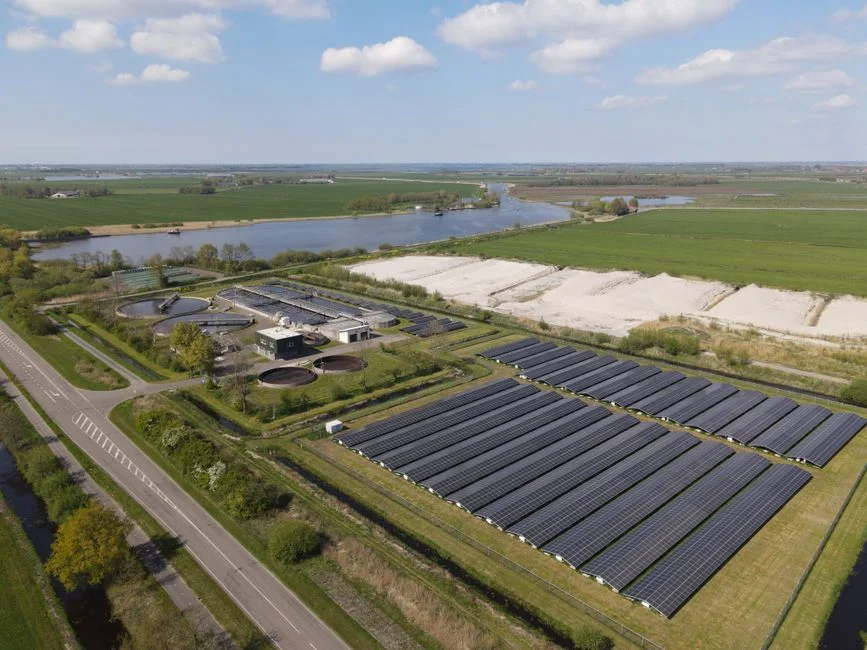
Three processes dominate the compact envelope, and the difference between them shows up cleanly in seven design parameters. Use the table below to pick a process in one glance before opening a vendor datasheet.
| Parameter | A/O | SBR | MBR |
|---|---|---|---|
| HRT | 4–8 h (peak flow) | 4–6 h per batch cycle | 1–2 h |
| MLSS | 3,000–5,000 mg/L | 3,000–6,000 mg/L (end of react) | 8,000–12,000 mg/L |
| F/M ratio | 0.1–0.3 kg BOD/kg MLSS·d | 0.05–0.2 kg BOD/kg MLSS·d | 0.03–0.1 kg BOD/kg MLSS·d |
| Sludge yield | 0.3–0.5 kg TSS/kg BOD removed | 0.2–0.4 kg TSS/kg BOD removed | 0.25–0.45 kg TSS/kg BOD removed (higher total mass due to MLSS 2–3×) |
| Effluent TSS | <30 mg/L (EPA secondary) | <30 mg/L (EPA secondary) | <5 mg/L (reuse-grade) |
| Footprint vs conventional | 50–60% smaller | 40–55% smaller | 60–70% smaller (no tertiary clarifier) |
| Energy | 0.3–0.5 kWh/m³ | 0.4–0.6 kWh/m³ | 0.8–1.2 kWh/m³ |
Pick this if… A/O is the lowest-cost option for municipal, hotel, and general industrial loads with buried installation. SBR is the right call when total nitrogen removal is required and the load is intermittent (hotels, seasonal facilities, gated communities). MBR is the right call when the site demands reuse-grade effluent, has very tight space, or is feeding a polishing step such as a HydropureWater integrated MBR membrane bioreactor with a DF series PVDF flat sheet MBR membrane module. Membrane care follows the industrial MBR membrane maintenance protocol.
Hydraulic, Footprint, and Sludge Design Criteria
Process parameters only become useful when translated into a physical package the buyer can fit on site. Three physical criteria sit on top of the seven process criteria above.
Peak flow management. Size the equalization zone for 4–8 h of peak flow whenever the influent is shift-based (factory washdown windows) or guest-based (hotel morning and evening peaks). A correctly sized EQ buffer cuts the required biological tank volume by 20–30% and protects the diffusers from hydraulic shock — the most common cause of the symptoms covered in the aeration diffuser fouling troubleshooting guide.
Footprint. A 20 m³/h A/O compact unit typically occupies a single 6 m × 2.5 m × 2.5 m buried tank. An MBR at the same flow needs roughly 30% more tank volume because of the higher MLSS and the membrane cassette, but it eliminates the tertiary clarifier and the sludge return pumping station that a conventional plant would still need.
Sludge handling. Compact A/O units produce 0.3–0.5 kg TSS per kg BOD removed, in line with the EPA 2024 benchmark for biological treatment (HydropureWater engineering data, 2026). MBR specific yield is similar, but total mass is higher because MLSS runs 2–3× higher — plan a HydropureWater plate and frame filter press for dewatering and a sludge storage tank sized for at least 14 days of accumulation. Underground installation removes visual impact and frees the surface for landscaping or parking, but raises access and ventilation requirements that must be priced into O&M.
Cost and Compliance Criteria: CapEx, OPEX, and Standards
Procurement needs the dollar number and the regulatory checkbox in the same row. The table below puts the two side by side for a typical European or US packaged STP project.
| Cost / Compliance Item | A/O | SBR | MBR |
|---|---|---|---|
| CapEx (USD per m³·d) | $800–$1,200 | $1,000–$1,500 | $1,400–$2,000 |
| Example 20 m³/h CapEx | ~$160,000 | ~$200,000 | ~$280,000 |
| OPEX (USD per m³ treated) | $0.10–$0.18 | $0.12–$0.22 | $0.20–$0.30 |
| Main OPEX driver | Aeration energy 0.3–0.5 kWh/m³ | Aeration + decanter control | Aeration + membrane aeration 0.8–1.2 kWh/m³, membrane replacement every 5–8 yr |
| US compliance basis | EPA secondary, 40 CFR 133 (COD <50, TSS <30, BOD <30 mg/L) | EPA secondary, 40 CFR 133 | EPA secondary + state reuse rules |
| EU compliance basis | UWWTD 91/271/EEC (COD <125 mg/L sensitive areas); CEN 12566-3 if <50 PE | UWWTD 91/271/EEC; CEN 12566-3 | UWWTD 91/271/EEC; local reuse regulation |
| Reuse compliance | Needs tertiary | Needs tertiary | TSS <5 mg/L, turbidity <1 NTU — meets WHO 2006 restricted irrigation |
For European buyers, CEN 12566-3 is the non-negotiable certificate for any packaged plant below 50 PE — it tests both hydraulic and treatment performance under defined load patterns and is the only document most EU member states will accept at commissioning. In the US, the equivalent for residential-scale plants is NSF/ANSI 40. For disinfection polishing on a reuse-grade MBR train, a chlorine dioxide generator keeps residuals stable at low chlorine demand and avoids the THM formation that liquid hypochlorite can cause in warm effluents.
How to Use These Criteria in a Vendor RFQ
The seven design criteria become a tool only when they reach the RFQ. Hand the vendor a one-page datasheet that locks in five things: target flow in m³/h (average and peak), influent characterization (BOD/COD/TSS/pH), effluent standard (EPA secondary, EU UWWTD, or reuse), footprint ceiling in m², and power supply (V/Hz, three-phase availability). Ask the vendor to confirm back, in the same row order, the design HRT, MLSS, SOTE/OTE, sludge yield, expected energy in kWh/m³, and the test certificates (CE / CEN 12566-3 / NSF 40 / state approval).
Score returned bids on a weighted matrix: 30% compliance, 25% CapEx, 20% OPEx, 15% footprint, 10% lead time and local service. Red flags include vendors who quote only by population equivalent without asking for influent data, who cannot supply a CEN 12566-3 or NSF 40 test report, or who list MBR energy at <0.6 kWh/m³ — that number is not consistent with current field data and usually signals under-sized membrane aeration. For site-specific sizing on a hotel or residential community, the packaged MBR STP sizing for a hotel project walkthrough is a useful worked example.
Frequently Asked Questions
What HRT and MLSS should I specify for a compact A/O sewage treatment unit?
Specify HRT 4–8 h under peak flow and MLSS 3,000–5,000 mg/L in the aerobic zone, with DO 2–4 mg/L aerobic and <0.5 mg/L anoxic (HydropureWater engineering data, 2026). These bands give simultaneous BOD removal and nitrification-denitrification in a single buried package and meet EPA secondary treatment limits under 40 CFR 133.
How does MBR differ from A/O in design parameters?
MBR runs at a much higher MLSS of 8,000–12,000 mg/L and a shorter HRT of 1–2 h because the HydropureWater integrated MBR membrane bioreactor retains biomass by filtration rather than settling. The trade-off is energy: 0.8–1.2 kWh/m³ for MBR versus 0.3–0.5 kWh/m³ for A/O, plus membrane replacement every 5–8 years. MBR is selected when reuse-grade effluent (TSS <5 mg/L, turbidity <1 NTU) or a very tight footprint is required.
What CapEx and OPEX should I budget for a 20 m³/h compact STP in 2026?
Budget $800–$2,000 per m³·d CapEx and $0.10–$0.30 per m³ OPEX. A 20 m³/h A/O unit in the WSZ series lands near $160,000 CapEx with OPEX around $0.15/m³; the MBR equivalent at the same flow is roughly $280,000 CapEx with OPEX closer to $0.25/m³. For European projects, confirm CEN 12566-3 certification is included in the price, not added as a change order.
Which certificate matters most — CE, CEN 12566-3, or NSF/ANSI 40?
It depends on the jurisdiction. In the EU, CEN 12566-3 is mandatory for any packaged plant below 50 PE because it tests both hydraulic and treatment performance under defined load patterns; a CE mark alone is not sufficient. In the US, NSF/ANSI 40 is the equivalent for residential-scale plants, while larger commercial units typically need state-level approval in addition to compliance with EPA secondary treatment under 40 CFR 133.