Why Christchurch Hotels Need a Purpose-Sized MBR, Not a Residential Unit
A 140-room Christchurch hotel running at full conference occupancy produces roughly 28–35 m³/day of wastewater with BOD of 250–400 mg/L, FOG of 50–150 mg/L from the kitchen, and a peak-to-average hydraulic ratio of 1.5–2.0× — a load profile that no residential "package plant" is designed to absorb. In 2026 we still see hotels specified as if they were a 20-lot subdivision, then handed to a packaged SBR or MBBR that was sized for stable domestic flow. The result is a system that polishes well in January and sheds BOD over 60 mg/L during a July wedding season, triggering consent non-compliance with Environment Canterbury.
Hotel wastewater is fundamentally different from domestic sewage. Per-guest water use runs 200–250 L/person·day for rooms alone, before adding kitchen prep, laundry, and pool backwash. Lint from on-site laundries and hair from guest rooms accumulate as fibrous solids that blind hollow-fibre membranes fast. The BOD profile sits 60–100% higher than residential sewage (250–400 mg/L vs 150–250 mg/L), and a single 250-cover function can push instantaneous loading to double the daily average for 4–6 hours. Canterbury's winter ski-season occupancy at alpine resort properties routinely drives peak-to-average above 2.0×.
This is why the rest of this guide treats the MBR not as a box but as a purpose-sized integrated MBR wastewater treatment system with a defined envelope. The commercial scale relevant to most Christchurch hotels sits in the Hydroflux Epco RapidSmart® 50–250 EP band, while the wider hotel/resort envelope — covering 10 m³/day boutique lodges up to 2,000 m³/day resort complexes — is well-served by containerised MBR plants.
From here the framework is: size the load first, map the consent pathway, choose the membrane geometry, then evaluate the vendor. Skipping ahead to vendor selection before you have a defensible number is the most expensive mistake in this procurement.
Step 1 — Size the MBR to Your Hotel's Actual Load
The sizing formula for a packaged MBR STP serving a Christchurch hotel is straightforward: Q (m³/day) = rooms × occupancy × L/person·day ÷ 1000. For a 120-room hotel at 80% occupancy and 220 L/person·day, that gives 120 × 0.8 × 220 ÷ 1000 = 21.1 m³/day average dry-weather flow. That is your design floor, not your design number.
On top of the average you stack two peaking factors that are easy to underestimate: a hydraulic peaking factor of 1.5–2.0× for conference, wedding, and ski-season events, and an organic (BOD) peaking factor of 1.3–1.5×. The hydraulic peak sets the equalisation tank size and the membrane cassette's instantaneous flux rating; the organic peak sets the aeration basin volume and MLSS targets. Conflating them — or ignoring the organic peak — is what makes membranes foul in week three of every high season.
For the 120-room worked example, the design point becomes roughly 32–42 m³/day peak hydraulic with the 1.5–2.0× factor, and 270–420 kg BOD/day peak organic load. DF-series flat-sheet MBR membrane modules in the 80–225 m² range produce 32–135 m³/day per cassette, so a single DF160 or two DF80 cassettes sit comfortably inside this envelope with built-in redundancy — one cassette can be taken off-line for clean-in-place while the other carries the load. Add 10–20% future-proofing margin if the property plans a function centre, spa expansion, or a second restaurant block within the asset life.
| Hotel typology | Rooms | Avg flow (m³/day) | Peak flow (m³/day, 1.5–2.0×) | Membrane cassette (reference) | BOD peak (kg/day) |
|---|---|---|---|---|---|
| Boutique lodge | 20–40 | 3.5–7.0 | 5.5–14 | 1 × DF80 (32 m³/day) | 40–95 |
| Mid-size hotel (worked example) | 120 | 21 | 32–42 | 1 × DF160 or 2 × DF80 | 270–420 |
| Conference / resort hotel | 200–300 | 35–53 | 53–106 | 1 × DF225 (135 m³/day) + standby | 450–715 |
| Large resort complex | 400+ | 70+ | 105–140 | 2 × DF225, duty/assist | 900+ |
Hand this table to your civil/environmental consultant before you request quotes. Any vendor who quotes you a packaged unit without asking for occupancy profile, FOG loading, and peak factor is quoting blind.
Step 2 — Map Christchurch and ECan Compliance Before You Buy
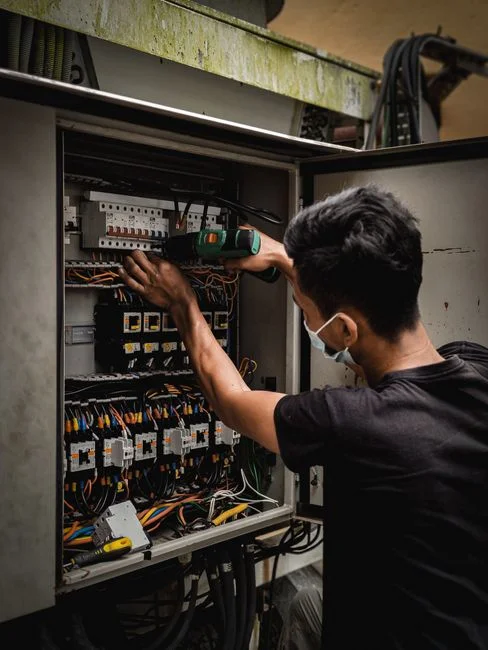
Any discharge to land, surface water, or stormwater in Canterbury requires a resource consent from Environment Canterbury under the Resource Management Act 1991 and the National Policy Statement for Freshwater Management 2020 (NPS-FM), which now applies the Te Mana o te Wai hierarchy — prioritising the health of water bodies over economic use, and increasingly tightening in-stream nutrient limits for nitrogen and phosphorus. As of 2026, ECan's consenting pathway for hotel-scale discharges typically references BOD <20–30 mg/L, TSS <30 mg/L, NH₄-N <10–15 mg/L, and faecal coliforms <200 cfu/100 mL for irrigation; unrestricted reuse targets E. coli <100 cfu/100 mL.
If the hotel is within the Christchurch City Council reticulated sewer catchment, the alternative is connection to the municipal network — but this still requires CCC trade-waste approval under the Wastewater Drainage Bylaw 2014 and the Infrastructure Design Standard. Trade-waste consent sets pre-treatment requirements (typically a grease trap to <50 mg/L FOG at the boundary) and may impose flow-damping conditions if your peak discharge exceeds the network's instantaneous capacity. Confirm sewer availability and trade-waste terms with CCC before you commit to a packaged plant, because a sewer connection can collapse the discharge-consent risk entirely.
Membrane bioreactors produce effluent below the ECan thresholds routinely — typically BOD <5 mg/L, TSS <5 mg/L, NH₄-N <2 mg/L with a nitrification stage, and faecal coliforms already reduced by 3–4 log through the membrane. That collapse in consent risk is the strongest technical argument for an MBR over a packaged SBR or MBBR in this duty, and the user can verify it against any standard BOD₅ test. Sizing, compliance, technology, vendor: the consent map is what locks the sizing target to a defensible number.
Step 3 — Choose MBR Configuration: Flat-Sheet vs Hollow-Fibre, Submerged vs External
For hotel duty in Christchurch, the default specification is a submerged flat-sheet PVDF membrane at 0.1–0.2 μm pore size. The geometry matters more than the brand. Flat-sheet membranes arranged in a rack configuration offer a large surface area for filtration, lower fouling rates, and easier clean-in-place — well matched to hotel wastewater where lint, hair, and FOG emulsions would otherwise blind a tighter channel. Hollow-fibre membranes are more compact and have a lower upfront CAPEX, but the smaller flow channels inside the fibres foul faster with fibrous solids; cleaning frequency drops from every few months (flat-sheet) to every few weeks (hollow-fibre) in a hotel load.
The Hydroflux Industrial comparison is direct on this: flat-sheet is the geometry of choice where influent quality is variable and operator skill is limited — which describes most hotel duty. Submerged designs also draw 10–20× less energy than external cross-flow MBRs because the permeate is pulled through the membrane by a low-pressure vacuum rather than pumped at high velocity across the surface. Over a 10–15 year plant life, that energy delta alone can outweigh the small CAPEX premium of a flat-sheet cassette.
| Parameter | Submerged flat-sheet (PVDF, 0.1 μm) | Submerged hollow-fibre (PVDF, 0.1–0.2 μm) | External cross-flow (tubular) |
|---|---|---|---|
| Hotel duty suitability | Best — tolerates lint, FOG, hair | Acceptable — higher cleaning frequency | Over-specified for hotel load |
| Typical flux (LMH) | 15–25 | 15–30 | 40–80 |
| Energy use (kWh/m³) | 0.4–0.8 | 0.5–1.0 | 2.0–6.0 |
| Cleaning interval | Every 1–3 months (CIP) | Every 1–4 weeks (CIP) | Continuous + weekly CIP |
| Membrane life | 8–12 years | 6–10 years | 5–8 years |
| Reference envelope | DF-series 80–225 m² cassette | Comparable footprint, higher fouling | Rare at hotel scale |
For a deeper primer on the underlying physics, the membrane bioreactor process explained article covers flux, TMP, and fouling mechanisms in detail.
Step 4 — Pretreatment, Reuse, and Sludge Handling Around the MBR
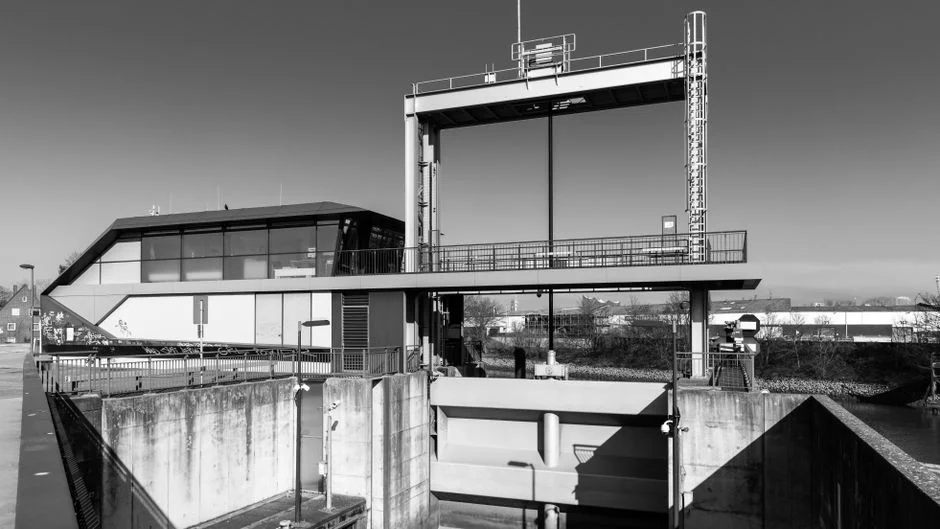
The MBR is the centre of a small treatment train, and the upstream and downstream unit operations determine whether you meet consent and reuse targets in practice. Upstream, you need a rotary mechanical bar screen at 1–3 mm aperture to capture lint, hair, and fibrous solids before they reach the membrane — without this, even a flat-sheet cassette will foul ahead of schedule. Immediately downstream of the screen, a grease trap sized to peak kitchen flow (typically 1.5–2× the kitchen's design drainage flow) is required to drop FOG below 100 mg/L into the equalisation tank. The equalisation tank then buffers the 1.5–2.0× hydraulic peak to within ±20% of average flow to the MBR, which is what keeps the membrane flux stable across a wedding-night spike.
Downstream, two reuse options matter for a Christchurch hotel: a UV steriliser for irrigation reuse at a typical dose of 40 mJ/cm² is effective against Cryptosporidium and Giardia and is the standard for landscape irrigation of grounds and gardens. If the reuse line needs a residual for distribution to cooling towers or toilet flushing, a ClO₂ generator set at 0.2–0.5 mg/L residual is the usual upgrade. Where site footprint is constrained — a CBD hotel with no plant room — a WSZ underground packaged plant can carry the upstream pretreatment chain below grade.
Sludge handling is the detail that gets dropped in procurement and paid for later. A small plate-and-frame filter press (1–5 m² for a 20–40 m³/day hotel) run quarterly cuts wet sludge volume by 80–85% to a stackable cake at 18–22% DS, which keeps the MBR site tidy and removes the need for liquid sludge tanker pump-outs. Plate-and-frame filter presses in the 1–500 m² range cover everything from a boutique lodge to a large resort.
Step 5 — Vendor Comparison and Installed Cost Bands in NZD
For a Christchurch hotel in the 5–80 m³/day band there are three credible supplier archetypes worth shortlisting: a local packaged supplier with NZ-based assembly and service (typified by Hydroflux Epco's RapidSmart® 50–250 EP range), an NZ system integrator that sources imported MBR modules and packages them locally, and an overseas OEM supplying containerised MBR plants (such as the HydropureWater 10–2,000 m³/day envelope) with either direct supply or through a local installer. All three can deliver compliant effluent; the differences are in service model, reference base, and whole-of-life cost.
Installed CAPEX bands in 2026 NZD, drawn from recent commercial-scale projects and adjusted for Canterbury seismic and electrical standards: ~NZD $25,000–$60,000 for a 5–20 m³/day packaged MBR; $60,000–$120,000 for 20–80 m³/day; plus building, plumbing, electrical, and civil works typically running 30–60% of equipment cost. OPEX for a submerged flat-sheet MBR is dominated by power at 0.4–0.8 kWh/m³, CIP chemicals (sodium hypochlorite and citric acid, ~NZD $800–$2,000/year), biannual servicing, and membrane replacement on an 8–12 year cycle (~$15,000–$45,000 per cassette depending on area).
| Supplier archetype | Capacity band (m³/day) | Installed CAPEX (NZD, 2026) | Lead time | Local service | Reference in NZ |
|---|---|---|---|---|---|
| Local packaged (e.g. RapidSmart® 50–250 EP) | 5–25 | $25,000–$60,000 | 8–14 weeks | Strong — NZ-based | Strong |
| NZ integrator of imported modules | 20–80 | $60,000–$120,000 | 12–20 weeks | Strong | Moderate |
| Overseas OEM (e.g. containerised MBR plants) | 10–2,000 | $40,000–$150,000+ | 14–24 weeks (incl. shipping) | Via local installer | Variable |
Before you sign, run each vendor through this due-diligence checklist: (1) at least three NZ reference sites of comparable size and duty, (2) a local service partner with a named contact and 48-hour response SLA, (3) a written FOG-tolerance warranty covering peak kitchen loading, (4) a documented CIP protocol with chemical consumption projections, (5) holding stock of spare membrane cassettes in NZ for emergency replacement. The wider decentralised wastewater market and cost outlook to 2030 points to membrane costs softening 8–12% and modular containerised plants gaining share, which favours late-2026 procurement if your timeline allows. For a worked international example of a hotel/resort duty case, see the hotel and resort wastewater system guide.
Frequently Asked Questions
What size packaged MBR does a 100-room Christchurch hotel need?
A 100-room hotel at 75–80% occupancy produces 16–18 m³/day average and 25–35 m³/day peak. A single DF80 cassette (32 m³/day nominal) covers it, with a second cassette for standby and CIP rotation. The conservative design target sits at 30 m³/day to absorb event peaks without flux excursion.
Do I need an ECan resource consent if I connect to the Christchurch sewer?
No — discharge to the CCC reticulated network is regulated by Christchurch City Council under the Wastewater Drainage Bylaw 2014 and requires trade-waste approval, not an ECan consent. You will, however, still need a trade-waste consent, a compliant grease trap, and flow monitoring at the boundary. ECan is only triggered if you discharge to land, surface water, or stormwater.
Can a packaged MBR produce reuse-quality water for hotel irrigation?
Yes. A submerged flat-sheet MBR with downstream UV sterilisation routinely produces effluent at BOD <5 mg/L, TSS <5 mg/L, and E. coli <100 cfu/100 mL, which meets the ECan threshold for unrestricted landscape irrigation in Canterbury. For cooling-tower or toilet-flush reuse, add a ClO₂ residual stage at 0.2–0.5 mg/L.
How often do MBR membranes need replacing in hotel duty?
With a flat-sheet PVDF cassette, properly pretreated and on a quarterly CIP cycle, membrane life is 8–12 years. Hollow-fibre membranes in the same duty typically run 6–10 years. Budget $15,000–$45,000 per cassette replacement depending on area, and confirm the vendor holds NZ spare stock before you sign.