
Why Uniontown-Area Food and Beverage Plants Get Hit with Pretreatment Notices
Food and beverage producers in Fayette County discharge to the Uniontown Municipal Authority sewer system, which is permitted through PA DEP and subject to oversight under the U.S. EPA pretreatment framework. When a small dairy, meat, brewery, or bottling plant exceeds its permit, the result is typically a Notice of Violation (NOV) with a 90-day response window — and a non-response triggers surcharges, consent-order CapEx, or production shutdown.
The legal backbone is the EPA's 40 CFR 403 General Pretreatment Regulations, which authorizes any POTW with approved pretreatment programs to set local discharge limits on BOD, TSS, FOG, pH, and ammonia for industrial users. Where a producer falls under an EPA Categorical Standard (40 CFR 405–471, covering dairy, meat products, grain mills, beverages, etc.), those federal limits apply first; the POTW's local limits apply in addition. Most small Uniontown-area plants are non-categorical, so the local sewer-use ordinance drives compliance. Even non-categorical plants still fall under 40 CFR 403.5(a), which prohibits "pass through" and "interference" at the POTW regardless of whether the numerical limit is technically met.
Regulators are tightening standards on food and beverage wastewater due to the sector's substantial water usage and pollutant load (per Integrated Water Services, 2025). The receiving utility sets the BOD, TSS, and nutrient limits, and exceeding them consistently can stop production. A small brewery or meat processor near Uniontown often has more compliance risk than its size suggests, as the loading profile, rather than the flow volume, trips the alarm.
Typical Local Limits a Uniontown-Area POTW Will Set on Your Permit
Local limits for industrial discharge are determined by each POTW's individual capacity, dilution ratio, and the categorical industries discharging upstream. Each POTW runs a Local Limits Study under 40 CFR 403.5(c) to derive numerical limits. A small F&B plant around Uniontown should expect a permit in the following ranges, drawn from comparable small-PA POTW ordinances (per PA DEP industrial wastewater guidance, 2024):
| Parameter | Typical Local Limit | Notes |
|---|---|---|
| BOD5 | 200–300 mg/L | Daily max; surcharge per pound above |
| TSS | 200–300 mg/L | Daily max; surcharge per pound above |
| FOG / Oil & Grease | 50–100 mg/L | Stricter for food service, meat, dairy |
| Ammonia (NH3-N) | 10–20 mg/L | Seasonal — tighter in summer |
| Total Nitrogen | 25–40 mg/L | Driven by receiving-stream assessment |
| pH | 5.0–11.0 | Instantaneous range, no slug excursions |
| Total Phosphorus | 5–10 mg/L | Where receiving stream is impaired |
FOG limits are tighter for meat and dairy producers and are usually paired with a per-pound surcharge. Sampling is typically 24-hour flow-proportional composite, with self-monitoring frequencies ranging from monthly to quarterly, chain-of-custody required, and a 90-day reporting window. The larger risk is 40 CFR 403.5(a): even if you hold a passing monthly average, a slug that disturbs the POTW's activated sludge or causes a fish-kill downstream constitutes a violation. Treat peak-shift compliance, not average compliance, as the design point.
The Pretreatment Train That Actually Hits Those Limits
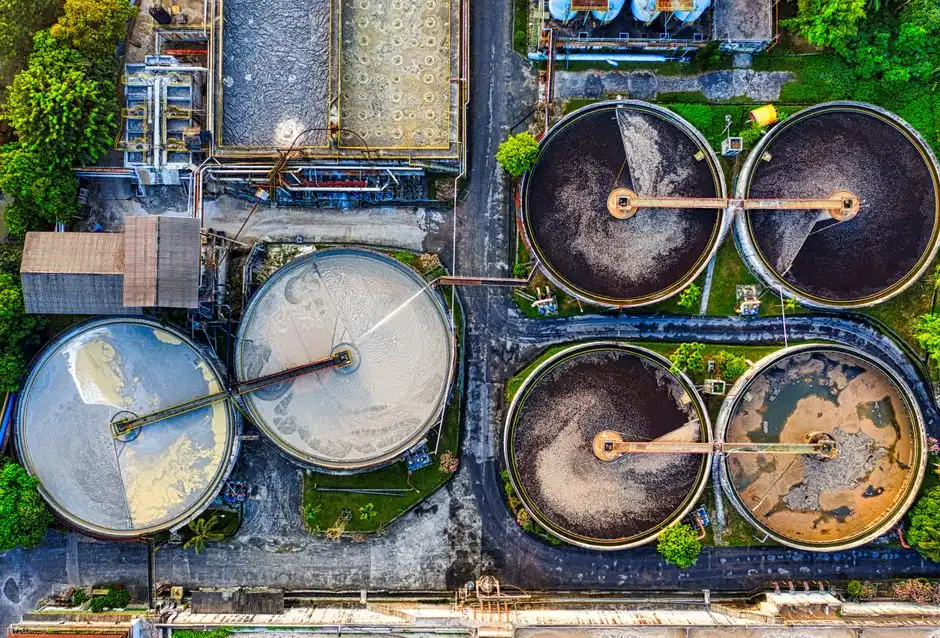
A reliable 2026 F&B pretreatment train for a Uniontown-area plant follows this sequence: rotary screening → flow equalization → pH adjustment → DAF for FOG → biological treatment → polishing and continuous discharge monitoring. Each stage serves a specific purpose, and avoiding skipped or reordered steps prevents most NOVs.
- Rotary mechanical bar screen (GX-type). A rotary mechanical bar screen pulls rags, fruit/vegetable solids, and CIP debris out of the stream before they reach pumps and biological systems. Typical bar spacing 2–6 mm, automatic operation.
- Flow equalization. Systems must be sized off peak shift, not the monthly average. Cleaning cycles, seasonal runs, and batch production create loading spikes that crash systems sized only for average conditions. The equalization basin should hold at least 8–12 hours of average daily flow, with mixing to keep solids in suspension.
- pH adjustment. An automatic chemical dosing skid with PLC-controlled acid/caustic injection keeps discharge pH inside the 5–11 POTW window even during CIP swings. Inline pH probes with feedback control are necessary, as manual dosing often fails.
- Dissolved air flotation (DAF). The industrial DAF system removes emulsified fats, oils, and grease plus fine suspended solids on micro-bubbles before they reach biology. Standard DAF units cover 4–300 m³/h. Typical DAF performance on F&B waste: 60–90% FOG removal, 50–80% TSS removal.
- Biological treatment. Aerobic activated sludge (jet-aerated for high strength), MBR, or MBBR/IFAS handles BOD, COD, and ammonia reduction to the local-limit range. Aeration must be sized for the peak-shift oxygen demand, which is usually 2–3× the daily average.
- Polishing and discharge monitoring. A final clarifier or polishing filter protects the effluent quality, and flow-proportional composite sampling with continuous pH/temperature/flow recording closes the compliance loop.
DAF vs. MBBR vs. MBR: Picking the Right Biological Stage for Your Flow
Selecting the optimal biological stage requires balancing discharge limits, operator skill, footprint, and water reuse goals for flows of 10–500 m³/day.
| Option | Typical CapEx (relative) | BOD Removal | Footprint | Operator Skill | Best Fit |
|---|---|---|---|---|---|
| Jet-aerated activated sludge | Lowest (baseline) | 90–95% | Medium | Medium | High-strength streams (BOD > 1,500 mg/L); brewery, meat, dairy; budget-driven |
| MBBR / IFAS | Mid | 90–95% | Medium | Low–Medium | Variable / batch loading; fixed media buffers shock; no membrane replacement |
| MBR | Highest | 95–99% | Smallest | High | Tight TSS/ammonia (< 30 mg/L); reuse-quality effluent; phased toward water reuse |
| Anaerobic + CHP | High upfront, fast payback | 70–85% | Large | High | BOD > 3,000 mg/L steady flow; brewery/dairy; biogas offsets utilities |
Jet aeration is the workhorse for high-demand applications where conventional fine bubble diffusers fail — KLa Systems has 1,700+ global installs across food and beverage (per Integrated Water Services, 2025). MBBR/IFAS is the best balance for plants with seasonal or batch loading because the fixed media absorbs shock and avoids membrane replacement cost. The MBR membrane bioreactor combines activated sludge with submerged PVDF membrane filtration, delivers sub-micron filtrate, and supports higher removal rates of contaminants (per Integrated Water Services, 2025). For most small Uniontown-area plants discharging to a POTW, MBBR or jet-aerated activated sludge is the most cost-effective; MBR is appropriate when discharge limits are tight or reuse is the next step. Anaerobic digestion with combined heat and power is worth modeling for brewery or dairy processors with BOD above 3,000 mg/L and steady flow, as biogas can offset significant utility costs (per Integrated Water Services, 2025).
Sizing for Peak Production, Not Average — the Compliance Mistake That Hurts Most
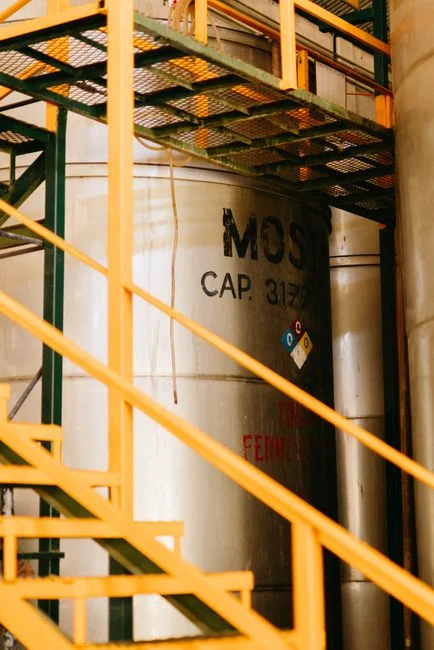
The single most common pretreatment failure on small F&B plants is a system quoted against the monthly average flow and loading. Production schedules rarely run at a constant flow — cleaning cycles, seasonal processing runs, and batch production create loading spikes that crash systems sized only for average conditions. The math is unforgiving: a 2–4× spike during CIP and seasonal runs in meat, dairy, and brewery operations is normal, and a biological system designed for the average will lose its nitrification capacity inside the first month of peak production.
The rule of thumb: equalization basin sized at 8–12 hours of average daily flow, with peak-shift discharge as the design point for pumps, screens, DAF, and aeration. A packaged plant that integrates equalization, biological treatment, and disinfection in a single skid provides a defensible compliance envelope from the start.
Pretreatment Economics: Surcharges vs. Treatment CAPEX
POTW surcharge formulas typically charge per pound of BOD, TSS, or FOG above the local limit. A single quarter of exceedances at a small F&B plant — say 50,000 lb of BOD over limit at $0.20/lb — runs $10,000 in surcharges, and three consecutive quarters of violations easily reach $30,000–$60,000 before consent-order CapEx is on the table. A packaged DAF plus MBBR system sized for 50 m³/day runs roughly $150,000–$350,000 installed, with operating cost dominated by power for aeration and periodic polymer — well under one year of repeated surcharges on a chronically non-compliant plant.
Sludge dewatering with a plate and frame filter press is the other cost lever: reducing sludge volume by 75–80% before hauling turns a five-figure annual disposal line item into a manageable recurring expense. Once a POTW issues an NOV, CapEx is mandatory and subject to deadlines. Phased installation (DAF first, biological upgrade in year two) is the most common path for small F&B plants around Uniontown because it spreads capital while the DAF immediately mitigates FOG surcharges.
Your 90-Day Compliance Action Plan
- Days 1–15. Pull the last 12 months of POTW sampling reports and self-monitoring data, and build a parameter-by-parameter exceedance table. Identify which pollutants are driving surcharges.
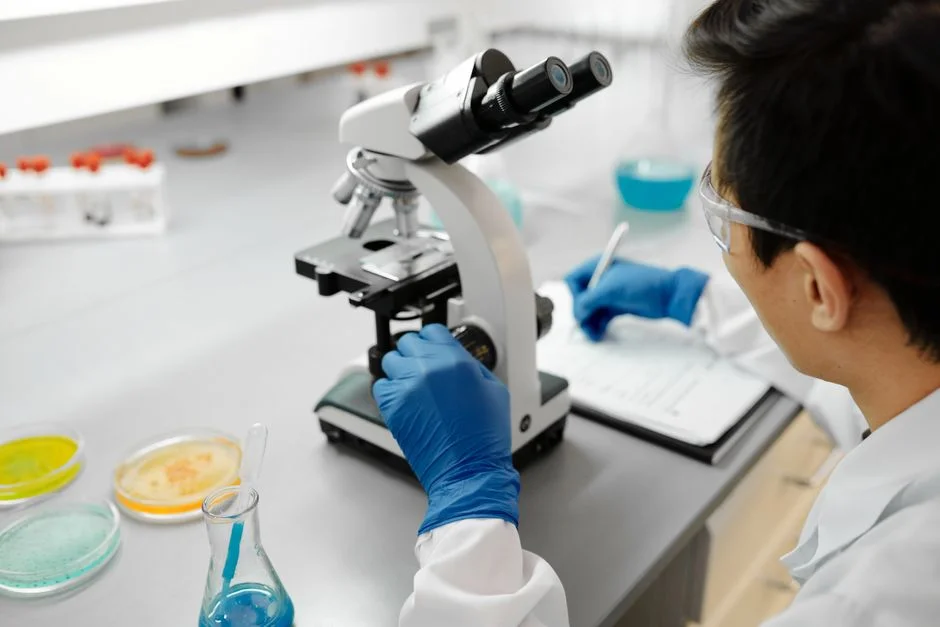
- Days 16–45. Run a wastewater characterization on a peak production day — BOD, TSS, FOG, pH, ammonia, total flow, and 24-hour flow-proportional composite. This is the dataset your treatment train must be sized to.
- Days 46–75. Pilot or quote a DAF + biological train sized for the measured peak. Line up equalization and chemical dosing upgrades. Get a high-efficiency clarifier or sedimentation step upstream of the biological stage to protect it.
- Days 76–90. Submit a compliance plan with milestone dates to the POTW, install temporary flow-proportional monitoring, and schedule biological-stage procurement.
Pairing the right equipment with a service contract prevents biology crashes after slug loads. A 90-day plan is the most efficient way to maintain production continuity.
Frequently Asked Questions
What local limits does a Uniontown-area POTW typically set for food and beverage wastewater?
Most small-PA POTWs set BOD and TSS at 200–300 mg/L, FOG at 50–100 mg/L, ammonia at 10–20 mg/L, total nitrogen at 25–40 mg/L, and pH at 5.0–11.0 instantaneous. Local limits are re-derived per 40 CFR 403.5(c) for each POTW, so the exact numbers on your permit come from your own utility's Local Limits Study (per PA DEP, 2024).
Which biological treatment is best for a
Frequently Asked Questions
What BOD and TSS limits does the Uniontown, PA sewer authority set for food and beverage discharges?
The Uniontown, Pennsylvania sewer authority typically enforces local discharge limits based on the capacity of the wastewater treatment plant. Standard local limits for food and beverage facilities usually cap Biological Oxygen Demand (BOD) at 250 mg/L and Total Suspended Solids (TSS) at 250 mg/L. Discharges exceeding these concentrations are subject to surcharge fees based on the mass loading of the waste.
Do food and beverage plants in Pennsylvania need an EPA categorical pretreatment standard or just a local limit?
Most food and beverage plants in Pennsylvania are classified as non-categorical industrial users and are primarily regulated by local limits established by the Publicly Owned Treatment Works (POTW). However, specific subcategories, such as those defined under 40 CFR Part 405 (Dairy Products Processing) or Part 407 (Canned and Preserved Fruits and Vegetables), may trigger federal categorical pretreatment standards if the facility meets specific production thresholds.
What is the best wastewater treatment system for a small food and beverage plant discharging to a municipal sewer?
For small facilities, a Dissolved Air Flotation (DAF) unit is the industry standard for primary pretreatment to remove fats, oils, and grease (FOG) and a significant portion of TSS. If BOD levels remain above municipal limits after DAF, a modular Moving Bed Biofilm Reactor (MBBR) or a compact Membrane Bioreactor (MBR) is recommended to achieve high-efficiency biological degradation of dissolved organic matter before discharge.
How much does a DAF and MBR pretreatment system cost for a 50 m³/day food processing plant?
For a 50 m³/day (approximately 13,000 gallons per day) flow rate, the capital expenditure for a skid-mounted DAF system typically ranges from $60,000 to $100,000. Integrating an MBR system for secondary treatment increases the total project cost to between $250,000 and $450,000, depending on the complexity of the influent waste profile and the degree of automation required for regulatory compliance.
How do you calculate POTW sewer surcharges for BOD and TSS exceedances?
Surcharges are calculated using the formula: Surcharge = Flow (in million gallons) x 8.34 x (Concentration - Limit) x Rate. The concentration is the measured mg/L, the limit is the municipal threshold (e.g., 250 mg/L), and the rate is the established cost per pound of pollutant set by the Uniontown sewer authority. Facilities are billed for the excess mass loading above the authorized concentration limits.