Why Chemical Preparations Wastewater in Killeen Stresses Conventional Activated Sludge
Chemical preparations and industrial organic chemicals plants in the Killeen–Central Texas corridor typically generate high-strength, variable effluent, including COD levels of 1,500–8,000 mg/L, BOD/COD ratios of 0.3–0.5, ammonia-N of 50–400 mg/L, pH swings between 2 and 12, and intermittent slug loads of solvents, surfactants, and catalyst residues (per typical organic chemicals plant surveys, 2025). Conventional activated sludge (CAS) operates at MLSS 2,000–4,000 mg/L and SRT 5–15 days, which is biologically thin for this duty. Toxic shocks trigger filamentous bulking, deflocculation, and nitrification collapse — the three failure modes common after a hexane or amine upset. Even MBR-treated industrial effluents carry recalcitrant organics such as carbamazepine, diclofenac, sulfamethoxazole, and ibuprofen, requiring photocatalytic polishing for complete removal (Molecules, 2025-11); CAS routinely fails earlier on these same compounds because its lower SRT cannot sustain the slow-growing degraders. Central Texas summer mixed-liquor temperatures of 28–32 °C cut dissolved oxygen solubility by 10–15% versus 20 °C design, which punishes CAS nitrification. MBR's higher SRT (20–60 days) and elevated MLSS buffer these temperature excursions because more diverse, slower-growing populations remain active even as ammonia-oxidizing bacteria (AOB) slow down.
MBR and CAS Process Basics in Two Paragraphs
Conventional activated sludge consists of biological oxidation in an aeration tank followed by gravity clarification in a secondary clarifier, with sludge return to maintain MLSS. CAS has more than a century of operating history and remains the cost benchmark for municipal and dilute industrial streams (per S5, PatSnap commercial review, 2025).
Membrane bioreactors couple the same activated-sludge biology with submerged microfiltration or ultrafiltration membranes — typically 0.1–0.4 μm PVDF hollow fiber or flat sheet — that replace the secondary clarifier and deliver near-reuse effluent. Per the 2021 Elsevier review on membrane bioreactors (S4), MBR is widely adopted in industrial wastewater because of its high effluent quality, compact layout, and tolerance of variable loads; the same review identifies membrane fouling as the principal MBR limitation driving ongoing research. For chemical preparations plants evaluating an integrated MBR membrane bioreactor system, the practical difference versus CAS is that solids separation becomes absolute (membrane pore size, not sludge settleability) and biomass concentration becomes operator-controlled rather than clarifier-limited.
Head-to-Head Parameters: MBR vs CAS on Chemical Wastewater
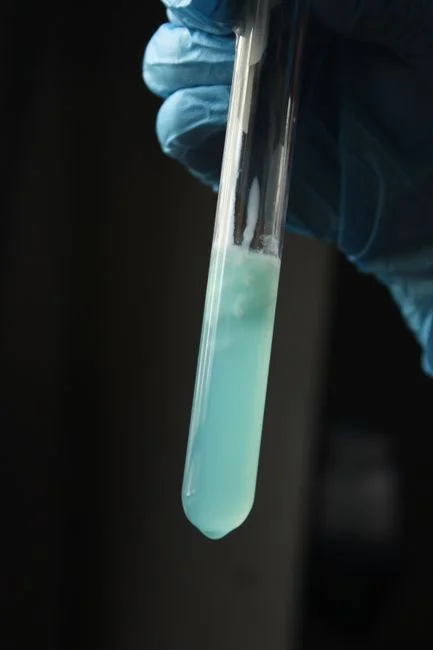
The parameter matrix below provides design figures for engineers evaluating Q1 2026 CAPEX/OPEX requirements. MBR MLSS of 8,000–12,000 mg/L versus CAS at 2,000–4,000 mg/L, and SRT 20–60 days versus 5–15 days, are industry-typical design ranges for organic chemicals duty. Effluent values are design targets rather than guaranteed site numbers. The 50% footprint reduction for MBR versus CAS is reported in the PatSnap 2025 commercial comparison (S5).
| Parameter | MBR | CAS | Why it matters for chemical duty |
|---|---|---|---|
| MLSS (mg/L) | 8,000–12,000 | 2,000–4,000 | Higher MBR biomass buffers toxic slugs and shock loads |
| SRT (days) | 20–60 | 5–15 | Longer MBR SRT retains slow growers and degrades recalcitrants |
| HRT (hours) | 4–8 | 6–12 | MBR cuts tankage on footprint-constrained sites |
| F/M ratio (kg BOD/kg MLSS·d) | 0.05–0.15 | 0.2–0.5 | Lower F/M stabilizes MBR against organic shocks |
| Effluent TSS (mg/L) | <5 | 10–30 | MBR effluent approaches direct reuse thresholds |
| Effluent BOD5 (mg/L) | <5 | 10–30 | MBR reliably meets TCEQ Chapter 307 BOD limits |
| Effluent NH3-N (mg/L) | <2 | 2–10 (with longer SRT) | MBR nitrification is more robust at 28–32 °C mixed liquor |
| Footprint | Up to 50% smaller | Benchmark | Frees plot area for production expansion |
| Excess sludge yield | Lower (long SRT, endogenous decay) | 30–60% higher | Reduces dewatering and 40 CFR 503 disposal costs |
| Energy use (kWh/m³) | 0.4–0.8 | 0.2–0.4 | MBR air-scour drives ~2× CAS aeration energy |
| Sensitivity to toxic shock | Moderate (high biomass buffers) | High (bulking, deflocculation) | MBR recovers faster after solvent or pH excursions |
Energy remains the primary MBR trade-off: membrane air-scour at 10–25 LMH flux typically adds 0.2–0.4 kWh/m³ over CAS aeration alone. Fouling mitigation strategies include intermittent relaxation, backwash, in-situ chemical cleaning, and sub-critical flux operation (S4, Elsevier 2021).
Regulatory Frame for Killeen: TCEQ, EPA 40 CFR 418, and Reuse
Texas Pollutant Discharge Elimination System (TPDES) permits issued by TCEQ under 30 TAC Chapter 305 and Chapter 307 set industrial effluent limits for BOD, TSS, and ammonia-N applicable to Central Texas chemical plants. Ammonia limits in Chapter 307 are a common challenge: seasonal limits of 2–10 mg/L NH3-N are standard for organic chemicals plants, and CAS struggles to maintain these levels at high mixed-liquor temperatures. EPA 40 CFR 418 (Organic Chemicals, Plastics, and Synthetic Fibers) sets categorical pretreatment standards that apply upstream of the biological step, meaning the choice of MBR or CAS does not exempt a plant from equalization, pH adjustment, or solvent stripper requirements. EPA 40 CFR 503 governs biosolids management; because MBR generates 30–60% less waste activated sludge than CAS at the same loading, plant operators realize lower disposal volumes and hauling costs. The Texas Water Development Board has funded direct potable reuse pilots in Central Texas, and industrial reuse is gaining traction; MBR's <5 mg/L TSS and <5 mg/L BOD effluent positions a plant to reuse cooling-tower makeup or boiler feedwater after polishing.
When MBR Wins, When CAS Wins: A Decision Framework
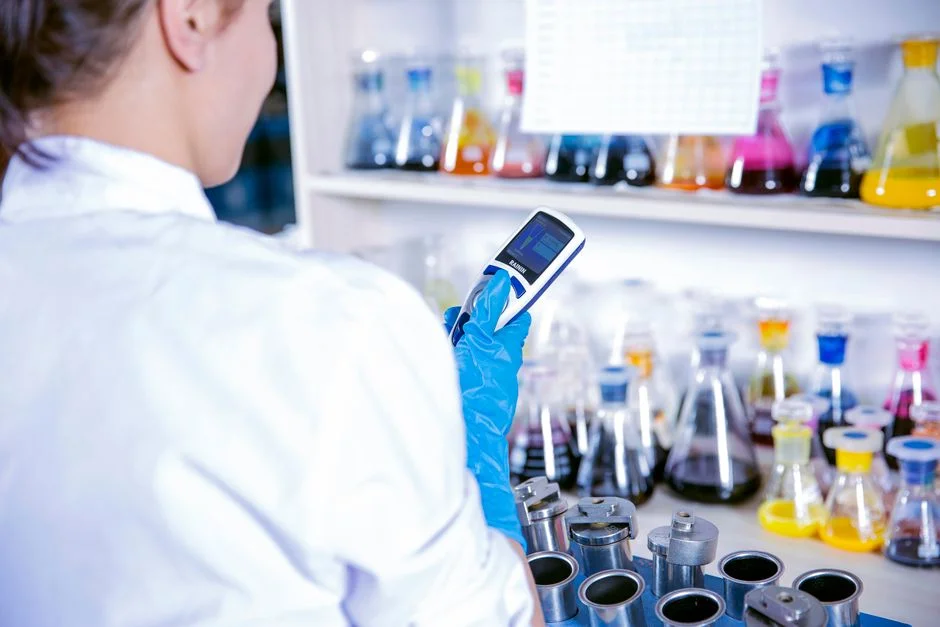
MBR is the optimal choice when plot area is under 0.5 ha, influent COD exceeds 3,000 mg/L, the plant logs more than two toxicity events per year, or on-site water reuse is a 2026–2028 capital priority. MBR's 50% footprint reduction and 8,000–12,000 mg/L MLSS operation justify the energy premium in those conditions. CAS is preferred when the existing aeration basin is structurally sound, influent COD stays below 1,500 mg/L, plot area is not a constraint, and CAPEX is the binding gate. The hybrid path is often the right answer for Killeen retrofits: keep the existing CAS aeration tank, drop a submerged MBR cassette into the secondary clarifier footprint, and reuse the existing RAS/WAS pump gallery. The DAF vs clarifier for chemicals wastewater buyer's guide covers the upstream pretreatment question that often decides whether an MBR retrofit fouls in six months or runs clean for six years. For high-foaming surfactant or amine streams, specify a DAF or equalization step ahead of the MBR to keep surfactant-driven fouling under control.
2026 CAPEX and OPEX Ranges for a Killeen Chemical Plant
The ranges below are 2026 indicative order-of-magnitude anchors for packaged systems at 100–500 m³/day chemical industry duty. A formal treatability study and site-specific P&ID review are required to finalize these figures.
| Cost element | MBR (packaged, 100–500 m³/d) | CAS (equivalent duty) | Notes |
|---|---|---|---|
| CAPEX (USD, installed) | ~2.0–3.5× CAS baseline | Benchmark | Membrane cassettes, skids, and aeration upgrades drive premium |
| OPEX premium vs CAS | +20–40% | Benchmark | Membrane air-scour, CIP chemicals, periodic replacement |
| Membrane replacement | Every 5–8 years | N/A | PVDF life shortens with surfactant/oil fouling |
| Sludge disposal offset | 30–50% of OPEX premium recoverable | Higher baseline | MBR's lower WAS yield cuts 40 CFR 503 hauling |
Final costs depend on influent characterization, equalization design, outfall requirements, and whether a building enclosure is required for the membrane tank. Treat these as design consequences, not measured Killeen values, and require a bench- or pilot-scale treatability study before signing a PO.
Frequently Asked Questions
Is MBR better than CAS for toxic chemical wastewater?
MBR's MLSS of 8,000–12,000 mg/L and SRT of 20–60 days buffer toxic slugs more effectively than CAS at 2,000–4,000 mg/L and 5–15 days. MBR also recovers faster after a solvent or pH excursion because slow-growing degraders are retained in the basin.
How much does an MBR cost for a small chemical plant in Killeen?
A 2026 indicative CAPEX range for a packaged MBR at 100–500 m³/day chemical industry duty is roughly 2.0–3.5 times the equivalent CAS installed cost, with an OPEX premium of 20–40% offset partially by 30–50% lower sludge disposal costs.
Can I retrofit my existing CAS basin to MBR?
Yes, if the existing aeration tank is structurally sound and the secondary clarifier footprint is large enough to accept a submerged MBR cassette. The aeration tank, RAS/WAS pumps, and most of the civil work are reused; membranes, blowers, and a CIP system are added.
Does MBR eliminate the need for a secondary clarifier?
Membranes replace the secondary clarifier entirely. The plant still requires upstream screening (typically 1 mm or finer), grit removal, flow equalization, and post-MBR sludge dewatering for the waste activated sludge stream.
What TCEQ limits drive the MBR vs CAS choice?
TCEQ Chapter 307 ammonia-N limits (often 2–10 mg/L seasonally) and BOD limits are the two parameters that most often push a chemical plant toward MBR. CAS can meet these limits, but MBR provides consistent compliance at 28–32 °C mixed-liquor temperature.
Related Equipment
- DF series PVDF flat sheet MBR modules — specifications, capacity range, and technical data