Why Clanton's EV and Auto Plants Need a Different Solids-Separation Playbook
Clanton, Alabama sits inside the Chilton County industrial corridor that feeds tier-1 and tier-2 EV battery and auto parts assembly, and the wastewater those plants send to ADEM-permitted outfalls is not a generic food or refinery stream. Stamping lubricants, water-soluble machining coolants, e-coat paint overspray, phosphate rinse solids, hydraulic oil from presses, and grinding swarf from brake-rotor machining all share the same equalization tank. Oil and grease in that blend routinely run 200-2,000 mg/L; total suspended solids (TSS) land between 300 and 3,000 mg/L; pH swings from 4 (e-coat rinse) to 9.5 (alkaline cleaner rinse) inside a single shift. That profile punishes a one-size-fits-all gravity box because emulsified oil and entrained air from coolants stay suspended for hours, and the dissolved organics drag TSS with them into the supernatant.
Dissolved air flotation (DAF) addresses that blend directly. A saturator pressurizes 20-30% of the recycle stream with air at 60-90 psi; the saturated water then flashes to atmospheric pressure through a needle valve, releasing 30-50 micron microbubbles that nucleate on oil droplets and lift them to the surface where a paddle skimmer removes the float (Clearwater/SigmaDAF, 2026-04). A lamella clarifier does the opposite job: it relies on gravity to pull denser, faster-settling solids — phosphate sludge, metal hydroxide floc, grinding swarf — down onto inclined plates that multiply the effective settling area.
Alabama discharge permits are issued under ADEM Admin. Code Chapter 335-6; for industrial users discharging to a POTW the binding parameters are typically oil and grease ≤ 100 mg/L (monthly average) and TSS ≤ 200 mg/L at the point of discharge to the receiving system, with metals (zinc, nickel, lead) and pH (6.0-9.0) as additional constraints. Both DAF and lamella clarifier can be configured to hit those numbers, but only when the upstream chemistry is matched to the separator, which is why a HydropureWater dissolved air flotation (DAF) system is usually the right first step for the oily half of the stream.
DAF vs Clarifier: How Each Technology Actually Works in an EV/Auto Plant
A DAF unit does one thing well: it floats buoyant material. The mechanism is a pressurized side-stream — typically 20-30% of the total flow — saturated with air in a vertical pressure vessel at 60-90 psi. After a residence time of 1-3 minutes the saturated recycle is recombined with the flocculated main stream and forced through a pressure-reducing valve; the dissolved air comes out of solution as 30-50 micron bubbles, which attach to oil droplets and floc particles, lowering their effective density and pushing them to the surface in under 5 minutes (Clearwater/SigmaDAF, 2026-04). A surface skimmer running at 0.5-1.0 m/min scrapes the float into a hopper, and clarified water exits from the bottom. The float is typically 3-6% dry solids, ready for further dewatering.
A clarifier, by contrast, does the opposite. A conventional center-feed gravity clarifier lets solids settle under quiescent conditions at 1-2 m/h overflow rate; a lamella plate clarifier tilts the geometry, using 60-degree inclined plates spaced 50-80 mm apart to multiply the effective settling area and reach 20-40 m³/m²·h surface loading in a fraction of the footprint (HydropureWater catalog, 2026). Heavier inorganics slide down the plates, accumulate in a sludge hopper, and are pumped out at 2-4% solids. Clarifiers cannot, however, remove emulsified oil — the buoyant fraction either rides the overflow weirs out or coats the plates and degrades performance within days.
Chemistry drives the choice. EV/auto wastewater is dosed with coagulants (ferric chloride, PAC, or alum at 50-200 mg/L) to neutralize surface charge, followed by a flocculant polymer. A cationic polyacrylamide (C0.5-1.0 charge density, 8-12 million molecular weight) is the default for oil emulsions and FOG; an anionic polyacrylamide (0.2-0.5 charge density, 12-18 million MW) handles metal-hydroxide and phosphate flocs. Because the polymer demand and shear sensitivity of those two streams are different, a single clarifier handling both typically over-doses polymer by 30-50% — a hidden OPEX penalty a HydropureWater PLC-controlled chemical dosing skid paired with a two-stage separator can avoid.
DAF also wins on operational consistency when influent FOG swings. A lamella clarifier's plate pack can foul with oil in 48-72 hours under an oily load, forcing weekly CIP cycles. DAF tanks are open-top and skimmer-driven, so fouling is visible and manageable with a 30-minute spray-down per shift.
Side-by-Side Performance: Oil, TSS, Footprint, and Flow for 2026
The single most useful artifact for a procurement meeting is a head-to-head table mapping your plant's contaminant profile to the right technology. The numbers below come from a combination of manufacturer performance data and 2026 field commissioning logs (HydropureWater field data, 2026; Clearwater/SigmaDAF, 2026-04; Ecologix, 2026).
| Contaminant profile | DAF efficiency | Lamella clarifier efficiency | Best-fit technology | 2026 considerations |
|---|---|---|---|---|
| Emulsified oil & FOG, 200-2,000 mg/L | 80-95% removal (Ecologix cites 95% on food-grade oil streams; EV coolant oil behaves similarly) | 50-70% removal; plate fouling within 48-72 h | DAF primary | Pair with cationic polyacrylamide at 2-5 mg/L |
| Buoyant TSS (paint overspray, light floc) | 70-90% removal | 40-60% removal; overflow carryover | DAF primary | Skimmer speed tuning 0.5-1.0 m/min |
| Dense inorganic TSS (grinding swarf, metal hydroxide) | 50-70% removal; settles to bottom of DAF hopper | 80-95% removal at 20-40 m/h surface loading | Lamella clarifier primary | Anionic polyacrylamide at 1-3 mg/L |
| Phosphate sludge (Zn, Ni phosphates) | 40-60% removal without coagulant pre-dose | 85-95% removal after lime or PAC pre-dose | Lamella clarifier primary | Target pH 8.5-9.0 for phosphate precipitation |
| Flow range | 4-300 m³/h (DAF standard series) | 5-500 m³/h (multi-plate configurations) | Either, sized to peak shift flow | DAF single-tank, lamella requires larger footprint |
| Footprint per m³/h | ~0.4-0.6 m²/(m³/h) | ~0.8-1.2 m²/(m³/h) | DAF for constrained sites | Lamella needs 3-5 m clearance for plate pull |
| Material of construction | 304SS standard; 316SS or PP for Clanton pH swings | 304SS standard; PP plates for acidic streams | Match alloy to chloride & pH | 316SS recommended when Cl- > 200 mg/L |
| Setup time | Permanent 6-10 weeks; mobile trailer live in 1 day (WesTech, 2026) | Permanent 4-8 weeks | Mobile DAF for shutdown/emergency | No foundation required for trailer units |
The table is the answer procurement committees are looking for: a clean matrix that ties each contaminant band to the separator that actually removes it, plus the operating envelope each unit delivers in 2026. For deeper operating-parameter detail (bubble size, saturator pressure, plate spacing) the DAF system design engineering guide covers each one. If microbubble performance drifts after install, the micro bubble flotation troubleshooting guide walks through the diagnostic sequence.
CAPEX, OPEX, and Footprint Reality Check for Clanton Auto Plants
Budget approval is the real gate at most Clanton plants, and the CAPEX/OPEX split between DAF and lamella is not as lopsided as vendor brochures suggest. A permanent DAF carries higher equipment cost than a basic lamella clarifier because you are buying a saturator, air compressor (5-15 kW depending on flow), recycle pump, and skimmer drive on top of the tank itself (Ecologix, 2026). A lamella clarifier is a passive steel tank with plate packs, sludge pump, and weir launders — no compressor, no saturator, no recycle line. Polymer consumption runs up to 30% lower on a clarifier handling a properly conditioned inorganic stream (HydropureWater catalog, 2026), and energy is limited to a 1-3 kW pump.
For a 50-500 m³/day auto parts plant, the realistic comparison is a DAF-then-lamella hybrid against a single oversized DAF or a single clarifier with chemical over-dosing. The hybrid layout — equalization → coagulant/flocculant dosing → HydropureWater dissolved air flotation (DAF) system for oil/FOG → HydropureWater high-efficiency lamella clarifier for residual TSS and metal hydroxides → pH polish → discharge — typically lands at a lower combined 5-year OPEX than either single-technology option. Each unit is sized to its actual job instead of being oversized to compensate for poor fit.
The hidden cost drivers on DAF are compressed air (kWh, 5-15 kW continuous), polymer dose (cationic polyacrylamide at 2-5 mg/L), skimmer wear parts, and quarterly nozzle descaling. On the lamella side, the cost drivers are sludge pumping (8-12 h/day at typical auto plant loadings), plate cleaning every 3-6 months, and polymer for any residual colloids that escape the DAF. For ADEM compliance, the hybrid is also the more defensible layout because it produces two separate waste streams: an oily float that can be sent for fuel blending or cement kiln co-firing, and an inorganic sludge that routes to a filter press or geomembrane dewatering pad.
Decision Framework: Pick DAF, Clarifier, or Both for Your Stream
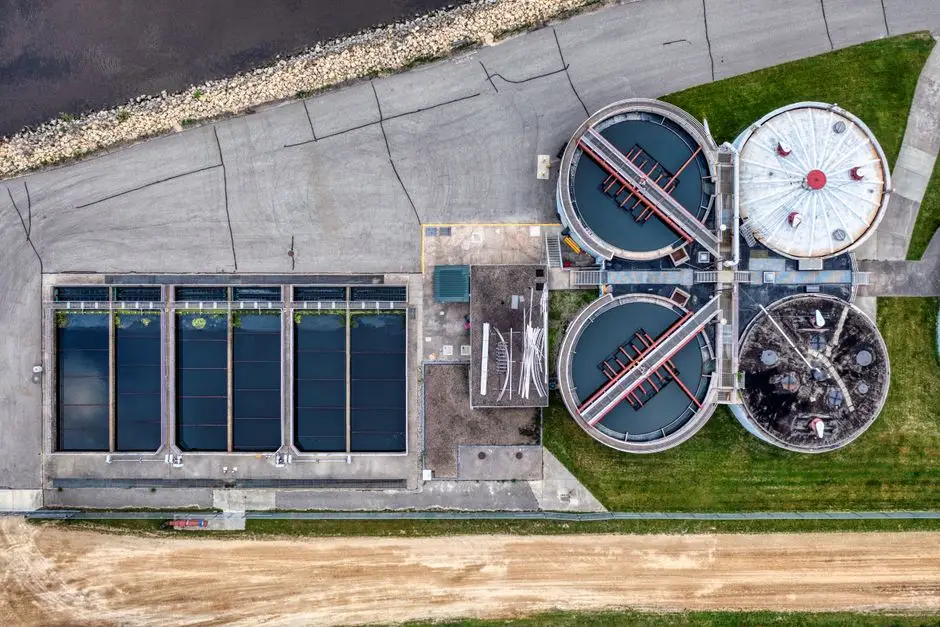
The decision tree that works in a Clanton plant meeting is shorter than most vendors want you to believe.
- If oil and grease exceed ~200 mg/L and TSS is mostly buoyant (tramp oil, e-coat paint overspray, hydraulic leaks, machining coolant carryover) → DAF primary. The HydropureWater dissolved air flotation (DAF) system covers 4-300 m³/h across 13 standard models, all in 304SS with 316SS or polypropylene options for the slightly aggressive pH swings seen in e-coat and phosphate rinse lines.
- If TSS is mostly inorganic grit, metal hydroxide, or phosphate sludge (stamping wastewater with grinding swarf, alkaline cleaner rinse, phosphate conversion coating rinse) → lamella clarifier primary, sized for 20-40 m³/m²·h surface loading via the HydropureWater high-efficiency lamella clarifier.
- If both profiles are present — which is the default at most Clanton EV/auto parts plants — the answer is DAF first, lamella second, and optional multi-media polish if the plant targets water reuse. The first separator strips the oil that would otherwise foul the clarifier plates within 48-72 hours; the second polishes residual TSS and metal hydroxides down to ADEM levels.
- If the plant needs emergency or temporary capacity (production line tie-in, a clarifier out for rebuild, a permit-driven pilot) a trailer-mounted mobile DAF is deployable in a single day, no foundation required, and available in footprints around 47'-6" or 51'-7" x 8'-6" (WesTech, 2026).
- Always pair the separator with PLC-controlled coagulant and flocculant dosing — without consistent charge neutralization and floc growth, neither DAF nor lamella hits its rated removal. The HydropureWater PLC-controlled chemical dosing skid handles cationic/anionic switching and jar-test-driven setpoint adjustment.
One additional rule of thumb specific to Alabama in 2026: if your plant handles PFAS-bearing coolants or PFAS-treated metalworking fluids — increasingly common in EV battery component machining — sample upstream of the separator before sizing anything. The PFAS testing requirements for industrial wastewater 2026 guide walks through the sampling and reporting chain that ADEM expects.
Frequently Asked Questions
When is a DAF the right primary clarifier for an EV or auto parts plant?
Choose DAF when oil and grease in the wastewater stream exceed ~200 mg/L, when TSS is mostly buoyant (paint overspray, tramp oil, hydraulic fluid, coolant carryover), or when effluent oil & grease must be driven below 50 mg/L to meet ADEM Admin. Code Chapter 335-6 discharge limits. A properly sized and conditioned HydropureWater dissolved air flotation (DAF) system delivers 80-95% oil removal on emulsified streams typical of EV and auto parts plants.
When should a lamella clarifier be used instead of, or after, a DAF?
Use a lamella clarifier when the dominant TSS is dense and inorganic — grinding swarf, metal hydroxide floc, phosphate sludge — or as a polish step downstream of a DAF to catch the residual TSS and metal hydroxides that the DAF lets pass. The HydropureWater high-efficiency lamella clarifier reaches 80-95% TSS removal on these streams at 20-40 m³/m²·h surface loading, with up to 30% lower polymer consumption than a single clarifier handling a mixed stream.
How does a DAF-then-lamella hybrid meet ADEM discharge limits in Clanton?
The DAF removes 80-95% of the oil and FOG and a large share of the buoyant TSS; the lamella clarifier then drops residual TSS to 50-100 mg/L and metal-bound solids to compliance bands, provided pH is held in the 6.0-9.0 range and any metals (Zn, Ni, Pb) are precipitated upstream with lime or PAC. For PFAS-bearing coolants, the upstream sampling and reporting chain described in the PFAS testing requirements for industrial wastewater 2026 guide should be completed before final sizing.
Can a mobile DAF be deployed fast enough for a plant shutdown or emergency?
Yes. Trailer-mounted mobile DAF units are designed to be live within a single day of arrival on site, with no permanent foundation required — only a level surface, power, and piping connections (WesTech, 2026). Common footprints are around 47'-6" or 51'-7" x 8'-6". They are well-suited to short-term projects, peak-loading events, and emergency response, and they deliver the same core flotation performance as a permanent DAF.
What coagulant and flocculant chemistry should I plan for with a DAF or clarifier in an EV/auto plant?
For oil and FOG streams, dose a cationic polyacrylamide (charge density 0.5-1.0, MW 8-12 million) at 2-5 mg/L after a coagulant such as ferric chloride, PAC, or alum at 50-200 mg/L. For metal hydroxide and phosphate streams, switch to an anionic polyacrylamide (charge density 0.2-0.5, MW 12-18 million) at 1-3 mg/L. A HydropureWater PLC-controlled chemical dosing skid handles the polymer switching and jar-test-driven setpoint adjustment automatically, which is the only way to keep removal consistent through a shift's worth of influent swings.