Industrial RO system cost typically ranges from $15,000 for small 5,000 GPD skids to over $500,000 for 100,000+ GPD plants. Over five years, energy, membranes, and maintenance usually add 20–35% to capital cost. Procurement teams use those bands to set CapEx and OpEx before vendor quotes arrive.
What CapEx and Ownership Cost Should Buyers Budget?
Industrial reverse osmosis CapEx spans $15,000–$50,000 at 1,000–5,000 GPD, $50,000–$100,000 at 10,000–50,000 GPD, and $100,000–$500,000+ above 50,000 GPD. Five-year ownership often adds 20–35% via energy, membranes, and maintenance. Payback in pharma, food, and power often falls between 2.5 and 4.5 years.
What Determines Industrial RO System Cost?
Flow rate remains the primary CapEx driver because it sets membrane count, pump size, and skid footprint. Units under 5,000 GPD commonly price at $15,000–$50,000, while 50,000–100,000 GPD trains often land between $100,000 and $500,000 (HydropureWater field data, 2025). Most plants we size for brackish feed run toward the lower end of a capacity band when pretreatment is already in place.
Feed water quality can raise project cost another 15–30% when TDS, hardness, suspended solids, or organics force extra filtration, softening, ultrafiltration, or antiscalant dosing. Skipping that pretreatment shortens membrane life and shifts spend into OpEx.
Application purity targets also change scope. Pharmaceutical trains may require 95%+ recovery, sanitary materials, and tighter controls. Food and beverage rinse or ingredient water often targets 85–90% recovery on a commercial RO plant layout. PLC automation reduces labor but raises CapEx versus manual panels.
What drives stainless steel process skid cost?
Stainless steel process skid cost rises with alloy grade, surface finish, weld documentation, and instrumentation density. Sanitary 316L with orbital welds and full drainability costs more than painted carbon steel or FRP frames used on lower-purity utility water. Spec the material class to the product contact risk, not to a catalog default, or you pay for finish you never use.
Cost Breakdown by Capacity and Industry
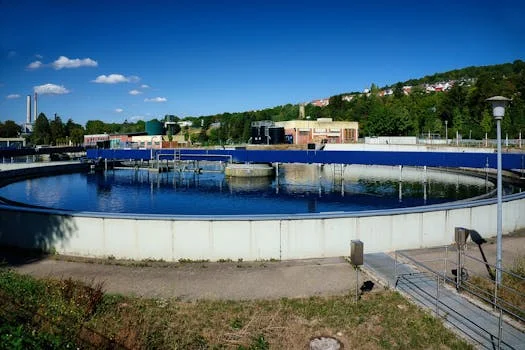
Small 1,000–5,000 GPD packages at $15,000–$50,000 serve labs, rural industrial sites, and small food lines. One published example is a Crystal Quest 10,000 GPD basic configuration near $15,765. Mid-range 10,000–50,000 GPD systems at $50,000–$100,000 typically add multi-stage pretreatment and PLC controls for manufacturing or bottling duty.
Large 50,000–100,000+ GPD systems from $100,000 to over $500,000 serve power, large pharma, and municipal polishing duty with CIP skids, high-pressure pumps, and redundant membrane arrays. Entry-level machines listed near $3,500 for about 1,000 LPH (roughly 264 GPD) on open marketplaces rarely include the automation, durability, or compliance paperwork B2B sites require.
| Capacity Range (GPD) | Typical System Cost Price | Primary Applications | Key Features & Components |
|---|---|---|---|
| 1,000–5,000 | $15,000–$50,000 | Small food processing, lab water, rural industrial sites | Basic pre-filters, single-stage RO, manual controls |
| 10,000–50,000 | $50,000–$100,000 | Medium manufacturing, beverage production, light industrial | Multi-stage pre-filtration, PLC controls, energy-efficient pumps |
| 50,000–100,000+ | $100,000–$500,000+ | Power plants, large pharma, municipal water, heavy industry | CIP systems, high-pressure pumps, redundant membranes, advanced automation |
Hidden Costs: Total Cost of Ownership Over 5 Years
Total cost of ownership for an industrial RO train typically adds 20–35% to CapEx across five operating years. US EPA’s long-standing cost-analysis procedure for pollution-control projects still frames the same split: fixed capital, annual expenses, and a feasibility check before award (EPA-600/8-79-018a).
Energy is the largest recurring line for many sites. Earlier field guidance used 2–4 kWh per cubic meter of permeate for high-pressure pumping. Brackish industrial plants now commonly target 0.5–2.5 kWh/m³ specific energy consumption, with baseline trains without energy recovery often in the 1.5–2.5 kWh/m³ band (AQUALITEK technical summary, 2026). For a 50,000 GPD unit producing about 189 m³/d, annual energy near $18,000 at $0.12/kWh remains a useful planning figure when SEC sits near 2–3 kWh/m³ (HydropureWater energy modeling, 2025).
Membrane replacement often equals 10–15% of initial system value each year when annualized. Average membrane life of 3–5 years still holds for well-pretreated industrial service; harsh wastewater duty can fall shorter. Chemicals, CIP agents, and routine labor commonly add $5,000–$15,000 per year on mid-sized plants. A disciplined 12-step maintenance protocol to reduce downtime and extend membrane life keeps those intervals predictable.
Unplanned downtime in continuous plants often costs $1,000–$5,000 per day in lost production. Fouling, pump trips, or thin spare coverage create that bill faster than membrane invoices do.
What does wastewater treatment cost per gallon?
Unit treatment cost per gallon depends on feed TDS, recovery, power price, and discharge fees, so no single national rate applies. Food and beverage sites using industrial RO report water and wastewater savings of $0.05–$0.12 per gallon when purchased water and sewer charges drop (HydropureWater application data, 2025). Convert your site’s $/kWh, chemical dose, and membrane set cost into $/gal before comparing vendor quotes.
ROI and Payback Period by Industry
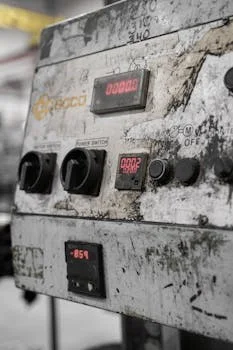
Industrial RO payback often lands between 2.5 and 4 years when avoided water purchase, chemical use, and downtime are counted. Pharmaceutical plants commonly see 2.5–3.5 year payback by cutting DI resin regeneration, purchased water, and batch risk.
Food and beverage facilities typically realize 3–4 year payback through lower water use and cleaning chemical demand, plus longer equipment life when scale is controlled. Power plants use RO on boiler feedwater to cut blowdown and scaling, with annual maintenance cost reductions of 20–30% in many cases and payback near 3–4.5 years. For feed-specific numbers, review a detailed brackish water RO cost and ROI analysis.
| Industry | Primary ROI Drivers | Typical Payback Period | Key Savings |
|---|---|---|---|
| Pharmaceutical | Reduced DI resin costs, lower water procurement, compliance assurance | 2.5–3.5 years | Elimination of DI resin regeneration, reduced batch rejections |
| Food & Beverage | Water cost savings, reduced cleaning chemicals, improved product quality | 3–4 years | $0.05–$0.12/gallon savings, extended equipment life |
| Power Generation | Reduced boiler blowdown, less scaling, improved efficiency | 3–4.5 years | 20–30% annual maintenance cost reduction, prolonged asset life |
How to Compare Industrial RO Vendors and Quotes
Quote comparison should weight recovery, automation, membrane life, and pretreatment fit ahead of sticker price. Higher recovery cuts raw-water intake and concentrate disposal; many industrial designs still sit near 75–85% recovery, while high-recovery builds can reach about 95% on suitable feed. That gap shows up directly in RO system total cost of ownership.
PLC-controlled trains can cut operating labor about 40% versus manual panels in plants we commission, provided alarms and trending are actually used (HydropureWater engineering analysis, 2025). Confirm EPA discharge limits, EU product-water rules, or WHO drinking-water criteria that apply to your site, and ask for the compliance package in writing. A documented PLC-controlled industrial RO system with 95% recovery rate is easier to audit than a bare pump-and-membrane quote.
| Comparison Criterion | Key Questions to Ask Vendors | Impact on TCO/ROI |
|---|---|---|
| Recovery Rate | What is the guaranteed permeate recovery rate under my feed water conditions? | Higher recovery reduces raw water consumption and wastewater discharge costs. |
| Automation Level | Is the system PLC-controlled? What level of remote monitoring/control is included? | Reduces labor costs, improves operational consistency, minimizes human error. |
| Compliance & Certifications | Does the system meet specific industry (e.g., Pharma, F&B) and regional regulatory standards? | Ensures product quality, avoids fines, maintains operational license. |
| Membrane Type & Life | What type of membranes are used, and what is their projected lifespan? | Affects replacement frequency and cost, influences energy consumption. |
| Pre-treatment Design | What pre-treatment steps are included, and how are they sized for my feed water? | Prevents membrane fouling, extends membrane life, reduces maintenance. |
| After-Sales Support | What are the warranty terms, and what support is available for maintenance/parts? | Minimizes downtime, ensures prompt resolution of issues, protects investment. |
Industrial RO system cost quotes should also list guaranteed recovery under your feed, not a catalog average. Ask for SEC, membrane brand, and concentrate disposal assumptions in the same sheet so apples-to-apples comparison is possible.
Selection Checklist and Next Step
Use this short checklist before you freeze CapEx:
- Measured feed TDS, SDI, hardness, and temperature at design flow
- Required permeate quality and minimum recovery under that feed
- Pretreatment scope sized to membrane warranty conditions
- Guaranteed SEC (kWh/m³) and power tariff used in the quote
- Membrane brand, element count, and 3–5 year replacement budget
- CIP design, spare parts lead times, and local service coverage
- Discharge limits and concentrate disposal path in writing
Who this is for: plant engineers and procurement managers comparing industrial RO CapEx and five-year OpEx on brackish or process water. Who should look elsewhere: buyers needing only a residential under-sink unit or a disposable cartridge filter. Next step: send feed analysis and target permeate specs with your request for quote so vendors price the same design basis.
Frequently Asked Questions
What is the average cost of a commercial RO plant?
Small commercial RO plants under 5,000 GPD typically average $15,000–$50,000 installed scope. Mid-sized industrial reverse osmosis units near 50,000 GPD more often fall in the $100,000–$500,000 band once pretreatment, CIP, and controls are included. Final price tracks feed quality and recovery more than nameplate GPD alone.
How much does a 10,000 GPD RO plant cost?
A 10,000 GPD industrial RO plant typically costs $50,000–$75,000 when supplied with pretreatment and basic automation. Lean skids without softening or PLC controls can price lower, while sanitary or high-recovery builds run higher. Ask vendors to state whether installation, CIP, and commissioning sit inside that number.
Is the water purification business profitable?
Industrial RO projects can deliver about 15–30% annual ROI when they displace purchased water, cut chemicals, and reduce downtime. Profitability fails when recovery is overstated or pretreatment is under-scoped, because membranes and energy then erase the savings. Model five-year TCO, not only year-one CapEx, before you approve the spend.
What size RO system is needed for 1,500 gallons per day?
For a steady 1,500 gallons per day, a 2,000 GPD RO system is the usual recommendation. The extra 25% covers cleaning downtime, feed variability, and modest growth without running the array at its absolute limit. Confirm permeate quality at that duty with your actual feed analysis, not a catalog TDS assumption.
Which cost factors matter most on a stainless steel RO skid?
Alloy grade, weld quality, instrumentation, and sanitary finish usually move stainless steel RO skid pricing more than pump horsepower alone. Utility-water frames can use coated carbon steel or FRP; product-contact or pharma utility loops often need 316L with documented welds. Match the finish specification to the hygiene class to avoid paying for unused polish.