
What 'Citric Acid Wastewater' Actually Looks Like in a Decanter
A decanter centrifuge for citric acid wastewater is a horizontal screw-bowl machine running at 2,500–3,200 rpm (about 3,000 × G) that continuously separates the lime-neutralized calcium citrate sludge and mycelial biomass from the mother liquor, typically producing a cake of 30–35% dry solids while recovering clarified liquor for reuse. Compared with a screw press on the same stream, the decanter delivers higher throughput, lower operator labor, and better closed-water recovery, at a higher capital cost.
The feed stream a decanter actually sees is not "generic industrial effluent." After Aspergillus niger fermentation, the broth is dosed with lime (Ca(OH)₂) to precipitate calcium citrate and to strip residual oxalate. The resulting slurry, routed to a filter or thickener, is what reaches the centrifuge: a mixed-phase sludge of calcium citrate crystals, mycelial biomass (fungal hyphae and unconverted substrate), residual sugars, and process water. Solids content typically lands at 3–10% w/w, and the particle population spans <1 µm fines (mycelial fragments, colloidal protein) up to 200 µm crystals (Velo LW630 process description; GN Solids Control mobile dewatering unit, 2025).
Two engineering consequences follow. First, the bowl must resolve both ends of that size distribution in one pass — fine <1 µm material needs the full 3,000 × G, while 200 µm crystals are abrasive and will punish the scroll. Second, the residual mother liquor is acidic (pH ~3–5) and carries chlorides from process water and CIP; wetted parts in carbon steel will fail within a season. Specify 316L minimum, Duplex 2205 for chloride-bearing mother liquor, and hard-faced scroll flights (tungsten carbide or Stellite) for the abrasive crystal fraction (Velo LW630 corrosion-resistant datasheet).
How a Horizontal Decanter Centrifuge Works on This Stream
Feed enters the rotating bowl through a central pipe, is accelerated by an internal feed cone, and is thrown to the inner wall of the bowl. Solids settle against that wall under centrifugal force; the scroll (an internal helical conveyor running at a slightly different speed) walks the settled cake toward the conical discharge end, where it exits as a dewatered cake. Clarified liquor flows back along the cylindrical section and out the centrate overflow (Solidscontrolworld decanter operating description).
Separation intensity is reported as G-force, calculated by G = (1.12 × 10⁻⁵) × n × D, where n is bowl speed in rpm and D is bowl diameter in mm. For an LW-class machine with a 630 mm bowl at 3,200 rpm, that works out to roughly 3,000 × G — the operating point used in published LW630 curves (Velo LW630 datasheet, 2025). On a 3–10% w/w Ca-citrate/mycelium feed, that G-force is the difference between clear centrate and a hazy liquor that overloads the downstream MBR.
The second adjustable parameter is differential speed — the rpm offset between scroll and bowl. On an LW630, the range is 5–30 rpm, infinitely adjustable. Too high and the cake discharges before it has finished draining (wet cake, downstream haulage penalty). Too low and solids build on the bowl wall, torque climbs, and the backdrive trips (Velo LW630 datasheet, 2025). On abrasive citrate crystal service, a slower differential (5–10 rpm) extends scroll life and is generally worth the slight cake-wetness trade.
Two reliability features matter for 24/7 citric acid operation. The dual-rotor isolation system on LW-class machines absorbs dynamic load shear and prevents resonance damage between the bowl and scroll shafts at operating speed (Solidscontrolworld). Published bearing life is rated above 100,000 hours, and main-bearing temperature monitoring is a standard option for predictive maintenance (Dolphin Centrifuge, May 2026). For general centrifuge selection framework, see the sludge dewatering system design criteria guide.
Decanter Sizing Parameters for Citric Acid Duty
Table 1 below collects the published LW630 parameters with a citric-acid-specific column. Use this as the datasheet envelope when you go to bid; if a vendor's number falls outside it, ask why.
| Parameter | LW630 published range | Citric-acid service recommendation |
|---|---|---|
| Bowl speed (rpm) | 0–3,200 (VFD) | 2,800–3,200 to clear 1 µm mycelial fines |
| G-force | Up to ~3,000 × G | Target ≥2,500 × G at design feed rate |
| Differential speed (rpm) | 5–30 | 5–10 on abrasive crystal feed; 15–25 on mycelium-heavy feed |
| Main motor (kW) | 45–75 | 55 kW minimum for 10 m³/h continuous duty |
| Backdrive motor (kW) | 15–22 | 18 kW minimum; sizing controls max cake dryness |
| Capacity (m³/h) | 3–30 (sludge-dependent) | Size for 1.2 × design feed rate, not nameplate |
| Bowl length | ~1,750 mm (LW-class reference) | Longer bowl = drier cake at the same G |
| Construction (wetted) | SS304 / SS316L / Duplex 2205 / titanium | Duplex 2205 minimum; SS316L if Cl⁻ <200 ppm |
| Scroll hard-facing | Tungsten carbide, Stellite, ceramic inserts | Specify tungsten carbide on flights and ports |
| Control | PLC + HMI, SCADA-ready | Recipe storage for product changeover; CIP-ready enclosure |
Footprint is the under-appreciated selling point for retrofits. An NX-314-class decanter sits inside roughly 3 ft × 8 ft × 4 ft and processes 40 GPM at 5% sludge (Dolphin Centrifuge, May 2026) — that is 9 m³/h from a 1 m × 2.5 m envelope, which will fit into most citric acid tank-farm layouts where a 6 m belt press will not.
Two material-of-construction flags for this duty. The chloride + low-pH combination drives pitting corrosion on standard 316L once chloride exceeds roughly 200 ppm in the mother liquor; Duplex 2205 (or a titanium-clad scroll) is the correct step up. The calcium citrate crystal fraction is abrasive and will erode unhardened scroll flights within 6–12 months; hard-facing is not optional (Velo LW630 corrosion-resistant datasheet, 2025).
Decanter vs. Screw Press for Citric Acid Wastewater
Most citric acid plants end up comparing these two head-to-head in CAPEX review. Both work; they do not do the same job. The numbers below are the ones to put in your presentation.
| Criterion | Decanter centrifuge | Screw press |
|---|---|---|
| Operation mode | Continuous, 24/7 capable | Batch (cycle: feed → press → discharge) |
| Typical cake dryness | 30–35% DS (up to 35% on Ca-citrate) | 15–22% TS (HydropureWater 2026 citric acid guide) |
| Throughput class | 5–30 m³/h per unit | 1–8 m³/h per unit |
| Solids capture | Fine + coarse in one pass, no media | Limited on fines; loses <50 µm without polymer |
| Polymer demand | Lower (typically 2–5 kg/t DS) | Higher (typically 5–12 kg/t DS) |
| Operator labor | Minimal — automated, sensor-driven | Moderate — media change, cleaning, batch starts |
| Footprint | ~3 m² for 9 m³/h (NX-314 class) | ~10–15 m² for equivalent throughput |
| CAPEX class | High | Low to moderate |
| Closed-water recovery | Excellent centrate clarity → MBR/RO feed | Moderate; carries fines and polymer residue |
| Feed sensitivity | Tolerant of 3–10% w/w swings with VFD | Sensitive to feed consistency; requires conditioning |
| Best fit | ≥10 m³/h, 18/7 or 24/7 operation, liquor recovery | <5 m³/h, batch campaigns, low CAPEX priority |
The cake-solids delta drives the OPEX number. Starting from a 5% feed, a 35% DS decanter cake carries about one-seventh the water of a 15% TS press cake of the same dry mass — translating into roughly a 50% reduction in sludge-mass hauling and disposal cost (Dolphin Centrifuge, May 2026). On a 20 m³/h line running 16 h/day, that gap pays back the decanter CAPEX premium in 18–30 months at typical disposal tariffs.
Decision rule: choose a decanter for ≥10 m³/h continuous duty, when clarified-liquor recovery matters (MBR/RO reuse), or when the feed swings. Choose a screw press for <5 m³/h, batch campaigns, or where low CAPEX is the binding constraint. For the same stream on the screw press side, see the screw press for citric acid wastewater guide.
Integrating the Decanter into a Citric Acid Treatment Train
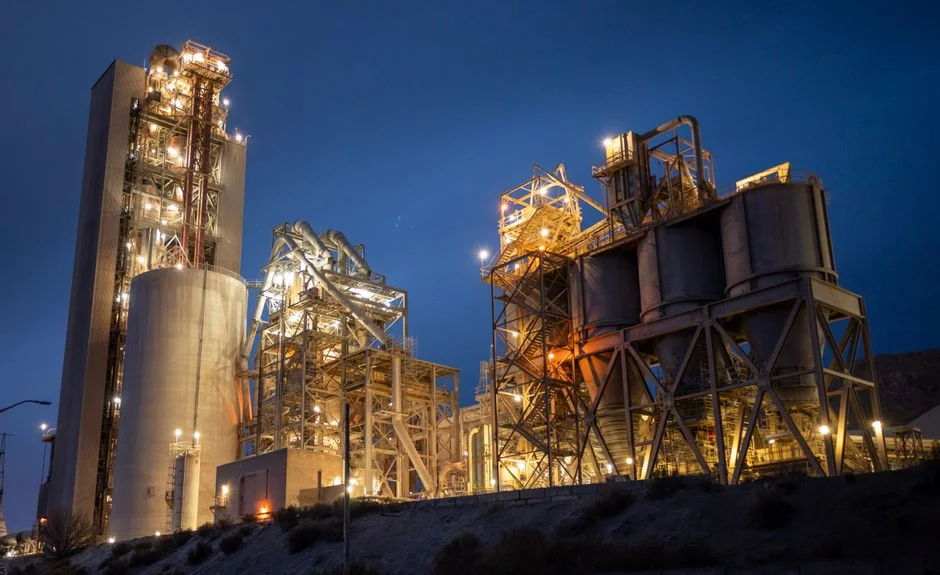
The decanter is the primary dewatering step, but it does not stand alone. A working layout upstream of the centrifuge looks like this: a rotary mechanical bar screen on the lime-neutralization underflow to remove rags and plastic that would tangle the scroll, an equalization tank to dampen flow and solids swings from the batch fermentation cycle, and an automatic chemical dosing skid to inject flocculant ahead of the bowl. Polymer conditioning at 2–5 kg per tonne of dry solids sharpens the centrate clarity and lets the bowl run at a higher pond depth without losing capture (HydropureWater field data, 2026).
Downstream, the decanter splits the stream into two outputs. Clarified liquor (typically <500 mg/L TSS on a well-conditioned feed) goes to an MBR membrane bioreactor for polishing and then RO if the plant targets water reuse. Cake at 30–35% DS goes to a filter press for further dewatering to 45–55% DS, or directly to haul-off if the disposal site accepts 30%+ DS. For zero-liquid-discharge (ZLD) plants, route the centrate through the MBR + RO train and the cake to the dryer/crystallizer; for plants with a permitted outfall, a DAF polisher on the centrate is optional insurance against residual FOG and suspended fines.
Integration benefit: closing the water loop on a 20 m³/h line with a decanter + MBR typically cuts freshwater intake by 60–80% versus once-through discharge, based on MBR reuse benchmarks applied to clarified centrate flow (HydropureWater field data, 2026). The decanter is what makes that loop closeable; the centrate has to be clean enough to feed the RO membranes without fouling them.
Procurement Checklist Before You Buy
Hand this list to the vendor and require it returned with the quote.
- Mechanical spec: bowl diameter and rpm at the design point; calculated G-force; differential-speed range (5–30 rpm for LW630-class); main motor kW and backdrive kW separately; VFD on both.
- Materials: material certificates for wetted parts — 316L, Duplex 2205, or higher alloy as justified by mother liquor pH and chloride; scroll hard-facing specified (tungsten carbide or Stellite) on flights, ports, and feed zone.
- Controls: PLC with HMI and SCADA interface; recipe storage for grade changeover; bearing-temperature and vibration monitoring; CIP-ready enclosure.
- Compliance: ATEX/Ex rating if the centrifuge is solvent-cleaned or installed in a classified area; FDA-grade seals and lubricants for food-grade service.
- Service: 6-month mechanical warranty as the benchmark (Dolphin Centrifuge, May 2026); on-site commissioning; documented spare-parts lead time under 5 business days for bearings and seals.
- Test work: vendor-supplied bench or pilot test on actual Ca-citrate/mycelium sludge before PO — published curves assume generic slurries.
- End-use alignment: confirm cake destination (landfill, agricultural reuse as calcium citrate byproduct, or thermal); wash-water and polymer choices depend on the answer.
The single biggest procurement error is accepting a generic-sludge performance curve on a citric acid duty. Mycelial fines and citrate crystals do not behave like activated sludge; insist on test data, and budget 4–8 weeks for the pilot.
Frequently Asked Questions
What G-force is required to dewater calcium citrate and mycelium sludge?
Target 2,500–3,000 × G. At an LW-class bowl diameter of 630 mm, that corresponds to 2,800–3,200 rpm using G = (1.12 × 10⁻⁵) × n × D. Below ~2,000 × G, mycelial fines under 1 µm report to the centrate and overload the downstream MBR.
What cake dryness can a decanter centrifuge reach on citric acid sludge?
30–35% dry solids on a well-conditioned Ca-citrate/mycelium feed at 3–10% w/w feed solids. This compares with 15–22% total solids from a screw press on the same stream, and translates to roughly 50% lower hauling mass (Dolphin Centrifuge, May 2026).
What material of construction is required for citric acid mother liquor?
Duplex 2205 stainless steel is the practical minimum when the mother liquor carries chlorides above ~200 ppm at pH 3–5. Specify 316L only when chloride is verified below that threshold. Scroll flights and feed zone require tungsten carbide or Stellite hard-facing to survive the abrasive citrate crystal fraction (Velo LW630 datasheet, 2025).
When should I choose a decanter over a screw press for citric acid wastewater?
Choose a decanter for ≥10 m³/h continuous duty, 18/7 or 24/7 operation, or when clarified-liquor recovery for MBR/RO reuse matters. Choose a screw press for <5 m³/h, batch campaigns, or where low CAPEX is the binding constraint.
How do I size a decanter for my citric acid plant?
Size the bowl for 1.2 × your design hourly flow, not the nameplate capacity. An LW630 handles 3–30 m³/h depending on feed — at 5% w/w Ca-citrate, plan on 10–15 m³/h per unit. Request a pilot on actual sludge before final sizing.
Does a decanter centrifuge require polymer or flocculant on citric acid sludge?
Yes, but at lower dose than a screw press — typically 2–5 kg of cationic polyacrylamide per tonne of dry solids. Polymer conditioning sharpens centrate clarity, raises capture on fines, and lets the bowl run at a deeper pond without torque trip. Dosing is handled upstream of the centrifuge by an automatic chemical dosing skid.