
Mongolia's Residential Wastewater Crisis: Why 2026 Changes Everything
Ulaanbaatar’s groundwater, which serves approximately 1.5 million people, is depleting at a rate of 1.5 to 3 meters per year (source: World Bank 2026). This rapid decline, driven by urban growth and industrial demand, necessitates an immediate transition toward decentralized treatment and water reuse. The operational success of the Amgalan Water Recycling Scheme, which began treating 140,000 m³/yr of wastewater for district heating in December 2025, provides a technical precedent for reliable operation in -30°C conditions. Current regulatory frameworks, including the 2024 polluter-pays rule, mandate strict discharge limits for new residential developments, typically requiring BOD ≤20 mg/L, TN ≤15 mg/L, and TP ≤1 mg/L for any reuse application (per MNS 6772:2024 standards). These requirements are essential to prevent further aquifer contamination in the Tuul River basin, which remains the city’s primary lifeblood.
The IFC launched a blue loan facility in 2025 via Golomt Bank, deploying $6.4 million to date for projects that meet these reuse and management requirements. For developers and engineers, this financing acts as a primary economic accelerator, effectively linking equipment selection to long-term regulatory compliance. Projects failing to meet these standards face increasing discharge fees, while those integrating water reuse are eligible for preferential financing terms and operational cost offsets. The 2026 mandate requires all new residential permits to include a comprehensive water balance study, ensuring that greywater is recovered for non-potable uses such as site-wide irrigation or seasonal dust suppression.
Two Mongolias, Two Treatment Paradigms: Ger Districts vs Apartment Complexes
The selection of residential wastewater treatment in Mongolia depends on whether the site is a low-density ger district or a high-density apartment complex. Ger districts, housing 60% of Ulaanbaatar’s population, lack centralized sewer infrastructure, necessitating decentralized, buried WSZ series buried packaged plants (1-80 m³/h) for ger districts that require minimal operator intervention. Conversely, high-density apartment complexes like those in Bayanzurkh require centralized MBR systems (10-2,000 m³/day) for apartment complexes and reuse projects to provide high-quality, disinfected effluent suitable for heating or industrial recycling. These MBR systems offer a smaller footprint, allowing developers to maximize usable land area in densely packed urban zones.
Engineering load estimations must diverge from standard North American models (per ASTM E2717) to account for regional consumption patterns. Mongolian residential influent typically carries higher concentrations of coal dust and utilizes lower per-capita water volumes—averaging 80-100 L/capita/day compared to the 300+ L/capita/day assumed in US-based standards. Sizing calculations must account for this increased pollutant density and lower hydraulic dilution. Failure to adjust for these specific influent characteristics often leads to hydraulic overloading, which can prematurely degrade biological media or cause membrane scaling in advanced treatment systems.
| Parameter | Ger District (Decentralized) | Apartment Complex (Centralized) |
|---|---|---|
| Typical Flow Rate | 1-80 m³/h | 10-2,000 m³/day |
| System Architecture | Buried WSZ (A/O Process) | Above-ground/Containerized MBR |
| Reuse Suitability | Limited (Class B) | High (Class A) |
| Occupancy Loading | 3-5 people/plot | 50-200 units/block |
Cold-Climate Equipment Specs: MBR vs WSZ at -30°C
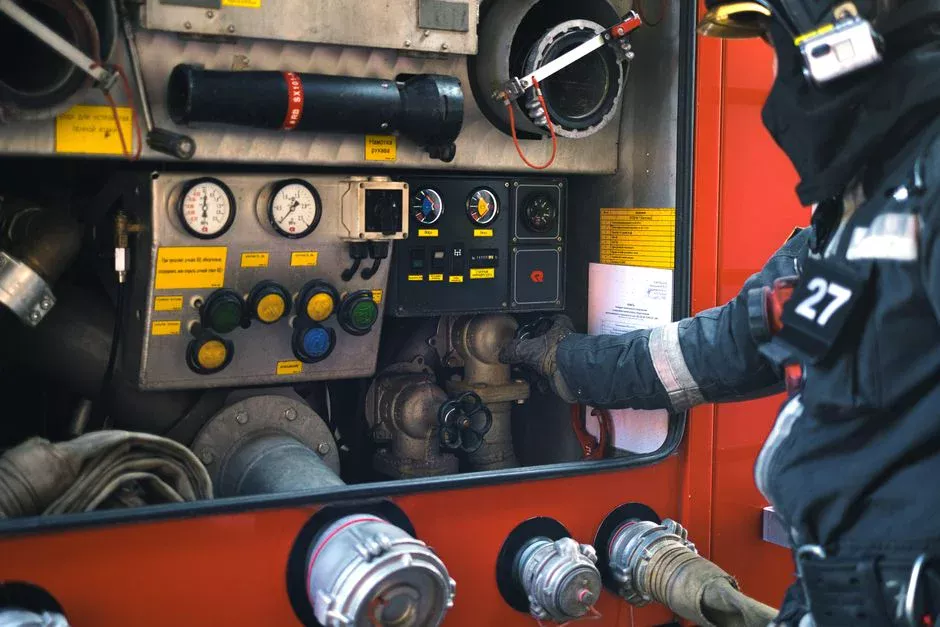
Operating wastewater treatment at -30°C requires specific thermal management and material selection to prevent freezing and biological inhibition. For WSZ plants, equipment must be installed 1.5-2m below grade, utilizing 50-100mm PU insulation jackets and integrated 2-5 kW heaters to maintain a biological process temperature of 12-15°C (HydropureWater field data, 2026). For high-performance MBR systems, tank heating coils (15-30 kW) and pre-heated membrane scouring air (5°C) are required to maintain a flux of 15-25 LMH at ambient temperatures of 8-12°C. All exposed piping must utilize heat-trace cables and heavy-duty thermal insulation to ensure no stagnation occurs within the valve manifolds during extreme cold snaps.
Sludge management is equally critical; filter press systems for efficient sludge dewatering are recommended for MBR plants to reduce the volume of liquid waste requiring heated storage. While WSZ systems consume 0.3-0.5 kWh/m³, MBR systems require 0.6-0.9 kWh/m³ due to the additional energy demands of membrane scouring and intensive heating. Operators should also use high-density polyethylene (HDPE) for all external connections to mitigate the risk of stress-cracking caused by frost heave and extreme sub-zero expansion cycles.
| Metric | WSZ (A/O Process) | MBR (Submerged PVDF) |
|---|---|---|
| Effluent BOD | ≤20 mg/L | ≤30 mg/L (typically <10) |
| Effluent Turbidity | <10 NTU | <0.2 NTU |
| Power Demand | 0.3-0.5 kWh/m³ | 0.6-0.9 kWh/m³ |
| Sludge Handling | Vacuum truck (quarterly) | Filter press (weekly) |
Regulatory Compliance Roadmap: 2024 Standards to Equipment Specs
Compliance with MNS 6772:2024 is the primary filter for equipment selection in 2026. Class A reuse applications, such as district heating or industrial cooling, require BOD ≤10 mg/L and E. coli <100 CFU/100mL, which MBR systems achieve through <1 μm membrane filtration. For Class B applications, such as irrigation or toilet flushing, WSZ systems must integrate PLC-controlled chemical dosing for phosphorus and pH control and on-site ClO₂ generation for effluent disinfection to meet the required discharge limits. Regular third-party testing of effluent quality is mandatory for any system serving more than 50 residential units, ensuring ongoing transparency with municipal environmental inspectors.
Engineering design must also respect Ulaanbaatar’s groundwater protection zones. Zone 1 prohibits discharge entirely, mandating zero-liquid-discharge (ZLD) or full-cycle reuse. Zone 2 requires Class A effluent quality, effectively mandating MBR technology. Zone 3 allows Class B effluent, making WSZ an acceptable, cost-effective alternative for lower-density developments. Engineers should verify site coordinates against the official government GIS map for groundwater protection before finalizing any procurement contracts for wastewater treatment units.
CapEx/OPEX Decision Framework with 2026 Financing Signals
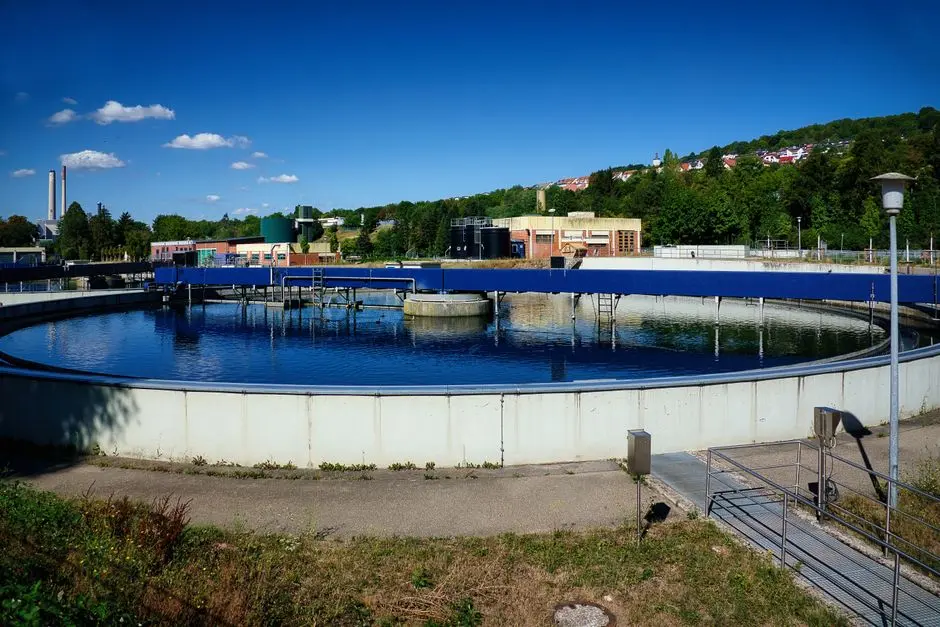
The decision to choose MBR or WSZ systems rests on a combination of flow volume, reuse potential, and access to green financing. For centralized flows exceeding 200 m³/day, the higher initial CapEx of MBR systems ($200,000-$1.2M) is offset by the 1.5-2% interest rate reduction provided by IFC blue loans and the potential to sell treated effluent at $0.30-$0.50/m³. Conversely, decentralized flows under 50 m³/day are most efficiently managed by WSZ modules with lower CapEx ($15,000-$120,000) and reduced maintenance requirements. By conducting a detailed Net Present Value (NPV) analysis over a 10-year operational horizon, developers can better justify the initial investment in higher-tier MBR technology against the rising costs of municipal water utility rates.
| Category | WSZ (Small Scale) | MBR (Large Scale) |
|---|---|---|
| CapEx Range | $15k-$120k | $200k-$1.2M |
| OPEX per m³ | $0.15-$0.25 | $0.35-$0.55 |
| Financing | Standard Commercial | IFC Blue Loan Qualified |
| Decision Threshold | <50 m³/day | >200 m³/day |
Frequently Asked Questions
Can WSZ plants operate year-round at -30°C without a building?
Yes, provided they are buried 1.5-2m below grade with 50-100mm PU insulation. An integrated 2-5 kW heater is sufficient to maintain biological activity at 12-15°C, a design configuration verified in recent Inner Mongolia installations. Proper backfilling with thermal-resistant materials is also recommended to optimize soil-based heat retention.
Does MBR membrane fouling accelerate in cold weather?
Cold temperatures increase water viscosity, leading to a 20-30% flux drop at 8-12°C. This is mitigated by pre-heating the membrane scouring air to 5°C and increasing aeration intensity by approximately 15%, which adds roughly 0.05 kWh/m³ to operational power consumption. Frequent automated back-pulsing cycles are also programmed to prevent the accumulation of biofilm during these lower-temperature periods.
What permits are needed for residential wastewater reuse in Mongolia?
Developers must secure an MNET discharge permit, obtain an MNS 6772:2024 compliance certificate, and receive clearance from the local Water Authority regarding the project site's specific groundwater protection zone status. Documentation should include a certified site plan and a technical report outlining the proposed reuse strategy and backup disposal method.
Can ger district WSZ plants connect to future sewer networks?
Yes. The modular design of WSZ units allows for direct discharge into a municipal gravity sewer once the network is expanded to the area, as the effluent quality typically meets or exceeds standard municipal sewer inlet requirements. This ensures that the initial investment remains viable even as urban infrastructure evolves over the next decade.
Is IFC blue loan financing available for private developers?
Yes, through Golomt Bank. Eligibility requires proof of MNS 6772:2024 compliance, a completed Environmental and Social Impact Assessment (ESIA), and a minimum of 20% equity contribution. MBR projects are generally pre-qualified due to their inherent reuse capabilities. Applicants are encouraged to submit their preliminary hydraulic data early in the design phase to expedite the credit approval process.