Turkish Pharmaceutical Wastewater Regulatory Framework 2026
The Turkish Water Pollution Control Regulation (Su Kirliliği Kontrolü Yönetmeliği) enforces a strict chemical oxygen demand (COD) limit of 125 mg/L for pharmaceutical manufacturing facilities discharging to sensitive receiving bodies under Table 21 (Sector: Chemical Industry, Pharmaceutical Subsector). Turkey's regulatory framework for pharmaceutical wastewater treatment in 2026 is governed by the Water Pollution Control Regulation (aligned with EU IED 2010/75/EU and UWWTD 91/271/EEC), requiring COD ≤125 mg/L, BOD ≤25 mg/L, TN ≤15 mg/L, and TP ≤2 mg/L for sensitive areas. Typical pharma effluent (COD 2000-8000 mg/L, refractory BOD/COD 0.1-0.4, antibiotics, high salinity) demands a 3-stage train: DAF/chemical pretreatment → UASB anaerobic + MBR aerobic → advanced oxidation/RO for reuse. CAPEX ranges €1.2-3.5M for 100-500 m³/day systems; OPEX €0.8-1.5/m³.
Under Turkey's 2026 alignment with the EU Industrial Emissions Directive (2010/75/EU), pharmaceutical facilities must comply with Best Available Techniques (BAT) Associated Emission Levels (BAT-AELs). This framework specifically mandates compliance with the Common Waste Water and Waste Gas Treatment/Management Systems in the Chemical Sector (BREF CVD) guidelines. This directive targets the elimination of active pharmaceutical ingredients (APIs) and refractory chemical complexes before discharge into municipal sewers or natural water bodies.
To establish or upgrade a treatment facility, operators must navigate a dual permitting pathway. New projects require an Environmental Impact Assessment (ÇED) clearance, while existing facilities undergoing upgrades must secure or amend an Environmental Permit and License (ÇİZ). Both pathways require detailed treatability study data and formal proof of BAT alignment. The Ministry of Environment, Urbanisation and Climate Change has increased inspection frequencies by 40% year-on-year (YoY) in 2026, with Article 20 of the Environmental Law imposing fines up to 3% of annual facility turnover for repeated non-compliance (source: Ministry of Environment 2026 enforcement circular).
| Parameter | Standard Discharge (Table 21) | Sensitive Area / OSB Limit | EU BAT-AEL Range (BREF CVD) |
|---|---|---|---|
| Chemical Oxygen Demand (COD) | 150 mg/L | ≤125 mg/L | 20 - 100 mg/L |
| Biochemical Oxygen Demand (BOD₅) | 50 mg/L | ≤25 mg/L | ≤20 mg/L |
| Total Suspended Solids (TSS) | 50 mg/L | ≤35 mg/L | 5 - 35 mg/L |
| Total Nitrogen (TN) | - | ≤15 mg/L | 5 - 15 mg/L |
| Total Phosphorus (TP) | - | ≤2 mg/L | 0.5 - 2.0 mg/L |
Pharmaceutical Wastewater Characteristics in Turkish Facilities
A comprehensive 229-sample characterization study of pharmaceutical manufacturing effluents reveals that raw chemical synthesis waste streams exhibit chemical oxygen demand (COD) concentrations up to 8,000 mg/L and biochemical oxygen demand (BOD) to COD ratios as low as 0.1 (source: S3 Fig 1b). This low biodegradability index indicates highly refractory wastewater that cannot be treated by direct aerobic biological systems alone. Effluent profiles vary significantly across different pharmaceutical manufacturing subsectors in Turkey.
Active Pharmaceutical Ingredient (API) synthesis facilities, heavily concentrated in industrial zones like Dilovası and Tekirdağ, generate the most challenging streams. These effluents contain high concentrations of organic solvents (such as dimethylformamide, dimethyl sulfoxide, and methanol), salinity levels reaching 15,000 mg/L of chlorides and sulfates, and extreme pH fluctuations ranging from 3.0 to 11.0. Conversely, formulation plants (producing tablets and injectables) yield lower average COD values (1,500 to 4,000 mg/L) but suffer from high concentrations of suspended solids (500 to 2,000 mg/L) from excipients and surfactant peaks from equipment washdowns.
Biotechnology and fermentation facilities present a third profile, characterized by high ammonia nitrogen (200 to 800 mg/L) and elevated biological solids (TSS up to 8,000 mg/L) from spent mycelia. Across all subsectors, the presence of active antibiotic residues (ranging from 0.1 to 50 mg/L) poses a severe risk of biological treatment inhibition and drives the regulatory requirement for advanced oxidation processes (AOPs) to prevent the proliferation of antibiotic-resistant bacteria (source: Turkish OSB monitoring reports from İzmir Atatürk and Gebze zones).
| Wastewater Parameter | API Synthesis (Chemical) | Formulation Facilities | Biotech & Fermentation |
|---|---|---|---|
| COD Range (mg/L) | 3,000 - 8,000 | 1,500 - 4,000 | 2,000 - 5,000 |
| BOD₅/COD Ratio | 0.1 - 0.3 | 0.3 - 0.5 | 0.4 - 0.6 |
| TSS (mg/L) | 100 - 500 | 500 - 2,000 | 3,000 - 8,000 |
| Ammonia Nitrogen (NH₃-N) | 10 - 50 mg/L | <10 mg/L | 200 - 800 mg/L |
| Salinity (TDS, mg/L) | 5,000 - 15,000 | <1,500 | 1,000 - 3,000 |
| Antibiotic Residues | 1.0 - 50.0 mg/L | 0.1 - 5.0 mg/L | Trace |
Technology Selection Matrix: Matching Process to Turkish Pharma Profile
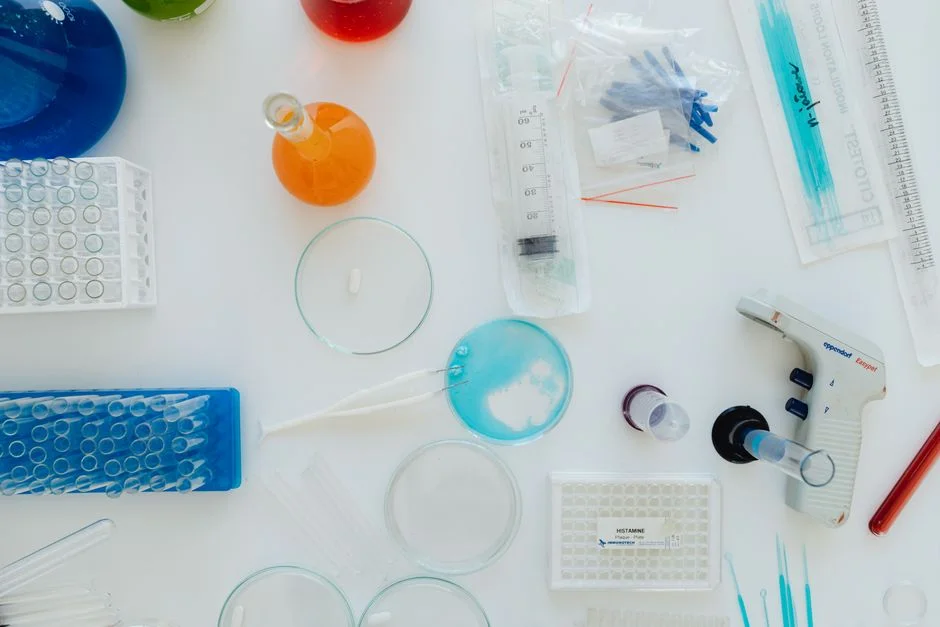
Membrane bioreactors operating with a nominal pore size of 0.1 μm achieve greater than 99% retention of suspended biomass and up to 95% chemical oxygen demand (COD) reduction when treating pharmaceutical formulation wastewater (source: HydropureWater field data, 2026). Designing an effective treatment train for pharmaceutical wastewater treatment in Turkey requires matching specific subsector characteristics with the appropriate unit operations.
For primary solids and fat, oil, and grease (FOG) removal, a DAF system for pharmaceutical pretreatment achieves 92% to 97% TSS reduction. This stage must be paired with an automatic, PLC-controlled chemical dosing system to continuously adjust pH and optimize coagulant dosing, protecting downstream biological processes from shock loads. For high-strength streams (COD >5,000 mg/L), an anaerobic step like an Upflow Anaerobic Sludge Blanket (UASB) reactor achieves 85% to 90% COD removal. The resulting biogas production (typically 0.35 m³ per kg of COD removed) can offset 15% to 25% of the plant's total aeration energy requirements.
Secondary treatment is best served by an MBR membrane bioreactor system utilizing PVDF hollow-fiber or flat-sheet membranes. The MBR process replaces traditional clarifiers, reducing the required footprint by 60% and maintaining a high mixed liquor suspended solids (MLSS) concentration of 8,000 to 12,000 mg/L to degrade complex organics. When antibiotic residues or recalcitrant COD persist, an advanced oxidation process (AOP) utilizing O₃/H₂O₂ or UV/Fenton reactions is positioned post-MBR to cleave complex molecules. If zero liquid discharge (ZLD) or water recycling is required by the Organized Industrial Zone (OSB), an industrial RO for pharma water reuse is implemented, operating at 90% to 95% recovery rates.
| Influent Profile Condition | Recommended Pretreatment | Biological Stage | Advanced Treatment | Target Effluent Quality |
|---|---|---|---|---|
| COD >3,000 mg/L & Salinity >5,000 mg/L | Equalization + pH Neutralization + DAF | UASB + MBR (Salt-tolerant biomass) | RO (ZLD) + Evaporator | COD <50 mg/L, TDS <500 mg/L (Reuse) |
| COD 1,500-3,000 mg/L & Low Salinity | DAF + Coagulation | MBR (DF Series) | O₃/H₂O₂ AOP | COD <125 mg/L, APIs degraded >99% |
| Biotech Waste (High NH₃-N & TSS) | High-rate Sedimentation / Centrifugation | Anoxic/Aerobic MBR + Anammox | UV Disinfection | TN <15 mg/L, NH₃-N <5 mg/L, TSS <5 mg/L |
5-Stage Compliance Roadmap for Turkish Pharma Facilities
The Turkish Ministry of Environment, Urbanisation and Climate Change mandates a minimum 30-day continuous pilot trial or comprehensive bench-scale treatability study to secure a ÇİZ environmental permit amendment for industrial wastewater treatment upgrades. This regulatory requirement ensures that the proposed process design is capable of handling the highly variable and toxic nature of pharmaceutical effluents. The following five-stage roadmap outlines the execution path from initial characterization to final permit acquisition.
- Stage 1: Influent Characterization (Weeks 1-4)
Establish a 7-day composite sampling program in compliance with Turkish Standard TS EN ISO 5667. Analyze raw wastewater for COD, BOD₅, TN, TP, TSS, pH, conductivity, heavy metals, and a targeted antibiotic panel via LC-MS/MS. Perform Daphnia magna acute toxicity testing to determine the baseline toxicity of the stream. - Stage 2: Treatability Study & Pilot Testing (Weeks 5-10)
Execute bench-scale trials utilizing a combined UASB, MBR, and AOP/RO setup. This step defines critical design parameters including solid retention time (SRT), hydraulic retention time (HRT), membrane flux, and specific ozone consumption rates. Review the AOP process flow for antibiotic removal to establish dosing ratios for advanced oxidation stages. - Stage 3: Process Design & Redundancy Engineering (Weeks 11-16)
Develop detailed engineering drawings and mass balances. System sizing must accommodate peak flows at 1.5 times the average daily volume. To prevent operational downtime during batch production swings, design critical units with N+1 redundancy. For sludge management, integrate a high-pressure filter press for pharma sludge dewatering to maintain cake moisture levels below 65% for cost-effective disposal. For further design parameters, consult the high-strength wastewater MBR design guide. - Stage 4: Procurement, Fabrication & Installation (Weeks 17-30)
Coordinate with local Turkish EPC partners for tank fabrication and civil works, which typically reduces overall project costs. Ensure all imported electro-mechanical equipment qualifies for the 0% customs duty rate under HS Code 8421 for environmental technologies. Complete Factory Acceptance Testing (FAT) in compliance with ISO 9001 standards prior to site delivery. - Stage 5: Commissioning & ÇİZ Permit Approval (Weeks 31-36)
Initiate a 30-day continuous performance test to verify biological stability and membrane flux rates. Collect split samples for verification by a Turkish Accreditation Agency (TÜRKAK) certified third-party laboratory. Compile the final compliance report and submit it through the online Çevre Bilgi Sistemi to secure the ÇİZ permit amendment.
CAPEX/OPEX Benchmarks for Turkish Market 2026
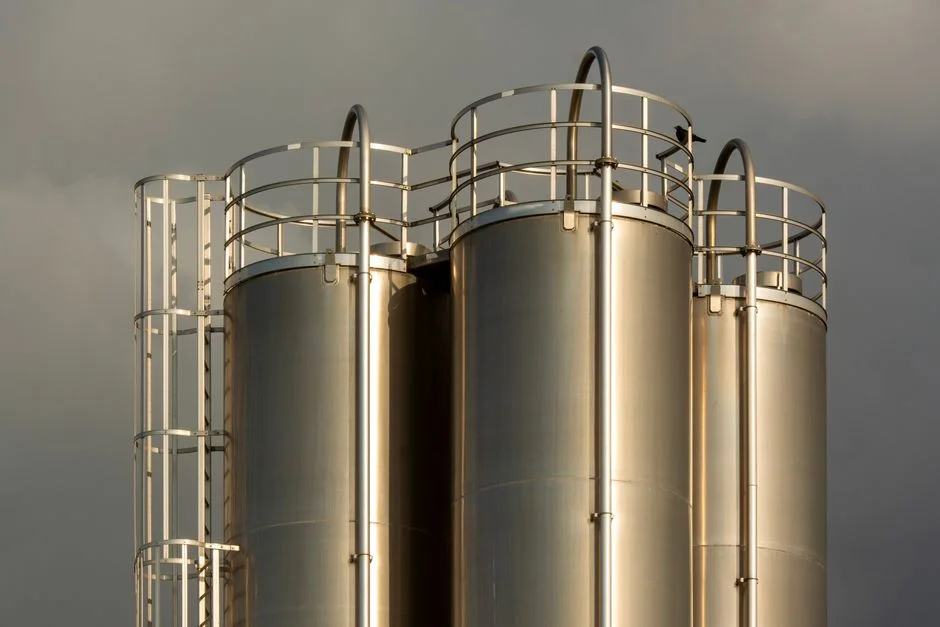
Capital expenditure for a fully integrated 300 m³/day pharmaceutical wastewater treatment plant incorporating membrane bioreactors and reverse osmosis in Turkey ranges from €2.8M to €3.5M as of 2026 (source: Turkish EPC market index, Q1 2026). Project financials are highly dependent on the level of advanced treatment required to meet local OSB discharge standards or water reuse goals.
For a standard 100 m³/day treatment train comprising DAF, UASB, MBR, and a basic AOP system, the CAPEX ranges between €1.2M and €1.6M. The corresponding OPEX stands at €1.1 to €1.4 per m³ of treated effluent. This operational cost is split between electrical consumption (0.8 to 1.0 kWh/m³), chemical reagents for pH adjustment and coagulation (€0.15 to €0.25/m³), and a membrane replacement reserve based on a 5-to-7-year lifespan.
Scaling up to a 500 m³/day plant without ZLD requirements yields significant economies of scale, reducing CAPEX to €2.2M - €2.8M and lowering OPEX to €0.8 - €1.0/m³. At this scale, anaerobic biogas utilization can offset up to 30% of the plant's electricity consumption. Utilizing local Turkish fabrication for stainless steel tanks, piping, and structural steel can save 25% to 35% on capital costs compared to importing fully pre-assembled skid systems. To support these investments, Turkish financial institutions like TSKB and İller Bankası provide green credit lines at interest rates 1.5% to 2.5% below standard commercial loans, while eligible projects can secure up to 50% funding through EU IPARD III environmental grants.
| System Capacity & Configuration | CAPEX Range (€) | OPEX Range (€/m³) | Key Cost Drivers |
|---|---|---|---|
| 100 m³/day (DAF + UASB + MBR + AOP) | 1.2M - 1.6M | 1.10 - 1.40 | Chemical consumables, membrane replacement reserves, high specific energy use. |
| 300 m³/day (DAF + UASB + MBR + RO/ZLD) | 2.8M - 3.5M | 1.30 - 1.50 | High power demand for RO high-pressure pumps, evaporator energy, salt disposal. |
| 500 m³/day (DAF + UASB + MBR - No ZLD) | 2.2M - 2.8M | 0.80 - 1.00 | Optimized energy use, biogas recovery, local tank fabrication savings. |
Frequently Asked Questions
What are the 2026 discharge limits for pharmaceutical wastewater in Turkey?
Under Table 21 of the Turkish Water Pollution Control Regulation, the direct discharge limits for pharmaceutical industry (ISIC 2100) wastewater are COD ≤150 mg/L, BOD₅ ≤50 mg/L, and TSS ≤50 mg/L. However, if discharging to sensitive receiving water bodies or specific Organized Industrial Zones (OSBs), limits are tightened to COD ≤125 mg/L, BOD₅ ≤25 mg/L, TN ≤15 mg/L, TP ≤2 mg/L, and TSS ≤35 mg/L.
Is MBR mandatory for pharma wastewater in Turkey?
While the use of a membrane bioreactor is not explicitly mandated by name in Turkish environmental law, compliance with the aligned EU Industrial Emissions Directive (2010/75/EU) and BREF CVD guidelines makes MBR systems the de facto engineering standard. Traditional activated sludge systems with gravity clarifiers struggle to consistently meet the low TN, TP, and TSS requirements enforced in 2026. For a detailed look at how similar regulatory landscapes impact equipment selection, read our EU pharma wastewater compliance case study.
How much does a 200 m³/day pharma wastewater plant cost in Turkey?
For a 200 m³/day capacity plant utilizing a standard DAF, UASB, and MBR configuration, the estimated CAPEX ranges from €1.8M to €2.4M. If the facility requires an industrial RO system for high-purity water reuse or zero liquid discharge, the CAPEX will increase by €0.7M to €1.0M, with average operational costs ranging from €1.0 to €1.3 per m³ of treated water.
Can I reuse treated pharma wastewater for cooling tower makeup?
Yes, treated pharmaceutical wastewater can be recycled for cooling tower makeup, provided the system includes an MBR followed by reverse osmosis. This treatment combination ensures the permeate conductivity remains below 50 μS/cm and silica levels stay under 20 mg/L, which complies with the industrial water reuse criteria outlined in Turkish Standard TS 11876.
What treatability data does the Turkish Ministry require for permit amendment?
To approve a ÇİZ permit amendment, the Ministry of Environment, Urbanisation and Climate Change requires a comprehensive treatability report. This report must contain at least 30 days of continuous pilot-scale operating data, TÜRKAK-accredited laboratory analysis verifying the reduction of target pollutants (including APIs and heavy metals), and a detailed mass balance of the proposed treatment system.