Industrial chemical dosing system cost typically ranges from $3,500 for a basic single-pump package to more than $25,000 for a multi-feed, PLC-controlled skid with 500L+ tanks. Price tracks pump type, feed count, tank volume, control sophistication, and materials. Most plants we size for municipal or light industrial duty land in the mid band once redundancy and HMI control are included.
What Determines Chemical Dosing System Cost?
Industrial dosing packages priced in 2025–2026 B2B quotes span about $3,500–$7,000 at 1–10 L/h, $7,000–$15,000 at 10–50 L/h, and $15,000–$25,000+ above 50 L/h. CapEx rises with pump count, tank volume, PLC/HMI control, and stainless materials. Typical payback from 18–25% chemical-waste cuts is 14–22 months when reagent spend is material.
Pump technology, number of chemical feeds, day-tank volume, control architecture, and wetted materials set the quote. Peristaltic pumps commonly run $500–$1,200 each when gentle handling and simple tube changes matter. Diaphragm pumps typically cost $800–$2,000 each where higher discharge pressure and longer service intervals are required. Single-feed packages stay 25–40% cheaper than dual- or quad-feed skids built for concurrent reagents.
Tank volume moves capital in clear steps: a 100L day tank often adds $800–$1,200, while a 500L vessel can add $2,000–$3,500. Jumping from timer control to a full PLC with HMI can roughly double package price. Stainless steel skids and piping commonly add 15–30% versus PVC when corrosion resistance and plant standards demand metal. High turndown, level or flow sensors, explosion-proof enclosures, and Modbus or Profibus links raise cost further when the duty requires them.
According to US EPA Nutrient Control Design Manual guidance, a chemical feed system must add reagent at a controlled rate matched to process demand and chemical properties. Feeder capacity should be based on maximum expected instantaneous flow and dosage, with standby equal to the largest unit for noninterruptible duties such as disinfection (Guyer / UFC chemical-feeding criteria). Nearly 95% of water-treatment feed systems use metering pumps rather than gravity or eductor delivery (Veolia Water Handbook, Chemical Feed Systems).
Cost Breakdown by System Type and Capacity
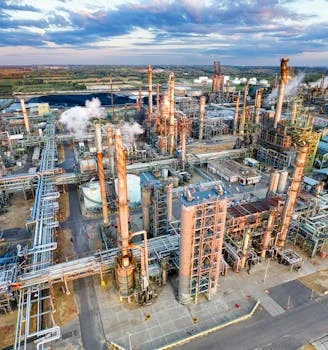
Lab and pilot units usually need 1–10 L/h packages priced at $3,500–$7,000 with one peristaltic pump, a 100L tank, and timer control. Food-processing and municipal pre-treatment skids in the 10–50 L/h band typically cost $7,000–$15,000 with dual pumps, a 300L tank, and PLC control. Petrochemical and power duties at 50–200+ L/h commonly run $15,000 to over $25,000 once multi-chemical feeds, 500L+ tanks, full automation, and remote monitoring are specified.
Modular expansion of an installed skid often costs 60–70% of a comparable new unit, so phased capacity adds are common. Skid-mounted packages integrate pumps, tanks, piping, and controls on one frame, cutting field labor even when the factory price sits above a loose-component BOM. For configuration options and current package scopes, review the Automatic Chemical Dosing System product page alongside site duty data.
| System Type/Capacity | Typical Flow Rate | Estimated Price Range | Key Features | Common Applications |
|---|---|---|---|---|
| Small Scale | 1–10 L/h | $3,500–$7,000 | Single pump, 100L tank, basic timer control | Laboratories, small treatment units |
| Medium Scale | 10–50 L/h | $7,000–$15,000 | Dual pumps, 300L tank, PLC control | Food processing, municipal pre-treatment |
| Large Scale | 50–200+ L/h | $15,000–$25,000+ | Multi-chemical, 500L+ tanks, full automation, remote monitoring | Petrochemical, power plants |
What Is the Best Chemical Dosing Equipment for Plants?
The best chemical dosing equipment for water treatment plants is the smallest package that meets peak dose, required turndown, chemical compatibility, and standby rules without chronic overfeed. Metering accuracy and materials matter more than brand badges once CE/ISO compliance is confirmed. Most plants we size for coagulation or pH trim run diaphragm or peristaltic heads at the lower end of the medium band unless multi-reagent duty forces a larger skid.
Match pump type to the fluid: peristaltic for shear-sensitive or off-gassing chemicals, diaphragm for higher pressure and longer diaphragm life, progressive cavity when neat polymer viscosity is extreme.Pair the mechanical package with flow-paced or residual feedback control when influent load swings daily. Chemical dosing system cost also rises when buyers specify exotic alloys or Class I Div. 2 enclosures that the process chemistry does not actually need.
Chinese OEM vs. Western Brand Pricing in 2026
Chinese OEM dosing packages still price about 30–50% below comparable Western units at equivalent CE/ISO specification, based on 2025 B2B quotes that procurement teams continue to use in 2026 RFQs. That gap is a landed-price observation, not a quality claim by itself. Field packages meeting the same standards have shown about 99% uptime across multi-year service logs when spare parts and calibration discipline are in place.
Total cost of ownership also shifts with freight and support. Shipping and import duties can add 12–18% to Western TCO when equipment moves into Asia or Africa. Local service response of about 48 hours in Southeast Asia contrasts with 7–10 day lead times typical for many EU or North America-based suppliers, and that downtime delta often exceeds the hardware delta on critical feeds. Skid packaging that shortens install hours further narrows the gap; see how skid-mounted dosing systems reduce installation time and cost in plant outages. Western warranties and regional spare stocks can still win where local inventory is thin.
Total Cost of Ownership and ROI Analysis
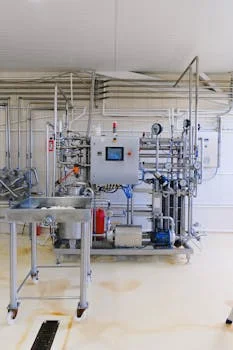
Annual maintenance for Chinese OEM dosing packages averages about $500 based on 2024 user surveys, versus about $1,200 for many Western units under similar duty. Energy use for a standard PLC-controlled skid is modest at 0.3–0.6 kWh per day, or roughly $131–$263 per year at $0.12/kWh. Automated dosing that cuts chemical waste 18–25% typically recovers capital in 14–22 months when reagent spend is material.
A $10,000 package that trims 20% from a $50,000 annual chemical bill saves $10,000 in reagents alone before labor and downtime benefits. Design life of 8–12 years is realistic when plants follow a simple 7-step routine: calibration, fluid-path checks, pump-head inspection, seal checks, electrical review, tank cleaning, and performance logging. Spending an extra $200–$300 per year on preventive work usually beats emergency rebuilds. Poor feed control drives overfeed, fouling, corrosion, and extra operator hours, which is why a properly engineered feed system often pays for itself against those control losses (Veolia Water Handbook).
How Do Boiler Feedwater Dosing Systems Cut Waste?
Boiler and feedwater chemical dosing systems reduce wastewater and reagent waste when continuous, flow-paced feed replaces manual shot dosing. Oxygen scavengers, phosphates, and amines must track load; otherwise plants overfeed to stay safe and blow down the excess. Continuous metering with verification keeps residuals inside the control band and lowers both chemical purchase and blowdown volume.
Stainless steel process skid pricing rises with frame metallurgy, instrument count, hazardous-area ratings, and factory testing scope. PVC or FRP may suit mild duties, but chloride-rich or high-temperature feeds push buyers to 304/316 stainless and raise package price 15–30%. Ask vendors to separate pump, tank, controls, and certification line items so you can compare like-for-like skids.
Selection Checklist and Next Step
Use this short checklist before you freeze a budget: (1) peak and minimum dose in L/h at stated concentration; (2) chemical compatibility and vapor/off-gas behavior; (3) required turndown and accuracy; (4) standby policy for noninterruptible feeds; (5) tank days of storage and secondary containment; (6) PLC/HMI and SCADA protocol needs; (7) install method—loose components versus factory skid. Who this is for: EPC and plant engineers comparing CapEx bands and TCO. Who should look elsewhere: buyers needing only a laboratory syringe pump or a one-shot drum pump with no compliance paperwork.
If your duty sits in the medium or large band, request a scoped quote for an Automatic Chemical Dosing System matched to your reagents and flow. Share water quality, dose targets, and preferred materials on the request-quote form so sizing starts from real process data rather than catalog midpoints.
Frequently Asked Questions
What is the price of a 5-liter per hour dosing system?
A single-pump 5 L/h system with a 100L tank and basic timer control typically costs $3,800–$5,200. That band fits laboratory and small treatment duties where low continuous feed matters more than multi-chemical redundancy. Add PLC control, dual heads, or exotic materials and the package moves toward the medium-scale range.
What is the lifespan of a dosing pump?
With regular maintenance, dosing pumps generally last 8–12 years in water and wastewater service. Diaphragm pumps often outlast peristaltic tubes in high-pressure continuous duty, while abrasive or strongly oxidizing chemicals shorten any wet end. Operating hours and calibration discipline usually matter more than nameplate brand.
What is the price of an antiscalant dosing system?
Antiscalant dosing packages commonly cost $6,500–$12,000 at 5–30 L/h when integrated with reverse osmosis pretreatment. Specialized elastomers, pulse dampening, and interlocks with RO trains drive the upper half of that range. For adjacent reagent economics, compare the lime dosing system cost price guide.
How much does a PLC-controlled dosing system cost?
A PLC-controlled dosing system with dual-chemical capability, a 500L tank, automation, and remote monitoring typically costs $9,000–$18,000. Redundant pumps, flow meters, advanced alarms, and a heavier HMI push quotes to the high end. Plants with stable single-reagent duty can often stay below $10,000 without giving up flow pacing.
Which cost factors matter most on a stainless steel process skid?
Stainless steel process skid pricing is driven by metallurgy grade, weld finish, instrument density, hazardous-area certification, and factory FAT scope. Moving from PVC to stainless often adds 15–30% to package price when corrosion or plant standards require metal. Factory skids still win when site labor rates or outage windows make field assembly expensive.