The lime dosing cost price spans about $370 for a basic pump to more than $217,000 for a fully automated skid-mounted unit. Mid-range systems (1,000–5,000 L/hr) with stainless steel wetted parts and PLC control typically cost $8,000–$15,000, including installation. Final price tracks flow rate, automation level, material of construction, and slurry concentration.
What Is a Lime Dosing System and How Does It Work?
A lime dosing system injects calcium oxide (CaO) or calcium hydroxide (Ca(OH)₂) into wastewater or flue gas to raise pH, precipitate metals, or neutralize acids. In industrial wastewater treatment, lime supplies high alkalinity at a lower cost per pound than sodium hydroxide. The system converts dry lime into a slurry—usually 5% to 20% solids—so the reagent disperses evenly in the reaction tank.
Core hardware includes a hopper or silo, a vibratory or screw feeder for volumetric feed, a slurry tank with a high-torque mixer, and a dosing pump. A PLC-controlled lime dosing skid can run the full cycle from powder intake to injection. Municipal plants use these trains for phosphorus removal; industrial effluent plants use them for heavy-metal precipitation.
In flue gas desulfurization (FGD) scrubbers, lime dosing neutralizes sulfur dioxide (SO₂). That duty needs high-capacity equipment that can move abrasive slurry without frequent clogging. Lime reacts with acid components to form stable salts, then sedimentation or filtration removes the solids. Engineers sizing such trains often review a wet limestone FGD scrubber integration guide so the dose tracks gas-flow swings.
Key Factors That Determine Lime Dosing System Cost
Flow rate sets most of the capital cost. Systems under 500 L/hr often cost 30–50% less than units above 1,000 L/hr because pumps, tanks, and supports stay smaller. As slurry volume rises, screw-feeder diameter and mixer torque must rise with it, which raises fabrication cost. A 1,000 L tank needs a stronger motor and gearbox than a 200 L unit to keep lime from settling.
Material of construction (MoC) also moves CapEx. Polypropylene (PP) tanks are the usual budget choice, about $1,200 for 1,000 L. High-temperature or high-abrasion service needs 316L stainless steel, about $4,500 for the same volume (HydropureWater field data, 2025). Wetted pump and valve parts face the same choice: soft alloys wear fast under abrasive lime particles.
Automation is the widest cost band. Manual setups that hand-mix batches and set pump speed by hand start near $370 for the pump alone. PLC units with SCADA, ultrasonic level sensors, and automated powder feeders add $3,000–$7,000 to the base price. Higher CapEx cuts over-dosing risk and downstream scaling.
| Cost Driver | Specification Range | Estimated Price Impact (USD) | Technical Justification |
|---|---|---|---|
| Flow Rate | 500 - 5,000 L/hr | +$2,500 - +$12,000 | Larger pumps and silo capacities required. |
| Material (Tank) | PP vs. 316L SS | +$3,300 | SS provides superior abrasion and heat resistance. |
| Control Type | Manual vs. PLC/SCADA | +$3,000 - +$7,000 | Precision dosing and remote monitoring capabilities. |
| Pump Type | Diaphragm vs. Peristaltic | +$1,500 - +$3,500 | Peristaltic handles higher solids content (up to 30%). |
Installation scope also sets the delivered lime dosing cost price. Pre-wired skid packages cut field labor by about 40%, while raising purchase price 15–20%. Factory-tested skids usually commission in 2–3 days on site, versus 7–10 days for stick-built component systems.
Lime Dosing Pump Price Comparison by Capacity and Type
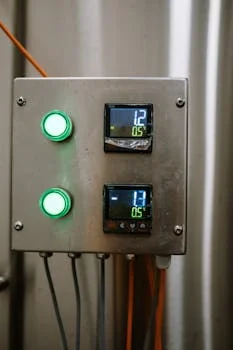
Lime dosing pumps must handle milk of lime, which is abrasive and settles quickly. Per 2025 B2B market data, a 20 LPH dosing pump costs $370–$800. These solenoid diaphragm units suit lab or small pH correction duty. They clog when slurry solids exceed about 5%.
For mid-size plants, 500–1,000 LPH mechanical diaphragm pumps cost $1,200–$2,500. Typical builds use 316SS or hardened plastic wetted parts and reach about 10 bar. Peristaltic (hose) pumps are the more reliable lime choice. At 1,000–5,000 LPH they cost $3,800–$8,000. The straight-through path handles up to about 20% solids without check-valve failure, the main downtime cause on diaphragm trains.
| Pump Capacity | Pump Type | Price Range (USD) | Max Slurry Concentration |
|---|---|---|---|
| 20 LPH | Solenoid Diaphragm | $370 – $800 | 5% |
| 500 - 1,000 LPH | Mechanical Diaphragm | $1,200 – $2,500 | 10% |
| 1,000 - 5,000 LPH | Peristaltic (Hose) | $3,800 – $8,000 | 25% |
| >5,000 LPH | Progressive Cavity / VFD | $15,000+ | 30%+ |
Flows above 5,000 LPH often use dual-pump skids for redundancy. Large municipal plants pair Variable Frequency Drives (VFDs) with live pH feedback. An Automatic Chemical Dosing System at this scale keeps pumps near their efficient operating point and extends hose or diaphragm life.
Complete Lime Dosing System Cost Breakdown (2025 Pricing)
Procurement budgets must cover more than the pump. A basic manual package—small hopper, manual screw feeder, and diaphragm pump under 500 L/hr—usually costs $3,500–$6,000. That class fits intermittent batch work where labor is cheap and tight precision is secondary.
Semi-automatic packages are the usual industrial buy. At $8,000–$12,000 they deliver about 1,000 L/hr with PLC mixing and level control, often in polypropylene tanks. Continuous 24/7 service typically needs a fully automatic 2,000 L/hr 316SS skid with SCADA, priced $15,000–$25,000. Factory skids arrive plug-ready and cut on-site engineering hours.
| System Configuration | Capacity / Features | Total Cost (USD) | Target Application |
|---|---|---|---|
| Basic Manual | <500 L/hr, Poly Tank, Manual Feed | $3,500 – $6,000 | Small Batch pH Correction |
| Semi-Automatic | 1,000 L/hr, PLC Level Control | $8,000 – $12,000 | Standard Industrial Effluent |
| Fully Automatic Skid | 2,000 L/hr, 316SS, SCADA, VFD | $15,000 – $25,000 | 24/7 Mining or Chemical Plants |
| Large Industrial Silo | >5,000 LPH, Dual Pumps, 50-ton Silo | $50,000 – $217,000 | Municipal / Power Plant FGD |
Power-plant FGD or large municipal works can reach $217,000. That figure covers 50+ ton silos, pneumatic lime transfer, and multi-pump skids with full redundancy. Installation and commissioning usually add 10–15% for power, piping to the injection point, and sensor calibration.
ROI and Lifecycle Cost Analysis for Industrial Buyers
Five-year total cost of ownership (TCO) matters more than sticker price for CapEx reviews. Automated control cuts chemical overuse by 18–25% by limiting pH overshoot. On a mid-size plant spending $12,000 per year on lime, that equals about $2,100–$3,000 in yearly reagent savings (HydropureWater field data, 2025).
Maintenance cost tracks pump type. Peristaltic pumps in lime slurry often run 3–5 years with scheduled hose changes. Diaphragm pumps commonly need valve or diaphragm service every 1.5–2 years under abrasive calcium solids. Moving to a peristaltic train can cut long-term parts and labor by about 40%. A disciplined industrial maintenance protocol can add several years to skid life.
| Cost Category | Manual System (Annual) | Automated System (Annual) | Savings / Year |
|---|---|---|---|
| Chemical Waste | $3,000 (25% excess) | $600 (5% excess) | $2,400 |
| Operator Labor | $10,000 (Daily mixing) | $3,000 (Weekly check) | $7,000 |
| Maintenance Parts | $1,500 (Valve wear) | $800 (Hose replacement) | $700 |
| Total | $14,500 | $4,400 | $10,100 |
Labor savings drive much of the ROI. PLC control can cut operator touch time by up to 70%. In many regions that labor cut equals $7,000 or more per year. Compliance ROI is material too: federal pretreatment rules prohibit industrial discharges with pH lower than 5.0 unless the POTW is designed for them (40 CFR § 403.5(b)(2)). Earlier Clean Water Act Class I administrative ceilings used $10,000 per violation; 40 CFR 19.4 now sets $27,378 per violation and a $68,445 Class I maximum for penalties assessed on or after January 8, 2025. Avoiding one such excursion often covers an automation upgrade quickly.
Buyers who need a packaged skid rather than loose components should review the Automatic Chemical Dosing System specifications, which cover the 1,000–2,000 L/hr class covered in the table above. For non-standard flow rates, slurry concentrations, or hazardous-area builds, a Request a free quote is usually the faster route to firm pricing. Send your flow rate and target pH range and our engineering team will return a sized configuration within two business days.
Frequently Asked Questions
What is the price of a 20 LPH dosing pump?
A 20 LPH dosing pump typically costs between $370 and $800. Price moves with pump-head material (PVDF vs. PVC) and with digital versus simple analog control. These solenoid units suit small pH correction trains and clog above about 5% slurry solids.
How much does it cost to operate a lime dosing system annually?
Annual operating cost for mid-sized systems usually falls between $2,000 and $8,000. That band covers power, hose or seal replacements, and lime reagent. Automated trains sit at the low end because they waste less chemical on pH overshoot.
What is the cost of a chlorine dosing pump vs lime?
Chlorine dosing pumps generally cost 15–20% less than lime pumps because the fluid is liquid and less abrasive. Gas handling gear or secondary containment can erase that gap, so installed cost often ends up close to a lime package.
Can lime dosing systems be integrated with existing wastewater treatment plants?
Yes. Most modern units ship as skids that retrofit into existing plants. Integration usually takes 3–5 days when floor space and a nearby control-panel power feed are available.
What maintenance does a lime dosing system require?
Plan a monthly check of pumps and feeders for leaks or clogs, quarterly slurry-tank cleaning to remove grit, and annual calibration of pH probes and flow meters. Following an industrial-grade maintenance protocol is the best way to prevent unplanned downtime.