Why Lime Dosing Systems Fail Without Proper Maintenance
Lime dosing maintenance prevents hydrated lime (Ca(OH)2) slurry from settling into concrete-like scale, wearing pump seals, and bridging in silos. Skip the protocol and you get feed failure, pH swings, permit risk, and emergency repairs. Most plants we size for continuous pH control lose accuracy first at seals and stagnant slurry lines, not at the controller.
Hydrated lime slurry settles fast when flow stops. Scale then packs pipes and tanks until mechanical removal is the only option. Abrasive solids cut diaphragms and seals on peristaltic and diaphragm pumps, so dose rate drifts or the pump stops. In the silo, bridging and rat-holing interrupt the steady feed needed for precipitation or pH adjustment. A standby pump does nothing if it sits dry, unflushed, and untested. Reactive plants burn chemical, upset biology downstream, and chase alarms instead of preventing them.
What Is Lime Dosing in Water Treatment?
Lime dosing in water treatment feeds hydrated lime slurry to raise pH, support coagulation, or precipitate metals and hardness. According to Ireland EPA Drinking Water Advice Note No. 15 (2014), lime is commonly stored as powder in silos and dosed as slurry, and dissolution can take up to three minutes depending on lime quality. Stable control needs a consistent slurry strength and enough contact time before the pH probe reads.Precision liming fails when concentration, agitation, or line velocity wander.
How Does Lime Metering Support Dosing?
Lime metering sets the mass or volume rate; lime dosing is the full path from silo or day tank through pump, piping, and dispersion point. Metering drift shows up as a bucket test that misses setpoint even when stroke length looks correct. Dose accuracy still depends on agitation, flush discipline, and abrasion-resistant wear parts. Plants that only tweak the controller while slurry lines scale will keep hunting pH. For critical loops, an Automatic Chemical Dosing System with PLC setpoints and a ready standby pump keeps metering and delivery aligned during service.
Lime Dosing Maintenance: Daily Checks That Stop Failures
Daily lime dosing maintenance is a five-minute walkdown at the start of each shift. Confirm pump stroke and a stable discharge pressure within ±5% of setpoint; a hunting gauge often means air in the line or a worn seal. Keep the slurry tank agitator running so the mix stays milky with no settled bed. Match the silo level reading to stock on hand, then check the discharge hopper for bridging and bump the vibrator or air cannon if fitted. Clear active alarms, log runtime hours, and listen for grinding or cavitation on the pump or mixer motor.
Daily Checklist:
- Pump Pressure: Check for stable pressure (±5% of setpoint).
- Slurry Agitation: Confirm continuous mixer operation; no settled solids.
- Silo Level: Verify indicator matches physical stock.
- Bridging Check: Inspect hopper; use vibrator if equipped.
- Acoustic Inspection: Listen for abnormal pump or motor noises.
- Logbook: Record runtime, pressure, alarms, and interventions.
Weekly System Checks: Flushing, Calibration, and Leak Detection
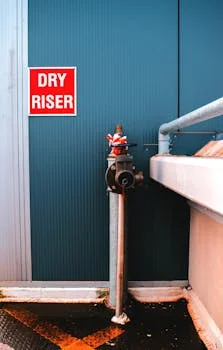
Weekly slurry-line work prevents the clog patterns that shut plants down mid-shift. Flush all slurry lines with clean water for 10–15 minutes; as little as 2 mm of scale can reduce flow by over 30%. WaterSMART Solutions industry guidelines (2016) also call for slurry transfer velocity of 1.2–3 m/s and a permanent flush path on shutdown so lines do not set up hard. Run a one-minute bucket calibration at both minimum and maximum stroke, then compare volume to the set rate. Inspect tubing, packings, and flanges for leaks or abrasion, clean in-line strainers, and confirm the backup pump is primed and ready to switch.
Monthly Deep Maintenance: Pumps, Silos, and Controls
Monthly deep work on a lime dosing system needs about a two-hour window for wear parts and interlocks. Replace seals and diaphragms on a 3–6 month cycle for heavy-use slurry service, or sooner if runtime is continuous; always follow the pump manual for the exact kit interval. Under lockout/tagout, inspect the silo discharge cone for hardened lime and clear it with approved air cannons or mechanical tools. Test low-level and high-pressure interlocks, verify PLC setpoints and alarm thresholds, clean the vent filter and dust collector, and lubricate agitator and pump bearings to manufacturer specs.
| Component | Task | Frequency | Wear Part Replacement |
|---|---|---|---|
| Dosing Pump | Inspect seals, diaphragms, check valves | Monthly | 3-6 months (varies with runtime) |
| Slurry Lines | Flush and inspect for scale/erosion | Weekly | 5-7 years (based on wall thickness) |
| Storage Silo | Inspect for bridging, clean vent filter | Monthly | Vent filter: 6-12 months |
| Agitator | Check bearings and shaft alignment | Monthly | Mechanical seal: 12 months |
For continuous pH duty, an industrial lime dosing system with PLC control and redundant pumps shortens changeover time when the primary skid is offline for seal work.
Annual Overhaul: System Audit and Longevity Optimization
Annual overhauls during a planned shutdown catch erosion and calibration drift that daily rounds miss. Tear down the primary dosing pump and inspect internals for abrasion. Use ultrasonic thickness testing on slurry piping and schedule replacement where wall loss exceeds 20%. Compare annual chemical consumption to totalized dosed volume; a variance greater than 10% usually means calibration error or hidden leaks. Review the year’s logs for repeat failures, then adjust PM intervals or add a redundant pump skid so maintenance no longer forces a process stop. Refresh operator training while the system is open.
Maintenance Frequency and Task Summary Table
Print this table and post it in the control room for quick reference. It consolidates critical tasks, their frequency, and the consequence of neglect.
| Frequency | Task | Tool(s) Needed | Failure Risk If Skipped |
|---|---|---|---|
| Daily | Visual pump, agitator, silo inspection | None | High - Unseen clogging or failure |
| Weekly | Flush slurry lines; pump calibration test | Bucket, timer, hose | High - Line blockages; inaccurate dosing |
| Monthly | Inspect/replace pump wear parts; silo check | Seal kit, wrenches, LOTO | High - Pump failure; silo bridging |
| Annual | Full system audit; pipe thickness testing | UT gauge, calibration tools | Medium - Long-term drift & erosion |
Who This Is For and Next Step
This guide is for plant engineers, EPC contractors, and maintenance leads who run hydrated lime slurry for pH control or precipitation and need a printable PM ladder. Look elsewhere if you dose only clear solutions such as caustic or polymer—those fluids need different pumps and flush rules. If you are sizing a new skid or replacing a failing lime feed package, request a quote for a lime dosing package with redundant pumps and flush provisions matched to your duty.
Frequently Asked Questions
How often should you clean a lime dosing pump?
Flush the pump and slurry path with clean water every week for 10–15 minutes during normal operation. Replace seals and diaphragms every 3–6 months based on runtime and slurry concentration; 24/7 abrasive service often needs a quarterly kit change. After any idle period longer than a few days, flush before restart so settled lime does not score the wet end on the first stroke.
What causes lime slurry lines to clog?
Clogs form when slurry settles and calcium carbonate scale grows after agitation stops, velocity drops, or flushing is skipped. Hard make-up water with high temporary hardness speeds scale on fittings and low points. Keeping transfer velocity in the 1.2–3 m/s band and flushing on every shutdown removes the soft bed before it hardens into a blockage that needs mechanical clearing.
Can you use the same maintenance guide for PAM and lime dosing systems?
No. Lime is abrasive and settles, so it needs aggressive flushing and abrasion-rated wear parts. PAM is viscous and shear-sensitive, so it needs different pump types, aging tanks, and gentler mixing, as covered in our guide on troubleshooting viscous chemical dosing systems like PAM. Copying a lime PM sheet onto a polymer skid usually damages product and dosing accuracy.
Why is a backup pump important in lime dosing systems?
A backup pump keeps chemical feed running while the primary unit is flushed, sealed, or repaired. Without redundancy, every seal change becomes a pH excursion risk for precipitation and biological stages downstream. Keep the standby primed, powered, and exercised so switchover takes minutes instead of a full reboot after dry storage.
How do you prevent silo bridging in hydrated lime storage?
Prevent bridging with silo vibrators, fluidizing pads, or mechanical agitators, a steep hopper, and dry storage air. OSMRE materials note vibratory devices at the silo base to stop compaction across the outlet. Rotate stock first-in, first-out and avoid long static storage so moisture and recarbonation do not cement the cone.