Why Nairobi clinics need a dedicated hospital sewage treatment plant
Ruai STP at 160,000 m³/day and Kariobangi STP at 32,000 m³/day together receive only about 40% of Nairobi's wastewater — the remaining 60% is served by localized plants under 2,000 m³/day, on-site septic tanks, or direct discharge (GWCN, 2020-11). For the typical 10–30 bed clinic in Westlands, Kileleshwa, or along Mombasa Road, the sewer trunk may simply not pass the plot, and NEMA will not accept a failing septic tank as a long-term solution. A purpose-built, container-shippable hospital sewage treatment plant rated 1–20 m³/day is the realistic answer.
Clinic sewage is qualitatively different from domestic sewage. A 10–30 bed facility typically discharges 200–400 L/bed/day, with BOD 150–300 mg/L, COD 250–500 mg/L, total coliforms 10⁵–10⁷ CFU/100 mL, plus trace pharmaceuticals, iodine contrast media, glutaraldehyde from sterilization, and a measurable load of antibiotic-resistant organisms (ESBL E. coli, MRSA, VRE). A standard domestic STP optimizes for BOD and TSS only; it does not address the pathogen and micropollutant profile that draws the NEMA scrutiny in the first place. The technology choice for a Nairobi clinic is therefore narrower than for a residential building of the same flow — a point the GWCN 2020 macro review does not address and a useful hospital wastewater process design reference illustrates for a comparable European context.
Three discharge paths exist in Nairobi: the Ruai/Kariobangi sewer catchment (only ~40% coverage), a NEMA-permitted soak pit (requires BOD ≤30 mg/L and total coliforms ≤400 CFU/100 mL in the applied effluent), and on-site reuse for toilet flushing or landscape irrigation (the strictest envelope, typically BOD ≤10 mg/L and turbidity ≤2 NTU). The packaged plant must be specified against the actual discharge path, not against a generic "treat to national standard" assumption.
NEMA Kenya hospital effluent standards the plant must meet
Kenya NEMA's healthcare wastewater envelope (under EMCA Cap 387 and the 2020 NEMA Healthcare Waste Regulations) sets the following mandatory discharge limits for hospital sewage leaving the site boundary:
| Parameter | NEMA limit (sewer discharge) | NEMA limit (on-site reuse / soak pit) | Notes |
|---|---|---|---|
| BOD₅ | ≤ 30 mg/L | ≤ 10 mg/L | 24-h composite sample |
| COD | ≤ 100 mg/L | ≤ 50 mg/L | Crack set, dichromate |
| TSS | ≤ 30 mg/L | ≤ 10 mg/L | |
| Total coliforms | ≤ 400 CFU/100 mL | ≤ 0 (non-detectable for reuse) | Membrane filtration, mFC agar |
| E. coli | ≤ 100 CFU/100 mL | Non-detectable | |
| Residual chlorine | 0.5–1.0 mg/L | ≤ 0.1 mg/L (dechlorination required) | |
| pH | 6.5–8.5 | 6.5–8.5 | |
| Oil & grease | ≤ 10 mg/L | ≤ 5 mg/L |
Discharge to the Ruai or Kariobangi sewer still requires compliance with the local sewer authority's trade-effluent by-laws, which mirror the NEMA envelope but add a trade-effluent agreement and a monthly sampling log. Direct discharge to a soak pit or for landscape reuse is stricter on coliforms and chlorine, which forces a different disinfection technology choice. A useful benchmark is the EPA hospital effluent compliance guide for healthcare facilities, which uses similar parameter envelopes and is a good cross-check when writing the plant specification.
The pharmaceutical and antibiotic-resistant organism angle matters more than the macro numbers suggest. NEMA increasingly expects log-reduction evidence — typically ≥5-log reduction for total coliforms and ≥4-log for E. coli — rather than just a free chlorine residual number. That is why ozone and chlorine-dioxide systems are displacing plain chlorination in new clinic builds across East Africa; they achieve the required log reduction in a shorter contact time and do not generate the trihalomethane by-products that chlorination does. Sludge from the biological stage is a controlled waste under the 2020 NEMA Healthcare Waste Regulations and must be removed by a licensed handler — a line item in OPEX, not a footnote.
Three compact plant architectures that fit Nairobi clinics
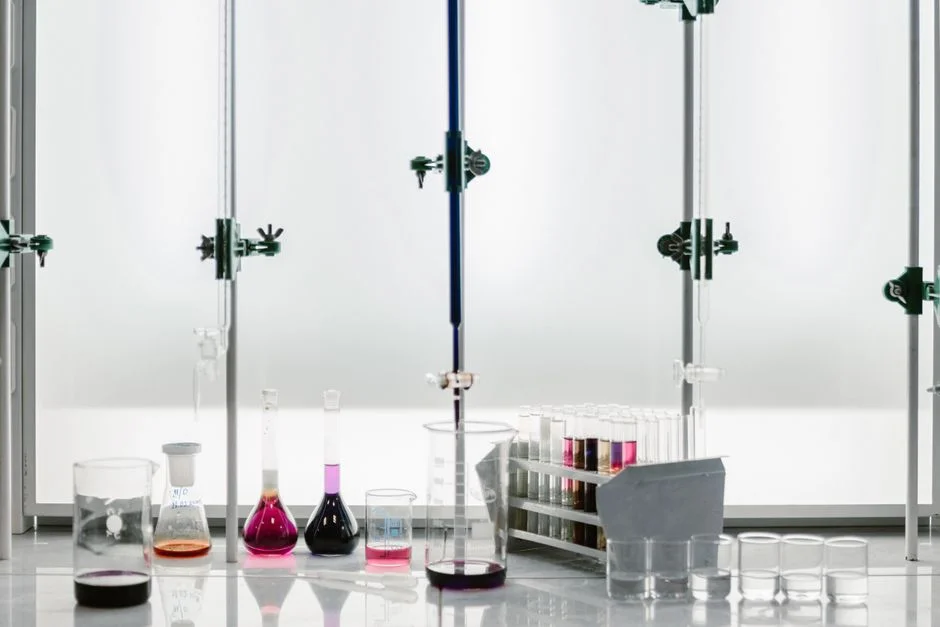
Three packaged architectures dominate the 1–20 m³/day clinic segment. Each solves the NEMA envelope differently, and the choice hinges on whether the constraint is CAPEX, footprint, effluent quality, or chemical handling.
| Architecture | Footprint (5 m³/day unit) | Effluent BOD / TSS | Disinfection | Operator skill | Indicative 2026 CAPEX (FOB Qingdao) |
|---|---|---|---|---|---|
| WSZ underground A/O package plant | ~15 m² (mostly below grade) | ≤ 20 / ≤ 20 mg/L | Chlorine contact tank | Low — fully automatic | US$8,000–25,000 |
| MBR membrane bioreactor skid | ~6 m² (above grade in container) | ≤ 5 / ≤ 5 mg/L | Optional UV + chlorine | Part-time skilled | US$25,000–80,000 |
| Medical wastewater system with 99% ozone disinfection | ~0.5–2 m² (indoor plug-and-play) | ≤ 20 / ≤ 10 mg/L | Ozone (ClO₂ optional) | Very low | US$10,000–30,000 |
The WSZ underground A/O package plant combines anoxic and aerobic contact oxidation, sedimentation, and a chlorine contact chamber in a single buried FRP/carbon-steel tank. It is rated 1–80 m³/h, runs fully automatic on a float-switch or timer control, and needs no dedicated operator. Its defining advantage is footprint — almost everything sits below grade, so the visible above-grade area is just a manhole cover and a control kiosk, leaving the surface free for parking or landscaping. Its weakness is the disinfection stage: a small chlorine contact tank meets the residual chlorine number but is not the best tool for the 5-log coliform reduction that antibiotic-resistant organisms demand.
The MBR membrane bioreactor skid couples activated sludge with a submerged PVDF membrane module (typically 0.1–0.4 μm pore). Effluent BOD and TSS are routinely below 5 mg/L — close to reuse quality — and the 60% footprint saving versus conventional activated sludge is real and verifiable. The trade-off is membrane cleaning: a clean-in-place (CIP) cycle with citric acid or NaOCl is needed every 3–12 months depending on feed, and membranes themselves last 5–7 years before replacement. A part-time skilled operator (1–2 hours/day) is the realistic staffing model.
The medical wastewater system with 99% ozone disinfection is purpose-built for clinics, dental practices, and veterinary hospitals up to roughly 5 m³/day. It is a multi-stage filtration plus corona-discharge ozone unit, with a footprint starting at 0.5 m², no chemical dosing, and noise below 60 dB(A). Because ozone is generated on-site from air, there is no chlorine storage on the premises — a significant advantage for clinics where inspectors or fire codes restrict hypochlorite storage. For a pathogen-heavy feed with a high antibiotic-resistant organism load, ozone is the strongest single technology available at this scale.
Sizing the plant: beds, outpatients, and peak factor
The base formula is straightforward: design flow = (beds × 250 L/bed/day) + (outpatients × 15 L/visit × visits/day) + staff + laundry/sterilization volume. Staff and laundry/sterilization typically add 0.5–1.0 m³/day for a 20-bed clinic. A worked example: 20 beds × 250 L = 5.0 m³/day, plus 60 outpatients × 15 L × 1 = 0.9 m³/day, plus staff/laundry ~0.6 m³/day, giving an average dry-weather flow of about 6.5 m³/day.
Apply a peak factor of 1.5–2.0× to get the hydraulic design flow — in the worked example, 10–13 m³/day. This is the number the equalization tank and biological stage must be sized against, not the 6.5 m³/day average, because peaks cause washout of the biomass and suspended-solids spikes that destroy downstream membranes. Cross-check with BOD loading: 6.5 m³/day × 250 mg/L = 1.6 kg BOD/day, comfortably inside the 2–4 kg BOD/day envelope that a single A/O or MBR module handles at 25–30°C ambient temperature.
Upstream screening is the most common failure point in tropical clinic installations. A GX rotary bar screen or a manual bar screen with 5–10 mm openings must come first to remove rags, cotton swabs, and plastic that destroy pump seals and tear MBR membranes — and this is the single most common cause of warranty disputes on imported packaged plants in Kenya.
Cost, logistics, and installation reality in Nairobi
Capital cost on its own is misleading without the landed figure. Indicative 2026 ranges for a 5–15 m³/day clinic system:
| Cost line | WSZ underground A/O | MBR skid | Medical unit |
|---|---|---|---|
| Unit FOB Qingdao | US$8,000–25,000 | US$25,000–80,000 | US$10,000–30,000 |
| Sea freight Qingdao → Mombasa (20–40 ft) | US$2,500–4,500 | US$3,500–6,000 | US$1,800–3,200 |
| Clearance, KEBS, NEMA pre-shipment | US$1,500–3,000 | US$2,000–4,000 | US$1,000–2,500 |
| Inland Mombasa → Nairobi + lifting | US$2,000–3,500 | US$2,500–4,000 | US$800–1,500 |
| Civil works, excavation, piping, electrical | US$5,000–12,000 (tank burial) | US$3,000–6,000 (slab + container pad) | US$500–1,500 (indoor plinth) |
| Indicative landed CAPEX | US$19,000–48,000 | US$36,000–100,000 | US$14,000–38,700 |
On OPEX, power consumption is the largest variable. MBR runs at 2.0–2.5 kWh/m³ because of the membrane air-scour blower; WSZ is lower at 0.8–1.2 kWh/m³; ozone adds 0.3–0.5 kWh/m³ on top of the upstream filtration. Membrane replacement is a US$3,000–8,000 line item every 5–7 years for the MBR. Sludge hauling to a NEMA-licensed facility is roughly KES 8,000–15,000 per 1 m³ wet sludge; a plate-and-frame filter press for sludge dewatering reduces that volume by 75–80% and pays back inside 2 years for any clinic above 5 m³/day.
Installation timeline: WSZ needs 1–2 weeks of excavation and tank burial; MBR skid is above-ground in a 20-ft container and needs 3–5 days; the compact medical wastewater system is plug-and-play indoors in 1–2 days. The procurement criterion most buyers forget: confirm the supplier can ship spares (membranes, ozone plates, diffusers, chlorinator parts) to Nairobi within 2–3 weeks. A 12-week spares lead time will kill the plant inside the first year.
Selecting the right plant: a 60-second decision framework
Three questions decide the architecture. First, where does the effluent go — municipal sewer, soak pit, or reuse? Second, what is the pathogen and pharmaceutical load — a paediatric or infectious-disease clinic sees a different feed than a dental or imaging centre. Third, what is the available footprint, and can the plot tolerate excavation?
If the clinic is on the Ruai/Kariobangi sewer catchment and the priority is lowest CAPEX with reliable BOD/COD reduction, choose the WSZ underground A/O package with a chlorine contact tank sized for a 30-minute contact time at peak flow. If the clinic needs water reuse for toilet flushing, landscaping, or laundry — a common ask in Westlands and Kileleshwa where water bills are significant — choose the MBR skid; its sub-5 mg/L BOD and TSS remove the reuse risk and the 60% footprint saving is decisive on a dense plot. If pathogen kill and chemical-free operation are the priority — paediatric wards, dental surgeries, infectious-disease clinics, or any site where chlorine storage is restricted — choose the medical system with ozone; it achieves the 5-log coliform reduction NEMA expects without a single litre of hypochlorite on site.
In all three cases, require a rotary bar screen upstream and a NEMA-licensed sludge handling contract downstream. These are the two interfaces that most often cause compliance failures in Kenyan hospital STP projects, and they are the cheapest to get right at the specification stage.
Frequently Asked Questions
Q1. What size hospital sewage treatment plant do I need for a 20-bed Nairobi clinic?
Worked from the formula above, a 20-bed clinic with 60 outpatients/day averages 6.5 m³/day and needs a 10–13 m³/day design unit. Specify the WSZ-10 for a sewer discharge, or the MBR-10 if water reuse is planned. Anything smaller is a permit risk with NEMA.
Q2. What NEMA effluent limits apply to a hospital STP in Kenya?
Discharge to sewer: BOD ≤30 mg/L, COD ≤100 mg/L, TSS ≤30 mg/L, total coliforms ≤400 CFU/100 mL, residual chlorine 0.5–1.0 mg/L, pH 6.5–8.5, oil & grease ≤10 mg/L (per EMCA and the 2020 NEMA Healthcare Waste Regulations). On-site reuse is stricter on coliforms and chlorine.
Q3. Does the plant need a specialist operator?
The WSZ and compact medical wastewater system are designed for unattended automatic operation — a clinic maintenance staffer can run them. The MBR needs a part-time operator (1–2 h/day) familiar with CIP, MLSS, and transmembrane pressure; a 2-day vendor training course at commissioning is the realistic minimum.
Q4. How is the sludge disposed, and can it be reduced on site?
Biological sludge is a NEMA-controlled waste and must go to a licensed handler. A plate-and-frame filter press reduces wet sludge volume by 75–80% to a ~25% dry-solids cake, cutting hauling trips and OPEX. For long-term operational reliability of the dewatering press itself, this sludge dewatering troubleshooting reference covers the 12 field fixes that prevent 80% of breakdowns on imported filter presses in East Africa.