Why Ethiopia Is Specifying Containerized Wastewater Treatment in 2026
A containerized wastewater treatment plant in Ethiopia is a fully pre-assembled WWTP built inside a 20-ft or 40-ft ISO shipping container — typically running MBR (membrane bioreactor) or MBBR (moving bed biofilm reactor) process trains at 10–500 m³/day. For 2026, turnkey CAPEX ranges from USD 45,000 for a 20 m³/day MBBR unit to USD 380,000 for a 200 m³/day MBR unit, with effluent meeting Ethiopia EPA ambient water-quality guideline limits of BOD₅ ≤ 50 mg/L, COD ≤ 200 mg/L, and TSS ≤ 50 mg/L for industrial discharge to surface water.
Ethiopia's 11+ federal and regional industrial parks — Hawassa, Bole Lemi, Kilinto, Adama, Mekelle, Kombolcha, Dire Dawa — now operate under IPP (Industrial Park Development Corporation) lease clauses that obligate tenants to commission on-site effluent treatment within 12–18 months of occupancy. Miss that window and the tenant faces IPP lease penalties plus revocation of operating permits, which makes the traditional 10–14 months of concrete civil works plus 2–3 months commissioning a non-starter. A skid-mounted WWTP ships from the factory in 8–12 weeks ex-works and reaches treated-effluent compliance within 2 weeks of arrival on pad, an order-of-magnitude schedule advantage for fast-track tenants.
The compliance driver is the Ethiopia Environmental Protection Authority "Ambient Water Quality Guideline" (revised 2023, still in force 2026), which sets industrial discharge to inland surface water at BOD₅ ≤ 50 mg/L, COD ≤ 200 mg/L, TSS ≤ 50 mg/L, pH 6–9, and temperature ≤ 40 °C. For parks targeting reuse (irrigation, cooling, toilet flushing), the same guideline tightens the bands to BOD₅ ≤ 30 mg/L, TSS ≤ 10 mg/L, and FOG ≤ 5 mg/L. The World Bank Group ESIA framework for industrial parks, which most IPP tenants are bound by under their development-finance covenants, defaults to these same numerical ceilings when national guidance is silent — so there is no regulatory ambiguity to hide behind.
Containerized units are field-proven at scale: the UNHCR Zaatari refugee-camp deployment in Jordan, documented in successive UNHCR situation updates, runs containerized biological treatment trains that produce reuse-grade effluent from municipal-strength sewage in a desert climate. Closer to East Africa, the 2025 Springer SOWAT paper documents a solar-hybrid containerized unit treating petroleum-industry wastewater in Algeria, and Ethiopia's measured 5.5–6.5 kWh/m²/day solar yield makes PV-assisted operation commercially viable for off-grid industrial parks (Adama, Mekelle, Kombolcha all sit above 2,000 m with reliable insolation). For a tenant scoping a 50–500 m³/day modular sewage treatment plant in Ethiopia, the technology is no longer the question — the question is which process train fits the influent and which supplier survives the Djibouti→Addis Ababa trucking corridor. The design context for hot-climate parks is covered in detail in this containerized WWTP design in hot-climate parks reference.
Process Options Inside a 20-ft and 40-ft ISO Container
Three biological process trains dominate containerized WWTP bids for Ethiopian industrial parks: MBR, MBBR, and SBR. Each fits a different influent signature, and each occupies a different fraction of the container's internal volume (20-ft ISO ≈ 28 m³, 40-ft ISO ≈ 67 m³).
MBR (Membrane Bioreactor): A containerized MBR system integrates a submerged 0.1 μm PVDF flat-sheet or hollow-fiber membrane module directly into the aeration tank, replacing the secondary clarifier. The submerged flat-sheet MBR module in the DF series delivers 32–135 m³/day per 80–225 m² membrane cassette and consumes 10–20× less energy than external cross-flow configurations, per DF-series product data. MBR is the right pick when the tenant needs reuse-grade effluent (BOD₅ ≤ 5 mg/L, TSS ≤ 1 mg/L) and has the budget for membrane replacement amortized at USD 0.02–0.05/m³.
MBBR (Moving Bed Biofilm Reactor): HDPE carrier media (K1/K3 type, specific surface area 500–800 m²/m³) are kept in suspension by coarse-bubble aeration; biomass grows as biofilm on the carriers, eliminating sludge recirculation and clarifier sensitivity. MBBR tolerates influent TSS shock and BOD₅ swings of 800–4,000 mg/L — typical of tannery, slaughterhouse, and brewery wastewater — without process upset. There is no membrane to replace, so OPEX stays low.
SBR (Sequencing Batch Reactor): Lower CAPEX than MBR or MBBR at small flows, but the equalization and decant phases demand an external buffer tank that almost never fits inside the same 40-ft box once flow exceeds 100 m³/day. SBR is therefore only competitive in Ethiopia for flows under ~50 m³/day where civil works for a small EQ tank is feasible.
Pre- and post-treatment packaged in-line: A rotary bar screen headworks (GX series) protects downstream membranes from ragging; a pre-treatment DAF skid (4–300 m³/h) strips FOG and floated TSS that would otherwise blind the membrane cassette. Pre-treatment is mandatory for brewery and edible-oil tenants.
| Container Size | Process | Typical Flow Range | Footprint Inside Container | Key Limitation |
|---|---|---|---|---|
| 20-ft ISO (≈28 m³) | MBR | 20–50 m³/day | Aeration + cassette + permeate | Membrane area caps at ~80 m² |
| 20-ft ISO (≈28 m³) | MBBR | 50–100 m³/day | 2-stage biofilm + clarifier | Effluent TSS 20–30 mg/L |
| 40-ft ISO (≈67 m³) | MBR | 100–200 m³/day | Multi-cassette + CIP loop | CIP chemical storage |
| 40-ft ISO (≈67 m³) | MBBR | 200–500 m³/day | 3- or 4-stage biofilm | Need post-polish for reuse |
| 40-ft ISO (≈67 m³) | SBR | 50–100 m³/day | Batch + decant + EQ outside | External EQ tank required |
MBR vs MBBR vs SBR: Head-to-Head for Ethiopian Industrial Effluent
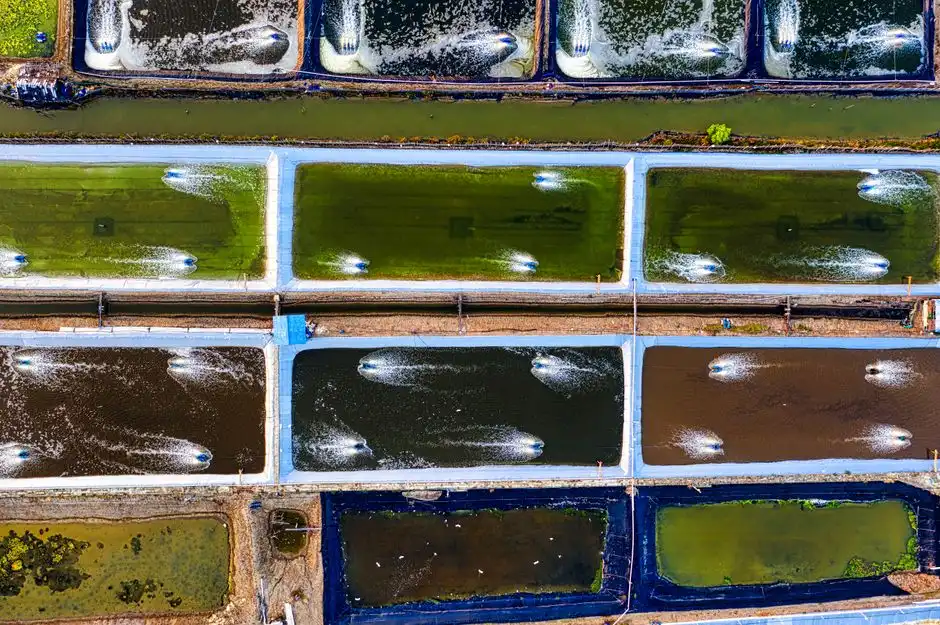
Picking the wrong process for brewery, textile, or slaughterhouse wastewater is the single most expensive procurement error in Ethiopian park projects. The table below lets a project engineer match process to influent in under a minute.
| Parameter | MBR | MBBR | SBR |
|---|---|---|---|
| Effluent BOD₅ | ≤ 5 mg/L | ≤ 20 mg/L | ≤ 20 mg/L |
| Effluent COD | ≤ 50 mg/L | ≤ 100 mg/L | ≤ 100 mg/L |
| Effluent TSS | ≤ 1 mg/L | ≤ 30 mg/L | ≤ 20 mg/L |
| Footprint (m² per m³/day) | 0.15–0.25 | 0.35–0.5 | 0.3–0.45 (excl. EQ) |
| Membrane / media replacement | USD 0.02–0.05/m³ | Carrier top-up every 8–10 yr | Decanter weirs every 5 yr |
| TSS shock sensitivity | High (membrane fouling) | Low | Medium |
| Electrical load | 0.3–0.5 kWh/m³ | 0.2–0.35 kWh/m³ | 0.25–0.4 kWh/m³ |
| CAPEX index vs MBBR | 1.7× | 1.0× | 0.9× (+ EQ tank) |
Decision logic for Ethiopian industrial effluent: Brewery + beverage (BOD₅ 1,500–3,000 mg/L, TSS 500–1,500 mg/L, FOG 100–400 mg/L) → MBBR with DAF pre-treatment; the FOG load blinds MBR membranes within days unless DAF cuts it under 50 mg/L. Textile + dye-house (COD 800–2,500 mg/L, color 500–2,000 Pt-Co, high temp 35–45 °C) → MBR after a cool-down equalization tank; MBR's TSS ≤ 1 mg/L protects downstream RO if the tenant reuses dye-house water. Tannery + slaughterhouse (BOD₅ 2,000–4,000 mg/L, sulfide 5–20 mg/L, TSS 1,000–3,000 mg/L) → MBBR with equalization + sulfide stripping; MBR membrane replacement cost at this TSS loading becomes uneconomic. Mixed industrial park influent (BOD₅ 400–800 mg/L, TSS 200–500 mg/L) → MBR for reuse compliance, accepting the 1.7× CAPEX premium.
2026 CAPEX, OPEX and Logistics for Shipping a Containerized WWTP into Ethiopia
The 2026 turnkey CAPEX bands below are FOB China and include 1 year of spare parts plus remote commissioning supervision (HydropureWater field data, 2026). Add the landed-cost stack in row 5 to convert FOB to a duty-paid Delivered-Addis-Ababa figure.
| Item | 20 m³/d MBBR | 50 m³/d MBBR | 100 m³/d MBR | 200 m³/d MBR |
|---|---|---|---|---|
| Turnkey CAPEX (FOB China, USD) | 45,000 | 95,000 | 180,000 | 380,000 |
| CAPEX in ETB (1 USD ≈ 56 ETB) | 2.52 M ETB | 5.32 M ETB | 10.08 M ETB | 21.28 M ETB |
| 40-ft Djibouti port handling | n/a (20-ft) | USD 2,500 | USD 2,500 | USD 2,500 |
| 910 km Djibouti→Addis trucking | USD 3,000 (20-ft) | USD 4,500–6,500 | USD 4,500–6,500 | USD 4,500–6,500 |
| Customs 10–25% + 15% VAT + 3% WHT | Typical landed cost adds 35–50% on top of FOB | |||
| OPEX electricity @ 0.25–0.45 kWh/m³ × USD 0.06/kWh | USD 0.015–0.027/L | USD 0.015–0.027/L | USD 0.018–0.027/L | USD 0.015–0.027/L |
| OPEX chemicals (CIP, ClO₂, coagulant) | USD 0.005/L | USD 0.008/L | USD 0.015/L | USD 0.02/L |
| Membrane replacement (MBR only, amortized) | n/a | n/a | USD 0.02–0.05/L | USD 0.02–0.05/L |
Addis Ababa altitude derating (critical, often missed in vendor bids): Addis sits at ~2,355 m above sea level; per ISO 2533, air density drops to ~0.74 kg/m³ (vs 1.225 kg/m³ at sea level). Standard blowers sized for sea-level mass flow transfer 22% less oxygen at altitude. Either oversize the blower motor 25–30% or accept a longer HRT to maintain the same OUR. Lock this correction into the RFQ and into the bid comparison — vendors who do not flag it are quoting sea-level performance.
Solar-hybrid option: The 2025 Springer SOWAT paper documents a solar-PV + concentrated-solar hybrid containerized plant running for one year on produced water, independent of grid power. Ethiopia's 5.5–6.5 kWh/m²/day yield makes the same architecture bankable for off-grid parks; pair a 30–50 kWp PV array with a 100–150 kWh BESS to run an MBBR at 100 m³/day continuously. Remote monitoring for African-deployed plants is non-negotiable when the operator is in Addis and the asset is in Mekelle or Hawassa.
Ethiopia EPA Compliance: Effluent Limits, Sampling, and Documentation
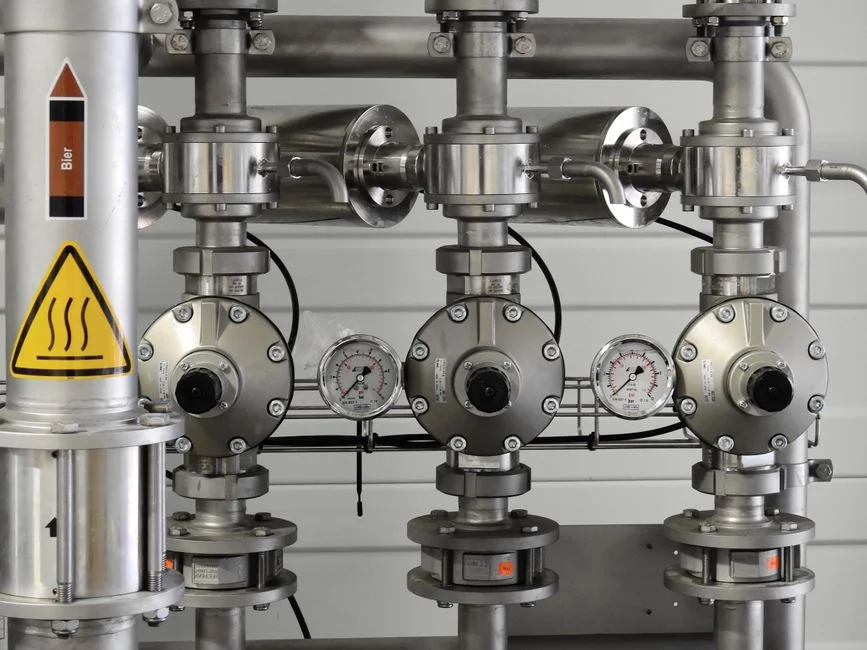
The Ethiopia EPA industrial discharge limits in force for 2026 (per the Ambient Water Quality Guideline, revised 2023) are: BOD₅ ≤ 50 mg/L, COD ≤ 200 mg/L, TSS ≤ 50 mg/L, FOG ≤ 10 mg/L, total N ≤ 30 mg/L, total P ≤ 5 mg/L, pH 6–9, and temperature ≤ 40 °C. Stricter reuse limits apply for parks sending effluent to irrigation or cooling: BOD₅ ≤ 30 mg/L, TSS ≤ 10 mg/L, FOG ≤ 5 mg/L, and fecal coliform ≤ 200 CFU/100 mL. An MBR unit producing TSS ≤ 1 mg/L and BOD₅ ≤ 5 mg/L sits well inside both bands; an MBBR sits inside the discharge band but needs a sand filter or membrane polish for the reuse band.
Sampling protocol: 24-hour flow-weighted composite samples, collected by an automatic sampler, analyzed at a lab accredited by the Ethiopian National Accreditation Office. Self-monitoring reports are filed twice yearly with the regional EPA office (Addis Ababa, Oromia, Amhara, Tigray, Sidama, etc.) along with calibration records for flow meters and online pH/DO probes. A containerized ClO₂ disinfection unit (50–20,000 g/h) is the standard final step for parks targeting irrigation reuse, since ClO₂ does not generate the trihalomethanes that chlorine does at high organic loads.
Six-Step Supplier Selection Checklist (Avoiding the Common Scams)
- Verify certifications in writing. ISO 9001 quality system, CE or UL electrical certification, and ISO 1496-1 container tie-down certification for combined sea + road transport. Ask for the certificate numbers and verify them on the issuing body's website.
- Demand a Factory Acceptance Test (FAT) video on simulated influent. A static exterior photo proves nothing. The video must show the unit running on real wastewater at design flow, with logged BOD/COD/TSS numbers from the in-house lab.
- Confirm African deployment history. At least 5 units shipped to Sub-Saharan Africa, with end-user names and contactable references. The Zaatari UNHCR deployment and the Springer SOWAT paper are evidence that real reference plants exist; demand the same from any bidder.
- Lock altitude-corrected blower sizing and PLC architecture. Blower motor kW at Addis 2,355 m, not sea level; PLC with Modbus TCP and 4G remote monitoring so the engineering team in Addis can trend data from a Hawassa park. See the reference design for PLC and SCADA architecture for modular plants.
- Specify 12 months on-site service in the bid. A 72-hour on-call clause is essential because 4-week engineer dispatch from Asia is unrealistic when the plant is down. Local Ethiopian or Kenyan service partners are acceptable substitutes.
- Retain 10% holdback for 6 months post-commissioning, released against a 6-month composite sample report that meets the Ethiopia EPA limits. This is the only contractual lever that forces the supplier to fix under-performing components.
Frequently Asked Questions
How much does a containerized wastewater treatment plant cost in Ethiopia in 2026? Turnkey CAPEX (FOB China) ranges from USD 45,000 for a 20 m³/day MBBR unit up to USD 380,000 for a 200 m³/day MBR unit. After Djibouti port handling, the 910 km road haul to Addis, and Ethiopian customs (10–25% duty + 15% VAT + 3% withholding), the landed cost runs 35–50% above the FOB figure (HydropureWater field data, 2026).
Which process is best for brewery or textile wastewater in Ethiopia — MBR or MBBR? For brewery and beverage wastewater (high FOG, BOD₅ 1,500–3,000 mg/L), MBBR with DAF pre-treatment is the lower-OPEX choice. For textile and dye-house wastewater where reuse is the goal, MBR's TSS ≤ 1 mg/L and BOD₅ ≤ 5 mg/L protect downstream RO and justify the 1.7× CAPEX premium.
Does a containerized WWTP meet Ethiopia EPA discharge limits? Yes, when MBR or MBBR is correctly sized. MBR delivers BOD₅ ≤ 5 mg/L and TSS ≤ 1 mg/L, well inside the BOD₅ ≤ 50 mg/L and TSS ≤ 50 mg/L discharge band. MBBR delivers BOD₅ ≤ 20 mg/L and TSS ≤ 30 mg/L, comfortably inside the discharge band but requiring post-polish for the reuse band (BOD₅ ≤ 30, TSS ≤ 10).
How long does it take to install and commission a containerized WWTP in Addis Ababa? Factory ex-works in 8–12 weeks, sea freight to Djibouti 18–25 days, road haul to Addis 3–5 days, on-site commissioning 2 weeks. Total project duration is 14–18 weeks, versus 12–17 months for a concrete-built civil WWTP.
Can a containerized WWTP run on solar power in Ethiopia? Yes. The 2025 Springer SOWAT paper documents a solar-hybrid containerized plant running continuously for one year. Ethiopia's 5.5–6.5 kWh/m²/day solar yield supports a 30–50 kWp PV array with 100–150 kWh BESS for a 100 m³/day MBBR operating fully off-grid.