What an AOP Process Is in Wastewater Treatment
An AOP process generates hydroxyl radicals (•OH, E° ≈ +2.80 V) to oxidise dissolved organics that biological treatment and chlorine cannot break. Commercial variants include O₃, O₃/H₂O₂, O₃/UV, H₂O₂/UV, Fenton, photo-Fenton, TiO₂/UV, and wet air oxidation. Industrial trains usually polish secondary effluent from 500–5,000 mg/L COD down to a 50–500 mg/L COD window before clarification, membrane, or reuse.
Advanced Oxidation Process chemistry centres on the hydroxyl radical, a species formally named in this context by Glaze, Kang and Chapin in 1987. The •OH radical has a standard reduction potential of approximately +2.80 V, second only to fluorine (+2.87 V) and well above O₃ (+2.07 V), H₂O₂ (+1.78 V), and Cl₂ (+1.36 V). That 0.7–1.4 V gap lets the radicals break aromatic rings, double bonds, and C–F bonds that chlorine and ozone leave intact.
Non-selectivity is the second defining feature. •OH reacts with dissolved organics at near-diffusion-controlled rates, with second-order rate constants in the range k ≈ 10⁸–10¹⁰ M⁻¹s⁻¹. That is three to five orders of magnitude faster than molecular ozone (k ≈ 10⁰–10³ M⁻¹s⁻¹ for the same organics). In practice a single reactor can oxidise phenols, pesticides, pharmaceuticals, and colour bodies in one mixed stream. Selective oxidants such as chlorine or permanganate would need sequential dosing and would still miss much of the load.
AOPs divide into two mechanical families. The first combines chemical oxidants — ozone, hydrogen peroxide, or both — with or without UV irradiation, generating radicals homogeneously in solution. The second uses a catalyst — Fe²⁺ in Fenton chemistry, TiO₂ in photocatalysis, or a heterogeneous metal oxide in catalytic wet oxidation — to drive radical formation on a surface or via electron transfer. For a head-to-head view of where AOP beats biological and membrane COD removal, see the AOP vs biological and membrane COD removal comparison.
The Seven Main AOP Variants and How They Differ
Engineers rarely specify "AOP" without a prefix. The seven variants below cover roughly 95% of installed industrial capacity. Each one trades oxidant cost, reactor simplicity, and influent compatibility differently. Most plants we size for start with a jar-test screen of two or three candidates before locking CAPEX.
Ozonation alone (O₃). Ozone reacts with organics through two parallel pathways: a direct molecular-ozone reaction (selective, slow) and an indirect •OH chain initiated by ozone decay. Typical doses run 5–50 mg O₃ per mg COD removed, with 10–30 minutes contact time in a bubble-column or venturi reactor. Works well on colour, phenols, and some pesticides but struggles on fully saturated aliphatic chains.
O₃/H₂O₂ (peroxone). Adding H₂O₂ to an ozonated stream raises the •OH yield by up to a factor of 10 versus ozone alone, with the optimum H₂O₂:O₃ molar ratio in the 0.3–0.5 window. Peroxone is the default polishing step for mature landfill leachate and for many pharmaceutical effluent trains. Downstream residual H₂O₂ can be quenched on activated carbon before discharge.
O₃/UV. 254 nm low-pressure mercury lamps photolyse dissolved O₃ into O₂ + O(¹D), which then reacts with water to form •OH. Effective on chlorinated solvents (PCE, TCE) and several pharmaceutical residues. The dominant OPEX is lamp electricity at roughly $0.04–$0.10 per m³ treated (HydropureWater field data, 2026).
H₂O₂/UV. Direct photolysis of H₂O₂ at 254 nm with a •OH quantum yield of about 0.5 mol/Einstein. No sludge is produced, which makes it attractive for low-COD polishing (<200 mg/L) where Fenton's iron load would dominate the OPEX. The downside is a high electrical load per m³, so it is rarely economical above 500 mg/L COD.
Fenton (Fe²⁺ + H₂O₂). The classical •OH generator: Fe²⁺ catalyses H₂O₂ decomposition at optimum pH 2.5–3.5, with a Fe²⁺:H₂O₂ molar ratio of 1:5–1:10. Removal of >95% on biorecalcitrant streams up to 5,000 mg/L COD is routinely achieved, at the cost of an iron-laden sludge that needs settling. A PLC-controlled H₂O₂ and Fe²⁺ dosing skid for Fenton and ozone AOPs is the standard way to hold the ratio within the operating window.
Photo-Fenton (UV/Fe²⁺/H₂O₂). UV photoreduction of Fe³⁺ back to Fe²⁺ at 300–400 nm cuts the required iron dose by 50–80% versus dark Fenton, and the working pH window extends to 5.0. Operating temperature 50–80 °C accelerates the cycle further. Photo-Fenton is now the most common AOP upgrade for textile and olive-mill streams.
Photocatalytic (TiO₂/UV) and wet air oxidation (WAO/CWAO). TiO₂/UV generates •OH heterogeneously on the catalyst surface and is at pilot scale in 2026 for trace organics and PFAS destruction. WAO and CWAO run at 200–320 °C and 50–150 bar with dissolved O₂. They suit high-strength petrochemical and refinery condensates where ambient AOPs would need impractically long contact times.
| Variant | Primary •OH driver | Optimum pH | Typical dose | Best-fit stream |
|---|---|---|---|---|
| O₃ | Ozone decay | 7–9 | 5–50 mg O₃/mg COD | Colour, phenols |
| O₃/H₂O₂ (peroxone) | O₃ + H₂O₂ synergy | 7–9 | H₂O₂:O₃ = 0.3–0.5 mol | Landfill leachate, pharma |
| O₃/UV | O₃ photolysis (254 nm) | 7–9 | 2–15 mg O₃/mg COD | Chlorinated solvents |
| H₂O₂/UV | H₂O₂ photolysis (254 nm) | 6–8 | 1.0–2.5 mg H₂O₂/mg COD | Low-COD polishing |
| Fenton | Fe²⁺ + H₂O₂ | 2.5–3.5 | Fe²⁺:H₂O₂ = 1:5–1:10 mol | Biorecalcitrant, COD ≤5,000 mg/L |
| Photo-Fenton | UV-Fe³⁺ → Fe²⁺ + H₂O₂ | 2.5–5.0 | Fe dose 50–80% lower than Fenton | Textile, olive mill, landfill |
| TiO₂/UV (photocatalytic) | Heterogeneous TiO₂ surface | 5–7 | Catalyst loading 0.1–2 g/L | Trace organics, PFAS (pilot) |
| WAO / CWAO | Dissolved O₂, T, P | 2–10 | O₂ stoichiometric | Refinery, petrochemical |
Key Process Parameters and Operating Windows
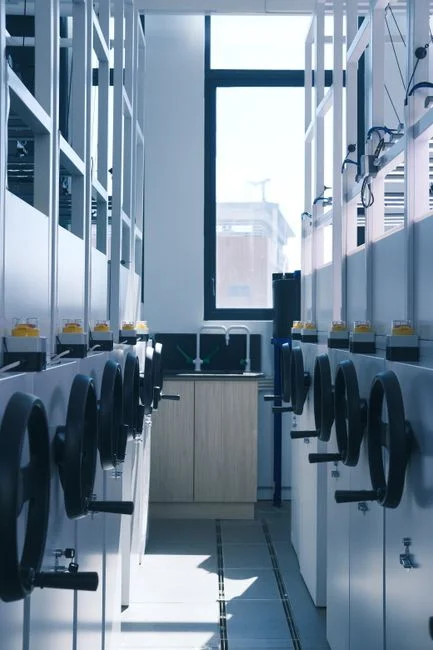
Reactor sizing lives or dies on four numbers: pH, oxidant stoichiometry, contact time, and temperature. Missing the pH window alone can drop the •OH yield by more than 70%, turning a working design into a 1,000 mg/L COD pass-through with no visible failure mode.
pH. Fenton and photo-Fenton demand acidic conditions (2.5–3.5 and 2.5–5.0 respectively) to keep iron in solution. Ozone-based AOPs work best at near-neutral to mildly alkaline pH 7–9 where OH⁻ initiates the radical chain. H₂O₂/UV sits at pH 6–8; photocatalytic TiO₂ at pH 5–7. Holding pH within ±0.3 units of the target typically requires a dedicated PLC-controlled H₂O₂ and Fe²⁺ dosing skid in front of the reactor.
Oxidant stoichiometry. A workable rule of thumb: 1.0–2.5 mg H₂O₂ per mg COD removed for H₂O₂/UV, and 1.5–3.0 mg O₃ per mg COD removed for ozone-based AOPs. Fenton needs roughly 2.0–2.5 mg H₂O₂ per mg COD plus the Fe²⁺ catalyst at the 1:5–1:10 ratio above. WAO is the only variant that is genuinely stoichiometric on dissolved O₂.
Time and temperature. Chemical AOPs typically need 10–60 minutes of contact time; photocatalytic systems run 30–120 minutes; WAO/CWAO need 60–240 minutes at 200–320 °C and 50–150 bar. Photo-Fenton is the only sub-ambient AOP that benefits from heating — 50–80 °C halves the iron dose.
Scavengers. Bicarbonate and carbonate alkalinity are the silent killers of AOP performance. Above about 500 mg/L CaCO₃, the carbonate scavenging rate can exceed 80% of •OH production, forcing acid addition and alkalinity destruction before the reactor. Chloride above 5,000 mg/L also scavenges •OH at meaningful rates. Online iron and manganese monitoring downstream of Fenton AOP — see the online heavy-metals analyzer buyer's guide — is the usual control loop for catalyst bleed.
| Parameter | Fenton | Photo-Fenton | O₃ / O₃-H₂O₂ | H₂O₂/UV | WAO / CWAO |
|---|---|---|---|---|---|
| pH window | 2.5–3.5 | 2.5–5.0 | 7–9 | 6–8 | 2–10 |
| Temperature | 20–40 °C | 50–80 °C | 15–30 °C | 20–35 °C | 200–320 °C |
| Contact time | 30–60 min | 30–90 min | 10–30 min | 15–60 min | 60–240 min |
| Pressure | Atmospheric | Atmospheric | 0.5–2 bar(g) | Atmospheric | 50–150 bar |
| Oxidant/COD (mg/mg) | 2.0–2.5 H₂O₂ | 1.0–1.5 H₂O₂ | 1.5–3.0 O₃ | 1.0–2.5 H₂O₂ | O₂ stoich. |
Selection checklist before you freeze the process choice:
- Measure COD, BOD₅, alkalinity (as CaCO₃), chloride, and TSS on the AOP feed, not only on raw influent.
- Confirm whether iron sludge disposal is acceptable on site; if not, favour O₃/H₂O₂ or H₂O₂/UV over Fenton.
- Check whether residual H₂O₂ must stay below 0.5 mg/L for a downstream membrane.
- Verify UV transmittance if any UV-based variant is on the shortlist.
- Run a jar or bench oxidation curve at the design COD and the worst-case scavenger load.
- Size post-AOP solids removal (DAF or lamella) before you buy the reactor.
- Budget oxidant and electricity OPEX separately from sludge handling — they move independently.
Where AOPs Are Used: Industrial Applications in 2026
AOP polishing is now a default step in five industrial sectors where biological treatment alone fails to meet the discharge number.
Landfill leachate. Mature leachates enter biology at COD 500–2,000 mg/L and leave with 500–1,500 mg/L refractory COD. That exceeds the EU Landfill Directive 1999/31/EC limit of 50 mg/L COD for the recirc/clean-leachate stream and most national reuse thresholds. O₃/H₂O₂ or photo-Fenton polishing to <150 mg/L is now the standard train.
Pharmaceutical and fine-chemical effluent. Parent-compound removal of 70–99% via O₃/H₂O₂ or H₂O₂/UV is increasingly required to meet API (active pharmaceutical ingredient) discharge limits in EU and Indian effluent regulations. O₃/UV is preferred where the influent contains halogenated synthesis intermediates.
Pulp and paper. ECF bleaching effluent and evaporation condensates carry high AOX and colour loads. Photo-Fenton at 50–70 °C achieves 60–90% AOX reduction and 80%+ colour removal without the salt load of an electrochemical alternative.
Textile and dyehouse. Ozone-based AOPs decolourise spent reactive-dye baths in 10–20 minutes; H₂O₂/UV is preferred for low-COD reuse streams. Real OPEX data for textile plants running ozone AOPs sits in the textile wastewater OPEX breakdown for 2026.
Petrochemical and refinery. Sour-water-stripper condensate and spent caustic — high in mercaptans, phenols, and sulphides — are the canonical WAO/CWAO duty at 200–280 °C, where ambient AOPs would demand reactor volumes measured in thousands of m³.
How an AOP Stage Fits Into a Treatment Train
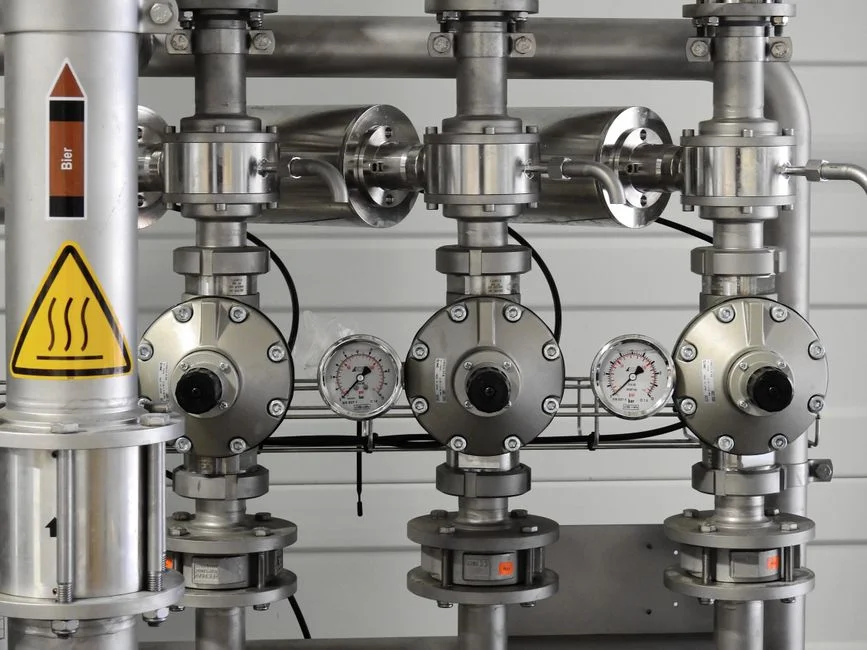
The AOP reactor is almost never the first or the last unit operation. Compact upstream biology — for example an Underground Package Sewage Treatment Plant (WSZ Series) on small municipal or camp flows — still leaves a refractory COD fraction that needs radical oxidation. The standard industrial train in 2026 is:
- Influent → equalisation basin (flow and load dampening, typically 6–12 h HRT)
- Primary clarification (settleable suspended solids)
- Biological treatment — activated sludge, MBBR, or MBR — drops COD from thousands to the 500–5,000 mg/L → 500–1,500 mg/L window
- AOP polishing reactor — Fenton, photo-Fenton, peroxone, or H₂O₂/UV depending on stream chemistry
- Post-AOP clarification: DAF for iron-sludge separation after Fenton AOP, or a lamella clarifier for post-AOP solids and catalyst recovery; DAF surface loading 20–40 m/h handles the iron floc
- Optional carbon polish + UV for residual H₂O₂ quenching and final disinfection
- Optional RO or MBR for reuse duty; AOP effluent must meet TSS <30 mg/L and residual H₂O₂ <0.5 mg/L to keep the membrane alive — see the MBR integrated wastewater treatment unit for the downstream envelope
The AOP reactor itself is the central unit operation: an upward of 95% destruction of the biorecalcitrant fraction typically happens here. Everything downstream is sized to finish, polish, and disinfect rather than to do the heavy oxidation work. On small packaged lines, pairing the same Underground Package Sewage Treatment Plant (WSZ Series) biology with a compact Fenton or peroxone skid keeps civil works short while still hitting a 50–150 mg/L COD discharge band.
Who this is for. Plant engineers and EPC teams sizing polishing for landfill leachate, pharma API residuals, textile colour, pulp AOX, or refinery condensates. Who should look elsewhere. Sites whose secondary effluent already meets the COD limit without radical oxidation, or streams whose load is almost entirely biodegradable BOD. Next step. Send the AOP feed COD, alkalinity, chloride, and target COD so we can shortlist variant and dose; use the AOP process inquiry form with those four numbers attached.
Frequently Asked Questions
What is an AOP system in wastewater treatment?
An AOP system is a treatment stage that generates hydroxyl radicals (•OH, E° ≈ +2.80 V) to oxidise dissolved organics that biological treatment and conventional oxidants cannot break. Commercial AOPs include O₃, O₃/H₂O₂, O₃/UV, H₂O₂/UV, Fenton, photo-Fenton, photocatalytic TiO₂/UV, and wet air oxidation. In industrial plants it almost always sits after biology as a polishing reactor.
What is the Fenton process in wastewater treatment?
The Fenton process is an AOP that uses Fe²⁺ catalysed decomposition of H₂O₂ at pH 2.5–3.5 to generate •OH. Typical dose is 2.0–2.5 mg H₂O₂ per mg COD removed, Fe²⁺:H₂O₂ molar ratio 1:5–1:10, and 30–60 minutes contact time. Removal above 95% is routinely achieved on biorecalcitrant streams up to 5,000 mg/L COD, with iron sludge as the main OPEX trade-off.
When is an AOP needed instead of biological treatment?
Biological treatment handles readily biodegradable organics well. When the influent contains persistent contaminants — pharmaceuticals, pesticides, PFAS, AOX, recalcitrant dyes, phenols — biological effluent COD stalls in the 500–5,000 mg/L range. An AOP is then needed to push COD below the 50–150 mg/L discharge or reuse target.
What pH does an AOP need?
Fenton works at pH 2.5–3.5, photo-Fenton at 2.5–5.0, ozone-based AOPs at pH 7–9, H₂O₂/UV at pH 6–8, and photocatalytic TiO₂ at pH 5–7. Operating outside the design window can cut the •OH yield by 70% or more, so pH control is sized as a dedicated duty, not an afterthought.
How much does an AOP cost to operate?
OPEX is dominated by oxidant and electricity: roughly $0.04–$0.10 per m³ for O₃/UV lamp power, 1.0–2.5 mg H₂O₂ per mg COD removed for H₂O₂/UV, and iron-sludge disposal for Fenton. Sludge handling typically runs 10–20% of the OPEX of a Fenton polishing stage (HydropureWater field data, 2026).