Why Wastewater-to-Biogas Is a 2026 Inflection Point
The global biogas market reached USD 48.3 billion in 2025 and is projected to hit USD 89.7 billion by 2035 at a 6.4% CAGR, with Europe holding 41.7% of revenue (Market.us, 2025). Inside that headline, the wastewater-to-biogas segment is where the procurement dollars are moving in 2026 because of three measurable shifts. First, the European Biogas Association reported in June 2025 that Europe operates 1,678 biomethane plants with 7 bcm of annual capacity, a net addition of 165 plants versus 2024, and 9% year-on-year capacity growth. Second, the biogas upgrading sub-market is expanding at 12.0% CAGR, from USD 1.05 billion in 2025 to USD 2.32 billion by 2032 (Strategic Market Research, 2026) — roughly twice the headline biogas rate. Third, the wastewater-origin stream (municipal sewage sludge plus industrial high-strength effluent) is structurally different from agricultural and landfill-gas streams because influent characteristics drive reactor selection in a way that feedstock-based biogas does not. A buyer evaluating anaerobic digestion manufacturers 2026 shortlists should therefore treat 2026 as a year of fleet consolidation and upgrading retrofit, not just greenfield, and should expect vendor scoring to weight post-digestion dewatering and upgrading integration more heavily than in the 2020–2023 cycle. For context on how decentralized plants are reshaping this build-out, the decentralized wastewater treatment growth rate 2026 analysis shows where mid-scale AD retrofits are clustering.
The 2026 Wastewater-Biogas Key Players, Ranked by Capability
For procurement teams writing a 2026 tender, the shortlist divides cleanly into five functional groups rather than one ranked list. Below is a capability matrix reflecting what each vendor actually delivers, not what their brochures claim. Veolia (Sidem, BioThelys thermal hydrolysis) and Suez (Degremont, CASS) own the European municipal WWTP AD retrofit market and run turnkey EPC at scales above 1,000 m³/d; Suez's 2017 Hong Kong Tai Po plant remains a 2,000 TPD-class reference. Paques, Biothane (Veolia-owned), EnviroChemie, ADI Systems, and Ovivo (formerly GL&V) are the anaerobic reactor OEMs — Biothane for EGSB, Paques for UASB/IC, Ovivo for mixed CSTR/IC. Cambi, Hitachi Zosen Inova (Kompogas), Anaergia, and Bioenergy Devco control the high-solids pretreatment layer that most equipment guides underplay; Anaergia's Rialto Bioenergy Facility is the largest 2,000 TPD food-waste-to-biogas plant in North America. Wärtsilä (gas engines, CHP), Air Liquide/Carbotech (water scrubbing, membrane), SysAdvance (PSA/membrane), and Pentair X-Flow (membrane separation) own the upgrading and end-use conversion. Xylem/Idrica, Suez's Aquadvanced, and Veolia's Hubgrade are the digital O&M platforms that legacy owners now factor into tender scoring as a 2026 differentiator. Front-end integration of a DAF system for FOG and suspended solids removal with a plate and frame filter press for post-digestion dewatering is the binding interface most vendor comparisons under-spec.
| Group | Leading 2026 vendors | Core capability | Typical project scale |
|---|---|---|---|
| A — Turnkey EPC / utilities | Veolia, Suez | Municipal WWTP AD retrofit, thermal hydrolysis integration | 1,000–2,000 TPD biosolids |
| B — AD reactor OEMs | Paques, Biothane (Veolia), Ovivo, EnviroChemie, ADI Systems | UASB, EGSB, IC, CSTR reactor supply | 5,000–50,000 mg/L COD influent |
| C — Sludge-to-biogas specialists | Cambi, Hitachi Zosen Inova, Anaergia, Bioenergy Devco | High-solids pretreatment (THP, dry AD), feedstock mixing | 200–2,000 TPD organic input |
| D — Upgrading & engine OEMs | Wärtsilä, Air Liquide/Carbotech, SysAdvance, Pentair X-Flow | Water scrubbing, PSA, membrane, gas engine CHP | <3,000 Nm³/h typical flow |
| E — Digital O&M platforms | Xylem/Idrica, Suez Aquadvanced, Veolia Hubgrade | SCADA, predictive maintenance, energy optimization | Plant-wide retrofit |
Anaerobic Digestion Reactor Selection: Matching the Vendor to the Wastewater
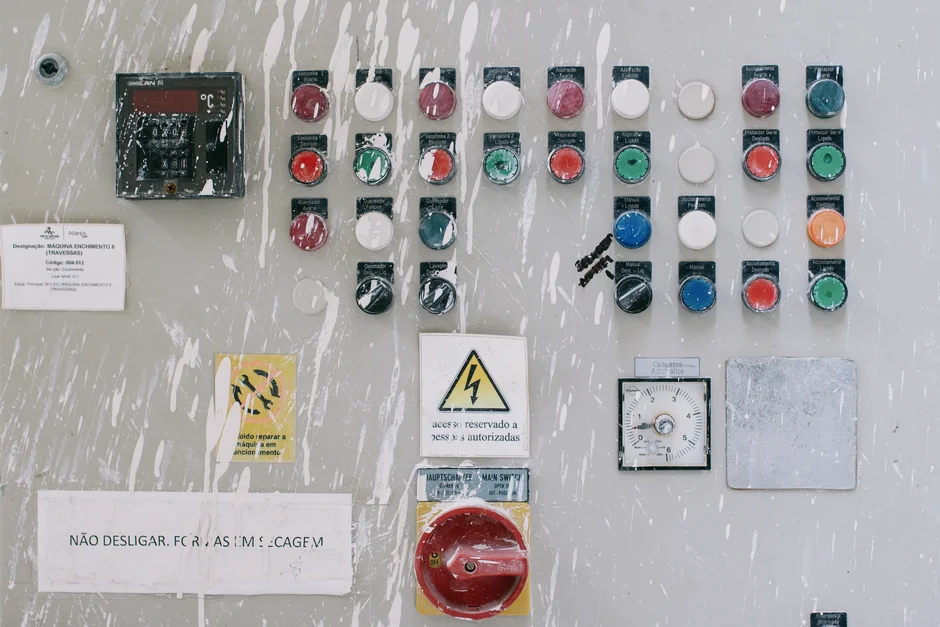
Reactor type is dictated by influent characteristics, not by vendor preference, and the 2026 RFP that compares vendors on nameplate capacity alone is a procurement error. UASB reactors target 5,000–15,000 mg/L soluble COD with TSS below 1,500 mg/L, typical of brewery and food processing effluent; EGSB handles a similar COD window but at upflow velocities of 6–12 m/h, which is the right pick when footprint is constrained; IC (internal circulation) reactors dominate the 15,000–50,000 mg/L soluble COD range at high loading rates and are the workhorse for sugar, starch, and pulp streams; CSTR handles slurries with 3–10% total solids — dairy, food processing, slaughterhouse. Paques, Biothane, and Anaergia all license different geometries, so the comparison should be on site-specific COD, temperature (mesophilic 35–38°C vs thermophilic 50–55°C), and hydraulic retention time rather than on reactor nameplate. Two more engineering realities are routinely missed. First, most vendor failures are pretreatment gaps, not reactor failures: a rotary bar screen for fibrous debris removal upstream of a DAF system for FOG and suspended solids removal is the actual binding constraint on UASB/IC uptime. Second, Cambi thermal hydrolysis is the dominant high-solids path above 20% DS, and without THP, conventional CSTRs plateau at 40–50% VS destruction versus more than 55% with THP — a 5–15 percentage-point swing that directly changes biogas yield per ton of sludge.
| Reactor type | Soluble COD range (mg/L) | TS tolerance | Typical HRT | Best-fit vendors (2026) |
|---|---|---|---|---|
| UASB | 5,000–15,000 | <1,500 mg/L TSS | 4–12 h | Paques, ADI Systems |
| EGSB | 5,000–20,000 | <2,000 mg/L TSS | 2–6 h | Biothane (Veolia) |
| IC | 15,000–50,000 | <3,000 mg/L TSS | 1–4 h | Paques, Ovivo |
| CSTR | 10,000–60,000 (slurry) | 3–10% TS | 15–30 d | Hitachi Zosen Inova, Anaergia |
| CSTR + THP (Cambi) | Sludge 20–28% DS feed | >20% DS | 15–25 d post-THP | Cambi, Veolia BioThelys |
Biogas Upgrading Technology in 2026: Water Scrubbing vs PSA vs Membrane vs Cryogenic
Upgrading is where most 2026 RFPs go wrong, because the choice is driven by the end-use purity spec, not by the technology fashion of the year. Water scrubbing remains dominant for grid injection, with 96–99% CH₄ recovery, low OPEX at the cost of water treatment, and a sweet spot below 3,000 Nm³/h — Carbotech, Greenlane, and Chinese integrators lead this segment. Pressure swing adsorption (PSA) suits smaller flows and lower purity requirements at 95–98% CH₄ with lower capex but higher CH₄ slip; SysAdvance and the former Xebec (now Chart) are the named OEMs. Membrane separation is compact, modular, and best for landfill gas with high CO₂, with single-stage CH₄ recovery of 90–95%; Pentair X-Flow and Air Liquide Medal supply this route. Cryogenic upgrading remains niche but is growing for bio-LNG vehicle fuel where a liquefaction step is already present, with Prometheus Fuels and small EU cryo-upgrading firms as the named developers. The selection rule of thumb for 2026: grid injection → water scrubbing; CNG fueling at small scale → PSA or membrane; LNG/vehicle at large scale → cryogenic combined with liquefaction. These rules map directly to the European 1,678-plant fleet operating in 2026.
| Upgrading route | CH₄ recovery | Output purity | Best-fit end-use | Named 2026 OEMs |
|---|---|---|---|---|
| Water scrubbing | 96–99% | >97% CH₄ | Grid injection | Carbotech, Greenlane, Air Liquide |
| PSA | 85–95% | 95–98% CH₄ | Small-scale CHP, CNG fueling | SysAdvance, Chart (Xebec) |
| Membrane | 90–95% (single-stage) | 95–98% CH₄ | Landfill gas, modular retrofits | Pentair X-Flow, Air Liquide Medal |
| Cryogenic | 97–99% | >99% CH₄ | Bio-LNG vehicle fuel | Prometheus Fuels, EU cryo OEMs |
What Industrial Buyers Should Validate Before Signing a 2026 Vendor
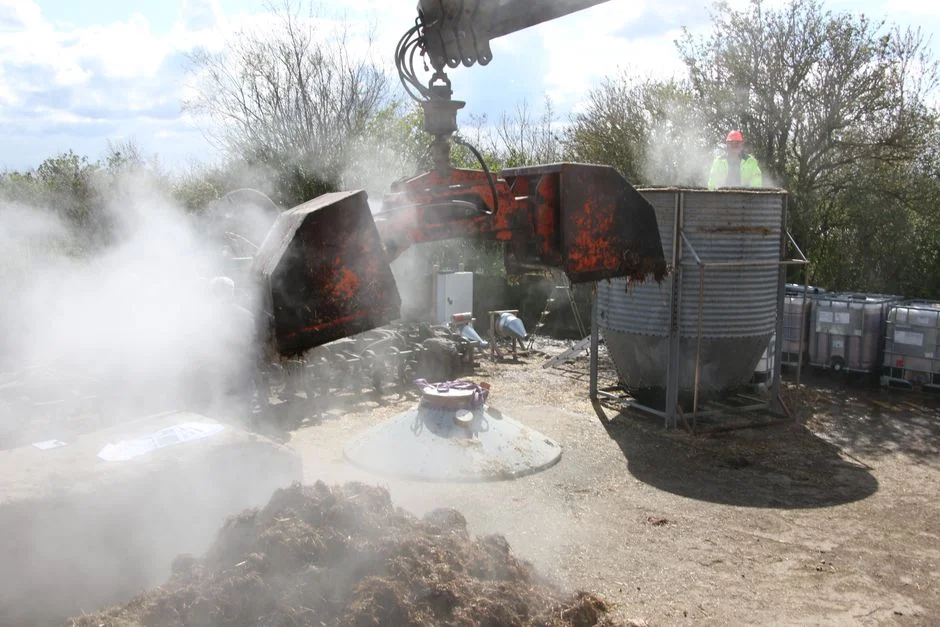
A 2026 tender is only as good as its due-diligence list, and four checks separate a working plant from a stranded asset. First, demand at least three reference sites in the same influent class, not just the same country — under-loaded reference sites are the leading cause of post-commissioning underperformance because the reactor was sized against a different COD window. Second, verify biomethane yield (Nm³ CH₄/kg COD removed) against vendor claims using third-party lab testing on actual wastewater; jar tests and BMP assays should precede tender selection, not follow it. Third, confirm whether the vendor owns its upgrading technology or licenses it — owned-tech vendors (Paques, Anaergia, Cambi) have stronger lifetime support, while licensed-tech vendors face end-of-life risk on the licensed component when the licensor exits the segment. Fourth, inspect the dewatering and biosolids interface; most AD tenders under-spec the post-digestion dewatering step, and a plate and frame filter press for post-digestion dewatering is the binding constraint on overall plant throughput, not the digester itself. For lifecycle OPEX on the dewatering side, the screw press maintenance cost in 2026 dataset is the cleanest comparison point a tender team can hand to finance.
Frequently Asked Questions
Who are the top wastewater-to-biogas key players in 2026? The named shortlist is Veolia, Suez, Xylem (with Idrica), Wärtsilä, Anaergia, Hitachi Zosen Inova, Bioenergy Devco, Cambi, Ovivo, and Paques — segmented across turnkey EPC, AD reactor OEM, sludge-to-biogas specialists, upgrading technology, and digital O&M platforms.
Which AD reactor is best for high-strength industrial wastewater? Match the reactor to the influent: UASB for 5,000–15,000 mg/L soluble COD, EGSB for the same COD window with footprint pressure, IC for 15,000–50,000 mg/L streams, and CSTR for 3–10% TS slurries. For high-solids sludge above 20% DS, CSTR with Cambi THP is the dominant 2026 path.
How large is the biogas upgrading market in 2026? The upgrading sub-market was USD 1.05 billion in 2025 and is projected to reach USD 2.32 billion by 2032, a 12.0% CAGR — roughly double the headline biogas market rate of 6.4% (Strategic Market Research, 2026).
How many biomethane plants are operating in Europe in 2026? Per the European Biogas Association's June 2025 report, Europe operates 1,678 biomethane plants with 7 bcm of annual capacity, a net addition of 165 plants versus 2024.
What pretreatment is required before anaerobic digestion? Standard pretreatment is rotary bar screening for fibrous debris, dissolved air flotation (DAF) for FOG and suspended solids removal (typical flow range 4–300 m³/h per HydropureWater DAF line), and flow equalization to dampen COD swings before the reactor. Under-specifying these three steps is the most common cause of AD underperformance in 2026 retrofits.