Why Slaughterhouse Effluent Is Hard to Strip of Nitrogen
Slaughterhouse wastewater typically enters the treatment plant with TKN of 100–800 mg/L, NH₄-N of 50–500 mg/L, and COD of 1,000–3,500 mg/L — numbers that shift sharply across beef, poultry, and pork plants depending on blood recovery, paunch handling, and clean-in-place schedules. Beef kill floors run the highest in TKN because of blood losses; poultry plants trend lower in COD but spikier in NH₄-N from chiller overflow; pork sits in the middle but generates the most FOG. After dissolved air flotation and 3–6 mm screening strip fats and suspended solids, the residual C/N ratio frequently drops below 5:1, which is the threshold below which heterotrophic denitrifiers run out of electron donor and the operator is forced to dose methanol, acetate, or glycerol to keep NO₃-N in check. Temperature compounds the problem: the nitrification rate halves for every 6–10 °C drop below 20 °C and stalls meaningfully below 10 °C, which matters for plants that idle lines overnight or operate in cold-climate jurisdictions. pH is the second silent killer — nitrification consumes 7.14 mg/L of alkalinity as CaCO₃ per g NH₄-N oxidized, so an unaerated stream climbing past pH 8.5 from ammonia stripping will inhibit Nitrosomonas and push effluent NH₄-N above 20 mg/L inside a single shift. Despite all of this, the Bioprocess & Biosystems Engineering SBR study confirms 91–95% TN removal is achievable on real slaughterhouse feed under low-DO intermittent aeration, which is why a properly designed biological train remains the baseline against which every alternative is measured (per the 2025 Bioprocess & Biosystems Engineering lab-scale SBR study).
The Core Biological Pathways: Nitrification and Denitrification Explained
Nitrification is a two-step autotrophic oxidation carried out by Nitrosomonas and Nitrobacter: NH₄-N → NO₂-N → NO₃-N, with a stoichiometric demand of 4.57 g O₂ and 7.14 mg/L alkalinity as CaCO₃ per gram of NH₄-N oxidized. That ratio sets the aeration blower sizing and the caustic or lime feed rate for the equalization basin, and it is why alkalinity supplementation is a non-negotiable line item in any slaughterhouse upgrade. Denitrification is the heterotrophic reduction of NO₃-N to N₂ gas, and it consumes 2.86 g COD per gram of NO₃-N removed under conventional stoichiometry — which is precisely why the influent C/N ratio is the single most important control variable in the whole plant. When the C/N falls under 5, the operator shifts to an external carbon dose that typically lands in the 2.5–3.5 g COD per g NO₃-N range to account for biomass yield losses. Shortcut nitrification–denitrification, where partial nitritation is coupled to anammox, can theoretically cut aeration energy by 50–60% and eliminate external carbon, but as of 2026 it remains pilot-scale for slaughterhouse streams because the high free-ammonia environment (often 10–30 mg/L NH₃-N in concentrated blood water) that suppresses nitrite oxidizers is intermittent and hard to hold in the window anammox needs. Free ammonia itself becomes toxic to nitrifying bacteria above 10–15 mg/L NH₃-N, a real failure mode in undiluted paunch-manure or blood sidestreams that bypass equalization.
Reactor Options Compared: A/O, SBR, MBBR, and MABR
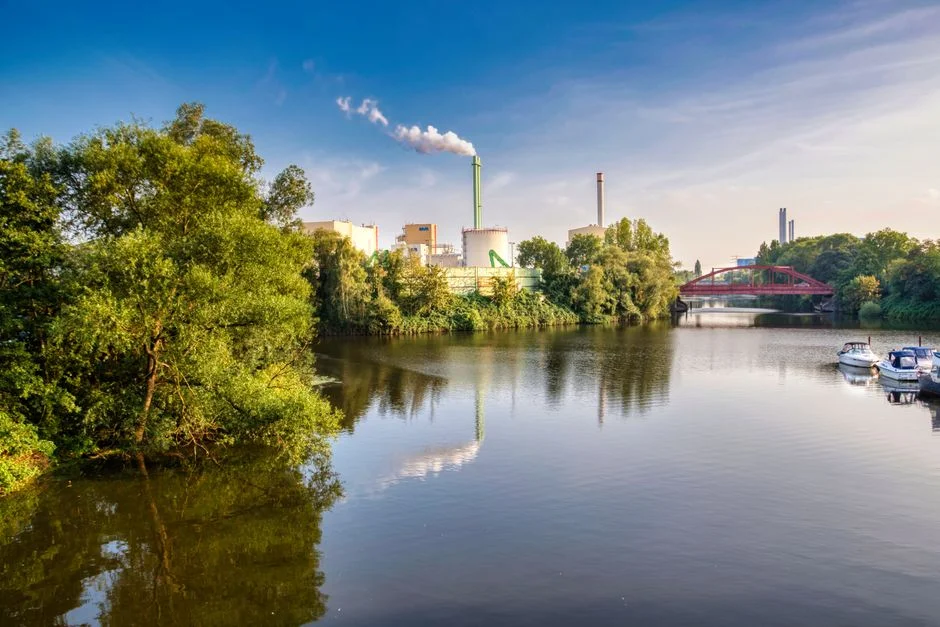
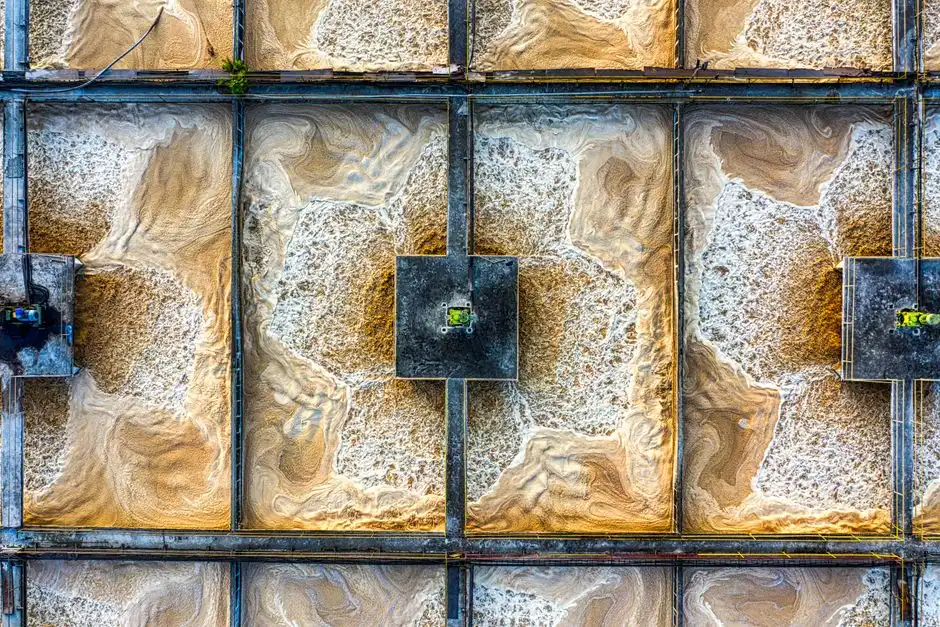
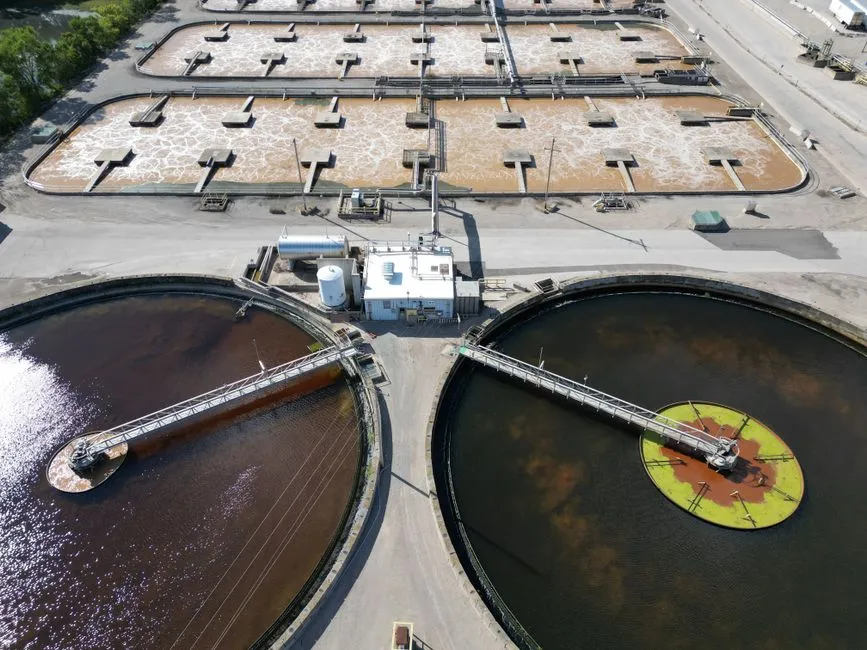
Four reactor geometries dominate 2026 slaughterhouse nitrogen upgrades, and the choice between them is driven by flow rate, available footprint, and the target effluent TN. Conventional A/O (anoxic + aerobic) suspended-growth systems run at HRT of 18–36 hours with MLSS of 3,000–5,000 mg/L and SRT of 15–30 days, delivering 70–85% TN removal at the cost of a large basin footprint. Sequencing batch reactors (SBR) operated under intermittent low-DO aeration — peak 10% saturation, hold 2–3% saturation — have demonstrated 91–95% TN removal in the Bioprocess & Biosystems Engineering study, and they fit plants under 5,000 m³/day where one tank can be sequenced through fill, anoxic, aerate, settle, and decant phases. Moving Bed Biofilm Reactors (MBBR) shorten HRT to 8–16 hours, hold biomass on free-floating carriers at 30–70% fill, and deliver 75–90% TN removal in a basin 40–60% smaller than the equivalent A/O — the operating numbers are worked out in detail in the MBBR for slaughterhouse wastewater 2026 cost guide. Membrane Aerated Biofilm Reactors (MABR) push the envelope further with counter-diffusion biofilms that breathe through hollow-fiber membranes at HRT of 6–12 hours, achieving 80–92% TN with 40–55% lower aeration energy than fine-bubble systems. The trade-off matrix below is the one to put in front of procurement.
| Parameter | A/O suspended | SBR (low-DO) | MBBR | MABR |
|---|---|---|---|---|
| HRT (h) | 18–36 | 24–48 | 8–16 | 6–12 |
| SRT (d) | 15–30 | 20–40 | Attached (no sludge wasting) | Attached (no sludge wasting) |
| DO setpoint | 1.5–2.5 mg/L | 2–10% sat (≈0.2–0.8 mg/L) | 2–4 mg/L | <0.5 mg/L internal |
| Biomass hold | MLSS 3,000–5,000 mg/L | MLSS 3,500–6,000 mg/L | Carrier fill 30–70% | Membrane surface area, ~150–250 m²/m³ |
| Footprint index (m² per m³/d) | 0.8–1.2 | 0.5–0.8 | 0.3–0.5 | 0.2–0.4 |
| Achievable TN removal | 70–85% | 91–95% | 75–90% | 80–92% |
| External carbon required | Yes, if C/N < 8 | Yes, if C/N < 8 | Yes, if C/N < 8 | Often reduced 20–40% |
The C/N Ratio Decision Tree: When to Dose External Carbon
The C/N ratio is the variable that makes or breaks denitrification, and the decision logic is straightforward once you have a week of paired influent and effluent data. If the pre-aeration basin C/N stays above 8, no external carbon is needed and the operator can hold methanol storage empty. If C/N lands between 5 and 8, dose glycerol or acetate at 2–3 g COD per gram of NO₃-N removed — glycerol is the cheap option at plants co-located with a rendering operation because the byproduct is already on site. If C/N falls below 5, the realistic answer is methanol at 2.86 g COD per g NO₃-N, recognizing that methanol adds USD 0.10–0.18 per kg N removed at 2026 spot prices and that storage and dosing skids become permanent equipment. The operational symptom of carbon limitation is unambiguous: effluent NO₃-N rises while effluent NH₄-N stays stable or drops, and effluent COD climbs in lockstep because the denitrifiers have stopped pulling carbon out of solution. A useful warning comes from the purple phototrophic bacteria study on slaughterhouse water, where N removal collapsed from 70% to 14% when the system shifted from light-driven photoheterotrophic metabolism to dark chemoheterotrophic conditions — a reminder that any process which decouples carbon oxidation from nitrogen reduction will hemorrhage performance (per the 2025 purple phototrophic bacteria batch study).
Pre- and Post-Treatment Around the Biological Train
The nitrogen train is only as stable as the unit operations in front of and behind it. On the front end, a rotary bar screen for slaughterhouse headworks at 3–6 mm aperture protects downstream carriers and membranes from paunch solids and bone fragments, while a slaughterhouse DAF system for FOG and suspended solids pulls fats below 50 mg/L before they coat biofilm surfaces and choke aeration. Equalization over 8–24 hours with pH correction to 7.0–8.0 keeps the nitrifier population from oscillating with each shift change. On the back end, an MBR system for nitrogen-removal polishing or a cloth-media filter drops TSS below 10 mg/L so the final ClO2 disinfection for treated slaughterhouse effluent step hits a clean target. For high-strength side streams — paunch manure, blood water, rendering condensate — electrocoagulation–electroflotation at 10–20 mA/cm² with Fe/Al electrodes delivers up to 77.5% TKN removal as a polishing or pre-equalization step (per the 2021 Springer electrocoagulation–electroflotation RSM study), and it is the right call whenever a sidestream is more than 3× the strength of the main plant flow.
2026 Cost Envelope: CAPEX and OPEX by Reactor Type
Procurement will not sign off on a nitrogen upgrade without a defensible cost envelope, and the 2026 numbers below are the ones to put in the capital request. A/O suspended sludge remains the cheapest to build at USD 60–110 per m³/day treated but runs higher on OPEX at USD 0.18–0.32 per m³ because of the external carbon dose, the larger blower, and the sludge hauling line. SBR with low-DO control lands at USD 85–140 per m³/day CAPEX and USD 0.20–0.35 per m³ OPEX, with the higher controls cost partially offset by the smaller basin. MBBR sits at USD 90–160 per m³/day CAPEX and USD 0.15–0.28 per m³ OPEX, which is the most competitive option where footprint is the binding constraint — the build-up is detailed in the MBBR for slaughterhouse wastewater 2026 cost guide. MABR is the most expensive to install at USD 110–200 per m³/day but the cheapest to run at USD 0.10–0.20 per m³ because of the 40–55% aeration energy reduction, and the MABR Operating Cost in 2026: Real OPEX Breakdown & Savings vs MBR article runs the full energy comparison. For a 2,000 m³/day plant paying down capital over 15 years, the 20-year TCO spread between A/O and MABR narrows to under 12%, and MABR often wins on TCO at sites with electricity above USD 0.11/kWh — the methodology is laid out in the Total Cost of Ownership Wastewater Plant: 2026 TCO Breakdown.
| Reactor | CAPEX (USD/m³/day) | OPEX (USD/m³) | 20-yr TCO index (A/O = 1.00) | Best fit |
|---|---|---|---|---|
| A/O suspended | 60–110 | 0.18–0.32 | 1.00 | Lowest CAPEX, large footprint OK |
| SBR (low-DO) | 85–140 | 0.20–0.35 | 1.05–1.10 | Flows < 5,000 m³/d, batch flexibility |
| MBBR | 90–160 | 0.15–0.28 | 0.95–1.05 | Footprint constrained, retrofit |
| MABR | 110–200 | 0.10–0.20 | 0.90–1.00 | High electricity cost, > 10-yr hold |
Frequently Asked Questions
What is the typical achievable TN removal for a slaughterhouse wastewater nitrogen removal process in 2026? A well-tuned SBR at low dissolved oxygen delivers 91–95% TN removal, while MBBR and MABR trains land in the 75–92% range and conventional A/O systems sit at 70–85% (per the 2025 Bioprocess & Biosystems Engineering SBR study).
How much methanol is required when the C/N ratio is below 5? Dose methanol at 2.86 g COD per gram of NO₃-N removed, which translates to roughly 3.0–3.5 L of methanol per kg of NO₃-N treated after accounting for biomass yield, and budget USD 0.10–0.18 per kg N removed at 2026 prices.
Is MABR worth the higher CAPEX over MBBR for a 2,000 m³/d plant? MABR CAPEX runs USD 110–200 per m³/day versus USD 90–160 for MBBR, but the 40–55% aeration energy saving drops OPEX to USD 0.10–0.20 per m³ — the full build-up is in the MBBR for slaughterhouse wastewater 2026 cost guide.
What influent parameters trigger the need for external carbon dosing? When the post-DAF C/N ratio drops below 8, denitrification becomes carbon-limited; below 5, methanol dosing is the standard correction and storage of 10–20 days of supply at the dose rate is normal practice.
Related Equipment
- automatic chemical dosing for methanol or caustic — specifications, capacity range, and technical data