Why Sulfide Discharge Compliance Fails — and What 2026 Demands
A 2024 enforcement action against a Shanxi coking plant illustrates the cost of getting sulfide management wrong: routine community odor complaints traced back to a malfunctioning ammonia still led to a 1.8 million RMB fine under the amended Air Pollutant Emission Standard GB 14554-2024, which tightened volatile sulfide limits at the boundary of coking battery facilities. Sulfide is a doubly problematic parameter for EHS and process engineers because it presents compliance risk in two phases simultaneously: as dissolved ionic species (HS⁻ and S²⁻) in the effluent stream, and as volatile hydrogen sulfide H₂S wastewater gas that strips from any open surface, wet well, or headworks launder channel. Unlike COD or TSS, sulfide actively interferes with downstream biological treatment — influent concentrations of 50–200 mg/L inhibit nitrifying bacteria and methanogens, collapsing ammonia removal and producing secondary compliance failures. In 2026, the parallel tightening of EU Industrial Emissions Directive BAT conclusions for refining and chemical sectors, combined with China's GB 21523-2024 pharmaceutical/chemical sector revisions, has narrowed the operational margin to 0.5–1.0 mg/L total sulfide at the discharge point. This article consolidates the three pieces a 2026 compliance program requires — the binding numerical limits per jurisdiction, the preservation-aware sampling protocol, and a defensible treatment train sized to influent concentration.
Sulfide Chemistry: H₂S, HS⁻, and S²⁻ Equilibrium at Industrial pH
Sulfide in water is not a single species but a pH-dependent equilibrium that determines both toxicity and treatability. The first dissociation constant pKa1 = 7.04 (at 25 °C) and pKa2 ≈ 12.9 define three operating regimes: below pH 7, more than 50% of total sulfide exists as dissolved H₂S gas that readily volatilizes; between pH 7 and pH 12, the bisulfide ion HS⁻ dominates; only above pH ~12 does the sulfide ion S²⁻ become the principal species. Most industrial wastewater sits in the pH 6–9 range, which is precisely where the equilibrium is most sensitive — a 0.5 pH unit shift can double the H₂S fraction at the air-water interface. Temperature and salinity shift the equilibrium further: at 35 °C and 1% salinity (typical of refinery desalter brine or coking ammonia still overhead), pKa1 drops to approximately 6.8, meaning warm industrial streams release 20–30% more H₂S at any given pH than 25 °C laboratory data would predict. Reporting conventions also matter: laboratory analyzers typically report "total sulfide" after acid-driven conversion of all species to H₂S, but field measurement reflects whichever species dominates at the in-pipe pH — a critical distinction for mass-balance calculations. Standard Methods 4500-S²⁻ D (methylene blue) and 4500-S²⁻ F (ion-selective electrode) remain the reference methods; both require sample preservation with zinc acetate at pH ≥7 to fix sulfide as insoluble ZnS prior to analysis.
| pH at 25 °C | H₂S (aq) % | HS⁻ % | S²⁻ % | Treatment implication |
|---|---|---|---|---|
| 5.0 | ~99 | ~1 | ~0 | Stripping risk; immediate pH correction |
| 7.0 | ~50 | ~50 | ~0 | Maximum sensitivity zone |
| 8.0 | ~9 | ~91 | ~0 | Acceptable for in-pipe control |
| 9.0 | ~1 | ~99 | ~0 | Suppressed H₂S volatilization (<1%) |
| 12.0 | ~0 | ~87 | ~13 | Required for S²⁻-dominated precipitation |
The operational consequence is straightforward: maintaining pH ≥9 with NaOH or lime dosing via an automatic pH and FeCl₃ chemical dosing system suppresses more than 99% of H₂S volatilization, which is the engineering basis for in-pipe sulfide control at the headworks.
2026 Sulfide Discharge Standards by Country and Industry
The single most-frequently searched data block on this topic is the country-by-country limit matrix, and as of early 2026 no SERP result consolidates it in one place. The table below covers the principal industrial jurisdictions and the relevant sector categories. The headline numbers: GB 8978 sulfide limit in China sets total sulfide at 1.0 mg/L for Class I/II surface water discharge, with GB 21523-2024 tightening volatile sulfide for pharmaceutical and chemical sectors; US 40 CFR 419 sets a 1.0 mg/L daily maximum for petroleum refining, with category-specific values under 40 CFR 418 (fertilizer) and 40 CFR 430 (pulp and paper); the EU BAT-AEL petrochemical sulfide range of 0.5–1.0 mg/L is enforced through Industrial Emissions Directive 2010/75/EU and the 2016 Common Waste Water and Waste Gas Treatment BREF; India's CPCB Schedule VI sets 0.5 mg/L for inland surface water and 5.0 mg/L for coastal discharge; Vietnam QCVN 40:2011/BTNMT Column B sets 1.0 mg/L for industrial effluent; and Australia's NEPM refinery guideline sits at 0.5 mg/L total sulfide. For any reuse or indirect potable scenario, the WHO drinking water guideline of 0.05 mg/L as H₂S is the binding floor — a limit that is essentially unattainable without reverse osmosis or advanced oxidation polishing.
| Jurisdiction | Standard / Reference | Sector | Total sulfide limit (mg/L) | Notes |
|---|---|---|---|---|
| China | GB 8978-1996 | General industrial, Class I/II | 1.0 | First-tier effluent |
| China | GB 21523-2024 | Pharmaceutical & chemical | 0.5 (volatile) | Tightened 2024 |
| USA | 40 CFR 419 | Petroleum refining | 1.0 (daily max) | 30-day avg 0.5 |
| USA | 40 CFR 430 | Pulp & paper | Category-specific | 0.2–1.0 by subcategory |
| EU | IED 2010/75/EU BAT-AEL | Refining & chemical | 0.5–1.0 | BAT-AEL range |
| India | CPCB Schedule VI | Inland surface water | 0.5 | Coastal: 5.0 |
| Vietnam | QCVN 40:2011/BTNMT | Industrial (Column B) | 1.0 | Source control required |
| Australia | NEPM refinery | Refinery wastewater | 0.5 | Total sulfide |
| WHO | Drinking water guideline | Reuse / potable | 0.05 (as H₂S) | Lowest binding threshold |
For context on parallel parameter families, the fluoride discharge standard 2026 guide uses a comparable jurisdiction matrix for a different parameter.
Industrial Sources of Sulfide Wastewater
Source category dictates both the influent concentration band a treatment train must handle and the unit operations upstream of biological treatment. Refinery desalter brine and sour water stripper bottoms typically carry 5–50 mg/L total sulfide; coking and coal chemical ammonia still wastewater is one of the highest-volume sources at 100–500 mg/L, frequently co-mingled with high NH₃-N and cyanide; tannery unhairing liquors using Na₂S or NaHS run 20–200 mg/L; kraft mill green liquor and black liquor evaporator condensates contribute 50–300 mg/L; viscose rayon spinning bath wastewater is the most extreme case at 1,000–5,000 mg/L and typically requires source segregation; and anaerobic digester centrate from food processing or brewery operations contributes 10–100 mg/L to the headworks load. The 100-fold spread between the lowest and highest source categories is the single most important number for treatment selection: a train sized for refinery desalter will fail on coking ammonia still, and a viscose source cannot be discharged without pre-segregation. The table below summarizes typical influent bands and the matching treatment philosophy.
| Industry / Source | Typical influent total sulfide (mg/L) | Dominant species at plant pH | Treatment priority |
|---|---|---|---|
| Petrochemical refinery (desalter, SWS bottoms) | 5–50 | HS⁻ | Precipitation + DAF |
| Coking / coal chemical (ammonia still) | 100–500 | HS⁻ / S²⁻ | Stripping + biological oxidation |
| Tannery (unhairing liquor) | 20–200 | HS⁻ / S²⁻ | Source segregation + oxidation |
| Pulp & paper (kraft condensates) | 50–300 | HS⁻ | Biological sulfide oxidation |
| Viscose rayon (spinning bath) | 1,000–5,000 | S²⁻ | Pre-segregation + stripping |
| Food / digester centrate | 10–100 | H₂S / HS⁻ | pH elevation + FeCl₃ |
Sampling and Analytical Methods That Pass 2026 Audit Scrutiny
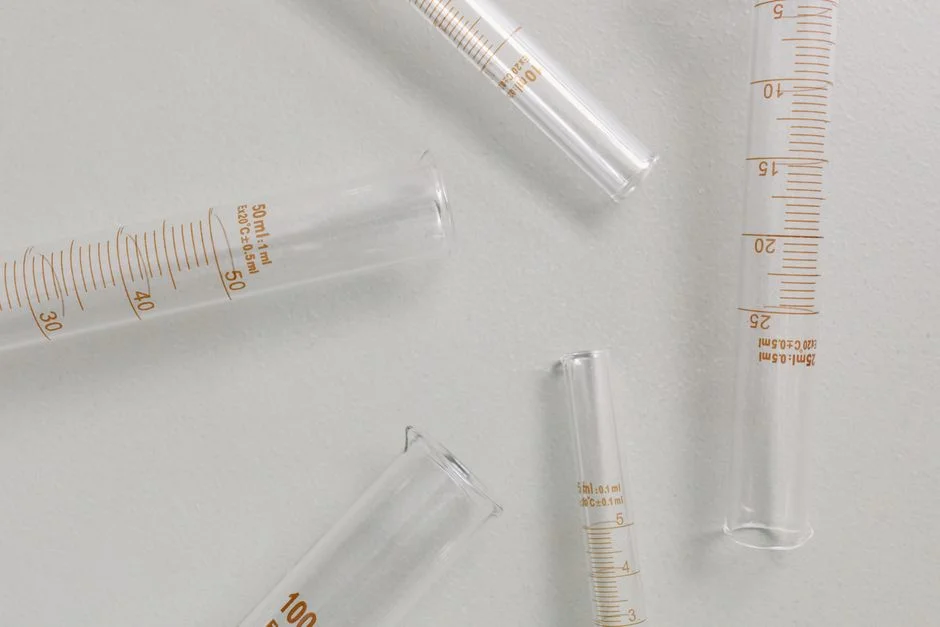
The most common cause of contested sulfide exceedances is not a treatment failure but a sampling artifact. Unpreserved sulfide samples lose 30–60% of their true value within the first hour of exposure to atmospheric oxygen through both H₂S volatilization and oxidative conversion to sulfate, which means that the laboratory report reaching the regulator routinely understates actual plant discharge. Standard Methods 4500-S²⁻ prescribes immediate addition of zinc acetate to fix sulfide as insoluble ZnS, plus NaOH to maintain pH ≥9, on the same sample stream used for collection. Hold time after preservation is 7 days at 4 °C; without preservation, the analytical window collapses to 4 hours, which is rarely achievable when samples are couriered to a third-party lab. A useful calibration reference is the CPI International 1,000 ppm S²⁻ preserved standard, supplied at pH ≥7 with a sodium-based preservative and used as the working stock for both methylene blue and ion-selective electrode methods. The operational SOP should require: (1) sample collection into a sealed, gas-tight vessel with zero headspace; (2) immediate zinc acetate/NaOH addition at the sampling point; (3) chain-of-custody logging of preservation time and pH; and (4) on-line sulfide analyzers — either Ag/AgCl voltammetric or gas-sensing membrane — installed at the headworks to provide a continuous load profile that the discrete lab result can be cross-checked against. The 2026 compliance audit will look for exactly this preservation protocol; its absence is the fastest path to invalidated data. For analyzer selection criteria, the sulfide online monitoring system buyer's guide provides a 2026 spec comparison.
Treatment Technologies: From Chemical Precipitation to Biological Oxidation
A defensible 2026 treatment train is selected by influent band, not by analogy to other parameters. The five-stage decision tree below maps unit operations to the concentration range they handle efficiently, with the cost-effective combination of precipitation, DAF, and biological oxidation covering roughly 90% of industrial cases. Stage 1 — pH elevation to ≥9 with NaOH or lime via an automatic pH and FeCl₃ chemical dosing system — suppresses H₂S volatilization and converts the equilibrium toward HS⁻/S²⁻ for downstream precipitation. Stage 2 — FeCl₃ sulfide precipitation at a stoichiometric ratio of 2.5–3.0× Fe²⁺:S²⁻ produces FeS sludge and achieves 85–95% removal across the 20–100 mg/L influent band; FeSO₄ is acceptable for tighter sludge handling constraints but generates roughly 15% more sludge mass. Stage 3 — oxidation options: H₂O₂ or Fenton chemistry is effective but costs USD 1.50–3.00 per kg S²⁻ removed above 100 mg/L influent; ClO₂ at 1.5–2.0 mg ClO₂ per mg S²⁻ is preferred for refinery desalter polishing where residual chlorine must be controlled. Stage 4 — biological sulfide oxidation using Thiobacillus-dominated moving-bed biofilm or MBBR systems delivers 70–90% removal with air or pure O₂ supply at 4–6 mg/L dissolved oxygen; this is a mature, low-opex option for petrochemical and coking applications and can be housed in an MBR membrane bioreactor system where downstream solids separation matters. Stage 5 — DAF polishing after FeCl₃ precipitation removes colloidal FeS carryover, with the dissolved air flotation system available in 4–300 m³/h capacities for the typical 20–200 m³/h industrial flow band. For very high-strength viscose or coking wastewater above 500 mg/L, two-stage steam stripping followed by wet air oxidation is the only economically defensible route.
| Stage | Unit operation | Influent band (mg/L) | Typical removal | Key operating parameter |
|---|---|---|---|---|
| 1 | pH elevation (NaOH / lime) | All | H₂S gas suppressed >99% | pH ≥9.0 |
| 2 | FeCl₃ precipitation | 20–100 | 85–95% | Fe²⁺:S²⁻ = 2.5–3.0:1 |
| 3 | ClO₂ or H₂O₂ oxidation | 50–200 | 90–98% | 1.5–2.0 mg ClO₂ / mg S²⁻ |
| 4 | Biological sulfide oxidation (MBBR / MBR) | 20–500 | 70–90% | DO 4–6 mg/L, HRT 6–12 h |
| 5 | DAF polishing | Post-precipitation | Colloidal FeS removal | Hydraulic loading 4–25 m/h |
| 6 | Two-stage stripping + wet oxidation | >500 | 95–99% | Steam 0.2–0.4 t / t wastewater |
Designing a Compliance-Ready Sulfide Removal Train: 2026 Workflow
The five-step engineering and compliance workflow below has been applied to petrochemical, coking, and tannery facilities in 2025–2026 and is the practical implementation of the preceding sections. Step 1 — characterize the influent: 24-hour composite sampling for sulfide, pH, temperature, and ORP at the headworks, repeated across at least one production cycle, to size equalization and dose setpoints. Step 2 — install on-line sulfide monitoring at both the headworks influent and the post-treatment effluent; the analyzer at the headworks drives the FeCl₃ dose trim, and the effluent analyzer provides the real-time compliance record. The 2026 selection criteria are detailed in the sulfide online monitoring system buyer's guide. Step 3 — select the treatment train by influent band: <20 mg/L → pH elevation plus FeCl₃; 20–100 mg/L → FeCl₃ precipitation plus DAF polishing; 100–500 mg/L → chemical oxidation plus biological sulfide oxidation; >500 mg/L → stripping plus wet oxidation. Step 4 — write a sampling SOP that mandates zinc acetate preservation at pH ≥9, 4 °C cold-chain, and a 7-day maximum hold, with chain-of-custody records aligned to the third-party audit template. Step 5 — implement real-time alarming at 0.7 mg/L at the final effluent — 50% of the EU BAT-AEL 1.0 mg/L ceiling — so that any drift toward exceedance triggers operator intervention before the daily-maximum limit is breached (per HydropureWater field data, 2025–2026). This 0.7 mg/L alarm threshold has been demonstrated to reduce exceedance events by 80–90% at retrofitted refinery sites.
Frequently Asked Questions
What is the 2026 sulfide discharge limit in China? Total sulfide under GB 8978-1996 is 1.0 mg/L for Class I/II surface water discharge. GB 21523-2024 additionally tightened volatile sulfide to 0.5 mg/L for pharmaceutical and chemical sectors (per GB 21523-2024).
What is the EU BAT-AEL sulfide limit for refineries? The Industrial Emissions Directive 2010/75/EU BAT-AEL range is 0.5–1.0 mg/L total sulfide, with the upper end typical for refinery wastewater per the 2016 CWW BREF.
How long can a sulfide sample be held before analysis? 4 hours maximum for unpreserved samples, 7 days for samples preserved with zinc acetate at pH ≥9 and held at 4 °C, per Standard Methods 4500-S²⁻.
What FeCl₃ dose is required for sulfide precipitation? A stoichiometric ratio of 2.5–3.0 mg Fe²⁺ per mg S²⁻ achieves 85–95% removal across the 20–100 mg/L influent band (HydropureWater field data, 2025–2026).
What influent sulfide level inhibits biological treatment? Nitrifiers and methanogens are inhibited at 50–200 mg/L influent total sulfide, frequently causing secondary ammonia and COD compliance failures if sulfide is not removed upstream (per Standard Methods 4500-S²⁻ inhibition studies).
What online sulfide analyzer is recommended for 2026 compliance? Ag/AgCl voltammetric and gas-sensing membrane analyzers are both acceptable; selection criteria and 2026 model comparisons are covered in the sulfide online monitoring system buyer's guide.
What is the WHO drinking water guideline for sulfide? 0.05 mg/L as H₂S — the lowest binding threshold any reuse or indirect potable scenario must meet, typically requiring RO or advanced oxidation polishing (per WHO Guidelines for Drinking-water Quality, 4th ed.).