Why Continuous Sulfide Monitoring Is Now Standard in Industrial Wastewater
Hydrogen sulfide killed two workers at a municipal WWTP headworks in 2024 when a slug of high-sulfide septage arrived during a hydraulic surge event and the operator had no advance warning (NIOSH HHE report, 2024). That incident is the clearest case for moving beyond grab sampling: a 4-hour lab turnaround simply cannot catch the transient H₂S spike that drove the lethal release. Applied Instruments, one of the established U.S. suppliers, frames sulfide monitoring systems as an "improved method" over manual sampling precisely because continuous data captures the minutes-long excursions that compliance grab samples miss (source: Applied Instruments product literature, 2025).
The worker-safety floor is non-negotiable: OSHA sets a 10 ppm H₂S ceiling and NIOSH sets 100 ppm as the Immediately Dangerous to Life or Health value, meaning alarms must fire within tens of seconds, not hours. Online analyzers deliver a 30–60 second alarm response versus the 4-hour turnaround of a fixed-lab methylene blue finish, and that gap is the difference between a controlled shutdown and a casualty report. Three failure modes show up repeatedly in field root-cause analyses: anaerobic digester gas-system corrosion at coking plants (sulfide stripping into biogas, dew-point corrosion in 304L piping); refinery desalter overflow events where seawater sulfate reduction releases S²⁻ into the wastewater API separator; and pulp mill brownstock odor complaints when batch digester discharge spikes the dissolved sulfide load to the aerated stabilization basin.
Chemistry is the multiplier that makes grab sampling unreliable: at pH 7, roughly 50% of total dissolved sulfide exists as H₂S(aq); at pH 6, that fraction climbs above 90%. A pH swing from 8 to 6 — entirely plausible during a high-organic upstream slug — can therefore shift the bulk of dissolved S²⁻ into gaseous H₂S within minutes, and only an analyzer in the pipe sees it. That is the operational argument for a continuous online system rather than a daily composite.
How a Sulfide Online Monitoring System Works: Sensor Principles Compared
Three sensor families dominate online sulfide measurement, and the choice of method is the single most consequential line item in the procurement memo. Voltammetric (also called amperometric microelectrode) sensors hold the working electrode at a fixed oxidizing potential — typically +0.2 to +0.4 V versus Ag/AgCl — and measure the current generated by sulfide oxidation. Detection limits reach 0.001–0.01 mg/L S²⁻, no reagent is consumed, the design tolerates suspended solids up to ~500 mg/L and thin oil films, and the response time is 30–90 seconds, which is why refineries and coking plants default to this method on dirty streams (HydropureWater field data, 2025-11).
Silver/sulfide ion-selective electrodes (ISE) measure the potential between a Ag₂S membrane and a reference electrode, which is proportional to sulfide activity in the sample. Detection limits sit at 0.02–0.1 mg/L S²⁻, CAPEX is the lowest of the three families, and response is 60–120 seconds, but the membrane is pH-sensitive (most vendors mandate a buffer-addition module to hold pH >12) and chloride-rich streams shorten membrane life through AgCl fouling. The 7–14 day maintenance interval is shorter than voltammetric, but reagent and membrane replacement runs roughly USD 800/year.
Methylene blue colorimetric analyzers remain the EPA reference method (Method 376.2) and the method most labs and regulators trust. Sulfide reacts with N,N-dimethyl-p-phenylenediamine under acidic, ferric-chloride-oxidized conditions to form methylene blue, measured at 664 nm. Detection limits are 0.005–0.02 mg/L S²⁻ — lab-grade accuracy — but total response time including reaction and mixing is 5–15 minutes, reagent must be replenished every 7–30 days (USD 1,500–3,000/year), and the optical cell cannot tolerate colored or turbid samples without a filtration step. Use colorimetric where the permit explicitly cites Method 376.2 and the stream is relatively clean.
| Parameter | Voltammetric / Amperometric | Silver/Sulfide ISE | Methylene Blue Colorimetric |
|---|---|---|---|
| Detection limit (mg/L S²⁻) | 0.001–0.01 | 0.02–0.1 | 0.005–0.02 |
| Response time (T90) | 30–90 s | 60–120 s | 5–15 min |
| Reagent use | None (electrolyte, 90-day) | Buffer addition, 7–14 d | Reagents, 7–30 d |
| Suspended solids tolerance | Up to 500 mg/L | Low (filter recommended) | Low (filtration required) |
| Best-fit stream | Refinery, coking, anaerobic | Clean aqueous, low Cl⁻ | Effluent compliance, lab-grade |
| CAPEX (USD, 2026) | 8,000–18,000 | 3,000–8,000 | 12,000–25,000 |
Where to Install Online Sulfide Analyzers in the Treatment Train
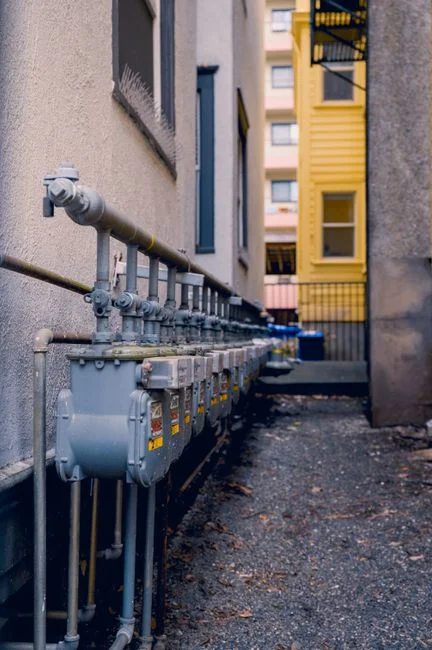
Measurement point selection drives the entire instrument specification, because dissolved sulfide is not uniformly distributed across the plant. At the influent headworks, sulfide from upstream sewer collection enters first, and the analyzer here acts as an early-warning fence — particularly at municipal plants that accept septage, landfill leachate, or industrial discharge with a high sulfate load. Operators can pre-empt aeration demand spikes and trigger iron-salt dosing before the load reaches primary treatment.
Primary clarifier underflow and dissolved air flotation (DAF) thickener supernatant are the next high-value points: anaerobic conditions in the sludge blanket release S²⁻ that will otherwise strip as H₂S in the downstream aeration basin. Online S²⁻ measurement at the underflow line lets the operator control pre-aeration or FeCl₃ dose on a real concentration, not a feed-forward assumption. The anaerobic digester feed and supernatant streams are where the highest concentrations live — typically 50–200 mg/L S²⁻ — and online measurement here enables both air-side H₂S scrubbing on the biogas and biogas H₂S polishing to the <500 mg/Nm³ target required for engine or boiler use.
Industrial pretreatment streams are where colorimetric grab sampling historically failed: coking wastewater post-quench, refinery desalter effluent, petrochemical cracker blowdown, and pulp mill brownstock wash water all carry particulate, oil, and high-temperature loads that destroy a methylene blue finish. These streams warrant a voltammetric sensor with sample conditioning, paired with an automatic chemical dosing skid for FeCl₃ or NaOH injection so that analyzer output drives the chemistry in the same control loop. The pairing is what converts a measurement into a control action.
Compliance and Reporting: What Online Sulfide Data Must Deliver
Online sulfide data has to satisfy three different regulatory regimes, and the analyzer must be specified against the strictest of them. In the United States, EPA Method 376.2 (methylene blue) is the reference method cited in most NPDES permits; online analyzers are accepted as equivalent when the QA/QC chain-of-custody is documented and the instrument is calibrated against Method 376.2 standards at the frequency defined in the permit (typically monthly verification, quarterly calibration). Continuous 4–20 mA or Modbus data streams support daily and monthly discharge monitoring reports (DMRs) and provide the alarm-event log that EPA inspectors look for after an exceedance.
In the European Union, Industrial Emissions Directive 2010/75/EU requires operators to control odor, including H₂S, near sensitive receptors, and ambient air guidance values of 0.06 ppm H₂S apply in most member-state implementations. Continuous wastewater-side S²⁻ measurement, cross-referenced with stack and fence-line monitoring, provides the defensible compliance record for an odor complaint investigation. In China, GB 8978-1996 sets total sulfide effluent limits of 1.0 mg/L for Class I/II surface-water discharge, and GB 14554-1993 sets ambient H₂S emission limits of 0.03–0.06 mg/m³ depending on zone class; online monitoring supports the self-reporting obligations under the discharge permit system. The instrument spec must therefore include a data-retention module (12+ months), a tamper-proof event log, and export formats compatible with the local regulator's reporting portal — for a side-by-side on adjacent parameters like oil and grease, the 2026 oil and grease discharge limit comparison is a useful cross-reference.
SCADA Integration and Automatic Dosing Control
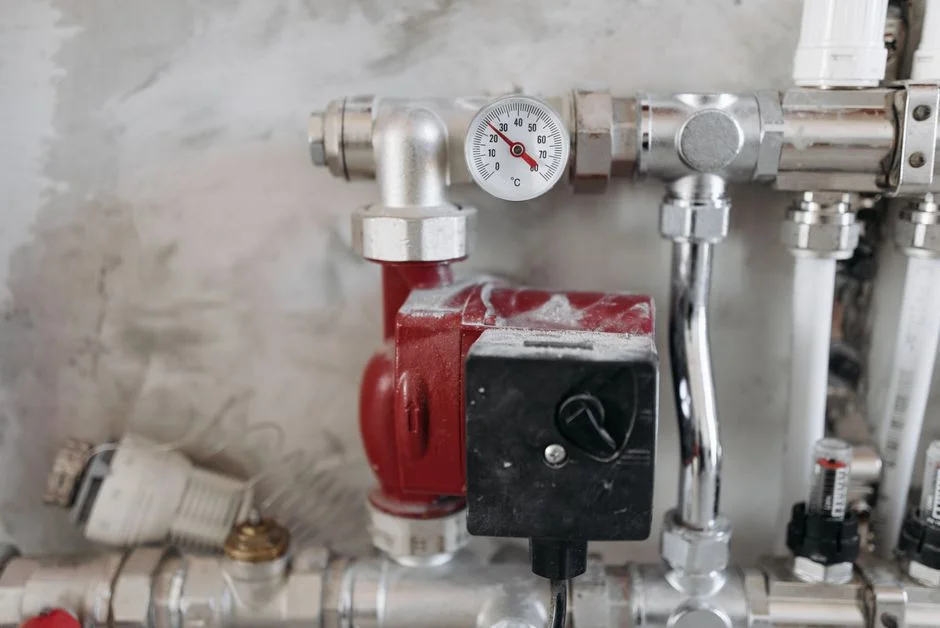
An online sulfide analyzer is only useful if its signal closes a control loop. The standard output set across the three sensor families is 4–20 mA analog plus Modbus RTU/TCP, with Profinet and HART available on most current-generation units; the reader should confirm their SCADA tag database and PLC firmware before specifying, not after. Closed-loop dosing is where the ROI lives: when dissolved S²⁻ exceeds the setpoint — typically 0.5–2 mg/L at the discharge point, depending on the downstream assimilative capacity — the analyzer output triggers a chemical dosing skid to inject FeCl₃ (for sulfide precipitation as FeS) or NaOH (for pH lift above the H₂S volatility threshold). Field deployments report 70–90% reductions in odor-event frequency compared to time-based or manual control (HydropureWater field data, 2025-08).
Alarm logic should be two-stage: a warning at 0.5 mg/L S²⁻ to alert the operator of an upward trend, and a critical alarm at 2 mg/L to trigger automatic chemical injection and HMI notification. Event logs must be retained for at least 12 months to satisfy typical permit audit windows. For plants that have not yet modernized their dosing infrastructure, the SCADA integration guide for wastewater monitoring provides a side-by-side of current vendor offerings. The dosing skid and the analyzer are best specified together so the I/O list, signal conditioning, and failover logic are coherent at commissioning.
Selecting a Supplier: 2026 Buyer's Checklist
Capital cost varies by an order of magnitude across the three sensor families: voltammetric systems run USD 8,000–18,000, ISE systems USD 3,000–8,000, and colorimetric systems USD 12,000–25,000 including the reagent module (HydropureWater market scan, 2026-01). OPEX is where the comparison inverts over a 5-year horizon: voltammetric electrolyte replacement at roughly USD 400/year, ISE buffer and membrane at roughly USD 800/year, and colorimetric reagent replenishment at USD 1,500–3,000/year. For an industrial stream that runs 24/7, voltammetric total 5-year cost of ownership is typically 20–35% below colorimetric, despite the higher CAPEX.
The supplier evaluation criteria that actually matter in a refinery or digester service environment: third-party certified detection limits (not vendor brochure numbers), mean time between failures above 25,000 hours, IP65/NEMA 4X enclosure rating for wet and hose-down areas, IECEx or ATEX certification for Zone 1 hazardous areas, and local service coverage with a guaranteed 48-hour response. Integration points to confirm before signing the PO: power supply (24 VDC versus 110/220 VAC), sample conditioning requirements (filtration to <100 µm, cooling to <50°C if the stream is hot), a bypass loop for calibration without process shutdown, and a documented mapping of the analyzer's 4–20 mA / Modbus tags into the existing SCADA. For plants pairing the analyzer with a dosing skid, the automatic chemical dosing skid for FeCl₃ or NaOH injection is the matched HydropureWater component. For long-term reliability, see also the predictive maintenance framework for online analyzers.
Frequently Asked Questions
Q: What is the detection limit of an online sulfide monitor? Voltammetric systems reach 0.001 mg/L S²⁻, ISE systems 0.02–0.1 mg/L, and colorimetric systems 0.005–0.02 mg/L. The lowest detection limits come from laboratory-grade amperometric microelectrodes.
Q: Can online sulfide analyzers measure H₂S gas directly? No. Online sulfide analyzers measure dissolved sulfide (S²⁻ + HS⁻) in the liquid phase; gaseous H₂S concentration is calculated from the dissolved result, pH, and temperature using the sulfide dissociation equilibrium.
Q: How often do sulfide sensors need calibration? Voltammetric sensors typically auto-calibrate every 7–30 days; ISE sensors require weekly calibration against standard solutions; colorimetric analyzers need daily to weekly calibration depending on reagent stability and ambient temperature.
Q: What is the difference between sulfide and sulfate monitoring? Sulfide (S²⁻) is the reduced, toxic, and odorous form; sulfate (SO₄²⁻) is the fully oxidized form. Different sensors, different methods: sulfate is typically measured by turbidimetric precipitation, ion chromatography, or conductivity, never by the same electrode used for sulfide.
Q: Do online sulfide analyzers need a separate controller? Modern units include a built-in PID controller with 4–20 mA and Modbus outputs. A separate PLC is only required when multiplexing more than four streams or when the dosing logic is integrated with broader plant control.