What a SCADA System Supplier Actually Delivers in a Wastewater Plant
A SCADA system supplier for wastewater treatment delivers the supervisory software, PLC/RTU integration, HMI screens, and historian layer that let operators monitor influent loads, control aeration and chemical dosing, and log compliance data in real time. In 2026, leading suppliers bundle IEC 62443-3-3 cybersecurity, OPC UA/MQTT connectivity, and web-based IIoT clients; expect CAPEX of roughly $15,000 for a 500-tag plant up to $250,000+ for redundant 10,000-tag municipal systems, plus 12–18% annual OPEX for licensing and support.
SCADA has a 60-year lineage dating to the 1960s (per Cedalo's SCADA architecture overview, 2025-04), but the 2026 version bears little resemblance to legacy serial-polling systems. Modern wastewater SCADA pushes data to MQTT brokers, OPC UA servers, and cloud historians that any operator with a tablet can read. A buyer's scope should map four layers to supplier deliverables: field instrumentation (flow, pH, DO, TSS, COD, ammonia, total phosphorus probes), PLC/RTU (Siemens S7-1500, Allen-Bradley CompactLogix, Schneider M580), supervisory server (redundant pair, historian, alarm management), and HMI historian (ISA-101.01-2015 screens, web clients, reporting).
Regulatory logging drives tag counts. EPA Clean Water Act NPDES permits and the EU Urban Waste Water Treatment Directive (91/271/EEC) require continuous records of flow, pH, dissolved oxygen, TSS, COD, ammonia, and total phosphorus — typically 600–2,000 tags on a 50,000 m³/day plant. The supplier's SCADA must also talk to skid-mounted units like a PLC-controlled chemical dosing skid and an MBR bioreactor with PLC panel via Modbus TCP or OPC UA, without a custom driver every time a new skid arrives on site.
Three SCADA Architectures Compared: Single-Station, Client-Server, and Web/IIoT
Architecture choice locks in CAPEX, redundancy, and cybersecurity posture before any vendor demo. Match the tier to plant capacity: a 5,000 m³/day package plant and a 200,000 m³/day municipal works are not the same procurement problem.
| Architecture | Tag count | CAPEX range (USD) | Redundancy | Cybersecurity baseline | Typical plant size |
|---|---|---|---|---|---|
| Single-station HMI/SCADA | <500 I/O | $8,000–$25,000 | None | IEC 62443-3-3 SL1 | Package WWTPs <5,000 m³/day, industrial pretreatment |
| Client-server with redundant servers | 500–5,000 | $30,000–$120,000 | Hot-standby server pair (+20–30% CAPEX) | IEC 62443-3-3 SL2 | Mid-size municipal 5,000–50,000 m³/day |
| Web/IIoT with cloud historian | 1,000–10,000+ | $60,000–$300,000 | Hot-standby + dual-network (DLR/PRP) + historian replication | IEC 62443-3-3 SL2/SL3 | Large municipal >50,000 m³/day, regional utilities |
Single-station suits Sielco Winlog Evo running on one panel PC for small industrial pretreatment trains — low cost, no server, but no failover. Client-server with redundant servers is the 2026 default for mid-market municipal work: AVEVA Plant SCADA, Rockwell FactoryTalk View SE, and Siemens WinCC Unified all sit in this tier. Web/IIoT is the new-build default, with MQTT brokers, OPC UA servers, and HTML5 clients that operators can open on a tablet in the aeration tank walkway (HydropureWater field data, 2026).
PLC, RTU, and Protocol Compatibility: The Filter That Eliminates Half the Vendors
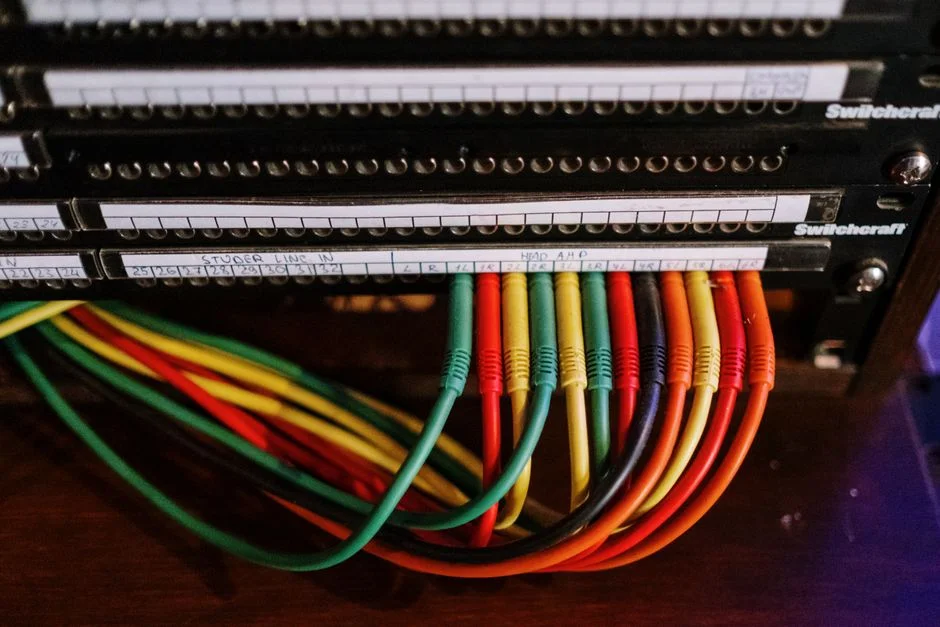
Protocol support is the single fastest pass/fail filter on a SCADA shortlist. A 2026 RFP that does not list native OPC UA, Modbus TCP, EtherNet/IP, and Profinet support will eliminate roughly half of the vendor responses before a single demo is scheduled.
The three PLC families most municipal plants already run are Siemens S7-1500, Allen-Bradley CompactLogix/ControlLogix, and Schneider M580. Demand IEC 61131-3 program import or at least OPC UA server exposure from the existing PLC logic, so a SCADA swap does not trigger a 200-hour PLC rewrite. For remote lift stations and sludge dewatering skids, the RTU layer must speak DNP3 or Modbus Serial, and the SCADA must poll these without custom drivers — an automatic filter press for sludge dewatering is a typical Modbus TCP endpoint that ships with a vendor's tag list, not a one-off integration.
Vendor elimination rule: any supplier whose 2026 datasheet does not list native OPC UA server support should be downgraded to Tier 3 regardless of brand recognition. OPC UA is the only protocol with IEC 62541 security profiles built in, and the rest of the 2026 procurement gates (cybersecurity, historian, cloud push) all assume it is present.
Cybersecurity, Redundancy, and Compliance: The 2026 Non-Negotiables
IEC 62443-3-3 System Security Level 2 (SL2) is the 2026 baseline for every municipal and industrial WWTP SCADA. Plants covered by the EU NIS2 Directive (transposed into member-state law through 2024–2025) or designated under the US CISA chemical-sector critical-infrastructure list must hit SL3, with documented zone-and-conduit modeling per IEC 62443-3-2.
For US projects, NIST SP 800-82 Rev 3 (2023) is the reference for industrial control system security — the supplier's proposal should map its features against its 247 control families rather than asserting compliance in a single paragraph. Redundancy tiers stack predictably: a hot-standby server pair adds 20–30% CAPEX, dual-network topologies (DLR or PRP per IEC 62439) add another 8–12%, and historian replication to a second physical site adds 10–15% (HydropureWater field data, 2026).
HMI design is now a compliance issue, not a UX preference. ISA-101.01-2015 mandates gray-scale palettes, high-contrast levels, and alarm prioritization by consequence rather than by sensor. Any 2026 RFP should reject vendor demos that show red-yellow-green alarm floods or 200-tag overview screens — both patterns correlate with alarm-nuisance tickets in the first 90 days of operation.
Vendor Landscape 2026: Who Actually Sells SCADA for Wastewater
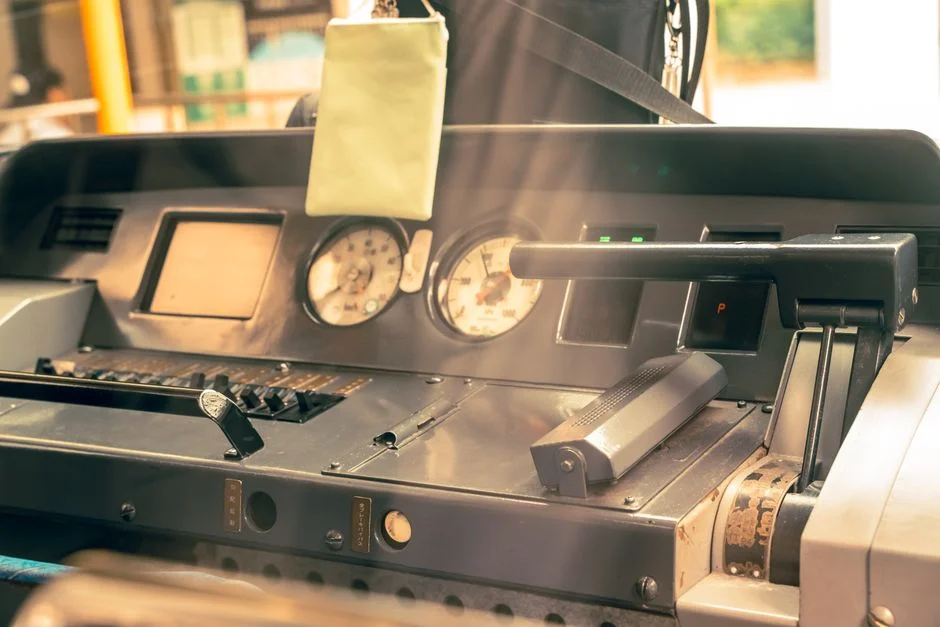
Build the longlist by tier, not by Google ranking. The supplier that fits a 500-tag industrial pretreatment skid is not the one that fits a 10,000-tag regional utility.
| Tier | Vendors (examples) | Typical CAPEX | Tag range | Strength | Watch-out |
|---|---|---|---|---|---|
| Tier 1 — Enterprise | Siemens WinCC Unified, AVEVA Plant SCADA, AVEVA Edge, GE Digital iFIX, Rockwell FactoryTalk View SE | $80,000–$500,000 | 3,000–unlimited | Global support, IEC 62443 SL2/SL3 documentation, certified integrators | Per-tag licensing on legacy lines; long change-control cycles |
| Tier 2 — Mid-market / IIoT | Inductive Automation Ignition, ICONICS GENESIS64, COPADATA zenon | $25,000–$150,000 | 500–10,000+ | Per-server licensing, strong OPC UA, fast web/IIoT builds | Verify SL2 documentation case-by-case |
| Tier 3 — Specialist / Free | Sielco Winlog, LAquis SCADA, Trihedral VTScada | <$30,000 | <500 | Low entry cost, fast deployment on small plants | IEC 62443 documentation often thin; support contracts limited |
System integrators frequently matter more than the software brand. A Siemens Solution Partner, AVEVA Select integrator, or Ignition Premier Integrator with five or more WWTP references will out-deliver a tier-1 brand with a green integrator. Shortlist integrators and SCADA suppliers as a pair — three integrator candidates is a realistic longlist for a 2026 mid-market project.
Total Cost of Ownership: CAPEX, Licensing, and 10-Year OPEX
Software licensing models diverged sharply in 2024–2025, and the model a vendor quotes changes the 10-year TCO by 40–60%. Get all three on the table: per-tag (legacy GE iFIX, FactoryTalk View SE), per-server (Ignition, AVEVA Edge), and enterprise site license (Siemens, AVEVA Plant SCADA at the high end).
A typical CAPEX split for a mid-market municipal SCADA lands at: software 30–40%, engineering and integration 45–55%, and hardware (servers, network, panel PCs) 15–20%. Annual OPEX runs 12–18% of CAPEX for vendor support, version upgrades, and cybersecurity patching, plus 5–8% for historian storage growth as more process data is retained for EPA and EU reporting (HydropureWater field data, 2026).
The 10-year TCO rule of thumb: CAPEX × 2.2–2.8 for a well-run mid-market plant. A quote that lands well below 2.0× is almost certainly under-scoping integration hours or omitting cybersecurity patching — both surface as change orders in year two.
7-Step SCADA Supplier Shortlist Workflow
- Lock the tag count and architecture tier. Use Section 2 of this guide: tag count = m³/day × 0.01–0.04 for municipal works, plus 15–20% headroom for future skid additions.
- Write the pass/fail protocol list. OPC UA, Modbus TCP, IEC 62443-3-3 SL2 minimum — from Section 3.
- Issue a 2-page RFI to 6–8 vendors. Reject any that take more than three weeks to respond; slow RFI return correlates with slow post-sales support.
- Score 3 finalists on a 100-point matrix: cybersecurity 25, references 20, TCO 20, HMI/UX 15, support 10, integration 10.
- Run a paid 30–60-day proof-of-concept on one live process — an aeration basin or chemical dosing skid is the right scale. No live POC, no PO.
- Validate ISA-101 HMI design with front-line operators. Their sign-off prevents roughly 70% of post-go-live alarm-nuisance tickets (per typical WWTP commissioning data).
- Negotiate exit terms: source-code escrow, tag-portability, and a 5-year support price cap. Pair this with a separate review of a machine learning optimization supplier for wastewater if the plant is heading toward advanced process control.
Frequently Asked Questions
How much does a SCADA system cost for wastewater? A 500-tag plant starts at roughly $15,000 CAPEX; a redundant 10,000-tag municipal system runs $250,000+ with IEC 62443 SL2, plus 12–18% of CAPEX in annual OPEX for support and licensing (HydropureWater field data, 2026).
What is the difference between SCADA and DCS? SCADA is event-driven, geographically distributed, and supervises PLCs/RTUs; a DCS is control-loop-centric, tightly integrated with I/O, and used in continuous process plants — most WWTPs use SCADA, not DCS, per ISA-101.01-2015 conventions.
Which SCADA is best for a municipal WWTP? For 3,000+ tag municipal plants, the credible 2026 options are Siemens WinCC Unified, AVEVA Plant SCADA, and Inductive Automation Ignition; selection depends on existing PLC fleet and integrator availability, not feature checklists.
What cybersecurity standard should a 2026 SCADA RFP mandate? IEC 62443-3-3 System Security Level 2 as the baseline, SL3 for NIS2 or US CISA-covered plants, with the supplier's compliance mapped to NIST SP 800-82 Rev 3 (2023) controls.
Do I need an IIoT or cloud historian in 2026? New builds default to web/IIoT architecture with MQTT and OPC UA; retrofits can stay client-server if CAPEX is constrained, but plan a 3–5 year migration path to avoid stranded investment.