Which Flow Meter Fits Wastewater Service?
A flow meter for wastewater measures volume or mass flow in pipes or open channels for discharge reporting and dosing. Electromagnetic units hold 0.3%–0.5% of rate on full pipes above 5 μS/cm. Clamp-on ultrasonics suit retrofits; flumes serve gravity channels; Coriolis units fit chemical feed. Pipe fill, solids, and ownership cost decide the pick.
These instruments supply the volumetric basis for BOD, COD, and TSS load calculations under NPDES and comparable EU discharge rules. Without reliable volume, chemical mass balance fails and plants either overdose coagulants or miss permit limits. One mid-sized industrial site faced $12,000 in monthly surcharges after an aging propeller meter missed a 15% peak-flow rise in high-solids effluent.
Accurate flow data is essential for National Pollutant Discharge Elimination System (NPDES) permit compliance. Earlier industry summaries often treated reporting errors above 5% as an audit trigger.Flow signals also drive PAC and PAM dosing loops; SCADA-linked control can cut OPEX by up to 18% by limiting chemical over-dose and excess aeration energy (per SCADA integration studies, 2024).
For procurement teams, the meter is a financial control as much as a sensor. It confirms upstream process efficiency and supports discharge fees based on measured volume rather than conservative utility estimates. Where reuse is planned, the same data underpins ROI cases for filtration upgrades.
Top 5 Meter Types for Wastewater Applications
Electromagnetic meters follow Faraday’s Law and need a minimum fluid conductivity near 5 μS/cm to hold roughly 0.5% of rate in vendor specs. US EPA field guidance lists electromagnetic meter accuracy within +1% of full scale for closed-conduit checks. An unobstructed bore with no moving parts makes them the default on pressurized wastewater lines and slurry-rich streams. Engineers often run a deep-dive into electromagnetic meter material compatibility and grounding before locking liner and electrode alloys against corrosive chemicals.
Ultrasonic meters split into transit-time and Doppler designs. Transit-time units suit cleaner fluids at about 1% uncertainty. Doppler units need bubbles or solids as reflectors, so they fit raw sewage and thickened sludge at roughly 2%–5% accuracy. Clamp-on models avoid pipe cutting and process downtime on retrofit jobs.
Open-channel measurement remains standard for gravity sewers and influent headworks. A Parshall or Palmer-Bowlus flume pairs with an ultrasonic or radar level sensor. Civil work is heavy, but reliability is high in non-pressurized service. Openchannelflow reports laboratory Parshall accuracy near +/-2%, while field conditions and ASTM D1941 practice more realistically yield about +/-5%; earlier plant summaries often cited a +/-3% to 5% band when systems are properly calibrated outdoors.
Coriolis meters reach about 0.1% by measuring mass flow directly. High CAPEX and sensitivity to large entrained solids keep them out of most municipal trunks. Their niche is custody transfer of high-value industrial effluent and precise chemical feed. Mechanical propeller meters still offer the lowest purchase price, yet grit abrasion and ragging drive bearing failure and calibration drift, so many plants are retiring them from wastewater duty.
| Meter Type | Operating Principle | Accuracy | Best Use Case | Maintenance Level |
|---|---|---|---|---|
| Electromagnetic (Mag) | Faraday's Law | 0.3% – 0.5% | Pressurized conductive flows | Low (No moving parts) |
| Ultrasonic (Clamp-on) | Transit-time/Doppler | 1.0% – 3.0% | Retrofits and clean streams | Medium (Sensor alignment) |
| Open Channel (Flume) | Level/Velocity head | 3.0% – 5.0% | Gravity sewers/Effluent | Medium (Debris removal) |
| Coriolis | Coriolis Force | 0.1% | Chemical dosing/Custody | Low |
| Propeller | Mechanical Turbine | 2.0% – 5.0% | Agricultural/Clean water | High (Bearing wear) |
How to Select the Right Meter: 7 Critical Factors
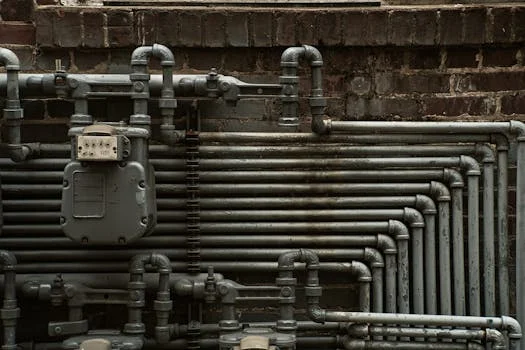
Hydraulic fill must come first: mag and transit-time ultrasonic meters need a fully primed pipe or they lose signal. Partially full gravity drains call for an open-channel primary or a specialized partially full mag meter. Conductivity is the second gate. Most municipal wastewater exceeds 50 μS/cm, but some industrial rinse waters fall below the 5 μS/cm mag threshold and need ultrasonic or vortex alternatives.
Solids content sets sensor life. Streams with Total Suspended Solids (TSS) above 3% will erode mechanical meters within months. Doppler ultrasonic or mag meters with flush-mounted electrodes hold up better there. Shutdown windows often decide the purchase: if a plant cannot spare a six-hour pipe cut, clamp-on ultrasonics win despite higher unit cost (Badger Meter case study data).
Match accuracy to duty. Municipal billing and environmental compliance usually need a certified 0.5% mag meter. Internal process checks or pump run-time verification can accept 2%–5% uncertainty. Mag meters need almost no routine work; propeller meters still want quarterly fouling checks. Specs increasingly call for 4G/NB-IoT outputs that feed mobile app wastewater monitoring for real-time control at remote lift stations. Spares such as gaskets, liners, and grounding rings sit alongside Water Treatment Parts, Valves & Filter Media in most plant storerooms.
What Meter Type Suits Lime Dosing?
Lime slurry dosing typically uses an electromagnetic meter with an abrasion-resistant liner and flush electrodes, because lime slurry is conductive and abrasive. Neat lime slurry loops with high solids rarely suit Coriolis tubes. Where the plant doses clarified lime water or low-solids caustic at custody-transfer precision, Coriolis at about 0.1% mass accuracy is the usual pick. Most plants we size for lime feed run mag meters on the slurry line and reserve Coriolis for neat chemical make-up.
How Does Flow Data Support Clarifier Design?
Clarifier overflow rate, solids loading, and recycle ratio all start from measured influent and return flows. Primary versus secondary basins, circular versus rectangular tanks, and lamella or DAF polishing packages need design flow in m3/h (US gpm) before surface overflow rate can be checked. Under-reading recycle flow inflates apparent solids loading and can drive premature sludge-blanket rise. Pairing a reliable influent mag or flume with RAS/WAS meters keeps those design checks honest during expansions.
Meter Cost and ROI: CAPEX vs OPEX Breakdown
Total cost of ownership blends CAPEX with recurring OPEX. Electromagnetic meters usually win on lifecycle cost because they have no moving parts. A quality mag install often runs $2,500 to $8,000, then lasts 10 to 15 years with little maintenance, lowering cost per gallon measured versus cheap mechanical options. Propeller meters may cost only $1,200 to $3,500 up front, yet often add $800 or more each year for recalibration, bearings, and labor.
On larger plants, the MBR wastewater treatment system cost analysis shows flow precision as a driver of membrane life. At a 500 m³/day industrial plant, moving from manual estimates to an automated mag meter cut chemical dosing errors by 22%. Coagulant spend fell about $18,500 per year, paying back the meter install in under six months (HydropureWater field data, 2025).
| Metric | Mag Meter | Ultrasonic (Clamp) | Open Channel | Propeller |
|---|---|---|---|---|
| Initial CAPEX | $2,500 – $8,000 | $3,000 – $10,000 | $4,000 – $15,000 | $1,200 – $3,500 |
| Installation Cost | High (Pipe cut) | Very Low | High (Civil work) | Medium |
| Annual OPEX | <$100 | $200 (Checkup) | $500 (Cleaning) | $800+ (Parts) |
| Expected Lifespan | 12-15 Years | 8-10 Years | 15-20 Years | 3-5 Years |
| 5-Year TCO | $3,000 – $8,500 | $4,000 – $11,000 | $6,500 – $17,500 | $5,200 – $7,500 |
Integration with Monitoring and Control Systems
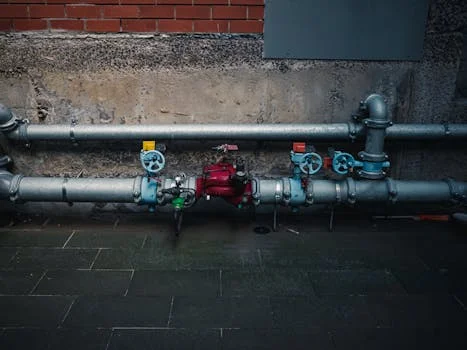
Modern meters feed 4–20 mA or Modbus RTU into SCADA so operators can trim aeration, RAS, and chemical pumps in real time. A sudden flow spike can flag a combined sewer overflow or a burst main and start bypass valves or standby pumps. Remote monitoring studies report about 60% faster response versus manual rounds when live dashboards are in use.
At process level, plants precisely integrate flow data for automated chemical dosing so pump speed tracks influent swings and avoids slug loading biological reactors. HydropureWater packages also extend flow monitoring into full remote control systems with 4G loggers for multi-site water-balance tracking. Grounding kits, isolation valves, and related Water Treatment Parts, Valves & Filter Media complete a maintainable install.
Who This Is For and Next Step
This guide is for plant engineers, EPC designers, and procurement managers choosing meters for pressurized effluent, gravity headworks, or chemical feed. Look elsewhere if you need only clean-water revenue metering with no solids or conductivity limits. Use this selection checklist. Confirm full-pipe versus open-channel duty, then measure conductivity and TSS. Set accuracy class for billing or process use. Compare five-year TCO, specify SCADA outputs, plan straight runs and grounding, and stock liner spares.
If you need help matching meter type to pipe size, solids loading, and dosing duty, request a technical quote with your flow range and fluid data.
Frequently Asked Questions
What device measures wastewater flow in plants?
A dedicated meter measures liquid volume or velocity in pipes or open channels for permit reporting, process control, and billing. Typical plant duties include effluent totalizers, chemical feed pacing, and RAS/WAS balance. Accuracy targets usually range from about 0.5% of rate on mag meters to roughly 3%–5% on flume systems under field conditions.
What is the best meter for wastewater?
Electromagnetic meters are the usual choice for pressurized, conductive wastewater because vendor accuracy near 0.5% of rate and no moving parts suit abrasive streams. Clamp-on ultrasonics fit retrofit jobs with no pipe cut. Gravity sewers and effluent channels still rely on flumes with level sensors when the pipe cannot run full.
How do you measure wastewater flow rate?
Closed-pipe systems multiply measured velocity by the pipe cross-section using magnetic induction or ultrasonic transit time. Open channels convert measured head through a flume or weir rating equation into discharge. Always verify the secondary device against a known primary or volumetric check within the plant’s permit accuracy band.
Do meters work in dirty wastewater?
Yes, when the technology matches the solids load. Mag meters and Doppler ultrasonics handle high TSS and debris that destroy propeller bearings. Mechanical meters belong on cleaner agricultural or utility water, not grit-laden sewage. Keep electrodes clean and confirm conductivity stays above the mag meter’s stated minimum.
What accuracy do NPDES flow checks require?
US EPA procedure FSBPROC-109-R7 (effective 15 April 2025) states the facility flow measurement system should measure within +10% of actual flow during field investigation checks. Many plants still specify tighter vendor accuracy, such as 0.5% mag meters, for dosing and internal mass balance even when the regulatory field check band is wider.