Vietnam's Hospital Wastewater Discharge Standards and What They Mean for Da Nang
QCVN 28:2010/BTNMT is the binding national technical regulation for medical wastewater in Vietnam, and any hospital in Da Nang that runs a dedicated on-site plant must meet its column-A limits: BOD5 ≤ 30 mg/L, COD ≤ 80 mg/L, TSS ≤ 50 mg/L, total nitrogen (N-NH3+NO3) ≤ 30 mg/L, sulfide ≤ 1 mg/L, pH 6.5–8.5, and a minimum residual chlorine of 1 mg/L after 1 hour contact (per QCVN 28:2010/BTNMT, MONRE 2010). Microbiological ceilings are total coliforms ≤ 3,000 MPN/100 mL and fecal coliforms ≤ 1,000 MPN/100 mL — values that effectively rule out simple chlorination as a standalone disinfection step for facilities with high pathogen loads and push designs toward chlorine dioxide generators or ozone.
Where a hospital instead discharges to a municipal trunk sewer that flows to a publicly owned WWTP, the receiving plant must still meet QCVN 14:2008 column B (BOD5 ≤ 25 mg/L, COD ≤ 50 mg/L, TSS ≤ 30 mg/L, total nitrogen ≤ 20 mg/L), and many Da Nang WWTPs apply a stricter industrial-discharge surcharge on hospitals that exceed local sewer bylaws. The Da Nang drainage master plan (DONRE 2019) reports that only 8.7% of septic-tank households are connected to a treatment plant, which is the key contextual number for engineers: most hospital sites in Son Tra, Ngu Hanh Son, and Cam Le districts have no reliable municipal interceptor nearby, so QCVN 28 governs the design. For site-specific confirmation, always cross-check with the latest version of the Vietnam total nitrogen QCVN compliance guide.
| Parameter | QCVN 28:2010 (Medical, on-site) | QCVN 14:2008 Col. B (Municipal sewer) |
|---|---|---|
| BOD5 | ≤ 30 mg/L | ≤ 25 mg/L |
| COD | ≤ 80 mg/L | ≤ 50 mg/L |
| TSS | ≤ 50 mg/L | ≤ 30 mg/L |
| Total nitrogen | ≤ 30 mg/L | ≤ 20 mg/L |
| Total coliforms | ≤ 3,000 MPN/100 mL | ≤ 5,000 MPN/100 mL |
| Residual Cl2 (1 h) | ≥ 1 mg/L | ≥ 1 mg/L |
How Da Nang Hospital Effluent Differs from Municipal Sewage
Hospital wastewater in Da Nang is roughly twice as concentrated in organic load as domestic sewage and carries a pathogen count 2–3 logs higher. A 2024 characterization of comparable Asian hospital influent reported BOD5 of 192 ± 8.62 mg/L and COD of 245 ± 9.15 mg/L with a BOD5:COD ratio of 0.77 (Springer 2024, Chlorella sp. LH2 study) — biodegradability high enough for an aerobic train, but the absolute load demands a dedicated biological stage rather than a simple septic-tank pass-through. Hospital-specific pollutants listed in Verlicchi's 2018 review (Springer 2018, Hospital Wastewaters) include pharmaceutical residues, iodinated contrast media, hormones, cytotoxic drugs from oncology wards, and occasional radioactive isotopes from nuclear medicine — none of which a municipal WWTP is designed to remove.
Pathogen counts in raw hospital effluent typically run 10^5–10^7 CFU/100 mL for total coliforms, compared with 10^6–10^7 in raw municipal sewage, but the presence of antibiotic-resistant bacteria and persistent enteric viruses is the differentiator (Verlicchi 2018). pH sits at 6.5–8.5 and temperature holds 25–32°C year-round in Da Nang, which accelerates biological kinetics by roughly 30% versus temperate-climate designs at 10–15°C. One underappreciated pretreatment issue: chlorine residual from in-house water disinfection can reach 0.5–2 mg/L in the sewer main, inhibiting downstream nitrification in any biological stage unless the equalization tank is vented and the residual is allowed to decay (2–4 hours at pH 7) before aeration.
| Parameter | Da Nang hospital influent (typical) | Municipal sewage (typical) |
|---|---|---|
| BOD5 | 150–250 mg/L | 100–200 mg/L |
| COD | 200–400 mg/L | 200–350 mg/L |
| TSS | 100–200 mg/L | 150–300 mg/L |
| Total coliforms | 10^5–10^7 MPN/100 mL | 10^6–10^7 MPN/100 mL |
| pH | 6.5–8.5 | 6.5–8.0 |
| Pharmaceutical residues | Detected (μg/L range) | Trace or none |
Process Options for a 100–500 Bed Da Nang Hospital
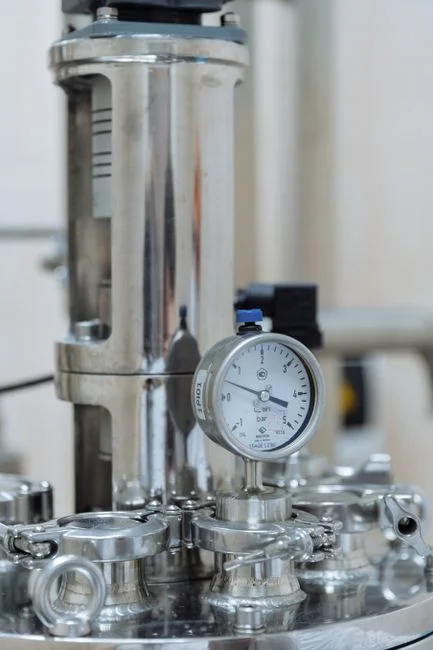
Three process trains realistically cover the 100–500 bed range in Da Nang, and the choice is driven by discharge point, reuse intent, and footprint rather than bed count alone. The MBR membrane bioreactor system pairs a submerged PVDF membrane (0.1–0.4 μm pore size) with an activated-sludge tank at 8,000–10,000 mg/L MLSS; it delivers effluent COD 47–60 mg/L, TSS < 5 mg/L, and near-complete E. coli removal through physical separation, with a footprint roughly 60% smaller than conventional activated sludge. MBR is the right answer for 200+ bed hospitals with constrained sites, reuse goals, or strict discharge permits.
The MBBR (moving bed biofilm reactor) at 30–50% carrier fill fraction and 3,000–4,000 mg/L MLSS reaches BOD5 20–30 mg/L and COD 70–90 mg/L at 6–8 hour HRT. CAPEX is 30–40% below MBR, the system tolerates hydraulic and toxic shocks (important for hospital flows that include batch disinfectant discharges), and the open design makes membrane fouling a non-issue. MBBR is the pragmatic choice for 50–150 bed facilities, or as a pre-treatment stage before municipal discharge. For clinics and small hospitals under 100 beds, an underground package sewage treatment plant with anoxic/aerobic zones, lamella sedimentation, and integrated ClO2 in a buried or skid unit at 1–80 m³/h covers the duty with minimal civil work.
On disinfection, ClO2 is the workhorse for Vietnam: 99% pathogen kill at 1–2 mg/L residual across pH 6–9, with substantially lower trihalomethane formation than Cl2. Ozone gives a faster kill and removes some pharmaceutical residues, but it has no residual — a problem for long sewer reaches — and the energy cost runs 8–12 kWh per kg of O3 generated, roughly double a ClO2 system at this scale. UV alone provides no residual and fouls quickly in high-TSS hospital effluent, so it is rarely used as a standalone final barrier in Vietnamese hospital designs.
| Process | Effluent COD | Effluent BOD5 | Coliform removal | Footprint vs. CAS | Best-fit bed count |
|---|---|---|---|---|---|
| MBR + ClO2 | < 60 mg/L | < 10 mg/L | > 99.99% | ~40% | 200–500 |
| MBBR + ClO2 | 70–90 mg/L | 20–30 mg/L | 99.9% | ~70% | 50–150 |
| Integrated package (WSZ) | < 80 mg/L | < 30 mg/L | 99% | ~50% (buried) | < 100 |
| SBR + ClO2 | 60–80 mg/L | 20–30 mg/L | 99.9% | ~60% | 100–200 |
Treatment Train Design for 200 m³/day — A Worked Example
Take a 250-bed hospital in central Da Nang generating roughly 200 m³/day with peak factor 1.8. Raw influent after kitchen and laundry segregation: BOD5 ~ 200 mg/L, COD ~ 300 mg/L, TSS ~ 150 mg/L, total coliforms ~ 10^6 MPN/100 mL. The first stage is an 8-hour-HRT equalization tank sized at 70 m³, paired with a rotary mechanical bar screen at 5 mm aperture to strip gauze, surgical swabs, and fibrous waste that would otherwise rag the membrane modules downstream. This pre-screening step is non-negotiable in hospital duty; it is the single most common cause of MBR fouling in Southeast Asian installations.
Stage 2 is the biological reactor. For an MBBR train, configure two aerobic cells in series at 6–8 hour total HRT, carrier fill 40%, DO 2–3 mg/L, and return sludge to keep MLSS at 3,000–4,000 mg/L. For MBR, drop the HRT to 4–6 hours but lift MLSS to 8,000–10,000 mg/L and run a submerged PVDF module at 10–20 L/m²·h flux. Stage 3 is a high-efficiency lamella sedimentation tank for the MBBR train (or the membrane tank itself for MBR), where COD typically drops from ~250 mg/L to < 60 mg/L and TSS to < 5 mg/L. Stage 4 is ClO2 contact: 30-minute retention in a baffled tank, 0.5–1.0 mg/L residual, total coliforms reduced from 10^6 to under 3,000 MPN/100 mL — the QCVN 28 ceiling. Stage 5 is sludge handling: waste activated sludge at 0.5–1.0% solids thickened to 8–12% cake in a plate and frame filter press, then hauled to Khanh Son landfill as non-hazardous waste.
| Stage | Equipment | HRT / size | Influent → Effluent |
|---|---|---|---|
| 1. Screening + EQ | Bar screen + equalization | 8 h EQ, 5 mm screen | TSS 150 → 130 mg/L |
| 2. Biological | MBBR or MBR | 6–8 h (MBBR) / 4–6 h (MBR) | COD 300 → 80–60 mg/L |
| 3. Clarification | Lamella or membrane tank | 2–3 h | TSS → < 5 mg/L |
| 4. ClO2 disinfection | Contact tank + generator | 30 min, 0.5–1.0 mg/L | Coliforms → < 3,000 MPN/100 mL |
| 5. Sludge dewatering | Plate-and-frame press | 4 h batch | Cake 8–12% DS |
2026 Cost Benchmarks for Hospital Wastewater Systems in Vietnam
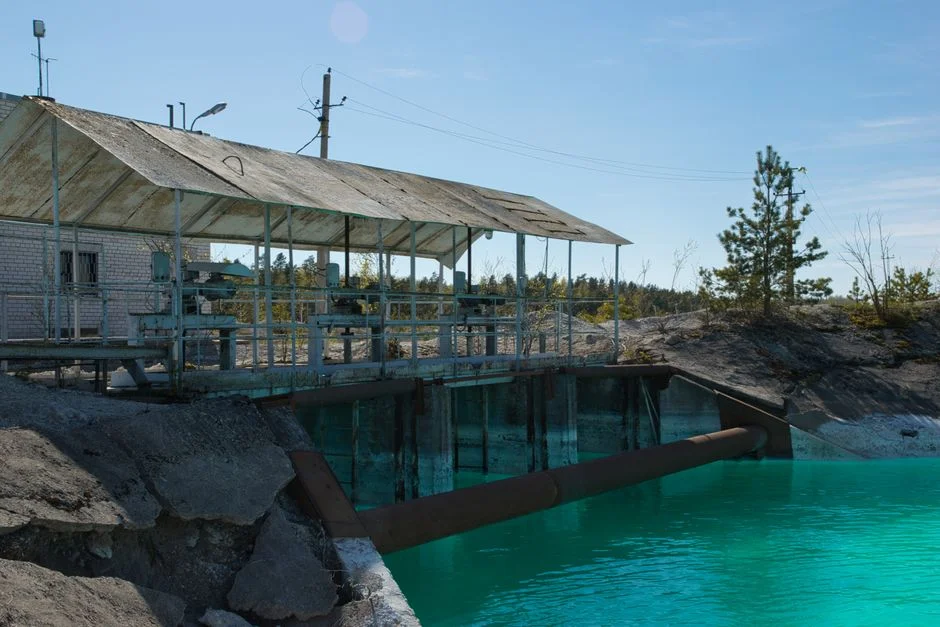
CAPEX and OPEX ranges below reflect 2026 procurement reality for containerized or skid-mounted systems shipped into Hai Van port, including equipment, instrumentation, and 6–10 days of commissioning supervision (HydropureWater field data, 2026). The packaged 50 m³/day integrated system sits at USD 45,000–70,000 CAPEX and USD 8,000–12,000/year OPEX, dominated by chemical cost and sludge hauling. A 100–200 m³/day MBR runs USD 120,000–220,000 CAPEX and USD 15,000–25,000/year OPEX, with membrane cleaning every 6–12 months and replacement at year 5–7. An MBBR + ClO2 system in the same flow band is USD 80,000–150,000 CAPEX, USD 10,000–18,000/year OPEX.
Lead times for skid units are 6–10 weeks ex-works; containerized or buried packages run 12–16 weeks including FAT. Vietnam import duties on water-treatment skids typically fall under HS 8421.21 (filtering or purifying machinery for water) at 0–5% AANZFTA preferential rates, but exact classification should be confirmed with a customs broker before tender. Power consumption for the MBR train in this example runs 1.2–1.6 kWh/m³, the MBBR train 0.7–1.0 kWh/m³, and the packaged system 0.9–1.2 kWh/m³ — useful for sizing the backup generator and the 5-year electricity OPEX line.
| System (100–200 m³/day) | CAPEX (USD) | Annual OPEX (USD) | Power (kWh/m³) | Membrane replacement |
|---|---|---|---|---|
| Integrated package (50 m³/day) | 45,000–70,000 | 8,000–12,000 | 0.9–1.2 | n/a |
| MBR + ClO2 | 120,000–220,000 | 15,000–25,000 | 1.2–1.6 | Year 5–7 |
| MBBR + ClO2 | 80,000–150,000 | 10,000–18,000 | 0.7–1.0 | n/a |
On-Site Treatment vs. Pre-Treatment to Municipal Sewer: A Decision Framework
The right answer depends almost entirely on which Da Nang district the hospital sits in and what sewer capacity is downstream. In central districts (Hai Chau, Thanh Khe, parts of Lien Chieu) with a confirmed connection to a municipal WWTP, an MBBR + ClO2 pre-treatment train sized to hit QCVN 14:2008 column B is the cost-effective option, at roughly 40% of full MBR CAPEX. In Son Tra, Ngu Hanh Son, Cam Le, and the suburban wards where the Da Nang drainage study reports < 10% municipal sewer coverage, full on-site MBR with reuse is the only defensible investment: it guarantees QCVN 28 compliance, it eliminates the risk of a discharge violation during peak monsoon inflow, and the reuse loop for landscape irrigation and toilet flushing recovers 40–60% of input water, shortening the membrane payback to 3–5 years in central Vietnam's climate.
Sludge handling must be designed in parallel. Da Nang has limited hazardous-waste incineration capacity, and most hospital sludges are classified as non-hazardous after the plate-and-frame press step — cake at 8–12% DS can go to the Khanh Son landfill under the city's industrial solid-waste permit, but the contract and hauling route need to be locked in before commissioning. The UK hospital wastewater engineering specs provide useful benchmarking for the equipment sizing, even though the compliance numbers and discharge points differ.
Frequently Asked Questions
What are the QCVN 28:2010 discharge limits for hospital wastewater in Vietnam?
QCVN 28:2010/BTNMT sets BOD5 ≤ 30 mg/L, COD ≤ 80 mg/L, TSS ≤ 50 mg/L, total nitrogen ≤ 30 mg/L, and total coliforms ≤ 3,000 MPN/100 mL for medical wastewater discharged from dedicated hospital treatment plants (MONRE 2010). Facilities must also maintain ≥ 1 mg/L residual chlorine after 1 hour contact.
What is hospital wastewater treatment in the QCVN 28 context?
Hospital wastewater treatment is the multi-stage process of removing pathogens, organic load, pharmaceutical residues, and disinfectants from medical facility effluent to meet QCVN 28:2010/BTNMT limits before discharge or reuse, typically combining screening, biological treatment (MBR or MBBR), and ClO2 or ozone disinfection.
How much does a hospital wastewater treatment plant cost in Vietnam in 2026?
A 100–200 m³/day MBR system costs USD 120,000–220,000 CAPEX with USD 15,000–25,000/year OPEX, while an MBBR + ClO2 train in the same flow range runs USD 80,000–150,000 CAPEX and USD 10,000–18,000/year OPEX (HydropureWater field data, 2026).
MBR or MBBR — which is better for a 250-bed hospital in Da Nang?
For a 250-bed facility with limited site footprint or reuse intent, MBR delivers COD < 60 mg/L and TSS < 5 mg/L in 40% of the conventional activated-sludge footprint. MBBR is the lower-CAPEX option when the hospital has a confirmed municipal sewer connection and only needs pre-treatment to QCVN 14:2008 column B.