Why Perak Needs Decentralized Package Wastewater Treatment Plants
A package wastewater treatment plant in Perak, Malaysia, typically handles 1–80 m³/h using A/O or MBR technology, achieving 90–95% TSS and BOD removal. These compact, fully automated systems meet DID Malaysia’s discharge standards and are ideal for industrial parks like KIGIP, where decentralized, reliable treatment is critical. The Northern Perak Water Supply Scheme (NPWSS) is designed to transfer 1,500 million liters per day (MLD) of raw water to the Bukit Merah Dam, but only 500 MLD is allocated for treated supply, leaving a significant infrastructure gap for wastewater return and localized treatment. This disparity forces new industrial developments and housing estates to manage their own effluent streams independently of centralized municipal sewers.
Industrial zones such as the Kerian Integrated Green Industrial Park (KIGIP) require on-site treatment systems because limited sewer connectivity prevents immediate integration into large-scale treatment grids. For procurement engineers, the primary driver for decentralized systems is the Department of Irrigation and Drainage (DID) mandate, which requires stringent effluent quality: BOD must remain below 20 mg/L, COD below 100 mg/L, and TSS below 50 mg/L for most inland discharges. Modern package plants are engineered to meet these benchmarks consistently even under variable hydraulic loads.
A decentralized wastewater strategy in Perak must account for specific process parameters including peak flow variability during monsoon seasons, extreme land constraints in established industrial zones, and the need for high levels of automation. Small-to-medium scale plants allow for modular expansion, meaning a factory or housing development can scale its treatment capacity in alignment with its occupancy or production growth. This approach reduces initial capital expenditure while ensuring 100% compliance with Malaysian environmental laws.
Effective decentralized treatment can bridge the infrastructure gap in Perak's industrial zones.
Available Technologies for Package Plants in Perak
The selection of a treatment process depends heavily on the influent characteristics and the desired reuse quality of the treated water. The A/O (Anoxic/Aerobic) process is the most common choice for residential developments and light industrial applications in Perak, removing BOD and nitrogen with 85–92% efficiency. This technology is particularly effective when influent BOD concentrations range between 50 and 300 mg/L, providing a stable biological treatment environment that requires minimal chemical intervention.
For projects requiring high-purity effluent or those located in water-stressed areas of Northern Perak, a space-saving MBR membrane bioreactor system is the preferred technical solution. MBR systems achieve filtration at the <1 μm level, effectively producing reuse-quality effluent with 95–98% BOD and TSS removal. Because the membrane acts as a physical barrier, it eliminates the need for secondary clarification tanks, reducing the overall system footprint by nearly 50% compared to conventional activated sludge systems. Dissolved Air Flotation (DAF) systems are integrated into the treatment train for food processing and metalworking industries in Perak to handle high concentrations of Fats, Oils, and Grease (FOG), achieving 90–97% removal before biological treatment.
Disinfection is the final critical stage for any package plant in Malaysia. Chlorine Dioxide (ClO₂) generators are increasingly utilized to meet WHO and EU standards, providing a 99.9% pathogen kill rate without the hazardous byproduct formation associated with liquid chlorine. These integrated disinfection units ensure that the effluent discharged into Perak’s river systems is biologically safe and compliant with DID health protocols.
| Technology Type | BOD Removal Efficiency | TSS Removal Efficiency | Ideal Application | Effluent Quality |
|---|---|---|---|---|
| A/O Process | 85–92% | 80–90% | Housing Estates, Schools | DID Standard B |
| MBR (Membrane) | 95–98% | 99%+ | Industrial Parks, Water Reuse | DID Standard A / Reuse |
| DAF + Biological | 90–95% | 90–97% | Food Processing, Metalwork | Industrial Compliance |
| SBR (Batch) | 88–94% | 85–92% | Variable Flow Facilities | Standard B Compliance |
Key Specifications for Perak’s Climate and Regulations
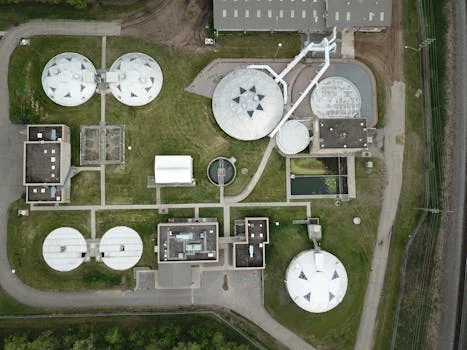
Perak’s tropical climate, characterized by average rainfall between 2,500 and 3,000 mm per year, necessitates robust stormwater separation and surge capacity design in all package plants. Without proper surge management, heavy rain events can wash out the biological biomass (MLSS) within the reactor, leading to immediate compliance failure. To mitigate this, fully automated underground package sewage treatment plants are designed with equalization tanks that can buffer 4–6 hours of peak flow, ensuring a steady feed to the biological reactors.
Material selection is equally critical due to the high humidity and soil acidity found in Perak’s coastal and industrial regions. Underground WSZ series units typically operate at capacities of 1–80 m³/h and are constructed from Glass Reinforced Plastic (GRP) or carbon steel treated with high-performance anti-corrosion coatings. These materials offer the necessary durability to prevent structural degradation over a 20-year lifespan. For technical buyers, comparing these to comparable package plant specifications in tropical climates reveals that humidity resistance is the single most important factor in reducing long-term maintenance costs.
Automation levels in modern package plants have moved toward "unmanned operation" through PLC control systems with remote monitoring. This is essential for rural sites in Perak where skilled operators may not be present 24/7. These systems monitor dissolved oxygen (DO), pH, and sludge levels in real-time, adjusting aeration and chemical dosing automatically to maintain compliance with DID Malaysia standards: BOD ≤ 20 mg/L, TSS ≤ 50 mg/L, pH 6–9, and NH3-N ≤ 10 mg/L.
| Parameter | DID Malaysia Standard | Package Plant Capability | Monitoring Method |
|---|---|---|---|
| BOD5 | ≤ 20 mg/L | < 10 mg/L | Lab Analysis / Sensor Proxy |
| COD | ≤ 100 mg/L | < 50 mg/L | Online COD Analyzer |
| TSS | ≤ 50 mg/L | < 5 mg/L (MBR) | Turbidity Sensor |
| Ammonia Nitrogen | ≤ 10 mg/L | < 5 mg/L | Ion-Selective Electrode |
| Oil & Grease | ≤ 5.0 mg/L | < 1.0 mg/L | Gravimetric / DAF Prep |
Comparison of Top Package Plant Options for Perak
Engineers must evaluate procurement options by balancing initial CAPEX with long-term OPEX and footprint requirements. The WSZ Series is the standard choice for decentralized sewage, offering a capacity range of 1–80 m³/h using an A/O + sedimentation + disinfection process. A typical unit for a small housing estate might have a footprint as small as 5m x 2m, with installed costs ranging from RM150,000 to RM1.2 million depending on the specific capacity and site requirements. These units are often buried to save surface space for landscaping or parking.
MBR systems represent the high-end tier of package plants, capable of handling 10–2,000 m³/day. While they require a 30% higher initial investment compared to conventional A/O units, they offer a 60% smaller footprint and produce effluent that is ready for non-potable reuse (cooling towers, irrigation). Over a 10-year lifecycle, MBR systems often result in a 20% lower OPEX because they minimize sludge production and eliminate the need for tertiary polishing filters. To ensure the system is sized correctly, use an accurate wastewater flow rate and capacity calculation method before finalizing the design.
For industrial effluent with high solid loads, the DAF + Biological hybrid system is necessary. This configuration handles 4–300 m³/h and is specifically designed for 90–97% TSS removal. However, it requires consistent chemical dosing (PAM and coagulants), which increases operational complexity compared to purely biological systems. Energy consumption also varies significantly: MBR systems typically consume 1.2–1.8 kWh/m³ due to membrane scouring air requirements, whereas A/O systems are more energy-efficient at 0.6–1.0 kWh/m³.
| System Series | Flow Rate (m³/h) | Footprint (m²) | Estimated Cost (RM) | Power (kWh/m³) |
|---|---|---|---|---|
| WSZ-5 (Small) | 5 | 12 | 150k – 250k | 0.7 |
| WSZ-50 (Medium) | 50 | 65 | 600k – 900k | 0.6 |
| MBR-Integrated | 20 | 18 | 450k – 700k | 1.5 |
| Industrial DAF-Bio | 100 | 120 | 1.1M – 1.8M | 1.2 |
Installation and Compliance Checklist for Perak Projects
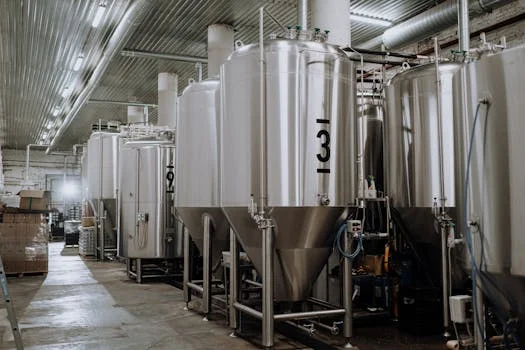
Navigating the regulatory environment in Perak requires strict adherence to both national and local guidelines. For any package plant with a capacity exceeding 500 Population Equivalent (PE) or 75 m³/day, a formal Environmental Impact Assessment (EIA) must be submitted to the Department of Environment (DOE) Malaysia. Failure to secure this approval before construction can lead to significant project delays and legal penalties. Additionally, the Department of Irrigation and Drainage (DID) requires a formal discharge application that includes 7-day composite effluent test results from an accredited lab to prove the system meets the specific discharge limits of the receiving water body.
Civil works for package plants in Perak must account for the high water table in certain districts. Installation of buried units requires a reinforced concrete foundation slab to prevent "buoyancy lift" during heavy rain when the tanks might be partially empty. Backfill material should be clean sand or pea gravel, compacted in layers to prevent point-loading on the tank walls. Following the physical installation, a 30-day commissioning period is standard, during which the biological culture is stabilized. This phase must include comprehensive operator handover training to ensure local staff can manage basic maintenance, such as blower filter cleaning and sensor calibration.
Frequently Asked Questions
What is the cost of a package wastewater treatment plant in Perak Malaysia?
The typical cost range is RM150,000 to RM1.5 million. The final price depends on the treatment technology (MBR is more expensive than A/O), the daily flow capacity, and whether the unit is installed above-ground or underground.Can