Why Online Chlorine Monitoring Is Now a Compliance Necessity, Not a Luxury
An NPDES permit typically sets a Total Residual Chlorine (TRC) limit of 0.1–1.0 mg/L at the plant outfall for freshwater discharges, and as low as 0.01 mg/L for estuarine or marine outfalls (per EPA limits cited in standard permit guidance). A single TRC excursion that triggers a fish-kill advisory has cost utilities $250,000–$2,000,000 in fines, supplemental monitoring, and remediation per EPA enforcement case data — the kind of figure that turns a $4,000–$8,000 analyzer line item into a rounding error. Over-chlorination from timer-based dosing routinely wastes 10–20% of NaOCl or ClO2 consumption, which means a 5 MGD plant recovers the analyzer cost in 6–14 months on chemical savings alone. AWWA C670-15 remains the operations and maintenance benchmark that auditors reference when reviewing residual chlorine reporting programs. For a complete view of how analyzers fit into the broader plant automation budget, see the 2026 SCADA pricing breakdown for wastewater plants.
Residual Chlorine Chemistry: The 60-Second Version an Engineer Actually Needs
Residual chlorine = free available chlorine (HOCl/OCl-) + combined chlorine (monochloramine, dichloramine, and nitrogen trichloride). The distinction matters because combined chlorine is roughly 80x less effective as a disinfectant than free chlorine, which is why wastewater permits increasingly separate the two on the discharge report. Per the Yokogawa chemistry reference citing Standard Methods for Examination of Water (Japan Water Works Association, 2001) and JIS K0101-1998, HOCl dominates below pH 5; OCl- dominates above pH 7.5; the pKa sits near 7.5 at 25 °C. Municipal effluent typically runs pH 6.5–7.5, which means a small swing of 0.3 pH units can shift the HOCl/OCl- ratio by 20–30% and change the apparent disinfection strength. This is why most WWTP specifications call for a pH-compensated free chlorine measurement rather than a simple total chlorine probe. Combined chlorine (chloramine) interference also makes a total chlorine analyzer unsuitable for breakpoint chlorination control, because the reading cannot resolve when the breakpoint has actually been passed — a process control nuance that most product catalog pages omit.
Three Sensor Principles Compared: Amperometric, Colorimetric, and ORP
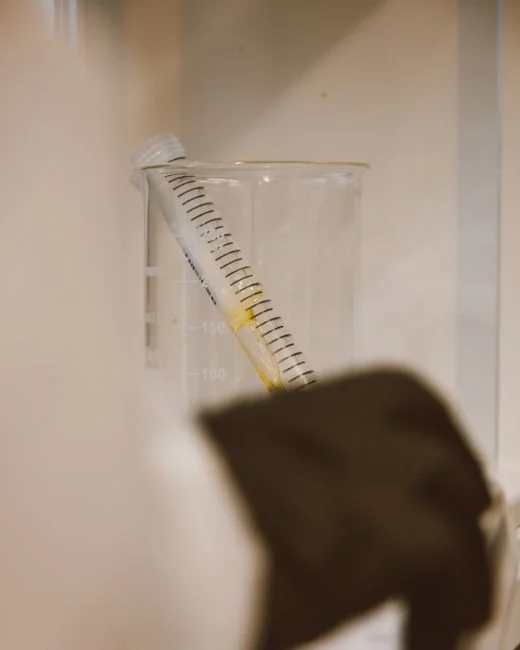
Amperometric membrane sensors are the workhorse for municipal WWTPs: a gold or silver cathode behind a PTFE or hydrophilic membrane generates a current proportional to chlorine diffusing through the membrane, with no reagent consumption, typical accuracy of ±0.05 mg/L, and a T90 response of 30–60 seconds. Colorimetric (DPD) analyzers use N,N-diethyl-p-phenylenediamine reacting with chlorine to form a magenta complex measured at 510–555 nm, with very high accuracy (±0.02 mg/L) but annual reagent costs of $1,200–$3,000 and poor tolerance for high-turbidity or high-COD streams. ORP probes are the cheapest option ($300–$1,200), but the reading is pH-dependent and is not a true chlorine measurement — it functions as a dosing surrogate where the ORP-to-chlorine relationship has been empirically calibrated. The decision rule: specify amperometric for compliance-grade free chlorine in wastewater effluent; DPD only for low-range (<0.5 mg/L) polishing or drinking water duty; ORP for closed-loop dose trim where the correlation has been validated. Membrane fouling is the dominant amperometric failure mode in WWTP service, requiring membrane and electrolyte replacement every 4–12 weeks depending on organic loading. For plants that need the analyzer wired into a dosing skid, see automatic chemical dosing skids designed to take a 4–20 mA residual setpoint directly from the analyzer.
| Parameter | Amperometric | Colorimetric (DPD) | ORP |
|---|---|---|---|
| Typical range | 0–10 mg/L | 0–5 mg/L | -1500 to +1500 mV |
| Accuracy | ±0.05 mg/L or ±5% | ±0.02 mg/L | ±10–20 mV (not chlorine) |
| T90 response | 30–60 s | 5–10 min (reagent cycle) | 5–15 s |
| Reagent use | None (electrolyte only) | $1,200–$3,000/yr | None |
| Turbidity tolerance | Moderate (membrane protects) | Poor above 10 NTU | High |
| Compliance-grade | Yes (EPA 334.0) | Yes (EPA 334.0) | No |
| 2026 CAPEX | $4,000–$12,000 | $8,000–$22,000 | $300–$1,200 |
Analyzer Specifications: What to Put on the Datasheet and Why
A defensible 2026 spec sheet starts with range: 0–10 mg/L free chlorine covers roughly 99% of WWTP duties, with an optional 0–2 mg/L range for low-discharge permits where resolution matters more than span. Accuracy should be written as ±0.05 mg/L or ±5% of reading, whichever is greater — the de facto industry benchmark copied from Yokogawa RC-series and Hach AN-ISE sc datasheets. Outputs: isolated 4–20 mA plus Modbus RTU/TCP is required for SCADA integration; legacy plants may still need Profibus or HART, and the spec should call for both rather than picking one. Response time: T90 ≤60 seconds is sufficient for compliance reporting; ≤30 seconds is required if the analyzer is driving a closed-loop dose control. Enclosure: NEMA 4X / IP66 minimum for any outdoor or wet-well-adjacent installation; panel-mount (IP65 front panel) is acceptable inside an analyzer shelter. Auto-cleaning options — ultrasonic or mechanical wiper — reduce manual wipe-downs from weekly to monthly in high-fouling secondary effluent service. Calibration verification per EPA Method 334.0 (daily check against a known standard, with documented DPD grab-sample cross-check at least weekly) is a routine compliance task that the spec should explicitly call out. For a view of how the analyzer fits into a broader digital reporting stack, the 2026 cloud monitoring platform buyer's guide covers the data hand-off layer.
| Spec line | Minimum (compliance) | Preferred (closed-loop) | Notes |
|---|---|---|---|
| Range (free Cl2) | 0–5 mg/L | 0–10 mg/L with auto-range | Match to permit + 20% |
| Accuracy | ±0.05 mg/L or ±5% | ±0.02 mg/L or ±3% | Whichever greater |
| Outputs | 4–20 mA + Modbus RTU | 4–20 mA + Modbus TCP + HART | Isolated, loop-powered |
| T90 response | ≤60 s | ≤30 s | Drives PID tuning |
| Enclosure | IP66 / NEMA 4X | IP66 + auto-clean | Wet-well adjacent |
| Sample conditioning | Strainer + flow cell | Bypass loop + isolation valves | Allows maintenance |
SCADA and Dosing Integration: Closing the Loop on Chlorine Control
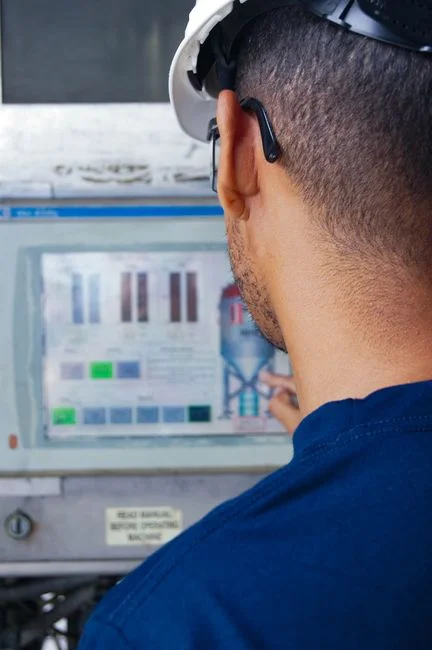
The analyzer becomes a true process control instrument only when it drives a PID loop into the chemical dosing pump. Typical architecture: analyzer → PLC (PID block) → chemical dosing pump with 4–20 mA stroke or speed setpoint, feedback trimming the dose to hold a target residual setpoint of 0.5–1.0 mg/L at the contact tank outlet. PID tuning note: an integral time of 2–5 minutes accommodates the hydraulics of a chlorine contact chamber; faster tuning (I < 1 min) causes oscillation as the sensor reading chases the slug flow through the basin. Documented case data from municipal retrofits shows 15–25% NaOCl consumption reduction when switching from timer-based to PID-residual control (HydropureWater field data, 2026) — a number that justifies the analyzer CAPEX on chemical alone, separate from compliance. Daily calibration verification per EPA Method 334.0 with a known standard, and weekly cross-check against a grab-sample DPD test, are the routine compliance tasks auditors expect. Online analyzers typically represent 5–10% of a plant's total instrumentation budget, with the rest split between flow, level, and supporting water quality probes — a proportion worth flagging when the CAPEX line gets reviewed. For plants considering alternatives to chlorine, on-site on-site chlorine dioxide generation systems can be paired with the same analyzer architecture, with the DPD method configured to read total chlorine without chloramine interference.
CAPEX and OPEX: 2026 Budget Numbers for Online Chlorine Analyzers
2026 capital costs break out by technology: amperometric analyzer $4,000–$12,000, colorimetric (DPD) analyzer $8,000–$22,000, ORP probe $300–$1,200 (utility-grade only, not compliance). Annual OPEX: amperometric membrane and electrolyte replacement $800–$1,500/year, DPD reagent $1,200–$3,000/year, ORP probe replacement every 12–18 months at $400–$900. Installation runs $2,000–$6,000 for a sample line with strainer, isolation valves, and a flow cell; a bypass loop is best practice so maintenance does not force a process shutdown. Lifecycle: 8–12 years for analyzer electronics, 5–7 years for probes and sensors in WWTP service, meaning a 10-year TCO roughly equals 1.5–2.0x the initial CAPEX. 2026 supply chain conditions have stabilized amperometric sensor lead times to 4–8 weeks, down from 26+ weeks in 2022, which means standard procurement cycles no longer need to pad for delivery. Budget planners should also include annual calibration-verification labor (roughly 8–16 hours/year at a senior operator rate) and a service contract line if the utility does not retain in-house electrochemistry expertise.
| Cost line | Amperometric | DPD colorimetric | ORP |
|---|---|---|---|
| CAPEX (analyzer) | $4,000–$12,000 | $8,000–$22,000 | $300–$1,200 |
| Installation | $2,000–$6,000 | $2,500–$7,000 | $500–$1,500 |
| Annual consumables | $800–$1,500 | $1,200–$3,000 | $400–$900 (probe only) |
| Probe/sensor life | 5–7 years | 3–5 years | 1–1.5 years |
| Electronics life | 8–12 years | 8–12 years | 8–12 years |
| 10-year TCO estimate | $16K–$40K | $30K–$65K | $5K–$12K |
2026 Vendor Shortlist and Selection Checklist
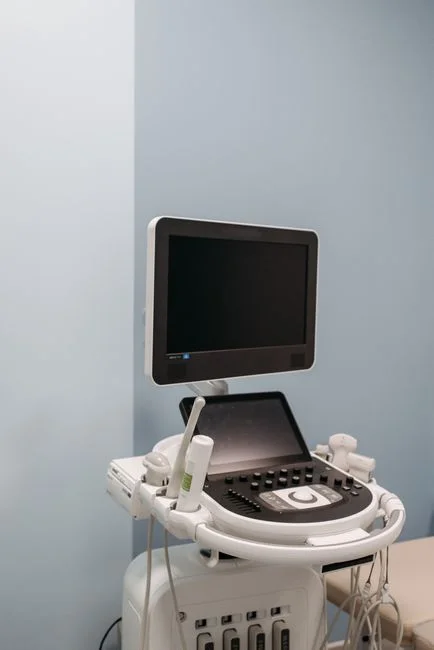
Industrial online chlorine analyzer manufacturers active in 2026 include Yokogawa (RC/EXA series), Hach (CL17, AN-ISE sc), Endress+Hauser (Liquiline platform), XOS (OptiChlor), Real Tech, and ATI (Q45H/76 series) — with Chinese OEMs offering cost-competitive alternatives packaged into skid systems. The selection checklist that converts this article into a purchase order: (1) does the analyzer cover the compliance range specified in your permit? (2) is the sample matrix (turbidity, COD, pH swing) compatible — DPD struggles above 10 NTU, amperometric handles secondary effluent with routine membrane swaps? (3) reagent versus no-reagent preference — labor and chemical handling for DPD, membrane logistics for amperometric? (4) output protocol compatibility with existing SCADA — Modbus TCP versus Profibus versus HART? (5) local service coverage and calibration-support response time? (6) total 5-year TCO, not just the sticker price? HydropureWater packages the analyzer with chemical dosing skids for turnkey delivery, handling commissioning and Site Acceptance Testing (SAT) against EPA Method 334.0 verification — a path that removes the integrator-of-integrators problem for utilities without in-house instrumentation staff.
| Vendor | Product line | Principle | Typical fit |
|---|---|---|---|
| Yokogawa | RC25D, EXA SC | Amperometric | Municipal WWTP, large industrial |
| Hach | CL17, AN-ISE sc | Colorimetric / ISE | Low-range, drinking water |
| Endress+Hauser | Liquiline CCM253 | Amperometric / DPD | Multi-parameter platforms |
| XOS | OptiChlor | Colorimetric (XRF-based) | Ultra-low range <0.5 mg/L |
| ATI | Q45H/76 | Amperometric | Heavy industrial, harsh matrix |
| Real Tech | FC series | UV/vis colorimetric | Wastewater polishing |
Frequently Asked Questions
What range should I specify for a municipal WWTP compliance monitor?
0–10 mg/L free chlorine covers roughly 99% of NPDES duties; specify an optional 0–2 mg/L low range for permits at or below 0.5 mg/L TRC where resolution at the limit matters more than full span.
Amperometric or DPD — which is better for wastewater effluent?
Amperometric handles secondary effluent with routine 4–12 week membrane swaps and no reagent handling; DPD gives higher accuracy but is unsuitable above 10 NTU and costs $1,200–$3,000/year in reagent.
Can I use an ORP probe for compliance reporting?
No. ORP is pH-dependent and not a true chlorine measurement; it is a dosing surrogate only. EPA Method 334.0 requires amperometric or DPD for compliance-grade residual chlorine.
How fast does the analyzer need to respond for closed-loop dosing?
T90 ≤30 seconds for closed-loop control; ≤60 seconds is acceptable for compliance-only monitoring. PID integral time should be set to 2–5 minutes to match contact-chamber hydraulics.
What is the realistic payback for switching from timer dosing to PID-residual control?
6–14 months on chemical savings alone for a 5 MGD plant, based on documented 15–25% NaOCl consumption reduction and a $4,000–$8,000 analyzer CAPEX (HydropureWater field data, 2026).