What Does a Confectionery Wastewater UF System Actually Cost in 2026?
An ultrafiltration system for confectionery wastewater costs between $180,000 and $1,400,000 in CAPEX in 2026, with OPEX of $0.18–$0.55 per m³ treated, depending on flow (5–500 m³/day), membrane chemistry (PVDF hollow fiber or PES spiral wound), and influent sugar/starch load. PVDF is the default for high-sugar, high-temperature candy effluent due to chemical resistance and a 5–7 year membrane life, while PES is 20–30% cheaper upfront but fouls faster on dye-bearing streams. Two variables dominate the band: the membrane material you specify on the RFQ and the influent organic load your plant actually generates.
Candy, chocolate, and gum plants typically discharge effluent at COD 3,000–25,000 mg/L, BOD₅/COD ratios of 0.4–0.6, and temperatures of 40–60°C from cookers and clean-in-place (CIP) rinses — a profile that destroys generic UF cost benchmarks borrowed from textile or dairy plants. As a performance anchor, oily-wastewater UF studies have demonstrated ~80% COD rejection at the membrane stage (per ScienceDirect, 1995), and confectionery streams with comparable organic strength behave similarly when flux is correctly derated for sugar viscosity.
The figures below assume a skid-mounted, PLC-controlled package ex-works China with SS304/SS316 wetted parts, heated CIP, and instrumentation for pH, conductivity, pressure, and flow. Excluded: civil works, building permits, DAF pre-treatment, RO polish, and concentrate hauling — each of which can add 20–60% to a turnkey budget if scope creeps. The worked 50 m³/day example at the end of this article lands near $320K CAPEX, which is the right number to anchor a 2026 board-paper budget.
| Plant Flow (m³/day) | Typical CAPEX (USD, 2026) | OPEX Range ($/m³) | Recommended Membrane |
|---|---|---|---|
| 5–20 | $180,000–$320,000 | $0.35–$0.55 | PVDF hollow fiber, 0.01–0.05 μm |
| 20–100 | $320,000–$700,000 | $0.22–$0.40 | PVDF hollow fiber, 50–100 kDa |
| 100–300 | $700,000–$1,100,000 | $0.20–$0.32 | PVDF hollow fiber + pre-screen |
| 300–500 | $1,000,000–$1,400,000 | $0.18–$0.28 | PVDF or ceramic tubular, multi-skid |
Why Confectionery Effluent Is Unusually Hard on UF Membranes
Confectionery wastewater sits in a fouling regime that textile and dairy references do not capture. Typical influent runs COD 3,000–25,000 mg/L, BOD₅/COD 0.4–0.6, TSS 500–4,000 mg/L, pH 4–11 swings from CIP campaigns, and outlet temperatures of 40–60°C from cookers and syrup lines. The four foulant classes you need to design against are: (1) sugars — sucrose, glucose, fructose — fully soluble but carrying a high osmotic load that suppresses permeate flux; (2) starches and gelatin, which form gel layers on the membrane surface and are the single most common cause of irreversible fouling in candy plants; (3) food dyes (anthocyanins, tartrazine, caramel color) and Maillard reaction products, which behave like the hydrophobic/hydrophilic (HPO/HPI) acid fraction in municipal EfOM; and (4) cleaning surfactants from CIP that re-foul the membrane during the recovery phase.
Two findings from the EfOM literature translate directly to candy-plant UF. First, in work on 100 kDa PES ultrafilters, HPO/HPI acids made up only 22% of total EfOM yet accounted for nearly all observed fouling (Scholarmate, Kim & Dempsey) — and confectionery dyes plus Maillard products are functionally the same acid-class compounds. Second, particles and colloids >20 nm represented just 19% of TOC but held 96% of the >100 kDa material that physically plugs UF pores (Scholarmate, same study). The practical sweet spot is therefore a 0.01–0.1 μm pore size (or 50–100 kDa MWCO) rated for the colloidal fraction, with a DAF or screen upstream to strip the >20 nm load before it hits the membrane.
Temperature is the operator's friend. Sucrose and glucose syrups thin out sharply as they warm — a 10°C rise roughly halves viscosity effects — and operating at 45°C instead of 25°C can lift sustainable flux by 30–50% without changing the membrane. Most PVDF and PES modules are rated to 45–55°C continuous, which lines up with candy-plant discharge temperatures and lets you skip an inline heat exchanger on most lines. The catch is CIP: your alkaline wash will be 50–55°C, so the membrane must tolerate that as a daily event, not a peak rating.
Membrane Material and Configuration: PVDF vs PES vs Ceramic
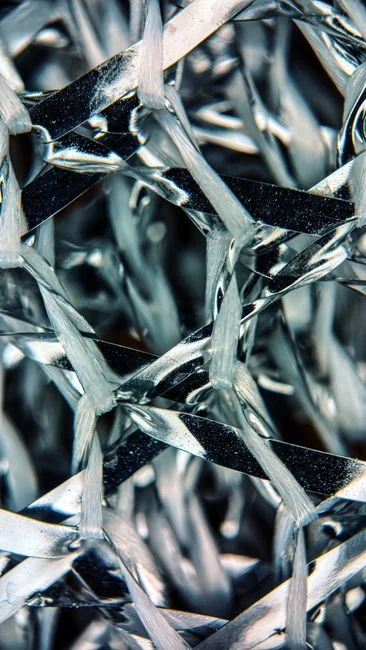
The membrane choice is the single most defensible technical decision on the RFQ. Three chemistries cover virtually all confectionery duty: PVDF hollow fiber, PES spiral wound, and ceramic tubular. For 80% of candy, chocolate, and gum plants, hollow-fiber PVDF is the right default — it tolerates pH 1–13, accumulates 5,000+ ppm·h of chlorine exposure before integrity loss, and delivers a 5–7 year service life on sugar and starch streams at $80–$140 per m² of module area. PES spiral wound comes in 20–30% cheaper at $55–$95/m² and shares the same pH window, but its chlorine tolerance is only 1,000–2,000 ppm·h and its typical life drops to 3–4 years on dye-bearing streams — meaning the lower CAPEX is consumed by faster membrane swaps and more frequent CIP. Ceramic tubular is the premium option at $400–$700/m², but it is the only chemistry that survives pH 0–14, 15+ year service life, and CIP campaigns with >2% NaOH at 80°C; you justify ceramic only above 70°C continuous operation or where the CIP recipe is genuinely aggressive.
| Parameter | PVDF Hollow Fiber | PES Spiral Wound | Ceramic Tubular |
|---|---|---|---|
| pH range | 1–13 | 1–13 | 0–14 |
| Chlorine tolerance (ppm·h cumulative) | 5,000+ | 1,000–2,000 | N/A (inorganic) |
| Max continuous temperature | 45–55°C | 45–50°C | 80–95°C |
| Typical membrane life (confectionery duty) | 5–7 years | 3–4 years | 15+ years |
| Module cost (USD/m²) | $80–$140 | $55–$95 | $400–$700 |
| Best-fit influent | COD >5,000 mg/L, hot, dye-bearing | COD <5,000 mg/L, <35°C, low dye | High-T, aggressive CIP, longest TCO horizon |
For comparison, industrial UF modules from major suppliers are dominated by PVDF and PES configurations across pharmaceuticals, food and beverage, and enzyme preparation (per Membrane Solutions product catalog) — which means spare parts, replacement elements, and field references are easiest to source in those two chemistries. If your influent is <5,000 mg/L COD and stays below 35°C, PES is a defensible budget pick; otherwise, hold the line on PVDF and recover the membrane-life delta in OPEX within 18–24 months. Plants evaluating biological alternatives for the same load can also review MBR cost benchmarks for food processing to triangulate membrane technology choices, or compare downstream NF vs RO configurations for reuse trains before locking the specification.
CAPEX Breakdown: What You're Actually Paying For
The headline CAPEX figure only becomes useful when it is broken into line items that can be benchmarked against vendor quotes. For a typical 50 m³/day confectionery UF skid in 2026, the membrane modules and pressure housings run 30–40% of total CAPEX, pumps plus SS304/SS316 piping and the skid frame 15–20%, and the PLC plus pH/conductivity/pressure/flow instrumentation 10–12%. The heated CIP system — NaOH tank, acid tank, neutralization, plate heat exchanger — is 8–10%, and engineering, FAT, sea freight, and installation supervision together account for 12–18%. At 2026 stainless and module prices, a 50 m³/day PVDF hollow-fiber system lands near $320,000 ex-works.
| CAPEX Line Item | % of Total | 50 m³/day Worked Example (USD) |
|---|---|---|
| Membrane modules + housings | 30–40% | $96,000–$128,000 |
| Pumps, skid, SS304/SS316 piping | 15–20% | $48,000–$64,000 |
| PLC + instrumentation (pH, cond., P, F) | 10–12% | $32,000–$38,400 |
| Heated CIP system (NaOH + acid + neutralization) | 8–10% | $25,600–$32,000 |
| Engineering, FAT, shipping, install supervision | 12–18% | $38,400–$57,600 |
| Total skid-mounted CAPEX | 100% | ~$320,000 |
CIP chemical dosing is best handled with a dedicated PLC-controlled chemical dosing system that interlocks pH, conductivity, and temperature setpoints with pump runtime — this is the cheapest insurance against under- or over-dosing that drives premature membrane replacement. Plants with high TSS or oil/grease from chocolate tempering should also budget a DAF pre-treatment stage upstream of UF, which typically adds $40,000–$90,000 to the turnkey budget but extends UF membrane life by 30–50% on grease-loaded streams.
OPEX Breakdown: Energy, CIP, Membrane Replacement, Labor
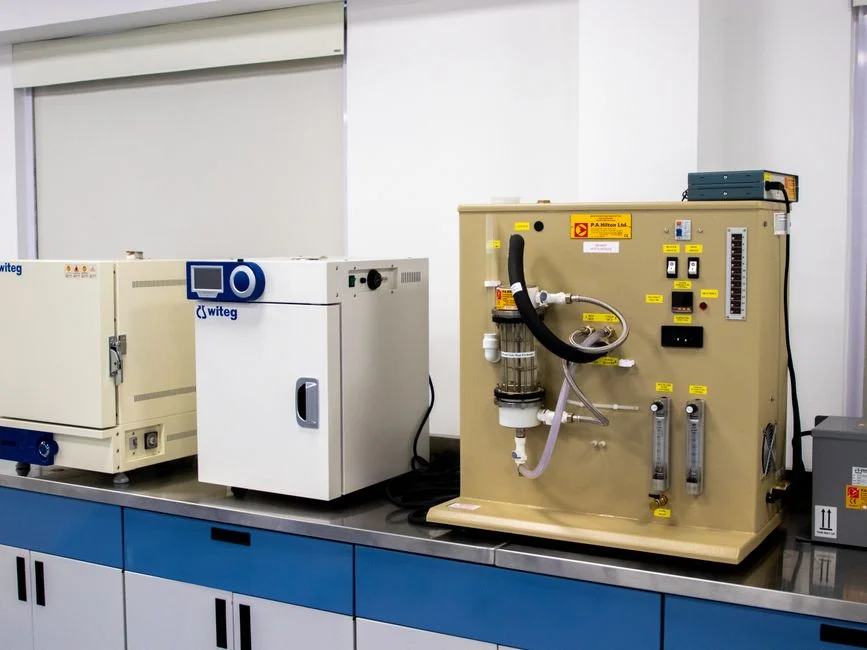
OPEX is where the membrane chemistry decision actually shows up on the P&L. Energy (feed pumps, backwash pumps, and CIP heating) is the largest line at 35–45% of OPEX, or $0.07–$0.20/m³ treated — a variable-pressure feed pump and a heat exchanger on the CIP loop are the two highest-ROI retrofits you can specify on day one. Membrane replacement is the second-largest line at 25–35% of OPEX, amortized to $0.05–$0.18/m³ depending on chemistry; this is where PVDF's longer life earns back its 20–30% CAPEX premium on dye and starch streams. CIP chemicals — NaOH, citric or nitric acid, and NaOCl — run 12–18% of OPEX at $0.03–$0.08/m³, labor and preventive maintenance 8–12% at $0.02–$0.05/m³, and sludge handling plus concentrate disposal 5–10% at $0.01–$0.04/m³.
Total annual OPEX on the worked 50 m³/day example (18,250 m³/yr at 90% uptime) is approximately $145,000 — $65,000–$70,000 in energy, $36,000–$50,000 in membrane amortization, $22,000–$29,000 in CIP chemicals, $15,000–$22,000 in labor, and $7,000–$15,000 in sludge/concentrate. To put the OPEX economics in broader context, the academic literature on hybrid UF systems (e.g., UF–photocatalytic reactors, Springer 2022) characterizes them as having "low fabrication and operating costs" relative to advanced oxidation alone — and the same directional logic applies: getting membrane flux stable cuts the kWh per cubic meter more reliably than chasing a more exotic separation. Concentration and sludge handling typically also benefits from a downstream plate-and-frame filter press for dewatering the UF concentrate before haul-off.
Fouling Control and CIP: Protecting Your Membrane Investment
Fouling is the number-one cause of UF project failure in food plants, and the CIP protocol you write into the operating manual is the single biggest lever you control. The standard three-phase cycle is: (1) alkaline wash with 0.5–1% NaOH at 50–55°C for 60 minutes to hydrolyze starches, gelatin, and organic films; (2) acid wash with 0.3–0.5% citric or nitric acid at 45°C for 45 minutes to dissolve scaling and metal complexes; and (3) chlorine sanitization at 200–500 ppm NaOCl for 30 minutes to control biofilm. Between CIPs, run a permeate backwash every 30–60 minutes to slow cake-layer build-up; on a 50 m³/day line, this typically adds 8–12% to permeate volume but extends the CIP interval from daily to every 2–3 days.
Set your sustainable flux target at 40–80 LMH for high-sugar streams, against 80–120 LMH for cleaner water — running sugar-loaded effluent above 80 LMH compresses the gel layer, accelerates flux decline, and is the most common reason PVDF modules die in year three instead of year six. Translate the EfOM finding on HPO/HPI acids (Scholarmate) into a confectionery action item: strip dyes and Maillard products upstream of UF with activated carbon or a small oxidation stage, and CIP frequency drops by roughly 40%. The savings on chemicals, heating energy, and membrane life will repay the upstream polish within 12 months on any plant above 20 m³/day. Turnkey treatment trains for plants that want a packaged, PLC-controlled UF + RO + polishing loop are described in our integrated water purification system reference design, which bakes the CIP and flux-management logic into the control philosophy from the factory.
Integrating UF with RO for Water Reuse and the 2026 Payback Math
UF almost always earns its budget when it is sized as RO pretreatment rather than as a standalone discharge-polish step. A well-run UF stage cuts the Silt Density Index (SDI) of the RO feed from 6–8 down to below 3, which extends RO membrane life by 2–3× and reduces RO CIP frequency by roughly 50% — at typical 2026 RO element replacement costs of $600–$900 per element, that single benefit covers a meaningful share of the UF OPEX on its own. Reuse rates of 60–75% of the treated effluent for boiler feed, cooling-tower make-up, or final CIP rinse water are realistic for confectionery plants that size their equalization tank to absorb batch swings.
The worked 3-year ROI on the 50 m³/day example: $320,000 CAPEX plus $145,000/year OPEX against $210,000/year in avoided municipal water purchase and $85,000/year in avoided discharge surcharge, giving net annual savings of approximately $150,000 and payback in roughly 2.6 years. Sensitivity is driven by local water tariffs — plants on $4–$6/m³ potable water and $3–$5/m³ discharge surcharges see the fastest payback, typically under 2 years. The mainstream applicability of PVDF and PES UF in food and beverage concentration duty (per Membrane Solutions product data) confirms the technology is no longer exotic, and broader 2026 membrane market drivers point to continued module cost compression through 2027. For the polish stage, a packaged RO system downstream of UF is the standard selection; for biological load reduction upstream, MBR systems for confectionery wastewater are a credible alternative where influent BOD warrants suspended-growth treatment ahead of UF.
Frequently Asked Questions
How much does a UF system for a 50 m³/day candy plant cost in 2026?
A skid-mounted, PLC-controlled PVDF hollow-fiber UF system with heated CIP lands at approximately $320,000 ex-works; a turnkey installed system with DAF pretreatment runs $400,000–$450,000.
What COD removal can a UF system achieve on confectionery wastewater?
Expect 75–85% COD rejection at the membrane stage on well-screened influent, with UF permeate COD typically in the 500–3,000 mg/L range depending on sugar and starch load.
PVDF vs PES for candy wastewater — which is better?
PVDF hollow fiber is the right default above 5,000 mg/L COD or 35°C; PES spiral wound is defensible below those thresholds and saves 20–30% on CAPEX, but its 3–4 year membrane life on dye streams erodes that advantage in OPEX.
How often will I need to CIP a UF membrane on sugar effluent?
Every 2–3 days with the 3-phase alkaline/acid/chlorine protocol described above; every 5–7 days if you add upstream dye and color removal (activated carbon or oxidation) to cut the HPO/HPI acid load on the membrane.
Can UF permeate go straight to RO for water reuse?
Yes. UF as RO pretreatment cuts SDI from 6–8 to below 3, extends RO membrane life 2–3×, and supports reuse rates of 60–75% of the treated stream for boiler feed, cooling-tower make-up, or CIP rinse water.
What is the typical payback period for a confectionery UF + RO reuse train?
2.0–3.0 years on a 50 m³/day system at 2026 water and discharge tariff assumptions, with sensitivity dominated by local potable water pricing and discharge surcharges.