Why Industrial MBR Membranes Fail: Real-World Scenarios and Root Causes
The right industrial MBR membrane module is the one sized to your influent variability, footprint, and the maintenance capacity of the team that will run it. Plants lose days of runtime each year when screen openings, FOG load, or MLSS exceed what the chosen geometry can tolerate. Textile, food, and pharma failures usually start with that mismatch, not with membrane polymer choice alone.
A textile plant in Gujarat saw premature hollow fiber breakage and effluent turbidity above 50 NTU because its 1 mm bar screen let polyester fibers through. According to U.S. EPA wastewater MBR guidance, all MBR systems require 1– to 3-mm fine screens before the membranes, and hollow-fiber units typically need 1– to 2-mm openings. A food processing facility in Southeast Asia replaced hollow fiber modules every 18 months when influent fats, oils, and grease (FOG) exceeded 500 mg/L. Under that FOG load, flat sheet modules with active scouring historically foul about 3x slower than hollow fibers. Pharmaceutical plants run lower MLSS but can still see flux decline from specific organic compounds.
MBR Membrane Mechanics: How PVDF Flat Sheet and Hollow Fiber Modules Work
Submerged Membrane Bioreactor systems combine biological oxidation with membrane filtration in a single tank. That layout removes the secondary clarifier and can shrink plant footprint by up to 60%. PVDF is the dominant material because it balances chemical resistance, mechanical strength, and cost. The MBR Flat Sheet Membrane Module (DF Series) delivers 80–225 m² of filtration area per unit, with integrated aeration boxes that release coarse bubbles (3–5 mm) to scour the membrane surface and stop cake layers from forming. Hollow fiber modules use bundles of porous tubes with an outside diameter of 1.9–2.8 mm and pore sizes of 20–100 nm, often built around a braided core for strength. Their aeration uses finer bubbles (1–2 mm), which transfers oxygen efficiently but scrubs less aggressively than a coarse bubble flat sheet system. Fouling shows as a rise in Transmembrane Pressure (TMP); movement from a 0.1 bar baseline toward 0.5 bar is the practical trigger for cleaning. Flat sheet membranes tolerate elevated TMP more reliably and hold stable flux under tougher conditions. Knowing how each geometry moves air and water is the first step in picking the right module for a specific wastewater.
| Feature | PVDF Flat Sheet (e.g., HydropureWater DF Series) | Hollow Fiber (e.g., DuPont MemPulse™) | Typical Industrial Application Relevance |
|---|---|---|---|
| Pore Size | 0.1 μm | 20–100 nm (0.02–0.1 μm) | Both meet effluent standards of <1 μm filtration. |
| Filtration Area per Module | 80–225 m² | Varies widely; modules can be compact. | Flat sheet offers higher area density in a given module footprint. |
| Aeration Type | Coarse bubbles (3–5 mm) for intense scouring | Fine bubbles (1–2 mm) for efficient aeration and some scouring | Flat sheet's coarse bubbles offer superior fouling mitigation in high MLSS. |
| Scouring Mechanism | Integrated aeration boxes | Aeration at module base/within fibers | Flat sheet's targeted scouring is more effective against cake layers. |
| Fouling Resistance (General) | Higher, especially under high MLSS and FOG | Good, but can be susceptible to fibrous materials and high FOG | Critical for industries like food processing and textiles. |
| Transmembrane Pressure (TMP) Tolerance | Higher (0.1–0.5 bar sustained) | Moderate; TMP spikes can indicate fouling | Flat sheet's robustness is key for variable influent. |
| Mechanical Strength | Rigid, less prone to fiber breakage | Can be susceptible to breakage from physical impact or abrasive materials | Important for plants with potential for debris or operational stress. |
Head-to-Head: Flat Sheet vs. Hollow Fiber MBR Membranes for Industrial Use
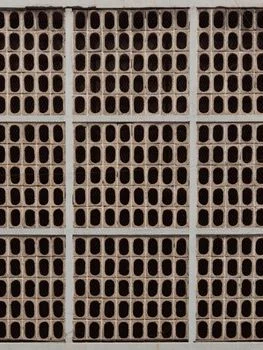
PVDF flat sheet membranes hold flux of 32–135 m³/day at MLSS of 10,000–20,000 mg/L. Hollow fiber modules drop to 20–80 m³/day once MLSS exceeds 15,000 mg/L in comparative trials. On FOG, flat sheets tolerate 500–1,000 mg/L while hollow fibers usually need pre-treatment to stay below 200 mg/L. Energy use runs 0.4–0.6 kWh/m³ for flat sheets and 0.3–0.5 kWh/m³ for hollow fibers, a gap driven mostly by fine bubble aeration efficiency. The maintenance picture flips the economics: flat sheets let you swap individual plates, while a broken or irreversibly fouled hollow fiber bundle usually means replacing the whole module. Both deliver filtrate below 1 μm, so the real decision is which geometry matches the wastewater you actually have and the crew you actually have.
| Performance Metric | PVDF Flat Sheet MBR | Hollow Fiber MBR | Implication for Industrial Use |
|---|---|---|---|
| Flux Stability (High MLSS: 10-20k mg/L) | 32–135 m³/day | 20–80 m³/day (at >15k mg/L) | Flat sheet is more robust for industries with high biomass concentrations (e.g., food processing). |
| Fouling Resistance (FOG Tolerance) | 500–1,000 mg/L | Requires <200 mg/L | Flat sheet is preferred for wastewater with significant oil and grease content. |
| Energy Consumption (Aeration) | 0.4–0.6 kWh/m³ | 0.3–0.5 kWh/m³ | Hollow fiber offers lower operating costs for aeration-intensive processes. |
| Footprint Efficiency | Generally requires more space due to module design | Can be more compact, ideal for space-constrained sites | Hollow fiber is advantageous for retrofits or new plants with limited land. |
| CAPEX (Module Cost) | Higher per m² of membrane area | Lower per m² of membrane area | Initial investment may favor hollow fiber, but lifecycle costs need consideration. |
| OPEX (Maintenance & Replacement) | Lower due to individual plate replacement | Higher if module replacement is frequent | Flat sheet's simpler maintenance reduces long-term operational expenses. |
| Maintenance Ease | Individual plate replacement; less specialized labor | Module replacement; requires skilled technicians | Operational team's capacity influences the long-term viability of each type. |
| Effluent Quality | <1 μm filtration | <1 μm filtration | Both meet stringent discharge and reuse standards. |
Industrial Use Cases: Which MBR Membrane Wins in Each Sector?
Sector influent drives the choice more than any spec sheet. Food and Beverage plants typically push MLSS to 15,000–25,000 mg/L with FOG at 300–800 mg/L, and PVDF flat sheet membranes are the usual winner here, with reported fouling rates about 20% lower than hollow fiber in compiled case data. Pharmaceutical facilities usually run lower MLSS (<5,000 mg/L) but carry complex organics and COD of 5,000–10,000 mg/L; hollow fiber modules often win on roughly 30% lower energy use and a smaller footprint. Textile wastewater is full of fibers and dyes, so flat sheet modules paired with 1 mm pre-screens are the practical route to 95% TSS removal. Pulp and Paper mills see TDS of 5,000–10,000 mg/L and high suspended solids, where anti-scaling coated hollow fiber modules have shown about 15% longer membrane life in manufacturer data. Landfill leachate, with its high ammonia and shifting COD, is generally handled by flat sheet systems on a roughly 30-day cleaning cadence, reaching 90% COD removal in large-scale projects. Most plants we size for these sectors end up matching the membrane to the worst week of influent, not the average week.
2026 Cost Benchmarks: CAPEX, OPEX, and ROI for Industrial MBR Systems
2026 CAPEX for PVDF flat sheet modules sits at $1,200–$1,800 per m² of membrane area, while hollow fiber runs $900–$1,500 per m². OPEX is where the gap closes. Aeration energy costs about $0.15–$0.30/m³, chemicals add $0.05–$0.15/m³, and labor runs $0.03–$0.10/m³, all per industry cost compilations. Flat sheet MBRs in high-MLSS service typically hit ROI in 3–5 years; hollow fiber systems in low-MLSS service usually need 5–7 years to pay back. Hidden costs matter: hollow fiber plants often need $50,000–$100,000 in pre-screening upgrades to protect the fibers, while flat sheet retrofits sometimes need $20,000–$50,000 in aeration tweaks for proper scouring. A 500 m³/day dairy plant reported about $80,000 per year in lower sludge disposal costs once they switched to flat sheet, which is roughly the kind of swing that flips a lifecycle decision.
| Cost Component | PVDF Flat Sheet MBR (2026 Benchmark) | Hollow Fiber MBR (2026 Benchmark) | Notes |
|---|---|---|---|
| CAPEX (Module Cost per m²) | $1,200 – $1,800 | $900 – $1,500 | Hollow fiber generally lower initial module cost. |
| OPEX (Energy per m³) | $0.15 – $0.30 | $0.15 – $0.25 | Hollow fiber may offer slight energy advantage due to fine bubble aeration. |
| OPEX (Chemicals per m³) | $0.05 – $0.15 | $0.05 – $0.15 | Comparable, depends on influent characteristics and cleaning regime. |
| OPEX (Labor per m³) | $0.03 – $0.10 | $0.04 – $0.12 | Flat sheet's simpler maintenance can reduce labor costs. |
| ROI (High MLSS Applications) | 3–5 years | 5–7 years | Flat sheet's performance stability drives faster ROI in challenging streams. |
| Pre-screening Upgrade Cost | $20,000 – $50,000 | $50,000 – $100,000+ | Hollow fiber often requires more robust pre-treatment to protect fibers. |
| Aeration System Upgrade Cost | $20,000 – $50,000 | $10,000 – $30,000 | Flat sheet may require enhanced aeration for effective scouring. |
Selection Checklist: How to Choose the Best MBR Membrane for Your Plant
Use a structured framework to lower the risk of a wrong-spec module. Step 1: Characterize influent variability. Pull lab data or historical records on MLSS (from <3,000 mg/L to >20,000 mg/L), COD, FOG, pH, temperature, and any known abrasive or fibrous fractions. Step 2: Assess space constraints. Flat sheet modules with their aeration boxes typically need 20–30% more footprint than hollow fiber bundles. Step 3: Evaluate maintenance capacity. Flat sheets let general plant staff swap individual plates; hollow fibers need trained technicians for module-level replacement. Step 4: Compare lifecycle costs. Use the CAPEX/OPEX table above, project membrane life, and weigh downtime risk. Step 5: Pilot test for 3–6 months. Current EPA references back this minimum window, since real fouling only shows up with your actual influent. Step 6: Verify vendor compliance and support. Look for ISO 14001, alignment with local discharge rules (China GB, EU BREF), spare parts stock, and warranty terms, and consider a packaged turnkey MBR system for industrial wastewater treatment when you want a single point of accountability.
Who this is for: plant engineers and procurement managers sizing industrial MBR upgrades under variable FOG or high MLSS. Who should look elsewhere: sites that only need conventional secondary clarification with no reuse or footprint pressure. Next step: share your worst-week influent data and Request a free quote for a module match.
Frequently Asked Questions
What is the primary difference between flat sheet and hollow fiber MBR membranes?
The primary difference is physical structure and how air is delivered. Flat sheet membranes are rigid panels with integrated aeration boxes that scour the surface, while hollow fibers are bundled porous tubes that rely on aeration at the module base. That geometry choice drives fouling behavior, maintenance procedure, and footprint.
Which membrane type is best for high MLSS wastewater, such as from food processing plants?
PVDF flat sheet membranes are generally best for high MLSS (15,000–25,000 mg/L) and elevated FOG. Their active scouring prevents cake buildup and holds stable flux, with fouling rates roughly 20% lower than hollow fiber in compiled case data.
How does MBR membrane selection impact energy consumption?
Hollow fiber MBRs typically run at 0.3–0.5 kWh/m³ thanks to fine bubble aeration, while flat sheet systems sit at 0.4–0.6 kWh/m³. Flat sheets trade a small energy premium for stronger scouring, which cuts chemical cleaning and downtime over the membrane's life.
What are the typical MBR transmembrane pressure (TMP) ranges?
A healthy MBR runs at 0.1–0.5 bar TMP. Rising TMP is the earliest fouling signal and the trigger for cleaning. Flat sheets tolerate the upper end of this band more reliably than hollow fibers under challenging influents.
What are the effluent quality standards for MBR systems?
MBR systems deliver filtrate below 1 μm, with very low suspended solids and turbidity. That quality clears most discharge permits and supports non-potable reuse in industrial plants.
What are the pre-screening requirements for MBR systems?
Pre-screening protects membranes from debris and fibers. According to U.S. EPA MBR guidance, hollow-fiber systems typically need 1– to 2-mm screens, while flat plate membranes use 2– to 3-mm screens. Textile and paper mill streams still benefit from the finer end of that range.
How is MBR lifecycle cost analyzed?
Lifecycle cost combines CAPEX (modules, tankage, pumps, blowers) with OPEX (energy, chemicals, labor, replacement membranes). Hollow fiber can start cheaper on CAPEX, but flat sheet often wins OPEX through easier maintenance, which shortens ROI in tough streams.