Wastewater treatment plant cost in Paraná, Brazil runs USD 1.2M–2.5M CAPEX for a 1,000 m³/day municipal plant and USD 0.15–0.30/m³ OPEX, with industrial food-processing projects reaching USD 3M–8.5M.
Why Wastewater Treatment Plant Cost in Paraná Brazil Runs High
Paraná adds roughly 20–40% to Brazilian average plant costs: Sanepar-linked discharge rules cap COD at 120 mg/L against the 180 mg/L national figure, clay-heavy soils inflate civil works, and IAT licensing adds USD 50,000–200,000. A 1,000 m³/day works therefore budgets USD 1.2M–2.5M.
Wastewater treatment plant costs in Paraná run 20% to 40% above the Brazilian national average, largely because of Sanepar's rigorous discharge standards. Those rules mandate a Chemical Oxygen Demand (COD) limit of 120 mg/L against the national limit of 180 mg/L. For a procurement manager at a food processing facility near Curitiba, these numbers are the difference between a viable project and a budget collapse.
A mid-sized meat processor in the region illustrated the gap. An initial USD 2M equipment quote for a 500 m³/day plant grew by USD 500,000 once environmental licensing, specialized sludge dewatering, and civil works for clay-heavy soil were priced in.
Brazilian Real volatility has further complicated budgeting, with inflationary pressures adding roughly 15% to CAPEX since 2020 (per an IDB 2024 report). Paraná projects in the humid, clay-dense East must also carry higher soil stability requirements, which increase the concrete volume for aeration tanks and secondary clarifiers. The official text of Lei 14.026/2020 (Planalto) sets universalization targets of 99% coverage for potable water and 90% for sewage collection and treatment by 31 December 2033, and that pipeline keeps local contractors booked. The result is labor cost inflation on civil works across the state.
To navigate these complexities, industrial buyers and municipal planners need a framework that looks beyond the purchase price of a blower or a membrane. This guide breaks down three pillars of investment: CAPEX (equipment, civil works, and licensing), OPEX (energy, chemicals, and sludge management), and technology-driven ROI. By comparing these against São Paulo's WWTP cost breakdown, stakeholders can better understand Paraná's unique economic and regulatory position.
CAPEX Breakdown: How Plant Size and Technology Impact Upfront Costs in Paraná
The initial capital expenditure (CAPEX) for a wastewater treatment plant in Paraná is dictated by strict environmental licensing fees and the high cost of civil engineering in the region's clay-heavy soil. For municipal projects, the cost per cubic meter treated decreases as capacity increases. For industrial facilities, the complexity of the influent—high fats, oils, and grease (FOG) in poultry processing, for example—often keeps CAPEX high regardless of scale. Civil works typically account for 40% to 60% of the total CAPEX in Paraná, a figure significantly higher than in flatter, more arid regions of Brazil.
| Plant Capacity (m³/day) | Technology Type | Equipment Cost (USD) | Civil Works & Licensing (USD) | Total CAPEX Range (USD) |
|---|---|---|---|---|
| 500 | SBR (Sequencing Batch Reactor) | $450,000 – $650,000 | $250,000 – $450,000 | $700,000 – $1,100,000 |
| 1,000 | SBR | $800,000 – $1,100,000 | $400,000 – $700,000 | $1,200,000 – $1,800,000 |
| 1,000 | MBR (Membrane Bioreactor) | $1,200,000 – $1,600,000 | $600,000 – $900,000 | $1,800,000 – $2,500,000 |
| 5,000 | SBR | $3,500,000 – $4,500,000 | $2,000,000 – $3,000,000 | $5,500,000 – $7,500,000 |
| 1,000 | DAF + Biological Treatment | $1,000,000 – $1,400,000 | $600,000 – $800,000 | $1,600,000 – $2,200,000 |
Advanced technologies like MBR systems for Paraná's strict discharge limits (COD ≤ 30 mg/L) require a higher upfront investment in membranes and automated control systems but significantly reduce the physical footprint of the plant. In contrast, industrial plants in the pulp and paper or food sectors often require DAF systems for industrial pretreatment in Paraná's food processing and pulp/paper plants to protect biological stages from shock loads. Environmental licensing through the Water and Land Institute (IAT) adds another USD 50,000 to USD 200,000 to the CAPEX. The band depends on whether the discharge point is a sensitive urban river or a rural stream with higher dilution capacity.
OPEX in Paraná: Energy, Chemicals, and Sludge Disposal Costs You Can’t Ignore
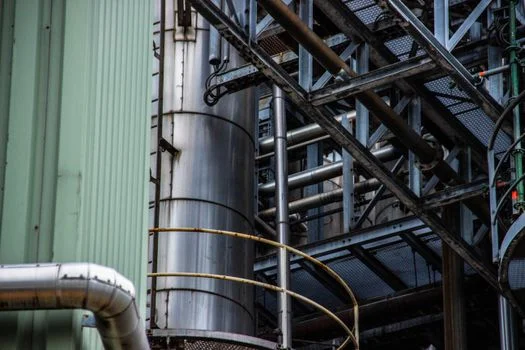
Operational expenses (OPEX) for Paraná-based facilities are heavily influenced by the state's tiered industrial electricity pricing and the logistical costs of disposing of sludge in compliance with MAPA regulations. Energy consumption is the primary driver for aerobic systems, particularly MBR, which requires continuous scouring air to prevent membrane fouling. In Paraná, energy costs for wastewater treatment are approximately 10–15% higher than the national average, largely due to the tariff structures applied to high-demand industrial dischargers. An industrial waste treatment plant should therefore plan around USD 0.19–0.55 per m³ in total OPEX, depending on the train. Chemical costs also fluctuate based on the influent's pH and phosphorus levels, with Sanepar's strict phosphorus limits often requiring significant ferric chloride or polymer dosing.
| Technology Type | Energy Cost (USD/m³) | Chemical Cost (USD/m³) | Sludge Disposal (USD/m³) | Total OPEX (USD/m³) |
|---|---|---|---|---|
| MBR (Industrial) | $0.18 – $0.25 | $0.12 – $0.20 | $0.05 – $0.10 | $0.35 – $0.55 |
| SBR (Municipal) | $0.08 – $0.12 | $0.04 – $0.08 | $0.03 – $0.10 | $0.15 – $0.30 |
| DAF (Pre-treatment) | $0.05 – $0.10 | $0.15 – $0.35 | $0.05 – $0.05 | $0.25 – $0.50 |
| Conventional Activated Sludge | $0.10 – $0.15 | $0.05 – $0.10 | $0.04 – $0.11 | $0.19 – $0.36 |
DAF Pretreatment Cost Poultry Plant Curitiba: What to Budget
DAF pretreatment adds approximately USD 0.10–0.20 per m³ to OPEX at a poultry plant near Curitiba, yet it cuts biological treatment cost by 20–30% by preventing clogs and biomass inhibition. Poultry influent carries FOG and high TSS, which foul aeration diffusers and clarifier mechanisms when they reach biology untreated. Sizing the DAF for peak kill-floor loads, not average loads, is what keeps the savings real through holiday production peaks.
Sludge management is a critical budget line item in Paraná. Landfill disposal costs range from USD 80 to USD 150 per ton, depending on the distance from the facility to a licensed industrial landfill. Many plants in the region are pivoting toward agricultural reuse, which can lower costs to USD 30–50 per ton. That path requires meeting Ministry of Agriculture, Livestock, and Supply (MAPA) standards for heavy metals and pathogens. For industrial buyers, the use of hybrid systems for industrial WWTPs can help balance these costs by optimizing chemical usage through automated dosing and real-time monitoring.
Technology Comparison: Which WWTP System Delivers the Best ROI in Paraná?
Industrial WWTP CAPEX OPEX Comparison Paraná: SBR, MBR, and DAF+Biology
Selecting a treatment technology in Paraná requires a multi-criteria evaluation of effluent quality, as standard activated sludge systems often fail to meet the state's Total Nitrogen (TN) limit of 10 mg/L. The Return on Investment (ROI) is not merely a calculation of CAPEX vs. OPEX; it must include the "avoided cost" of Sanepar non-compliance fines and the potential for water reuse. In water-stressed areas near Curitiba and Londrina, MBR systems offer the fastest ROI for industrial users because the high-quality effluent can be recycled for cooling towers or floor washing. That reuse cuts fresh water intake costs by up to 70%.
| Feature | SBR | MBR | DAF + Activated Sludge |
|---|---|---|---|
| Footprint (m²/1k m³/d) | 400 – 600 | 150 – 250 | 500 – 800 |
| Effluent COD (mg/L) | < 60 | < 30 | < 80 |
| Effluent TSS (mg/L) | < 20 | < 5 | < 30 |
| Compliance Ease | Moderate | Very High | Moderate (High for FOG) |
| Relative ROI | High (Municipal) | High (Industrial Reuse) | High (Food Processing) |
For small municipalities, such as the 30 L/s plant in Santa Helena, SBR technology remains the most cost-effective solution due to its ability to handle fluctuating flow rates without the need for large secondary clarifiers. However, for industrial sectors like metalworking or pulp and paper, a combination of DAF systems and biological treatment is often necessary to ensure that Total Suspended Solids (TSS) do not interfere with downstream processes. When comparing regional data, Paraná's technology preferences lean toward automation to mitigate high local labor costs, a trend also seen in cost benchmarks for other Brazilian states. Buyers vetting equipment across continents also read Chonburi Wastewater Treatment: Specs, Cost Models & Compliance as a cross-market reference for strict discharge contracts.
Environmental Licensing Cost IAT Paraná Industrial Plant Owners Face
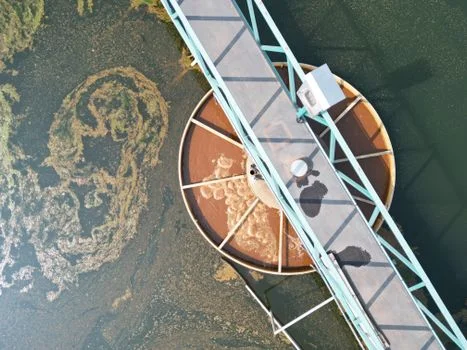
Environmental licensing through the Water and Land Institute (IAT) in Paraná typically accounts for USD 50,000 to USD 200,000 of a project's budget, depending on the hydrological sensitivity of the discharge point. This process is notoriously lengthy, often taking 6 to 18 months from the initial "Licença Prévia" (LP) to the final "Licença de Operação" (LO). During this time, engineering firms must provide detailed hydrogeological studies and impact assessments, which can cost an additional USD 20,000 in consulting fees.
Once operational, Sanepar requires monthly monitoring reports. Lab analysis for a standard suite of parameters (COD, BOD, TSS, pH, Nitrogen, and Phosphorus) costs between USD 1,000 and USD 3,000 per month. For industrial dischargers, the financial stakes are even higher; exceeding contaminant limits can trigger "pollution surcharges" ranging from USD 0.50 to USD 2.00 per kilogram of excess COD. These penalties are designed to be punitive, making the investment in high-performance equipment like MBR systems a form of financial insurance against regulatory action.
How to Choose the Right WWTP for Your Paraná Project: A Decision Framework
A standardized decision framework for Paraná WWTP selection prioritizes influent characterization and Sanepar compliance over initial equipment costs to prevent long-term regulatory penalties. Following this five-step sequence ensures that procurement managers select a system that is both technically viable and economically sustainable within the local context.
- Define Influent Characterization: Is the wastewater domestic (municipal) or high-strength industrial? Industrial plants with high organic loads must include a pre-treatment stage like DAF.
- Set Effluent Targets: Are you aiming for basic Sanepar discharge (COD ≤ 120 mg/L) or high-grade water reuse (COD ≤ 30 mg/L)? Reuse projects almost always require MBR or tertiary filtration.
- Evaluate Footprint Constraints: If land is expensive or unavailable (common in Curitiba's industrial districts), MBR is the preferred choice. For rural municipalities, WSZ series for small municipalities and rural areas in Paraná (1–80 m³/h) offer a compact, low-visibility solution.
- Analyze CAPEX vs. OPEX Trade-offs: Lower CAPEX systems (like conventional activated sludge) often have higher OPEX due to manual labor and chemical requirements. In Paraná, automation usually pays for itself within 3 years.
- Assess Vendor Support: Ensure the vendor provides local commissioning support and understands Paraná's specific licensing requirements.
For municipal plants treating less than 2,000 m³/day, SBR is the industry default in Paraná due to its operational simplicity. For larger plants or those focused on sustainability, MBR is becoming the new standard. Industrial players in food processing and pulp/paper should prioritize a DAF-biological hybrid to manage fat and fiber loads effectively. While local vendors may offer lower upfront costs, hold them to contracted effluent performance backed by warranty terms that match Sanepar's 2026 mandates.
To price a Paraná-specific package, request a wastewater treatment plant quotation with your influent characterization, capacity, and target discharge limits. The pricing team returns a CAPEX/OPEX split by technology so licensing and monitoring costs land in the budget from day one.
Frequently Asked Questions
What is the average payback period for a WWTP in Paraná?
For municipal plants using SBR, the payback period is typically 5–8 years. For industrial plants implementing water reuse with MBR, the payback is much faster—often 3–5 years—due to the reduction in water procurement and discharge fees. Reuse off-takers near Curitiba and Londrina shorten the calculation further because fresh water intake costs fall by up to 70%.
Can I use a package WWTP for a small municipality in Paraná?
Yes, package plants are highly effective for rural areas and small towns. However, you must ensure the system is designed to meet Sanepar's COD limit of 120 mg/L. The WSZ series for small municipalities and rural areas in Paraná (1–80 m³/h) is a popular option for these decentralized applications.
How much does sludge disposal cost in Paraná?
Landfill disposal costs USD 80–150 per ton depending on haul distance to a licensed site. Agricultural reuse is significantly cheaper at USD 30–50 per ton, but it requires strict adherence to MAPA pathogen and heavy metal limits. Most poultry and pulp plants keep both paths open to hedge landfill price moves.
What is the biggest cost driver for industrial WWTPs in Paraná?
Chemical dosing, particularly for pH adjustment and coagulation, accounts for 30–40% of OPEX in food processing and metalworking plants. Electricity is the second largest driver at roughly 25%. The mix shifts toward energy whenever aeration demand rises, so blower efficiency reviews pay for themselves quickly.
Do I need a separate DAF system for my industrial WWTP?
If your influent contains high levels of Fats, Oils, and Grease (FOG) or high TSS (common in pulp and paper), a DAF system is essential. It adds approximately USD 0.10–0.20/m³ to OPEX but can reduce the cost of biological treatment by 20–30% by preventing system clogs and biomass inhibition.
What is a realistic Sanepar COD compliance upgrade cost estimate?
Most upgrades target COD at or below 120 mg/L for discharge, or below 30 mg/L for reuse-grade effluent. Adding DAF pretreatment typically lifts OPEX by USD 0.10–0.20 per m³ while cutting biological-stage cost by 20–30%. Budget USD 50,000–200,000 for licensing scope and USD 1,000–3,000 per month for monitoring. MBR retrofits carry the highest CAPEX but the widest compliance margin.