Why Arequipa’s Wastewater Treatment Costs Are Higher Than National Averages
In Arequipa, wastewater treatment plant costs vary dramatically by technology, flow rate, and industry compliance needs. For example, a 50 m³/h MBR system for textile effluent (COD 1,500 mg/L) costs $1.2M CAPEX and $0.85/m³ OPEX, while a DAF system for food processing (FOG 1,000 mg/L) costs $450K CAPEX and $1.10/m³ OPEX. MINAM’s 2024 discharge limits (BOD ≤ 30 mg/L) require systems to handle Arequipa’s unique influent strengths—failure to align technology with local conditions can inflate lifecycle costs by 30–40%.
Arequipa’s industrial sector, dominated by textiles, mining services, and food processing, generates effluent with Chemical Oxygen Demand (COD) ranges of 500–2,000 mg/L, which is significantly higher than the 200–400 mg/L typically found in residential sewage. Meeting MINAM’s COD ≤ 125 mg/L limit for discharge into the Chili River or municipal sewers requires advanced biological treatment, such as MBR systems for high-strength textile effluent (COD 500–2,000 mg/L), which increases capital investment compared to standard activated sludge systems. food processing plants in the region frequently generate Fats, Oils, and Grease (FOG) levels up to 1,000 mg/L. To meet the TSS ≤ 50 mg/L limit mandated by 2024 regulations, DAF systems for FOG removal in food processing effluent (up to 1,000 mg/L) are often the only technically viable solution, providing 90–95% removal efficiency.
The financial risk of non-compliance is a major driver of total cost of ownership. In 2023, a textile factory in the Parque Industrial de Arequipa faced fines totaling $120,000 for repeated violations of Total Suspended Solids (TSS) limits, illustrating that inadequate systems lead to direct financial losses. Additionally, Arequipa’s arid climate and the ongoing recovery efforts for the Chili River have made water scarcity a critical operational constraint. Implementing water reuse systems adds approximately 15–20% to initial CAPEX but can reduce long-term OPEX by 25% over a 10-year horizon by lowering fresh water procurement costs and discharge fees.
CAPEX Breakdown: How Flow Rate, Technology, and Industry Impact Upfront Costs
Capital expenditure (CAPEX) for wastewater treatment in Arequipa is primarily dictated by the required technology and the peak flow ratio of the facility. Membrane Bioreactor (MBR) systems typically command the highest upfront investment, ranging from $20,000 to $50,000 per m³/h of capacity, but they offer the smallest physical footprint—a critical factor for facilities located in the land-constrained Parque Industrial de Arequipa. By eliminating the need for secondary clarifiers, MBR technology reduces the required land area by approximately 60% compared to conventional methods.
| Technology | 10 m³/h CAPEX | 50 m³/h CAPEX | 100 m³/h CAPEX | 500 m³/h CAPEX |
|---|---|---|---|---|
| MBR (Membrane Bioreactor) | $350,000 | $1,200,000 | $2,100,000 | $8,500,000 |
| DAF (Dissolved Air Flotation) | $120,000 | $450,000 | $800,000 | $3,200,000 |
| WSZ Package Plant | $85,000 | $250,000 | $480,000 | N/A* |
| Conventional Activated Sludge | $150,000 | $550,000 | $1,000,000 | $4,500,000 |
*WSZ systems are generally not recommended for flows exceeding 200 m³/h. Note: Add 20% to CAPEX for textile industry effluent due to specialized pre-treatment requirements.
For operations focused on high FOG removal, such as dairy or meat processing, DAF systems for FOG removal in food processing effluent (up to 1,000 mg/L) cost between $8,000 and $15,000 per m³/h. While the CAPEX is lower than MBR, these systems require consistent chemical dosing infrastructure, which adds to the mechanical complexity. Alternatively, WSZ package plants for small industrial sites (10–50 m³/h) represent the most budget-friendly entry point at $5,000–$12,000 per m³/h. These underground units are ideal for mining service camps or smaller factories, though they are less resilient to peak flow fluctuations exceeding a 2:1 ratio. You can discover how WSZ package plants work for small industrial sites to determine if they fit your specific site constraints.
OPEX Deep Dive: Energy, Chemicals, and Labor Costs by Technology
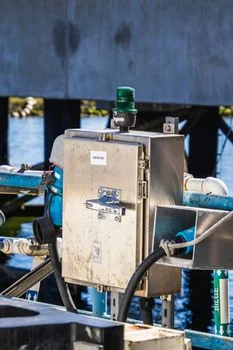
Operating expenditure (OPEX) in Arequipa is heavily influenced by local electricity rates of approximately $0.12/kWh and labor costs averaging $8 per hour for technical operators. MBR systems carry the highest OPEX, typically between $0.80 and $1.50 per m³, driven by energy-intensive aeration (0.5–1.0 kWh/m³) and the periodic necessity of membrane replacement. Membrane modules generally require replacement every 5 to 7 years, representing a significant maintenance event costing between $50,000 and $100,000 for a medium-scale system (HydropureWater field data, 2025).
| Industry Type | MBR OPEX ($/m³) | DAF OPEX ($/m³) | WSZ OPEX ($/m³) | CAS OPEX ($/m³) |
|---|---|---|---|---|
| Textiles (High COD) | $1.15 | $1.40* | $0.95 | $1.05 |
| Food Processing (High FOG) | $0.95 | $0.85 | $0.75 | $0.90 |
| Municipal / General | $0.80 | $0.65 | $0.40 | $0.55 |
*DAF for textiles requires high coagulant dosage, often making it less economical than biological alternatives for soluble COD removal.
DAF systems present a moderate OPEX profile ($0.50–$1.10/m³) but are highly sensitive to chemical market prices. Effective FOG removal requires precise dosing of coagulants and flocculants, which typically adds $0.10–$0.20 to the cost of every cubic meter treated. For sludge management, many Arequipa plants integrate a /product/9-plate-frame-filter-press.html to reduce sludge volume, thereby lowering disposal transport costs. WSZ package plants offer the lowest OPEX ($0.30–$0.80/m³) primarily because they are designed for automated, low-intervention operation, though they require scheduled desludging every 3 to 6 months to maintain effluent quality. In contrast, conventional activated sludge systems require skilled onsite operators, leading to annual labor costs of $15,000–$30,000 in the Arequipa region.
Compliance Costs: How MINAM’s 2024 Limits Affect Your Budget
Strict enforcement of MINAM Resolution 001-2024 has standardized discharge limits at BOD ≤ 30 mg/L, TSS ≤ 50 mg/L, and COD ≤ 125 mg/L for all entities discharging into Arequipa's municipal sewers or the Chili River. For textile manufacturers, these limits are particularly challenging because conventional secondary treatment fails to meet COD standards approximately 60% of the time without advanced oxidation or membrane filtration (per 2023 MINAM monitoring data). Upgrading to MBR systems for high-strength textile effluent (COD 500–2,000 mg/L) ensures compliance out of the box but requires a higher initial investment.
To avoid the steep fines seen in recent years, many industrial buyers are now including real-time monitoring suites in their project budgets. Installing online sensors for COD, TSS, and pH adds $20,000–$50,000 to the CAPEX but reduces the risk of accidental discharge violations by 50% through automated bypass or alert systems. tertiary treatment—including filtration and disinfection via a /product/11-chlorine-dioxide-generator.html—is increasingly required for municipal-grade effluent. While this adds 20–30% to the initial plant cost, it is a prerequisite for any facility aiming for water reuse in irrigation or industrial cooling, effectively "future-proofing" the plant against even stricter upcoming environmental mandates.
Technology Comparison: MBR vs. DAF vs. WSZ Package Plants for Arequipa’s Industries
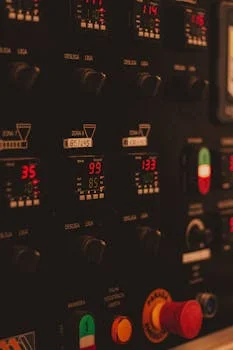
Selecting the correct technology requires a balance between influent characteristics and the desired ROI over a 10-to-15-year equipment lifespan. For the textile industry, MBR is the gold standard for achieving high-quality effluent. You can learn how MBR systems achieve 99% TSS removal for textile effluent, which is essential for meeting the stringent BOD and COD limits of Arequipa. DAF technology remains the superior choice for the food and beverage sector, where physical separation of fats and oils is the primary treatment objective.
| Metric | MBR System | DAF System | WSZ Package Plant |
|---|---|---|---|
| Best Use Case | Textiles / Mining | Food Processing | Small Industrial / Rural |
| Effluent Quality | BOD < 10, TSS < 5 | TSS < 30 (FOG < 10) | BOD < 20, TSS < 30 |
| Footprint | Very Small | Moderate | Small (Underground) |
| Maintenance | High (Membranes) | Moderate (Chemicals) | Low (Desludging) |
| ROI (Water Reuse) | High (4–6 years) | Medium (6–8 years) | Low (8+ years) |
While WSZ package plants for small industrial sites (10–50 m³/h) offer the fastest path to installation and the lowest CAPEX, they lack the flexibility to handle the high-strength organic loads found in large-scale industrial processing. For municipal planners, comparing these costs to other regions can provide perspective; for instance, you can compare Arequipa’s costs with other emerging markets to see how local environmental factors drive up the technical requirements for Arequipa projects. Ultimately, conventional activated sludge is becoming less common in Arequipa’s industrial zones due to its large footprint and frequent failure to meet the 2024 COD limits without significant post-treatment.
Case Study: How La Enlozada’s $500M Plant Treats 83.7% of Arequipa’s Wastewater
The "La Enlozada" wastewater treatment plant serves as the regional benchmark for large-scale infrastructure, treating approximately 1 m³/s (86,400 m³/day) of municipal wastewater. Inaugurated with a CAPEX of $500 million, the facility was designed to manage the combined sewage from five major collection systems, including Tinajones and Cerro Verde. The plant utilizes a multi-stage process involving primary, secondary, and tertiary treatment to ensure the effluent meets extremely high standards: BOD ≤ 10 mg/L, TSS ≤ 5 mg/L, and COD ≤ 50 mg/L.
A critical lesson from La Enlozada for industrial buyers is the impact of peak flow design. The facility was engineered to handle high peak-to-average flow ratios, which added roughly 30% to the infrastructure cost but prevented system bypasses during heavy rain events. the plant's tertiary treatment phase allows for massive water reuse; 1 m³/s of treated water is redirected to the Cerro Verde mining operations, significantly reducing the mine's reliance on fresh water from the Chili River. This model demonstrates that while tertiary treatment increases CAPEX, the ability to reuse water can stabilize long-term OPEX—estimated at $0.15–$0.20/m³ for this scale—and provide a sustainable water source for industrial growth.
Decision Framework: How to Choose the Right System for Your Arequipa Project
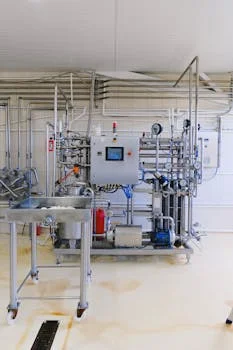
Choosing a wastewater treatment system in Arequipa requires a systematic evaluation of technical and financial variables to avoid the common pitfall of under-designing for peak loads. Follow these steps to ensure your project remains within budget and in compliance:
- Define Influent Strength and Flow: Conduct a 7-day composite sampling to determine average and peak COD, TSS, and FOG. A textile factory with 1,500 mg/L COD requires a different biological approach than a municipal site.
- Verify Compliance Targets: Ensure the system is guaranteed to meet MINAM Resolution 001-2024 (BOD ≤ 30 mg/L, TSS ≤ 50 mg/L, COD ≤ 125 mg/L).
- Evaluate Technology Fit: Use the technology comparison table to match your industry to a system. If land is expensive, MBR is often more cost-effective than CAS despite higher CAPEX.
- Calculate 10-Year Total Cost of Ownership (TCO): Combine CAPEX with decade-long OPEX, including membrane replacements for MBR or chemical dosing for DAF. An MBR system might cost $1.2M CAPEX and $1.5M OPEX over 10 years, whereas a cheaper DAF might cost $450K CAPEX but $2M in OPEX due to chemicals and fines.
- Factor in Environmental Conditions: Account for Arequipa’s specific energy costs ($0.12/kWh) and the potential for water reuse to offset costs.
Common mistakes in the Arequipa market include underestimating peak flow ratios (which should typically be 3:1 or 4:1 for industrial sites) and ignoring the necessity of a /product/8-automatic-chemical-dosing-system.html for reliable DAF performance. Skipping tertiary treatment is another frequent error that leads to non-compliance when discharge limits tighten.
Frequently Asked Questions
What is the average cost per m³ for a wastewater treatment plant in Arequipa?
For industrial systems (10–100 m³/h), CAPEX ranges from $5,000 to $50,000 per m³/h of capacity. OPEX typically ranges from $0.30 to $1.50 per m³, depending on the technology and the strength of the influent. Large municipal plants like La Enlozada achieve economies of scale with OPEX around $0.15–$0.20 per m³.
How much does an MBR system cost for a textile factory in Arequipa?
A 50 m³/h MBR system generally requires a CAPEX of $1M–$1.5M. The OPEX ranges from $0.80 to $1.20 per m³, which includes the cost of energy for aeration and the replacement of membranes every 5 to 7 years (costing $50K–$100K per cycle). This system is highly effective at meeting the COD ≤ 125 mg/L limit.
What are the MINAM discharge limits for wastewater in Arequipa?
Under Resolution 001-2024, the limits for discharge into municipal sewers or natural water bodies are BOD ≤ 30 mg/L, TSS ≤ 50 mg/L, and COD ≤ 125 mg/L. Industrial effluent from textiles and food processing almost always requires advanced treatment to reach these levels.
How does peak flow ratio affect wastewater treatment plant costs?
Designing for a 4:1 peak-to-average flow ratio—common in Arequipa due to industrial batch processing and storm events—can increase CAPEX by 30–40% compared to a system designed for a 2:1 ratio. Proper sizing prevents system washouts and compliance failures during peak events.
What is the best wastewater treatment technology for food processing effluent in Arequipa?
DAF systems are the most cost-effective solution for high-FOG effluent (up to 1,000 mg/L). They achieve 90–95% removal of solids and fats. Typical CAPEX is $8,000–$15,000 per m³/h, with OPEX ranging from $0.50 to $1.10 per m³, including chemical coagulants.
Related Equipment
- MBR systems for high-strength textile effluent (COD 500–2,000 mg/L) — view specifications, capacity range, and technical data
- DAF systems for FOG removal in food processing effluent (up to 1,000 mg/L) — view specifications, capacity range, and technical data
- WSZ package plants for small industrial sites (10–50 m³/h) — view specifications, capacity range, and technical data
Need a customized solution? Request a free quote with your specific flow rate and pollutant parameters.