In Khulna, wastewater treatment plant costs vary widely by technology and scale. For example, a 100 m³/day constructed wetland system (like Khulna’s FSTP) costs $150K–$300K in CAPEX and $0.10–$0.20/m³ in OPEX, while a 500 m³/day MBR system ranges from $1.2M–$2.5M CAPEX with $0.30–$0.50/m³ OPEX. Local labor and electricity costs (BDT 8–12/kWh) further impact operating expenses. This guide breaks down costs by technology, influent strength, and compliance requirements to help buyers optimize budgets.
Why Wastewater Treatment Costs in Khulna Are Rising (And How to Budget for It)
Khulna’s industrial zones, including Khalishpur and Rupsha, face increasingly stringent enforcement of Bangladesh’s Environment Conservation Rules 1997, with fines up to BDT 1M for non-compliance, according to DoE 2023 data. This regulatory pressure directly translates into a critical need for accurate wastewater treatment budgeting among municipal engineers, industrial facility managers, and procurement officers. The textile and tannery industries, significant contributors to Khulna's economy, are particularly affected, generating an estimated 60% of the region's industrial wastewater. This wastewater typically presents COD levels 5–10 times higher than municipal sewage, ranging from 2,000–10,000 mg/L compared to 200–500 mg/L, necessitating more robust and therefore more costly treatment solutions.
Land scarcity in Khulna further complicates project budgeting, with average land prices ranging from BDT 50,000–100,000 per square meter in industrial areas. This high real estate cost makes compact systems, such as Membrane Bioreactors (MBR), significantly more attractive despite their potentially higher capital expenditures (CAPEX) compared to land-intensive options like constructed wetlands. Recognizing the growing demand and regulatory push, the Asian Development Bank (ADB) has initiated a project for two sewage treatment plants in Khulna with a combined capacity of 80,000 m³/day by 2025, signaling upcoming municipal tenders and a broader trend towards upgrading wastewater infrastructure across the city. Understanding these drivers is essential for developing a resilient budget that accounts for both initial investment and long-term operational sustainability.
Wastewater Treatment Plant Cost Framework: CAPEX vs. OPEX Drivers in Khulna
The total cost of a wastewater treatment plant in Khulna is fundamentally divided into Capital Expenditure (CAPEX) and Operational Expenditure (OPEX), each driven by distinct factors specific to the local context. For a typical 500 m³/day plant, CAPEX generally breaks down as 40% for equipment, 30% for civil works, 20% for engineering and design, and 10% for contingency, based on World Bank 2023 benchmarks. This framework helps prioritize budget allocation from the outset.
OPEX in Khulna is heavily influenced by local resource costs. Electricity, a major component for aerated systems, ranges from BDT 8–12/kWh. Labor costs for skilled operators typically fall between BDT 15,000–25,000 per month. Chemical consumables, such as Polyaluminium Chloride (PAC) for coagulation, are priced at BDT 120–150/kg. Sludge disposal, often an overlooked cost, can range from BDT 2,000–5,000 per ton for landfilling. Influent variability, common in industries like textiles with seasonal production cycles, can increase OPEX by 20–30% due to the need for overdesign to handle peak loads or increased chemical adjustments to maintain effluent quality. When comparing local versus imported equipment, Chinese MBR systems, for instance, can cost 20–30% less than their European counterparts in terms of initial purchase, but may come with shorter membrane lifespans, averaging 5 years compared to 8–10 years for premium brands, impacting long-term OPEX.
| Cost Category | Component | Typical Allocation (500 m³/day Plant) | Local Khulna Cost Driver |
|---|---|---|---|
| CAPEX | Equipment & Technology | 40% | Local fabrication vs. imported (20-30% difference) |
| Civil Works & Infrastructure | 30% | High land costs (BDT 50,000–100,000/sqm), local construction rates | |
| Engineering & Design | 20% | Local consultant fees vs. international expertise | |
| Contingency | 10% | Unforeseen site conditions, regulatory changes | |
| OPEX | Electricity | Major variable | BDT 8–12/kWh (grid instability) |
| Labor | Significant fixed cost | BDT 15,000–25,000/month per operator | |
| Chemicals | Variable | PAC BDT 120–150/kg, coagulants, disinfectants | |
| Sludge Disposal | Variable | BDT 2,000–5,000/ton (landfilling) |
Technology-Specific Cost Breakdown: MBR, DAF, Constructed Wetlands & More
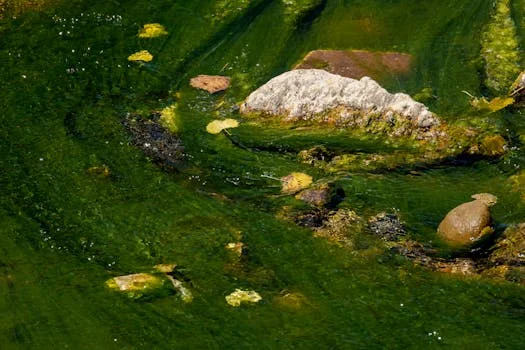
Selecting the appropriate wastewater treatment technology for Khulna projects requires a detailed understanding of the CAPEX, OPEX, effluent quality, and land requirements unique to each system. For plants ranging from 100–1,000 m³/day, the cost profiles vary significantly. Constructed wetlands, exemplified by Khulna’s FSTP, represent the lowest CAPEX option at $150K–$300K, with remarkably low OPEX of $0.10–$0.20/m³ (SNV case study data). These systems are highly sustainable and meet basic 1997 effluent standards (COD ≤ 250 mg/L), but demand substantial land, typically 0.5–1.0 m² per cubic meter of capacity, which is a major constraint given Khulna’s high land costs.
In contrast, compact MBR systems offer advanced treatment capabilities, achieving effluent quality suitable for reuse (<10 mg/L TSS). However, they come with a higher CAPEX of $1.2M–$2.5M for a 500 m³/day plant, and OPEX ranging from $0.30–$0.50/m³ due to energy-intensive aeration and membrane maintenance. Their small footprint, requiring only 0.1–0.2 m²/m³ capacity, makes them ideal for land-constrained industrial zones. Dissolved Air Flotation (DAF) systems are often employed as a pre-treatment step, particularly for textile and tannery wastewater in Khulna with high suspended solids and oil/grease. DAF units typically have a CAPEX of $200K–$800K and OPEX of $0.25–$0.40/m³, where chemical costs for flocculation and pH adjustment are dominant. Conventional activated sludge systems offer a middle-ground, with CAPEX of $500K–$1.5M and OPEX of $0.20–$0.35/m³, requiring a larger footprint than MBR but less energy. HydropureWater provides compact MBR systems for Khulna’s industrial zones and DAF systems for textile and tannery wastewater in Khulna.
| Technology | Typical CAPEX (100-1,000 m³/day) | Typical OPEX (per m³) | Effluent Quality (Key Parameters) | Land Requirement (m²/m³ capacity) |
|---|---|---|---|---|
| Constructed Wetlands | $150K–$300K | $0.10–$0.20 | Meets 1997 standards (COD ≤ 250 mg/L) | 0.5–1.0 |
| MBR Systems | $1.2M–$2.5M | $0.30–$0.50 | High quality, reuse-ready (<10 mg/L TSS) | 0.1–0.2 |
| DAF Systems (Pre-treatment) | $200K–$800K | $0.25–$0.40 | Removes TSS, FOG (pre-treatment) | 0.15–0.3 |
| Activated Sludge | $500K–$1.5M | $0.20–$0.35 | Meets 1997 standards (BOD ≤ 100 mg/L) | 0.3–0.6 |
Khulna’s Regulatory Standards: How Compliance Impacts Your Costs
Compliance with Bangladesh’s Environment Conservation Rules 1997 is a non-negotiable aspect of wastewater treatment in Khulna, directly influencing technology selection and overall project costs. These rules set specific limits for key parameters, including Chemical Oxygen Demand (COD ≤ 250 mg/L), Biochemical Oxygen Demand (BOD ≤ 100 mg/L), Total Suspended Solids (TSS ≤ 150 mg/L), and heavy metals such as Chromium (Cr ≤ 2 mg/L for tanneries). Meeting these standards, especially for high-strength industrial effluents, often necessitates more advanced and costly treatment processes. For instance, textile and tannery wastewater, known for its high color, COD, and heavy metal content, frequently requires tertiary treatment steps like chemical precipitation for chromium removal, which can add an additional 20–40% to the initial CAPEX.
Beyond national guidelines, Khulna City Corporation (KCC) enforces additional local standards, particularly for fecal sludge treatment, including limits on helminth eggs (≤ 1/gram). These localized requirements mean that while a constructed wetland might be a cost-effective solution for meeting the basic 1997 standards for municipal sewage, its effluent quality may not be sufficient for industrial reuse applications such as cooling water or process water, which demand much lower TSS and COD levels. Understanding these nuanced regulatory demands is crucial for avoiding both over-investment in unnecessary treatment capacity and under-investment that could lead to non-compliance fines. For a broader perspective on how compliance standards impact wastewater treatment costs, refer to our detailed guides.
Hidden Costs of Wastewater Treatment in Khulna (And How to Avoid Them)
Beyond the primary CAPEX and OPEX figures, several hidden costs can significantly inflate the total lifecycle cost of a wastewater treatment plant in Khulna if not properly anticipated. Sludge disposal is a prime example; while landfilling costs BDT 2,000–5,000 per ton, Khulna currently lacks dedicated, centralized sludge treatment facilities, making advanced disposal options like incineration, priced at BDT 5,000–10,000 per ton, prohibitively expensive or unavailable. Investing in sludge dewatering solutions to reduce disposal costs in Khulna, such as filter presses, can significantly minimize the volume and weight of sludge, thereby cutting transport and disposal expenses. Another substantial hidden cost for MBR systems is membrane replacement, with membranes costing $50–$100 per square meter and requiring replacement every 5–8 years, representing a recurring expense that can amount to 20–30% of the initial MBR CAPEX.
Energy stability is another concern; Khulna’s grid instability can necessitate backup generators, adding an unforeseen CAPEX of $50K–$200K, depending on the plant's size and power requirements. This also increases OPEX due to fuel consumption for backup power. To mitigate civil works expenses, which constitute a significant portion of CAPEX, modular systems like containerized MBR units can reduce civil construction costs by 15–25% by minimizing on-site construction, though they may have slightly higher equipment costs upfront. ensuring proper training for local operators is vital to prevent costly equipment damage and inefficient operation, which can lead to higher chemical consumption and premature component wear. For more insights on reducing operational burdens, consider learning how sludge dewatering technologies cut disposal costs.
How to Choose the Right Wastewater Treatment System for Your Khulna Project
Selecting the optimal wastewater treatment system for a Khulna project requires a systematic evaluation based on flow rate, influent quality, land availability, and budget constraints. For projects with flow rates below 100 m³/day, constructed wetlands or compact package plants are often the most economical choice. Facilities generating 100–500 m³/day of wastewater typically find DAF or MBR systems suitable, offering a balance of efficiency and footprint. For larger municipal or industrial operations exceeding 500 m³/day, activated sludge or hybrid systems become more viable due to economies of scale. Influent quality is a critical differentiator: high Total Suspended Solids (TSS) from industries like textiles benefit from DAF, while high Biochemical Oxygen Demand (BOD) from food processing often necessitates MBR. For fecal sludge treatment, constructed wetlands are well-suited.
Land availability in Khulna, with its high real estate values, is a significant factor. Limited space strongly favors compact technologies like MBR or DAF, whereas ample land allows for more extensive, lower-CAPEX solutions like constructed wetlands. Budget considerations often dictate the initial choice: low CAPEX projects lean towards constructed wetlands, while those prioritizing long-term operational efficiency and higher effluent quality, especially if energy costs can be controlled, might opt for MBR. A comprehensive procurement checklist should include: 1) conducting thorough influent and effluent testing to define treatment targets, 2) evaluating specific land acquisition and preparation costs, 3) comparing the lifecycle costs and performance of local versus imported equipment, and 4) modeling OPEX over a 10-year period to understand long-term financial implications. For global cost benchmarks for wastewater treatment plants, refer to our detailed analysis.
| Decision Factor | <100 m³/day | 100–500 m³/day | >500 m³/day |
|---|---|---|---|
| Flow Rate | Constructed Wetlands, Package Plants | DAF, MBR | Activated Sludge, Hybrid Systems |
| Influent Quality | Fecal Sludge (CW), Low/Medium BOD (Package) | High TSS (DAF), High BOD (MBR) | Complex Industrial, High Volume Municipal (AS, MBR) |
| Land Availability | Ample space (CW), Limited (Package) | Limited space (MBR, DAF) | Moderate to Ample (AS), Limited (MBR) |
| Budget Priority | Low CAPEX (CW) | Balanced CAPEX/OPEX (DAF, AS) | Low OPEX, High Effluent Quality (MBR) |
Frequently Asked Questions
What is the cheapest wastewater treatment option in Khulna?
Constructed wetlands are generally the lowest-CAPEX option in Khulna, costing $150K–$300K for a 100 m³/day system. However, they require significant land (0.5–1.0 m²/m³ capacity) and may not achieve the high effluent quality needed for industrial reuse or stringent discharge limits.
How much does it cost to treat 1 m³ of wastewater in Khulna?
The Operating Expenditure (OPEX) for treating 1 m³ of wastewater in Khulna ranges from $0.10/m³ for constructed wetlands to $0.50/m³ for MBR systems. Energy costs, particularly electricity at BDT 8–12/kWh, represent the largest variable component of OPEX.
Can I reuse treated wastewater in Khulna?
Yes, treated wastewater can be reused in Khulna, but only advanced treatment technologies like MBR or tertiary systems (e.g., RO) can consistently achieve reuse-quality effluent (<10 mg/L TSS). Khulna City Corporation (KCC) permits are required for industrial reuse applications, such as cooling water or non-potable process water.
What are the financing options for wastewater treatment plants in Khulna?
For municipal projects in Khulna, organizations like the Asian Development Bank (ADB) and World Bank offer low-interest loans. Industrial facilities can access financing from local banks such as BRAC Bank and IDLC Finance, typically at 9–12% interest. Equipment leasing options, particularly for high-value components like MBR membranes, are also available from specialized financial institutions.
How long does it take to build a wastewater treatment plant in Khulna?
The construction timeline for a wastewater treatment plant in Khulna varies by technology and scale. Simpler systems like constructed wetlands or DAF plants typically take 6–12 months. More complex MBR or activated sludge plants, including permitting, civil works, and equipment installation, generally require 12–18 months for completion.