Why Coimbatore Hospitals Fail Wastewater Compliance (And How to Fix It)
Hospitals in Coimbatore face significant challenges in meeting the Tamil Nadu Pollution Control Board's (TNPCB) stringent wastewater discharge limits. As per TNPCB Notification No. 12/2023, critical parameters include Biochemical Oxygen Demand (BOD) <30 mg/L, Chemical Oxygen Demand (COD) <250 mg/L, Total Suspended Solids (TSS) <100 mg/L, Fecal Coliform <100 MPN/100mL, and a requirement for residual chlorine >1 mg/L. However, typical hospital influent in Coimbatore often exhibits much higher concentrations, with BOD levels frequently exceeding 300 mg/L, COD ranging from 500–1200 mg/L, and TSS from 200–400 mg/L. Based on data from the KMCH Coimbatore STP project, these influent characteristics necessitate specialized Sewage Treatment Plants (STPs) that integrate robust biological treatment methods, such as Moving Bed Biofilm Reactors (MBBR) or Sequencing Batch Reactors (SBR), with advanced tertiary disinfection processes like chlorine dioxide or ozone. Common compliance failures observed in 2024 CPCB inspection reports for Tamil Nadu hospitals include inadequate disinfection leading to fecal coliform counts far above acceptable limits, persistent high BOD and COD due to the presence of pharmaceutical residues, and improper sludge management practices. The KMCH Coimbatore STP successfully achieved 95% BOD removal and a remarkable 99% fecal coliform reduction by employing an MBBR system coupled with chlorine dioxide disinfection, demonstrating a viable path to compliance.
Hospital Wastewater Treatment Technologies Compared: MBBR vs SBR vs MBR for Coimbatore Facilities
Selecting the appropriate wastewater treatment technology is paramount for hospitals in Coimbatore. The Moving Bed Biofilm Reactor (MBBR) technology is highly effective, typically achieving 85–95% BOD removal and 70–85% COD removal with a hydraulic retention time (HRT) of 4–8 hours. Its compact footprint, averaging 0.5–1 m²/m³/day, makes it suitable for facilities with limited land availability. Sequencing Batch Reactors (SBRs) offer slightly higher removal rates, with BOD reduction of 90–98% and COD reduction of 80–90%, but require a longer HRT of 6–12 hours and a larger footprint of 0.8–1.2 m²/m³/day due to their batch operational cycles. Membrane Bioreactors (MBRs) provide the highest treatment quality, achieving 95–99% BOD removal and 90–95% COD removal within a short HRT of 3–6 hours, and a significantly smaller footprint of 0.3–0.6 m²/m³/day. However, MBRs introduce complexities related to membrane fouling and require more intensive maintenance. For tertiary disinfection, essential to meet fecal coliform standards, chlorine dioxide requires a dose of 5–10 mg/L with a 30–60 minute contact time, ozone requires 2–5 mg/L with a 10–20 minute contact time, and UV disinfection needs a dosage of 20–40 mJ/cm², all in line with EPA 2024 disinfection guidelines.
| Technology | Typical BOD Removal (%) | Typical COD Removal (%) | Hydraulic Retention Time (HRT) | Footprint (m²/m³/day) | Key Considerations |
|---|---|---|---|---|---|
| MBBR | 85–95 | 70–85 | 4–8 hours | 0.5–1.0 | Compact, robust, lower OPEX |
| SBR | 90–98 | 80–90 | 6–12 hours | 0.8–1.2 | Batch operation flexibility, higher skill requirement |
| MBR | 95–99 | 90–95 | 3–6 hours | 0.3–0.6 | Highest effluent quality, potential membrane fouling, higher CAPEX/OPEX |
| Chlorine Dioxide Disinfection | N/A | N/A | 30–60 min contact | Integrated | Effective against pathogens, requires chemical handling |
| Ozone Disinfection | N/A | N/A | 10–20 min contact | Integrated | Strong oxidant, requires specialized equipment |
| UV Disinfection | N/A | N/A | Continuous exposure | Integrated | Chemical-free, sensitive to water turbidity |
For hospitals in Coimbatore seeking efficient and space-saving solutions, MBR systems for hospital wastewater treatment in Coimbatore offer superior effluent quality, while compact hospital wastewater treatment units for Coimbatore clinics utilizing MBBR technology provide a cost-effective and robust option.
Tamil Nadu PCB Compliance Roadmap: Step-by-Step Approval Process for Hospital STPs

The initial step in the Tamil Nadu Pollution Control Board (TNPCB) approval process for hospital STPs in Coimbatore involves submitting a Preliminary Design Report (PDR) to the TNPCB. This report must comprehensively detail influent and effluent characteristics, a detailed process flow diagram, and specific equipment specifications. Following the PDR review, a TNPCB site inspection will be conducted, with a particular focus on critical aspects such as sludge handling mechanisms, the adequacy of disinfection contact time, and the presence of emergency bypass protocols. Upon satisfactory inspection, the hospital can proceed with the Consent to Establish (CTE) application. For STPs exceeding 500 m³/day, an Environmental Impact Assessment (EIA) report, specifically addressing the hospital's wastewater management, will be required. Once the STP is constructed and operational, the final stage is the Consent to Operate (CTO) application. This requires submitting at least three months of verified operational data, demonstrating consistent compliance with BOD, COD, TSS, and fecal coliform discharge standards. The CTO is typically granted for a specific period and requires periodic renewal. Non-compliance with these regulations can result in significant penalties, ranging from ₹10,000 to ₹1,00,000 per day, or even facility shutdown, as stipulated by the Tamil Nadu PCB 2023 guidelines.
Hospital STP Cost Breakdown: CAPEX, OPEX & ROI for Coimbatore Projects
Understanding the financial implications of hospital wastewater treatment is crucial for effective budget planning and investment justification in Coimbatore. For a 100 m³/day STP, the Capital Expenditure (CAPEX) can range from approximately ₹15–25 lakhs for an MBBR system, ₹20–30 lakhs for an SBR system, and ₹25–40 lakhs for an MBR system. These estimates typically include civil works, equipment procurement, and installation. The Operational Expenditure (OPEX) per cubic meter of treated wastewater varies by technology, with MBBR systems costing ₹1.5–2.5/m³, SBR systems ₹2–3/m³, and MBR systems ₹3–5/m³. Key drivers for Return on Investment (ROI) include potential water reuse, which can yield savings of ₹5–10/m³ by reducing reliance on municipal water supply; avoidance of daily PCB penalties, which can amount to ₹10,000/day; and reductions in sludge disposal costs, typically ranging from ₹2,000–5,000 per ton. The KMCH Coimbatore's 200 m³/day STP, for example, achieved a payback period of just three years, largely attributed to its successful water reuse program, illustrating the long-term financial benefits of optimized wastewater treatment. For a deeper understanding of cost structures, refer to our detailed CAPEX/OPEX breakdowns for wastewater treatment projects.
| Cost Component | MBBR (100 m³/day) | SBR (100 m³/day) | MBR (100 m³/day) |
|---|---|---|---|
| CAPEX (₹ Lakhs) | |||
| Equipment & Installation | 15–25 | 20–30 | 25–40 |
| OPEX (₹ / m³) | |||
| Energy | 0.8–1.5 | 1.0–1.8 | 1.2–2.0 |
| Chemicals | 0.3–0.7 | 0.4–0.8 | 0.5–1.0 |
| Labor | 0.2–0.5 | 0.3–0.6 | 0.4–0.7 |
| Maintenance | 0.2–0.3 | 0.3–0.4 | 0.4–0.6 |
| Total OPEX | 1.5–2.5 | 2.0–3.0 | 3.0–5.0 |
Equipment Selection Framework: How to Choose the Right STP for Your Coimbatore Hospital
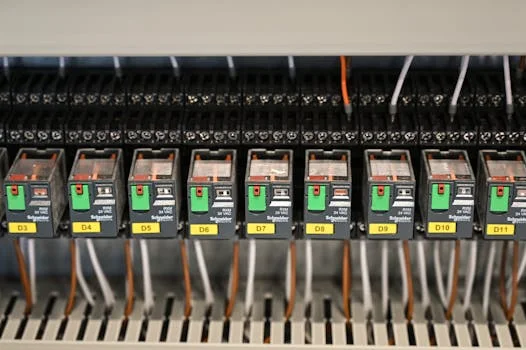
A critical decision factor in selecting the optimal Sewage Treatment Plant (STP) for a hospital in Coimbatore is the hospital's bed capacity, which directly correlates with the required STP capacity. For instance, hospitals with 50–100 beds typically need an STP capacity of 50–100 m³/day. Space constraints play a significant role; MBR technology offers the most compact footprint, followed by MBBR, and then SBR. Budget considerations are also paramount, with MBBR systems generally presenting the lowest CAPEX and OPEX, while MBR systems have the highest initial and ongoing costs. The intended use of the treated effluent will also influence the technology choice. For near-potable quality effluent suitable for sensitive reuse applications, MBRs are preferred. For less demanding applications like gardening or cooling towers, MBBR or SBR systems may suffice. When evaluating vendors, a comprehensive checklist should include verification of their Tamil Nadu PCB approvals, confirmation of their ability to provide at least five years of Operations & Maintenance (O&M) support, the availability of remote monitoring capabilities, and a strong local service network for prompt assistance. For projects requiring rapid deployment, consider the advantages of prefabricated STPs for fast-track hospital projects in Coimbatore.
Frequently Asked Questions
What are the Tamil Nadu PCB discharge limits for hospital wastewater in 2025?
Tamil Nadu PCB Notification No. 12/2023 mandates specific discharge limits for hospital wastewater: BOD <30 mg/L, COD <250 mg/L, TSS <100 mg/L, fecal coliform <100 MPN/100mL, and residual chlorine >1 mg/L.
How much does a hospital STP cost in Coimbatore?
The cost for a hospital STP in Coimbatore varies significantly by technology. A 100 m³/day plant can range from ₹15–40 lakhs in CAPEX, with OPEX between ₹1.5–5/m³.