Why Portland Hospitals Are Ditching Municipal Sewers in 2026
Portland hospitals are facing escalating financial and environmental pressures to upgrade their wastewater treatment capabilities. The Portland Publicly Owned Treatment Works (POTW) imposes surcharges of $0.08 per gallon for high-strength effluent, a cost that can exceed $500,000 annually for mid-sized facilities (100–300 beds) exceeding the COD limit of 250 mg/L. Compounding this, Oregon DEQ’s 2023 enforcement reports reveal that 46.6% of hospitals in the state have historically violated pretreatment standards. The most prevalent contaminants leading to these violations are pharmaceutical residues, such as carbamazepine and diclofenac, alongside heavy metals like lead and mercury from imaging departments, and increasingly, antibiotic-resistant bacteria (ARB). For instance, Legacy Emanuel Medical Center incurred $280,000 in surcharges in 2024 alone after its effluent registered 320 mg/L of COD, surpassing the 250 mg/L standard. Portland’s existing municipal sewer infrastructure, designed for domestic waste, is ill-equipped to handle the complex chemical and biological loads from medical facilities, leading to the pass-through of these recalcitrant pollutants into the Columbia River, underscoring the critical need for advanced on-site treatment solutions.
The financial implications of non-compliance are substantial and multifaceted. Beyond direct surcharges, hospitals face potential fines for environmental violations, increased operational costs for reactive clean-up efforts, and significant reputational damage. The economic burden extends to the broader community through the degradation of local water bodies, impacting recreational activities and ecosystem health. For example, a 500-bed hospital generating 150,000 gallons of wastewater per day with a consistent COD of 300 mg/L would incur approximately $360,000 in annual surcharges, a figure that can escalate with stricter enforcement and increasing treatment costs. This financial pressure is a primary driver for hospitals to invest proactively in on-site treatment systems that can guarantee compliance and potentially reduce overall operational expenses in the long run.
Environmental stewardship is another critical factor pushing hospitals towards advanced wastewater treatment. Medical facilities are increasingly recognizing their role in contributing to the spread of pharmaceutical pollutants and antibiotic resistance. These compounds, even at low concentrations, can disrupt aquatic ecosystems and contribute to the development of superbugs, posing a long-term threat to public health. The presence of pharmaceutical residues in treated wastewater has been linked to adverse effects on fish reproduction and the development of resistance in environmental bacteria. By implementing sophisticated on-site treatment, hospitals can significantly reduce their environmental footprint and contribute to the preservation of Portland's natural resources, aligning with the city's broader sustainability goals. The move away from municipal sewers is not merely a compliance issue; it is a strategic shift towards environmental responsibility and long-term sustainability for healthcare institutions.
Portland Hospital Wastewater: Contaminant Profiles and Treatment Challenges
Effective hospital wastewater treatment in Portland necessitates a deep understanding of specific contaminant profiles and their departmental origins to engineer tailored solutions. Pharmaceutical residues, including neurologically active compounds like carbamazepine, anti-inflammatories such as diclofenac, and potent cytotoxic drugs from oncology, demand advanced treatment technologies. Oregon DEQ’s 2025 benchmarks require over 95% removal efficiency for these compounds, often necessitating advanced oxidation processes (AOP) or Membrane Bioreactor (MBR) systems. Heavy metals, commonly found in effluents from radiology (lead) and imaging (mercury, silver), must meet stringent EPA limits, such as mercury <0.002 mg/L. Treatment for these metals typically involves chemical precipitation or ion exchange. The proliferation of antibiotic-resistant bacteria (ARB) in hospital wastewater, with concentrations ranging from 104–106 CFU/mL, poses a significant public health risk. While MBR systems can achieve up to 99.9% log removal of ARB, Dissolved Air Flotation (DAF) systems typically offer only 90% removal. Fats, Oils, and Grease (FOG) from hospital kitchens and laboratories can reach levels of 500–2,000 mg/L, a major cause of membrane fouling in MBR systems, requiring pre-treatment strategies like DAF. The highly variable diurnal flow patterns of hospital wastewater, with peaks typically occurring around 8 AM and lows at 2 AM, necessitate equalization tanks with 2–4 hours of retention time to prevent shock loading to downstream treatment units.
Beyond the commonly cited contaminants, hospitals also generate wastewater containing a complex mixture of disinfectants, cleaning agents, and laboratory chemicals. For example, perfluorinated compounds (PFCs) used in some cleaning products and firefighting foams can be present and are notoriously difficult to remove with conventional treatment methods. Similarly, residual disinfectants like glutaraldehyde and hydrogen peroxide can impact biological treatment processes if not managed. The presence of these diverse chemical agents means that a single treatment technology is rarely sufficient. A comprehensive approach often involves a multi-barrier treatment strategy. For instance, a dedicated chemical pretreatment step might be required to neutralize or precipitate specific hazardous compounds before they reach the biological treatment stage. The effective removal of cytotoxic drugs from oncology departments is particularly challenging due to their designed persistence and toxicity, often requiring specialized adsorption or advanced oxidation techniques. The concentration of certain pharmaceuticals can reach microgram per liter (µg/L) levels, and their continuous discharge can lead to bioaccumulation in the environment. Addressing these specific challenges requires detailed chemical analysis of the hospital's effluent and the selection of technologies proven to target these recalcitrant compounds.
The challenge of antibiotic-resistant bacteria (ARB) is escalating. Hospitals are reservoirs for these resistant strains, and their wastewater can act as a conduit for their spread into the wider environment. Studies have shown that conventional wastewater treatment plants are often ineffective at completely eliminating ARB, allowing them to persist and potentially transfer resistance genes to other bacteria. This is why technologies that offer very high log removal rates, such as MBRs and advanced disinfection methods like chlorine dioxide, are becoming increasingly critical. The selection of appropriate disinfection technology also needs to consider the formation of disinfection byproducts (DBPs), which can be carcinogenic. For example, while chlorination is a common disinfection method, it can lead to the formation of trihalomethanes (THMs) and haloacetic acids (HAAs) when reacting with organic matter present in the wastewater. Therefore, alternative disinfectants like chlorine dioxide or UV treatment, or a combination thereof, are often preferred in sensitive environments like hospital wastewater.
| Contaminant Type | Typical Sources | Concentration Range (Portland Hospitals) | Regulatory Concern (Oregon DEQ/EPA) | Required Removal Efficiency | Primary Treatment Technologies |
|---|---|---|---|---|---|
| Pharmaceutical Residues | Pharmacy, Patient Rooms, Labs, Oncology Units | ng/L to µg/L (e.g., Carbamazepine, Diclofenac, Cytotoxics) | DEQ 2025: Carbamazepine <100 ng/L, Diclofenac <50 ng/L; Emerging concerns for endocrine disruptors | >95% for specific compounds; Advanced Oxidation for recalcitrants | MBR, Advanced Oxidation Processes (AOP), Activated Carbon Adsorption, Granular Activated Carbon (GAC) |
| Heavy Metals | Radiology (Lead), Imaging (Mercury, Silver), Dental, Laboratories | µg/L to mg/L (e.g., Lead, Mercury, Silver, Cadmium) | EPA: Mercury <0.002 mg/L, Lead <0.015 mg/L; DEQ limits for other metals | >98% for regulated metals | Chemical Precipitation, Ion Exchange, Electrocoagulation, Adsorption Media |
| Antibiotic-Resistant Bacteria (ARB) & Pathogens | Patient Rooms, Isolation Wards, Labs, Laundry, Autoclaves | 104–106 CFU/mL (ARB); Variable for other pathogens | Public Health Concern, POTW Disinfection Efficacy, Potential for environmental spread | >99.9% (Log Removal) for ARB; High reduction for other pathogens | MBR, Chlorine Dioxide Disinfection, UV Disinfection (with pre-treatment), Advanced Disinfection Techniques |
| FOG (Fats, Oils, Grease) | Kitchens, Cafeterias, Laboratories, Autoclaves | 500–2,000 mg/L (can exceed 5,000 mg/L in peak kitchen discharge) | Membrane Fouling, Sewer Line Clogging, POTW Operational Issues | >90% (Pre-treatment essential for MBR systems) | Dissolved Air Flotation (DAF), Grease Traps, Skimmers, Hydrodynamic Separators |
| Variable Flows & Loads | Daily Patient Activity Cycles, Surges from Surgeries/Procedures | Fluctuates significantly (peak flows 2-3x average) | System Shock Loading, Inconsistent Treatment Performance, Overflow Potential | N/A (System Design and Operational Strategy) | Equalization Tanks (2-4 hr retention), Flow Splitters, Advanced Control Systems |
| Disinfectants & Cleaning Agents | Central Sterilization, Housekeeping, Laboratories | Variable concentrations, can be inhibitory to biological processes | Potential toxicity to aquatic life, impact on downstream treatment | Neutralization or dilution prior to biological treatment | Chemical Neutralization, Dilution, Specialized Pre-treatment |
For high-FOG influent, consider DAF pre-treatment for high-FOG hospital wastewater.
2026 Engineering Specs: MBR vs DAF vs Hybrid Systems for Portland Hospitals
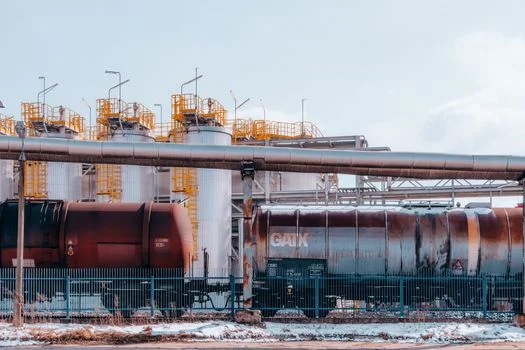
Selecting the appropriate wastewater treatment technology for Portland hospitals in 2026 requires a data-driven comparison of performance, footprint, and operational costs. Membrane Bioreactor (MBR) systems offer superior effluent quality, consistently achieving COD <30 mg/L, TSS <5 mg/L, and bacterial counts <1 CFU/100mL. Their compact design reduces the footprint by approximately 60% compared to conventional systems but comes with higher energy consumption, ranging from 0.8–1.2 kWh/m³. Dissolved Air Flotation (DAF) systems present a lower capital expenditure (CAPEX), typically between $800,000–$1.5 million for a 50–200 m³/day capacity, and offer 70–85% COD removal and 90–95% TSS removal. However, DAF systems require significant chemical dosing (coagulants and polymers). Hybrid systems, combining DAF pre-treatment with MBR polishing, are ideal for facilities with high FOG loads, such as potential upgrades at Providence Portland Medical Center, achieving 95% COD removal and 99% TSS removal. For disinfection, chlorine dioxide (ClO₂) generators are increasingly preferred by Portland hospitals due to their proven efficacy against ARB and lower formation of disinfection byproducts (DBPs) compared to UV or ozone. Portland-specific design parameters to consider include ambient temperature ranges (5–25°C), pH (6.5–8.5), and peak flow rates that can be 2–3 times the average daily flow.
The operational expenditure (OPEX) is another crucial factor. MBR systems, while offering excellent effluent quality, have higher OPEX due to energy consumption for membrane aeration and pumping, as well as the cost of membrane replacement (typically every 5-10 years). DAF systems have lower energy costs but incur ongoing expenses for chemical coagulants and polymers, which can fluctuate in price. Hybrid systems aim to balance these costs by using DAF for bulk removal of solids and FOG, reducing the load on the MBR and potentially extending membrane life and reducing energy consumption in the polishing stage. For example, a hospital might see annual OPEX for an MBR system in the range of $150,000–$300,000, while a DAF system might range from $50,000–$150,000 excluding chemical costs, and a hybrid system could fall in between, depending on the specific configuration. The selection process must also consider the availability of skilled operators to manage advanced systems like MBRs, as well as the ease of maintenance and availability of spare parts.
Furthermore, the specific regulatory requirements for Portland in 2026 and beyond will dictate the choice of technology. As environmental regulations become more stringent, particularly regarding micropollutants and ARB, technologies that can achieve consistently high removal efficiencies will be favored. For instance, if the DEQ introduces stricter limits on specific pharmaceutical compounds, AOPs integrated with MBRs or advanced activated carbon filtration might become necessary. The footprint of the treatment system is also a significant consideration for hospitals, which often have limited space on their campuses. MBR systems excel in this regard, allowing for significant treatment capacity in a relatively small area. DAF systems are larger, and hybrid systems can vary in size depending on the integration strategy. The modularity of some MBR and DAF systems also offers flexibility for future expansion if the hospital grows or treatment requirements change. The initial CAPEX for a fully compliant system for a large hospital could easily range from $2 million to $10 million, making careful financial planning and lifecycle cost analysis essential.
| Technology | Typical Effluent Quality (COD/TSS) | Footprint | Energy Consumption (kWh/m³) | CAPEX (50-200 m³/day) | Key Advantages | Key Disadvantages |
|---|---|---|---|---|---|---|
| MBR Systems | <30 mg/L / <5 mg/L (often meeting Title 22 standards) | Compact (approx. 60% smaller than conventional) | 0.8–1.2 (can be higher with advanced aeration) | $1.2M–$3.5M (for mid-size facility) | Superior effluent quality, high ARB and pathogen removal, compact footprint, consistent performance | Higher energy use, membrane cleaning and replacement costs, potential for fouling, requires skilled operation |
| DAF Systems | 70-85% COD removal / 90-95% TSS removal (effluent quality depends on chemical optimization) | Moderate to large, depending on capacity and tank design | 0.2–0.4 (primarily for air dissolution and pumping) | $800K–$1.5M (for mid-size facility) | Lower CAPEX, effective for FOG and high TSS loads, relatively simple operation | Requires significant chemical dosing (coagulants, polymers), lower contaminant removal efficiency for dissolved pollutants, sludge production |
| Hybrid (DAF + MBR) | <20 mg/L COD / <2 mg/L TSS (post-MBR polishing) | Compact to Moderate (depends on DAF size and MBR configuration) | 0.5–0.9 (optimized energy use across stages) | $1.8M–$4.0M (for mid-size facility) | Combines FOG/TSS removal with superior final effluent quality, optimized performance, potentially extended membrane life | Higher initial complexity and cost than DAF alone, requires integration expertise |
| Advanced Oxidation Processes (AOP) | Targeted removal of specific micropollutants (e.g., pharmaceuticals) | Can be integrated into existing systems or as standalone units, footprint varies | Varies significantly based on technology (e.g., ozone, UV/H₂O₂) | Highly variable, can be a significant addition to CAPEX | Effective for recalcitrant organic compounds, broad-spectrum pollutant degradation | High energy consumption, potential for byproduct formation, requires careful control and monitoring |
Related Equipment
- MBR systems for hospital wastewater treatment — view specifications, capacity range, and technical data. These systems are designed to handle the complex organic and microbial loads typical of hospital effluent, ensuring high-quality treated water that meets stringent discharge standards. The compact nature of these units is particularly beneficial for urban hospital settings with limited space.
- chlorine dioxide generators for hospital effluent disinfection — view specifications, capacity range, and technical data. Chlorine dioxide is a powerful disinfectant effective against a wide range of pathogens, including antibiotic-resistant bacteria, and produces fewer harmful disinfection byproducts compared to traditional chlorine.
- compact medical wastewater treatment systems for Portland clinics — view specifications, capacity range, and technical data. These smaller-scale, integrated systems are ideal for outpatient facilities, dental offices, and smaller clinics that generate less wastewater but still require robust treatment to remove specific contaminants.
Need a customized solution? Request a free quote with your specific flow rate and pollutant parameters.
Further Reading
Explore these in-depth articles on related wastewater treatment topics:
- Singapore’s hospital wastewater treatment standards: Learn how a densely populated city-state with stringent environmental regulations approaches hospital wastewater management, offering insights into advanced treatment and regulatory frameworks.
- how hospitals in water-scarce regions treat wastewater: Discover innovative and cost-effective solutions employed in areas facing water scarcity, focusing on water reuse and resource recovery in hospital wastewater treatment.
- EU’s advanced oxidation processes for pharmaceutical removal: Gain a deeper understanding of AOPs, their mechanisms, and their application in tackling recalcitrant organic pollutants like pharmaceuticals, a critical area for modern hospital wastewater treatment.