Why Denmark’s Industrial Wastewater Treatment Demands Industry-Specific Solutions
Denmark’s industrial wastewater treatment sector is governed by stringent EU Directive 91/271/EEC and local Environmental Protection Agency (EPA) standards, mandating significant pollutant removal for discharge. For most industries, this translates to a minimum of 95% Chemical Oxygen Demand (COD) removal and effluent suspended solids (TSS) not exceeding 30 mg/L. However, the specific composition of industrial wastewater varies dramatically by sector, necessitating tailored treatment strategies. Biological treatment plants, exemplified by IWS’s Stigsnæs facility, achieve high efficiency (95% COD removal) while generating 30x lower CO₂ emissions compared to incineration. Conversely, the high grease and oil content (FOG) common in food processing demands specialized solutions like Dissolved Air Flotation (DAF) systems. The pharmaceutical sector faces unique challenges with high COD loads (500–1,500 mg/L) and the presence of recalcitrant compounds like antibiotics and endocrine disruptors, often requiring advanced oxidation processes or Membrane Bioreactors (MBRs) to meet stringent regulations, including those outlined in EU Directive 2019/904. Offshore and energy operations present a distinct challenge with high salinity (35,000–50,000 mg/L Total Dissolved Solids) and hydrocarbon contamination, typically addressed by reverse osmosis or sophisticated hybrid biological-chemical treatment approaches. Failure to account for these industry-specific characteristics can lead to non-compliance, increased operational costs, and environmental penalties.
| Industry Sector | Typical Influent Characteristics | Key Pollutants of Concern | Denmark EPA Discharge Limits (Illustrative) | Primary Treatment Technologies |
|---|---|---|---|---|
| Pharmaceuticals | COD: 500-1,500 mg/L; High organic load; Variable pH; Presence of complex organic compounds, antibiotics, endocrine disruptors. | COD, BOD, TSS, Active Pharmaceutical Ingredients (APIs), recalcitrant organics. | COD ≤ 125 mg/L; TSS ≤ 35 mg/L; Specific limits on APIs. | MBR, Advanced Oxidation Processes (AOPs), Activated Carbon Adsorption. |
| Food Processing | COD: 500-2,000 mg/L; High FOG (500-2,000 mg/L); High TSS (300-1,000 mg/L); Organic acids, nutrients. | FOG, BOD, TSS, nutrients (N, P). | COD ≤ 125 mg/L; TSS ≤ 35 mg/L; FOG limits vary. | DAF, Anaerobic Digestion, Aerobic Biological Treatment. |
| Offshore/Energy | High Salinity (35,000-50,000 mg/L TDS); Hydrocarbons; Heavy metals; Low organic load in some streams. | TDS, hydrocarbons, heavy metals, suspended solids. | TDS limits vary; Hydrocarbon limits strict; Specific heavy metal limits. | Reverse Osmosis (RO), Evaporation, Hybrid Biological-Chemical. |
Note: Danish EPA discharge limits are subject to specific permits and local environmental conditions. Always consult the relevant authorities for precise requirements.
Biological vs. Chemical vs. Hybrid Treatment: Engineering Specs and Trade-offs
Selecting the optimal wastewater treatment strategy hinges on a thorough understanding of the underlying technologies, their engineering specifications, and their inherent trade-offs. Biological treatment, widely adopted for its environmental and economic advantages, leverages microorganisms to break down organic pollutants. Systems like Activated Sludge (AS) or Membrane Bioreactors (MBRs) can achieve COD removal rates of 92–97% for influent concentrations ranging from 50 to 500 mg/L. IWS data indicates that their biological treatment plants emit 30 times less CO₂ than incineration methods. Key design parameters for biological systems include the Hydraulic Retention Time (HRT), typically 4-12 hours, and the Solids Retention Time (SRT), which can range from days to weeks, influencing microbial community development and pollutant removal efficiency. MBRs, while offering superior effluent quality by employing membranes for solid-liquid separation (achieving <1 μm filtration), require a 20–30% higher Capital Expenditure (CAPEX) compared to conventional activated sludge systems. Chemical treatment, primarily involving coagulation and flocculation, is effective for removing suspended solids and certain dissolved substances. These processes typically achieve 70–90% TSS removal and are characterized by rapid reaction times. However, they are less effective for dissolved organic matter and generate a significant volume of chemical sludge, potentially increasing sludge disposal costs by 20–30%. Optimal performance is achieved within specific pH ranges, requiring precise chemical dosing rates of coagulants (e.g., Aluminum Sulfate, Ferric Chloride) and flocculants. Hybrid systems integrate the strengths of multiple technologies. For instance, a combination of DAF and MBR systems is highly effective for food processing wastewater, achieving 99% FOG removal and the fine filtration characteristic of MBRs, though at a 25% higher CAPEX as noted in Xylem case studies. Energy consumption is a critical factor: biological systems typically range from 0.3–0.6 kWh/m³, chemical treatments from 0.1–0.2 kWh/m³, and advanced hybrid systems can reach 0.5–0.8 kWh/m³ (Danish Water Technology Group 2024).
| Treatment Technology | Typical COD Removal (%) | Typical TSS Removal (%) | Typical FOG Removal (%) | Footprint (Relative) | Energy Consumption (kWh/m³) | CAPEX (Relative) | OPEX (Relative) | Primary Application |
|---|---|---|---|---|---|---|---|---|
| Activated Sludge (AS) | 92-97 | 80-90 | Moderate | Medium | 0.3-0.6 | Medium | Medium | General industrial organic wastewater |
| Membrane Bioreactor (MBR) | 95-99 | 99+ | High | Small | 0.5-0.8 | High | Medium-High | Pharma, Food, High-quality effluent |
| Dissolved Air Flotation (DAF) | Low-Moderate | 70-90 | 95-99 | Medium | 0.1-0.3 | Medium | Medium | Food processing, Oil & Gas |
| Chemical Treatment (Coag/Floc) | Low-Moderate | 70-90 | Moderate | Small | 0.1-0.2 | Low-Medium | High (sludge disposal) | Pre-treatment, TSS/Turbidity removal |
| Reverse Osmosis (RO) | N/A (for dissolved salts) | 99+ | N/A | Medium | 3-5+ | Very High | High (energy, membrane replacement) | Desalination, high TDS removal |
For advanced biological treatment, explore MBR systems for pharma and food processing wastewater in Denmark. For high FOG loads, consider DAF systems for high-FOG wastewater in Danish food processing plants.
Equipment Selection Guide: Matching Technology to Your Industry’s Wastewater Profile
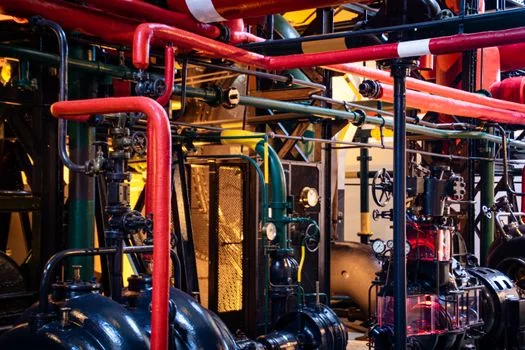
Selecting the right industrial wastewater treatment equipment requires a systematic approach, aligning influent characteristics with regulatory compliance demands and budgetary constraints. For the pharmaceutical industry, where wastewater often contains high COD and recalcitrant organic compounds, MBR systems or advanced oxidation processes (e.g., ozonation combined with UV treatment) are often the most effective solutions for degrading complex molecules and meeting strict discharge limits. The estimated CAPEX for such systems in 2025 ranges from €500–€1,200 per cubic meter per day. Food processing plants, characterized by high FOG and suspended solids, typically benefit from DAF units for efficient grease and oil removal (92–97% efficiency), often followed by biological polishing stages to address organic load. CAPEX for DAF-centric systems typically falls between €200–€600 per cubic meter per day. Offshore and energy sector operations, dealing with high salinity and hydrocarbons, commonly employ reverse osmosis (RO) or hybrid biological-chemical treatment strategies. The high-pressure requirements and membrane technology for RO can lead to a higher CAPEX, ranging from €800–€1,500 per cubic meter per day, especially for systems designed for continuous offshore operation. A decision framework can simplify this selection process:
| Decision Factor | Considerations | Recommended Technology Pathways |
|---|---|---|
| Influent Characteristics (COD, BOD, TSS, FOG, Salinity, Specific Pollutants) |
High FOG? High Salinity? Recalcitrant Organics? High TSS? | High FOG: DAF. High Salinity: RO, Evaporation. Recalcitrant Organics: MBR, AOPs. High TSS: DAF, Sedimentation, Filtration. |
| Regulatory Compliance & Discharge Limits (EU & Danish EPA Standards) |
Stringency of limits for COD, BOD, TSS, N, P, heavy metals, specific compounds. | Strict limits: MBR, AOPs, RO. Moderate limits: Activated Sludge, DAF + Biological. |
| Footprint & Space Availability | Limited space vs. ample land. | Compact: MBR, DAF, Chemical. Larger footprint: Conventional Activated Sludge. |
| CAPEX vs. OPEX & ROI Goals | Budgetary constraints, operational cost targets, water reuse objectives. | Lower CAPEX/Higher OPEX: Conventional AS, DAF. Higher CAPEX/Lower OPEX (potentially): MBR, RO (with water reuse savings). |
| Operational Complexity & Skill Requirements | In-house expertise, automation needs. | Simpler: DAF, Chemical. More Complex: MBR, RO, AOPs. |
For high-salinity wastewater treatment, consider hybrid systems for high-salinity wastewater from offshore platforms. For specific industrial reverse osmosis needs, explore industrial reverse osmosis (RO) water treatment systems.
Compliance Deep Dive: Meeting EU and Danish EPA Standards Without Over-Engineering
Navigating the complex regulatory landscape of industrial wastewater discharge in Denmark requires a precise understanding of EU Directive 91/271/EEC and specific Danish EPA requirements. The EU Urban Waste Water Directive sets baseline standards, generally requiring COD removal to a maximum of 125 mg/L and BOD to 25 mg/L, with TSS limits typically at 35 mg/L for most industrial discharges. However, specific industrial sectors, particularly pharmaceuticals and chemical industries, may face more stringent, sector-specific regulations. The Danish EPA often imposes additional, stricter limits, especially for discharges into sensitive aquatic environments like coastal areas or lakes. These can include stringent limits on nitrogen (often ≤10 mg/L) and phosphorus (typically ≤1 mg/L) to prevent eutrophication. Securing a discharge permit is a critical step, often involving a lead time of 6–12 months and requiring comprehensive pre-treatment data, including detailed influent and effluent sampling protocols to demonstrate compliance with proposed treatment methods. Common pitfalls that lead to non-compliance and unnecessary expenditure include underestimating the true cost of sludge disposal, which can range from €50–€150 per ton depending on classification and treatment, or failing to account for seasonal variability in wastewater characteristics, such as increased organic loads during peak production periods in the food industry. Proactive engagement with regulatory bodies and thorough process analysis are key to designing cost-effective, compliant treatment systems that avoid over-engineering.
Cost Breakdown: CAPEX, OPEX, and ROI for Industrial Wastewater Treatment in Denmark
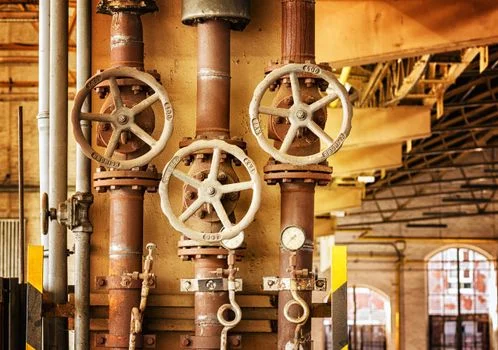
Procurement teams and financial decision-makers require clear cost models to justify investments in industrial wastewater treatment. Capital Expenditure (CAPEX) for wastewater treatment systems in Denmark (2025 estimates in DKK) varies significantly by technology: DAF systems typically range from 1,500–4,500 DKK/m³/day, MBR systems from 3,500–8,500 DKK/m³/day, and RO systems from 5,000–12,000 DKK/m³/day, reflecting their complexity and performance capabilities. Operational Expenditure (OPEX) is a crucial component, with energy consumption often representing 30–50% of total OPEX, followed by chemicals (15–25%), sludge disposal (20–30%), and labor (10–15%). Return on Investment (ROI) can be significantly enhanced through strategic implementation. Water reuse initiatives can yield savings of 5–15 DKK/m³, while reduced discharge fees, often ranging from 20–100 DKK/m³ depending on the pollutant load and local tariffs, further bolster financial viability. Additionally, various EU and Danish subsidies can offset CAPEX, with programs like the EU LIFE Program offering up to 40% CAPEX support for Small and Medium-sized Enterprises (SMEs) and the Danish Green Investment Fund providing up to 20% for larger enterprises. A compelling case study is IWS’s Stigsnæs plant, which achieved a 22% reduction in OPEX by implementing energy recovery through biogas generation from its sludge stream, demonstrating the potential for cost savings through innovative operational strategies.
| Technology | Estimated CAPEX (DKK/m³/day, 2025) | Estimated OPEX Components (as % of total OPEX) | Key ROI Drivers |
|---|---|---|---|
| DAF | 1,500 - 4,500 | Energy: 30-40% Chemicals: 20-30% Sludge Disposal: 30-40% Labor: 10-15% |
FOG removal, reduced discharge fees, potential water reuse. |
| MBR | 3,500 - 8,500 | Energy: 40-50% Membrane Maintenance: 15-25% Sludge Disposal: 20-30% Labor: 10-15% |
High-quality effluent, enabling water reuse, stringent compliance, reduced footprint. |
| RO | 5,000 - 12,000 | Energy: 50-60% Membrane Replacement: 20-30% Chemicals: 5-10% Labor: 10-15% |
Potable water quality effluent for reuse, resource recovery, meeting extreme TDS limits. |
For detailed cost analysis of various industrial wastewater treatment plants, refer to wastewater treatment plant cost breakdowns.
Frequently Asked Questions
What are the typical discharge limits for pharmaceutical wastewater in Denmark?
Pharmaceutical wastewater in Denmark is subject to EU Directive 2019/904 and national regulations. General limits include COD ≤ 125 mg/L and TSS ≤ 35 mg/L. Crucially, specific limits apply to Active Pharmaceutical Ingredients (APIs) and other recalcitrant organic compounds, often requiring non-detectable levels or stringent concentration thresholds. Advanced treatment like MBRs or AOPs is typically necessary.
How much does a DAF system cost for a 100 m³/h food processing plant?
For a food processing plant with a flow rate of 100 m³/h (equivalent to 2,400 m³/day), the estimated CAPEX for a DAF system in 2025 would range between DKK 1.5 million and DKK 2.5 million. The estimated OPEX would be approximately DKK 0.8 to DKK 1.2 per cubic meter, primarily driven by chemical coagulants, flocculants, and energy consumption.
Can biological treatment handle high-salinity wastewater from offshore platforms?
While conventional biological treatment is challenged by high salinity (typically above 15,000 mg/L TDS), specialized biological processes using halophilic bacteria can be adapted. However, for the extreme salinities (35,000–50,000 mg/L TDS) encountered in offshore operations, hybrid systems incorporating Reverse Osmosis (RO) or dedicated desalination technologies are generally more effective and reliable, as demonstrated in IWS case studies.
What EU subsidies are available for wastewater treatment upgrades in Denmark?
Several EU and Danish funding programs can support wastewater treatment upgrades. The EU LIFE Program offers significant co-funding, up to 40% of CAPEX, for SMEs undertaking environmental projects. Larger enterprises can access support through national initiatives like the Danish Green Investment Fund, which may provide up to 20% of CAPEX for green technology adoption. Consulting the relevant Danish environmental agencies and financial institutions is recommended for specific application details.
Further Reading
Explore these in-depth articles on related wastewater treatment topics: